Amelia Glaser – författare
Visar alla böcker från författaren Amelia Glaser. Handla med fri frakt och snabb leverans.
5 produkter
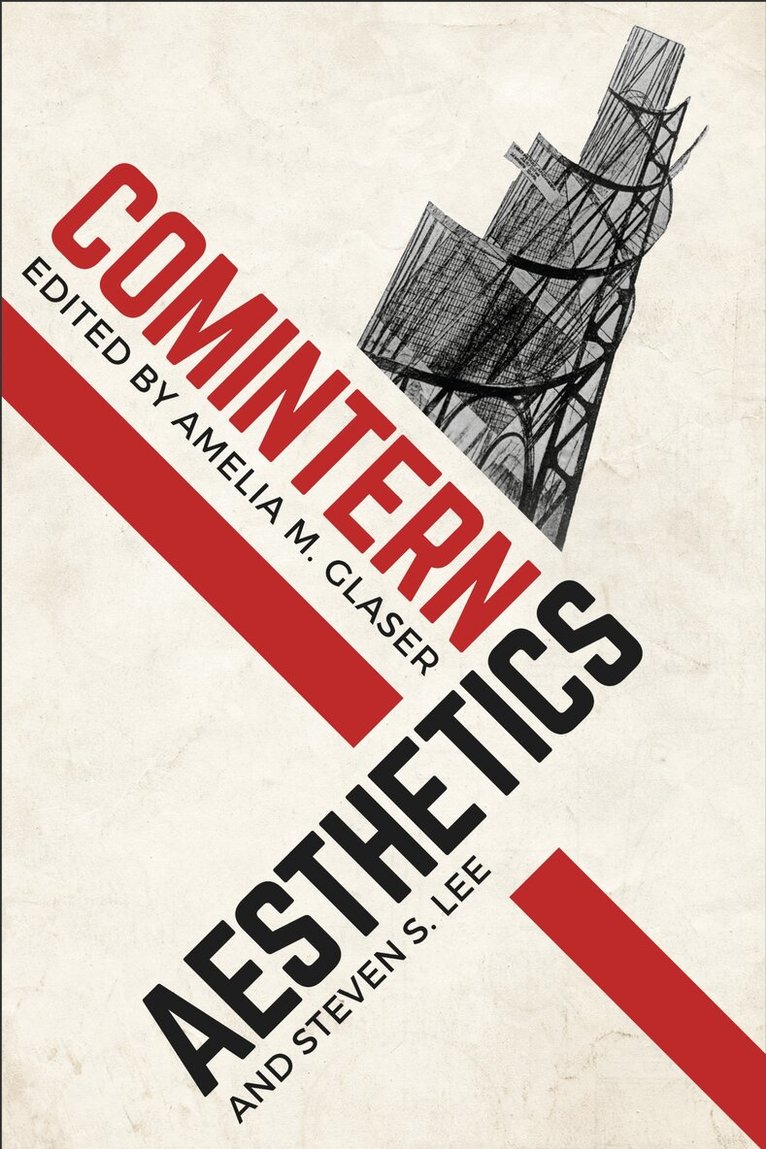
Comintern Aesthetics
Av Amelia Glaser, Steven S. Lee
Inbunden, 2020
1067 kr
Lägg i varukorg
Founded by Vladimir Lenin in 1919 to instigate a world revolution, the Comintern sought to advance not only the proletarian struggle but also a wide variety of radical causes, including fighting against imperialism and racism in settings as varied as Ireland, India, the United States, and China. …
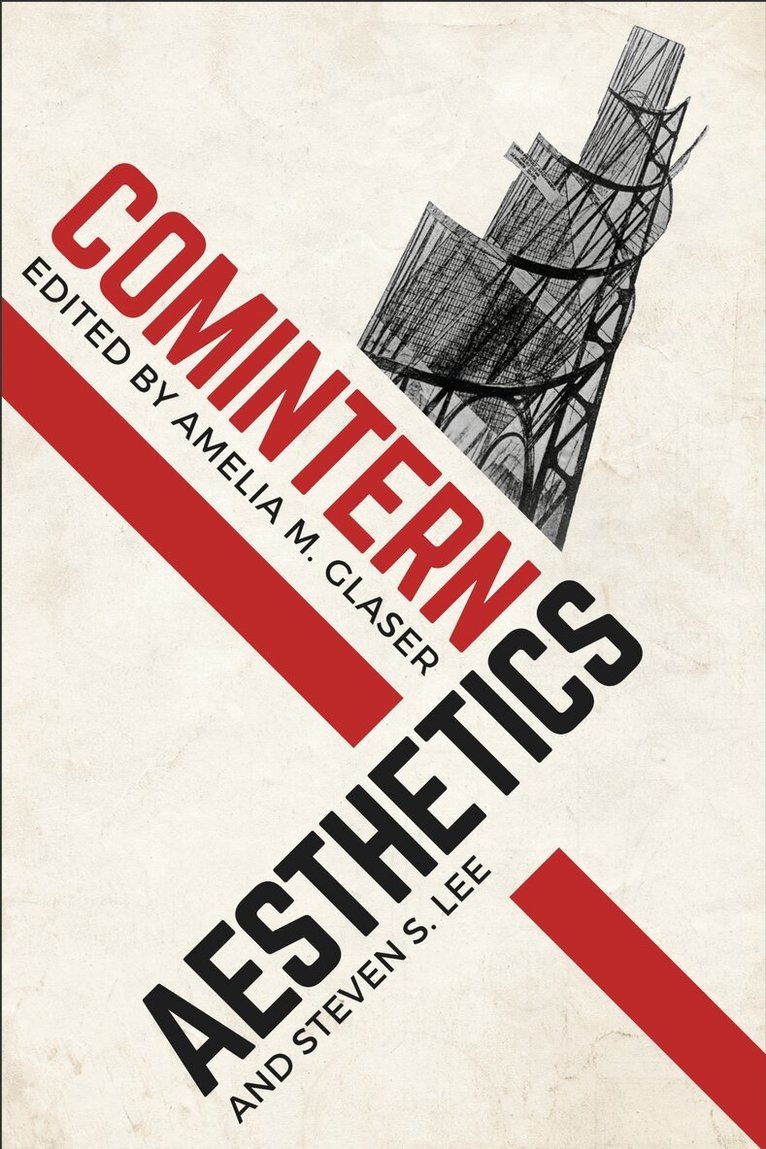
Comintern Aesthetics
Av Amelia Glaser, Steven S. Lee
E-bok, 2020
1537 kr
Lägg i varukorg
Founded by Vladimir Lenin in 1919 to instigate a world revolution, the Comintern sought to advance not only the proletarian struggle but also a wide variety of radical causes, including fighting against imperialism and racism in settings as varied as Ireland, India, the United States, and China. …
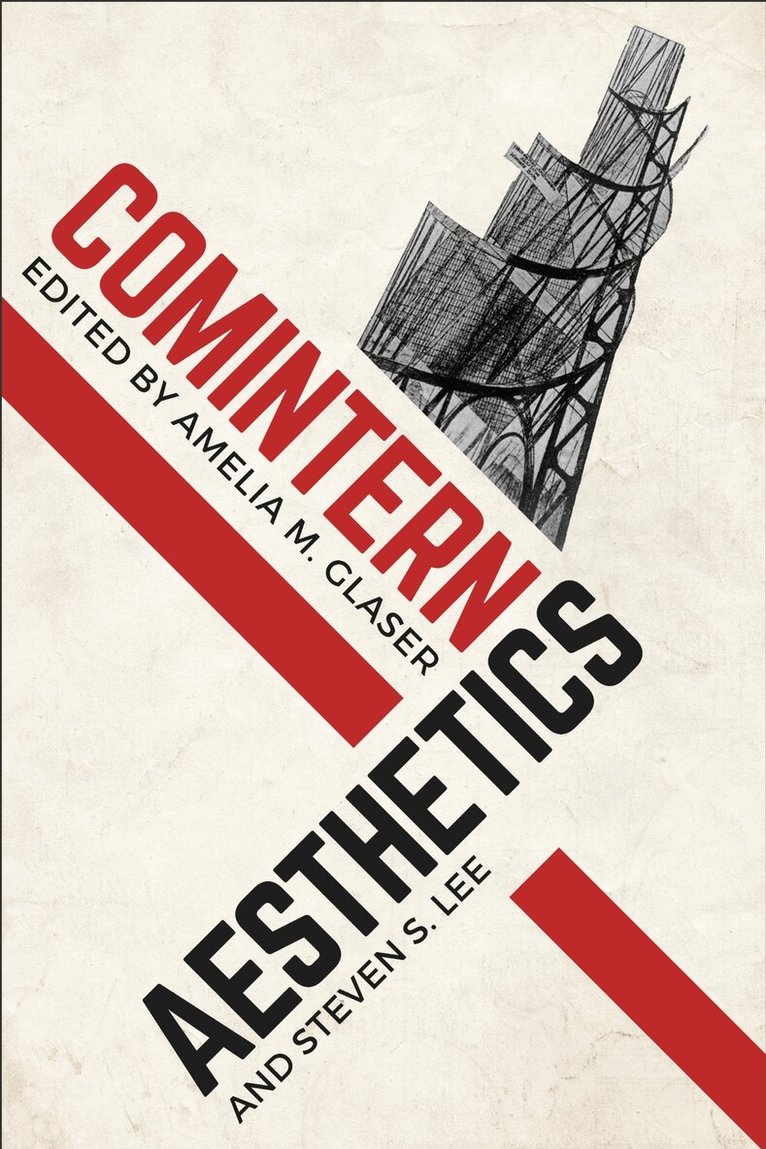
Comintern Aesthetics
Av Amelia Glaser, Steven S. Lee
E-bok, 2020
1537 kr
Lägg i varukorg
Founded by Vladimir Lenin in 1919 to instigate a world revolution, the Comintern sought to advance not only the proletarian struggle but also a wide variety of radical causes, including fighting against imperialism and racism in settings as varied as Ireland, India, the United States, and China. …
Jews and Ukrainians in Russia’s Literary Borderlands
From the Shtetl Fair to the Petersburg Bookshop
Inbunden, 2021
560 kr
Lägg i varukorg
Studies of Eastern European literature have largely confined themselves to a single language, culture, or nationality. In this highly original book, Glaser shows how writers working in Russian, Ukrainian, and Yiddish during much of the nineteenth century and the early part of the twentieth century …
Jews and Ukrainians in Russia’s Literary Borderlands
From the Shtetl Fair to the Petersburg Bookshop
E-bok, 2021
2987 kr
Lägg i varukorg
Studies of Eastern European literature have largely confined themselves to a single language, culture, or nationality. In this highly original book, Glaser shows how writers working in Russian, Ukrainian, and Yiddish during much of the nineteenth century and the early part of the twentieth century …