Amina Elbendary - Böcker
Visar alla böcker från författaren Amina Elbendary. Handla med fri frakt och snabb leverans.
3 produkter
3 produkter
1 520 kr
Skickas inom 10-15 vardagar
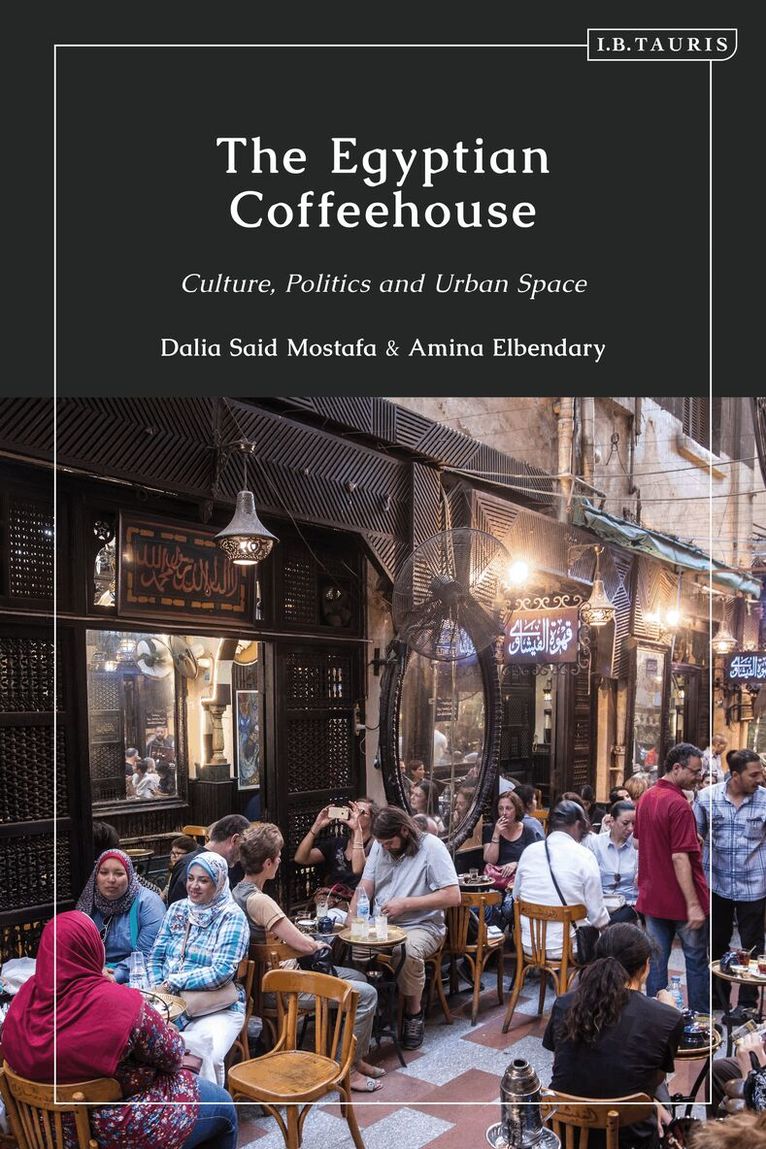
The coffeehouse is a microcosm of the larger Egyptian society with its history of multiculturalism and great diversity. It is not only a social space which was created and shaped by the people over decades in their streets, neighbourhoods and cities, but it also occupies a sphere in the popular imagination full of stories, memories and social networks. Despite the coffeehouse’s cultural centrality and socio-political importance in Egypt, academic research and publications on its significance remain sparse. This volume aims to fill this gap by presenting, for the first time in English, a full study analysing the importance of the coffeehouse as an urban phenomenon, with its cultural, historical, economic and political significance in contemporary Egyptian society. The volume shows how historically the coffeehouse has always played a key role as a commercial enterprise; and culturally, as a place for rich literary and artistic production which has multi-layered representations in Egyptian novels, cinema and popular music, amongst other genres. Economically, the coffeehouse has been vital for accessing job opportunities, especially for informal workers; in addition to having played a crucial role in political mobilisation during decisive historical events, as well as in recent years during the 2011 revolution and its aftermath. Through extended interviews with six residents in Cairo, the authors further examine the role and influence of the coffeehouse as a significant feature of contemporary Egyptian life and urban landscape.
447 kr
Skickas inom 10-15 vardagar
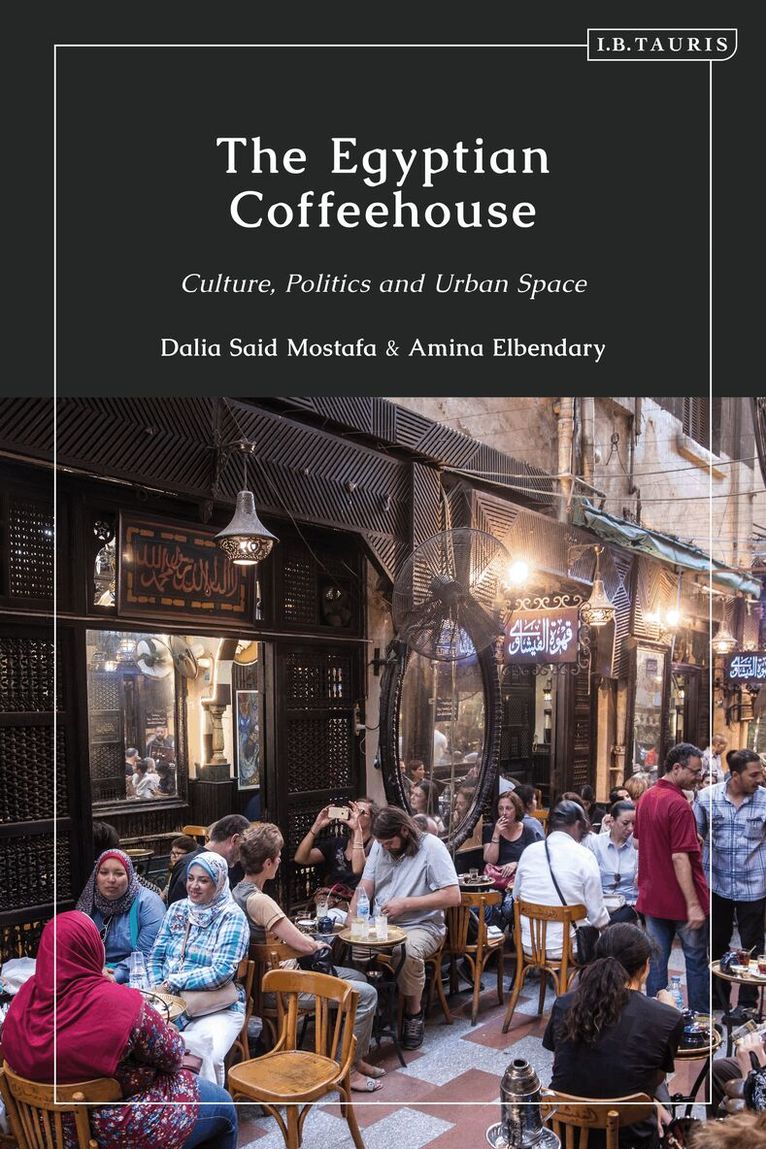
The coffeehouse is a microcosm of the larger Egyptian society with its history of multiculturalism and great diversity. It is not only a social space which was created and shaped by the people over decades in their streets, neighbourhoods and cities, but it also occupies a sphere in the popular imagination full of stories, memories and social networks. Despite the coffeehouse’s cultural centrality and socio-political importance in Egypt, academic research and publications on its significance remain sparse. This volume aims to fill this gap by presenting, for the first time in English, a full study analysing the importance of the coffeehouse as an urban phenomenon, with its cultural, historical, economic and political significance in contemporary Egyptian society. The volume shows how historically the coffeehouse has always played a key role as a commercial enterprise; and culturally, as a place for rich literary and artistic production which has multi-layered representations in Egyptian novels, cinema and popular music, amongst other genres. Economically, the coffeehouse has been vital for accessing job opportunities, especially for informal workers; in addition to having played a crucial role in political mobilisation during decisive historical events, as well as in recent years during the 2011 revolution and its aftermath. Through extended interviews with six residents in Cairo, the authors further examine the role and influence of the coffeehouse as a significant feature of contemporary Egyptian life and urban landscape.
497 kr
Skickas inom 5-8 vardagar
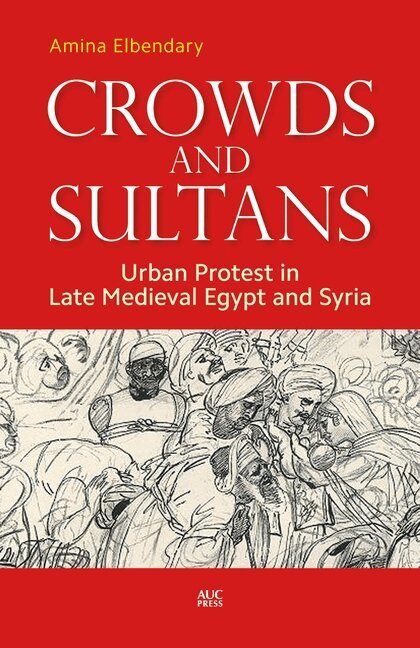
During the fifteenth century, the Mamluk sultanate that had ruled Egypt and Syria since 1249-50 faced a series of sustained economic and political challenges to its rule, from the effects of recurrent plagues to changes in international trade routes. Both these challenges and the policies and behaviors of rulers and subjects in response to them left profound impressions on Mamluk state and society, precipitating a degree of social mobility and resulting in new forms of cultural expression. These transformations were also reflected in the frequent reports of protests during this period, and led to a greater diffusion of power and the opening up of spaces for political participation by Mamluk subjects and negotiations of power between ruler and ruled. Rather than tell the story of this tumultuous century solely from the point of view of the Mamluk dynasty, Crowds and Sultans places the protests within the framework of long-term transformations, arguing for a more nuanced and comprehensive narrative of Mamluk state and society in late medieval Egypt and Syria.Reports of urban protest and the ways in which alliances between different groups in Mamluk society were forged allow us glimpses into how some medieval Arab societies negotiated power, showing that rather than stoically endure autocratic governments, populations often resisted and renegotiated their positions in response to threats to their interests. This rich and thought-provoking study will appeal to specialists in Mamluk history, Islamic studies, and Arab history, as well as to students and scholars of Middle East politics and government and modern history.