Ammon Cheskin - Böcker
Visar alla böcker från författaren Ammon Cheskin. Handla med fri frakt och snabb leverans.
4 produkter
4 produkter
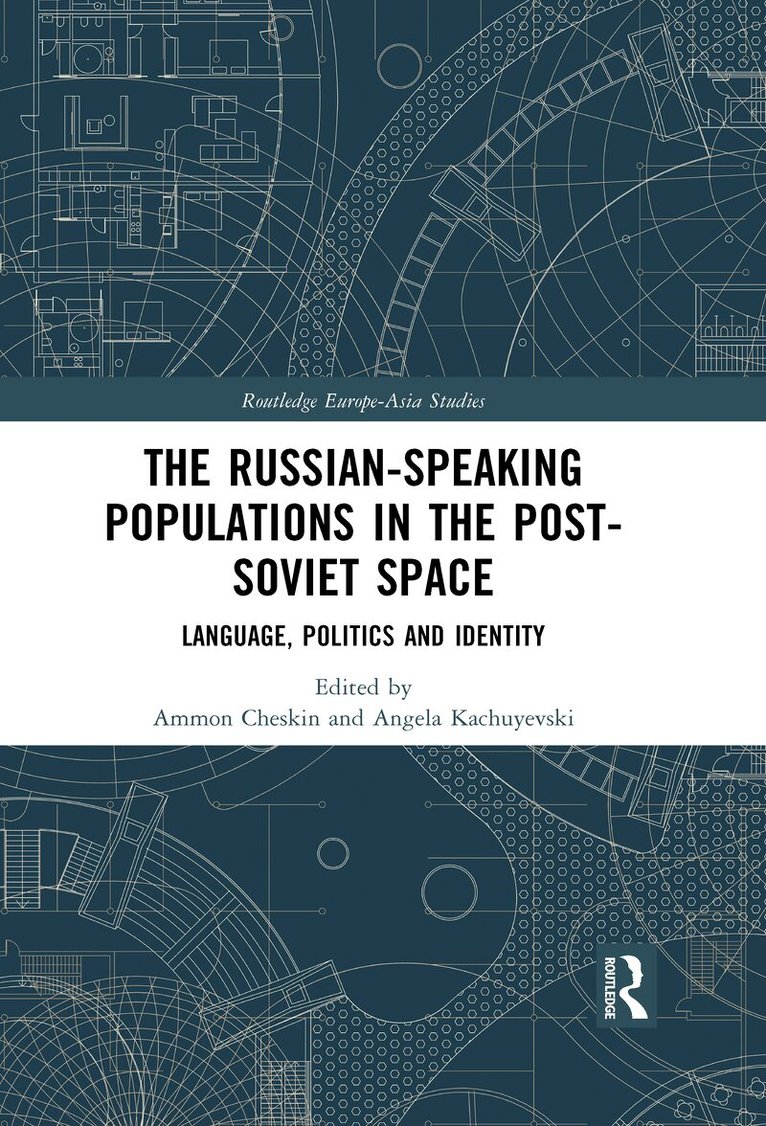
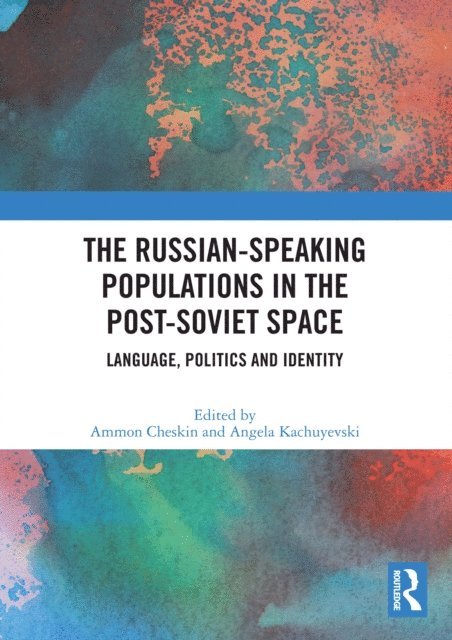
Russian-speaking Populations in the Post-Soviet Space
Language, Politics and Identity
Inbunden, Engelska, 2020
1 679 kr
Skickas inom 10-15 vardagar
In the wake of Russia’s annexation of Crimea, this volume examines the relationship Russia has with its so-called ‘compatriots abroad’. Based on research from Belarus, Estonia, Kazakhstan, Latvia and Ukraine, the authors examine complex relationships between these individuals, their home states, and the Russian Federation. Russia stands out globally as a leading sponsor of kin-state nationalism, vociferously claiming to defend the interests of its so-called diaspora, especially the tens of millions of ethnic Russians and Russian speakers who reside in the countries that were once part of the Soviet Union. However, this volume shifts focus away from the assertive diaspora politics of the Russian state, towards the actual groups of Russian speakers in the post-Soviet space themselves. In a series of empirically grounded studies, the authors examine complex relationships between ‘Russians’, their home-states and the Russian Federation. Using evidence from Belarus, Estonia, Kazakhstan, Latvia, and Ukraine, the findings demonstrate multifaceted levels of belonging and estrangement with spaces associated with Russia and the new, independent states in which Russian speakers live. By focusing on language, media, politics, identity and quotidian interactions, this collection provides a wealth of material to help understand contemporary kin-state policies and their impact on group identities and behaviour. The chapters in this book were originally published as a special issue of Europe-Asia Studies.
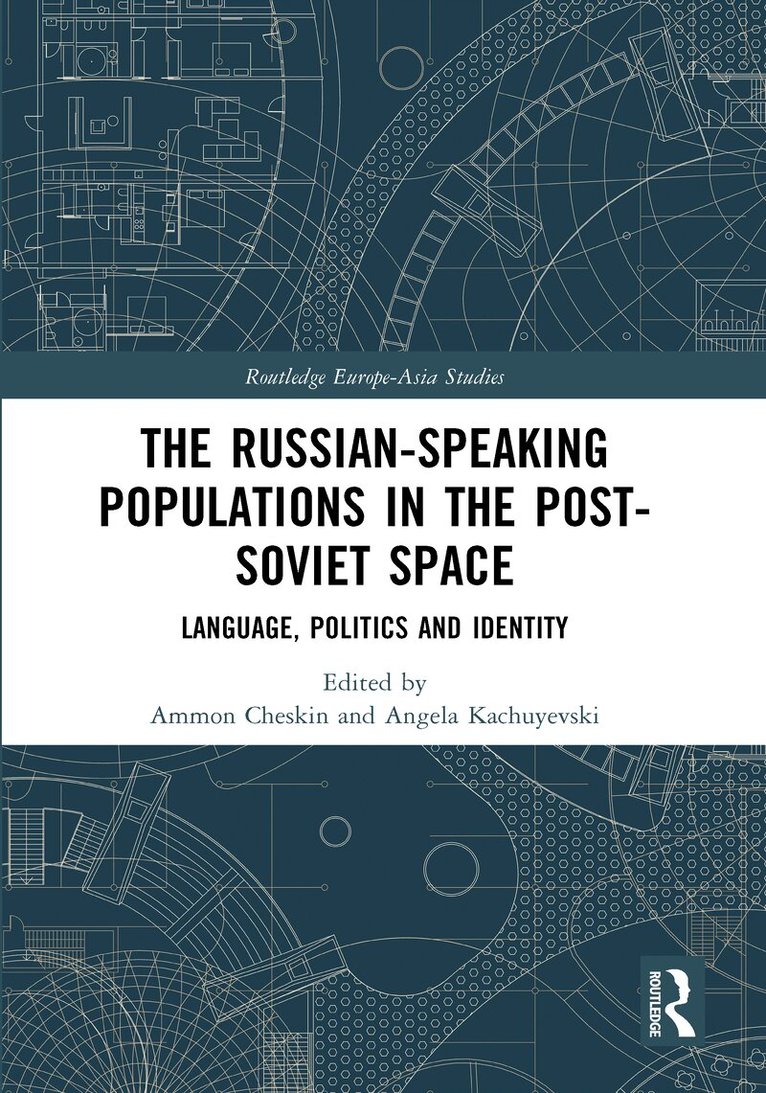
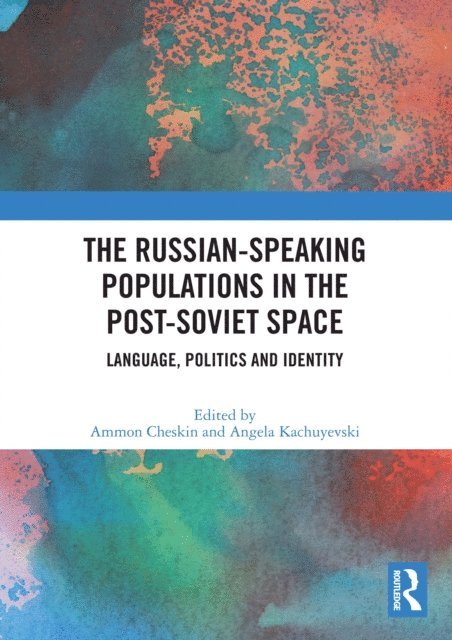
Russian-speaking Populations in the Post-Soviet Space
Language, Politics and Identity
Häftad, Engelska, 2023
550 kr
Skickas inom 10-15 vardagar
In the wake of Russia’s annexation of Crimea, this volume examines the relationship Russia has with its so-called ‘compatriots abroad’. Based on research from Belarus, Estonia, Kazakhstan, Latvia and Ukraine, the authors examine complex relationships between these individuals, their home states, and the Russian Federation. Russia stands out globally as a leading sponsor of kin-state nationalism, vociferously claiming to defend the interests of its so-called diaspora, especially the tens of millions of ethnic Russians and Russian speakers who reside in the countries that were once part of the Soviet Union. However, this volume shifts focus away from the assertive diaspora politics of the Russian state, towards the actual groups of Russian speakers in the post-Soviet space themselves. In a series of empirically grounded studies, the authors examine complex relationships between ‘Russians’, their home-states and the Russian Federation. Using evidence from Belarus, Estonia, Kazakhstan, Latvia, and Ukraine, the findings demonstrate multifaceted levels of belonging and estrangement with spaces associated with Russia and the new, independent states in which Russian speakers live. By focusing on language, media, politics, identity and quotidian interactions, this collection provides a wealth of material to help understand contemporary kin-state policies and their impact on group identities and behaviour. The chapters in this book were originally published as a special issue of Europe-Asia Studies.
1 303 kr
Skickas inom 7-10 vardagar
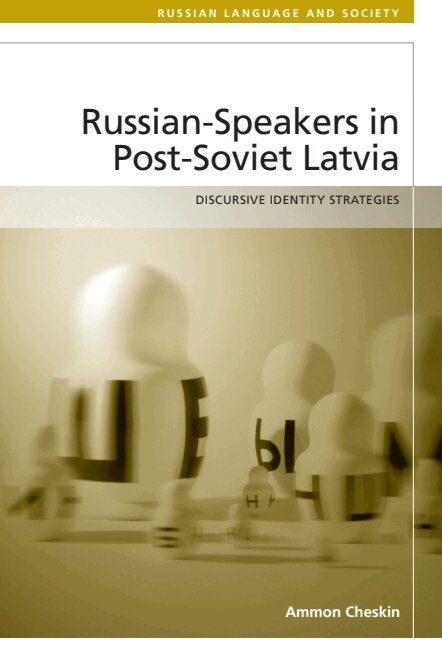
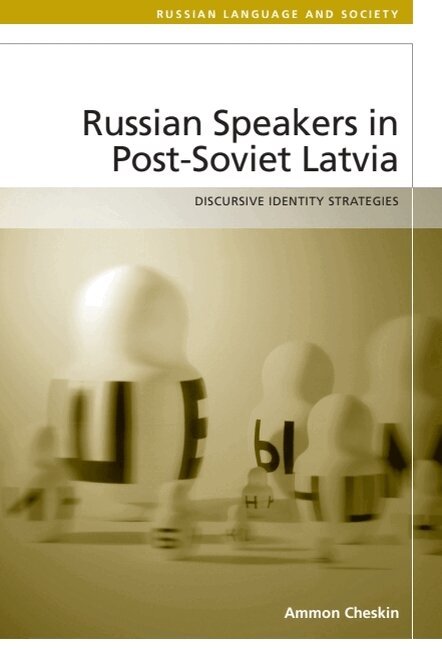
The political shocks of the 2014 Ukrainian crisis have been felt in many former Soviet countries, not least Latvia, where over 35 per cent of the population are native Russian speakers. At a time when analysts and commentators are unsure about Russia’s future plans to intervene on behalf of their ‘compatriots’, this study provides a detailed political and cultural analysis of Russian-speaking identity in Latvia. By using Russian-speakers in Latvia as a specific case study, this volume also offers a fresh methodological approach to the study of discourses and discursive strategies. It outlines a coherent methodology to study the evolution of discourses over time, rather than a single de-contextualised and static time period. Drawing on media analysis, elite interviews, focus groups and survey data, this volume situates the identity strategies of Russian speakers within the transformations of the post-Soviet era. By assessing political, cultural and economic links with their home state (Latvia) and their potential kin-state (Russia), it offers important insights into the complex identity positions of Latvia’s Russian speakers, and how these positions have evolved in Latvia since the late Soviet period. At a historical moment when many will question the loyalty of Russian speakers to their various ‘host states’, this book provides a timely, scholarly account of ethnic politics in Latvia. It also offers a methodological framework that allows for the mapping of trends in discursive strategies, exploring how they evolve through time.
318 kr
Skickas inom 7-10 vardagar
The political shocks of the 2014 Ukrainian crisis have been felt in many former Soviet countries, not least Latvia, where over 35 per cent of the population are native Russian speakers. At a time when analysts and commentators are unsure about Russia’s future plans to intervene on behalf of their ‘compatriots’, this study provides a detailed political and cultural analysis of Russian-speaking identity in Latvia. By using Russian-speakers in Latvia as a specific case study, this volume also offers a fresh methodological approach to the study of discourses and discursive strategies. It outlines a coherent methodology to study the evolution of discourses over time, rather than a single de-contextualised and static time period. Drawing on media analysis, elite interviews, focus groups and survey data, this volume situates the identity strategies of Russian speakers within the transformations of the post-Soviet era. By assessing political, cultural and economic links with their home state (Latvia) and their potential kin-state (Russia), it offers important insights into the complex identity positions of Latvia’s Russian speakers, and how these positions have evolved in Latvia since the late Soviet period. At a historical moment when many will question the loyalty of Russian speakers to their various ‘host states’, this book provides a timely, scholarly account of ethnic politics in Latvia. It also offers a methodological framework that allows for the mapping of trends in discursive strategies, exploring how they evolve through time.