Amy Cox Hall – författare
Visar alla böcker från författaren Amy Cox Hall. Handla med fri frakt och snabb leverans.
8 produkter
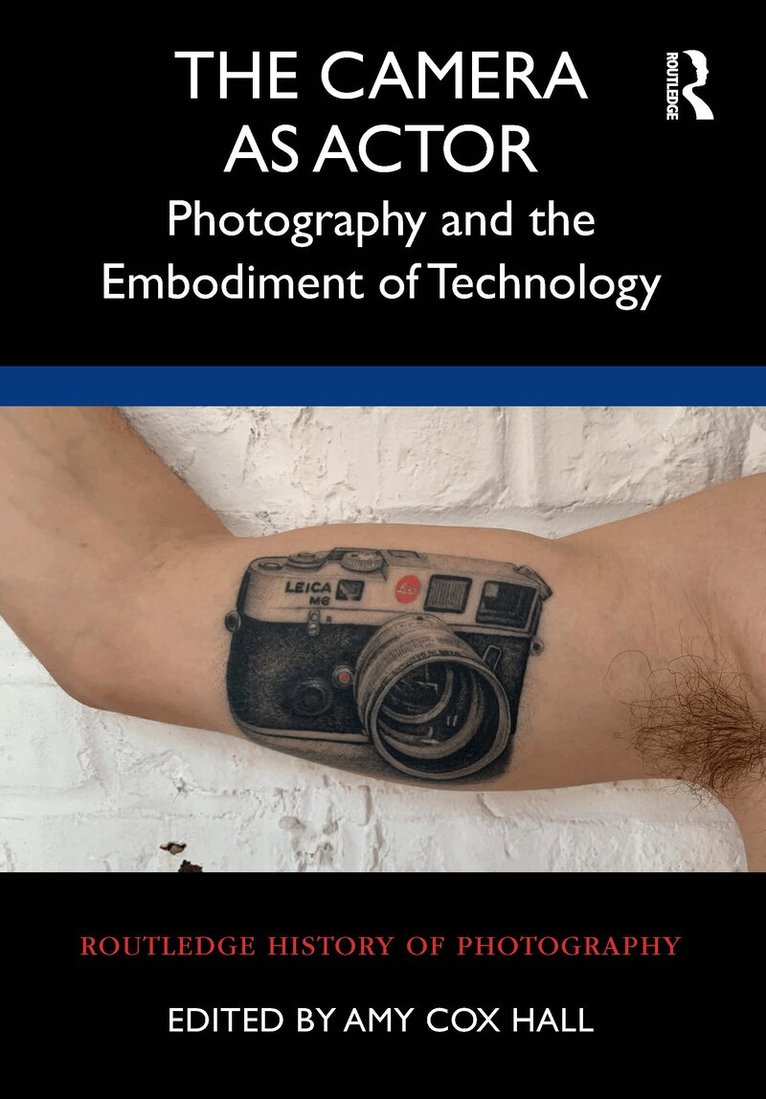
Camera as Actor
Photography and the Embodiment of Technology
Av Amy Cox Hall
Häftad, 2024
665 kr
Lägg i varukorg
Looking beyond the impact photographs have on the perpetuation and expression of social norms and stereotypes, and the influence of the act of taking a photograph, this new collection brings together international scholars to examine the camera itself as an actor. Bringing the camera back into …
Camera as Actor
Photography and the Embodiment of Technology
Av Amy Cox Hall
E-bok, 2020
785 kr
Lägg i varukorg
Looking beyond the impact photographs have on the perpetuation and expression of social norms and stereotypes, and the influence of the act of taking a photograph, this new collection brings together international scholars to examine the camera itself as an actor. Bringing the camera back into …
Camera as Actor
Photography and the Embodiment of Technology
Av Amy Cox Hall
E-bok, 2020
768 kr
Lägg i varukorg
Looking beyond the impact photographs have on the perpetuation and expression of social norms and stereotypes, and the influence of the act of taking a photograph, this new collection brings together international scholars to examine the camera itself as an actor. Bringing the camera back into …
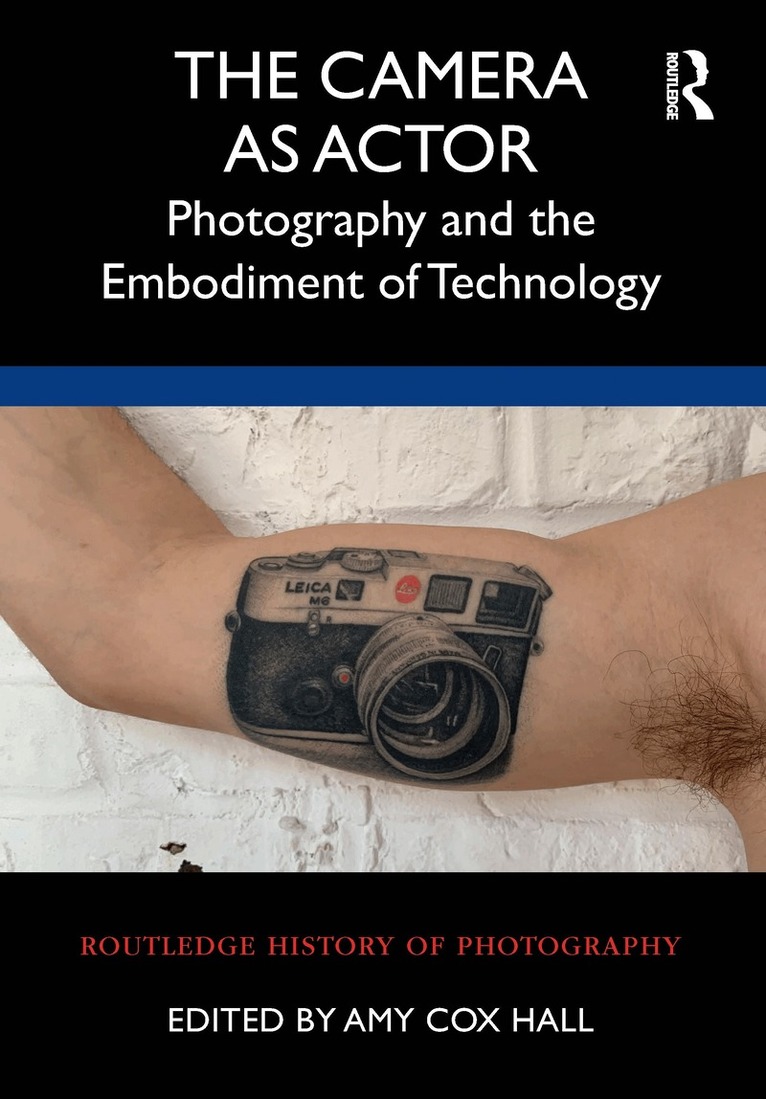
Camera as Actor
Photography and the Embodiment of Technology
Av Amy Cox Hall
Inbunden, 2020
2578 kr
Lägg i varukorg
Looking beyond the impact photographs have on the perpetuation and expression of social norms and stereotypes, and the influence of the act of taking a photograph, this new collection brings together international scholars to examine the camera itself as an actor. Bringing the camera back into …
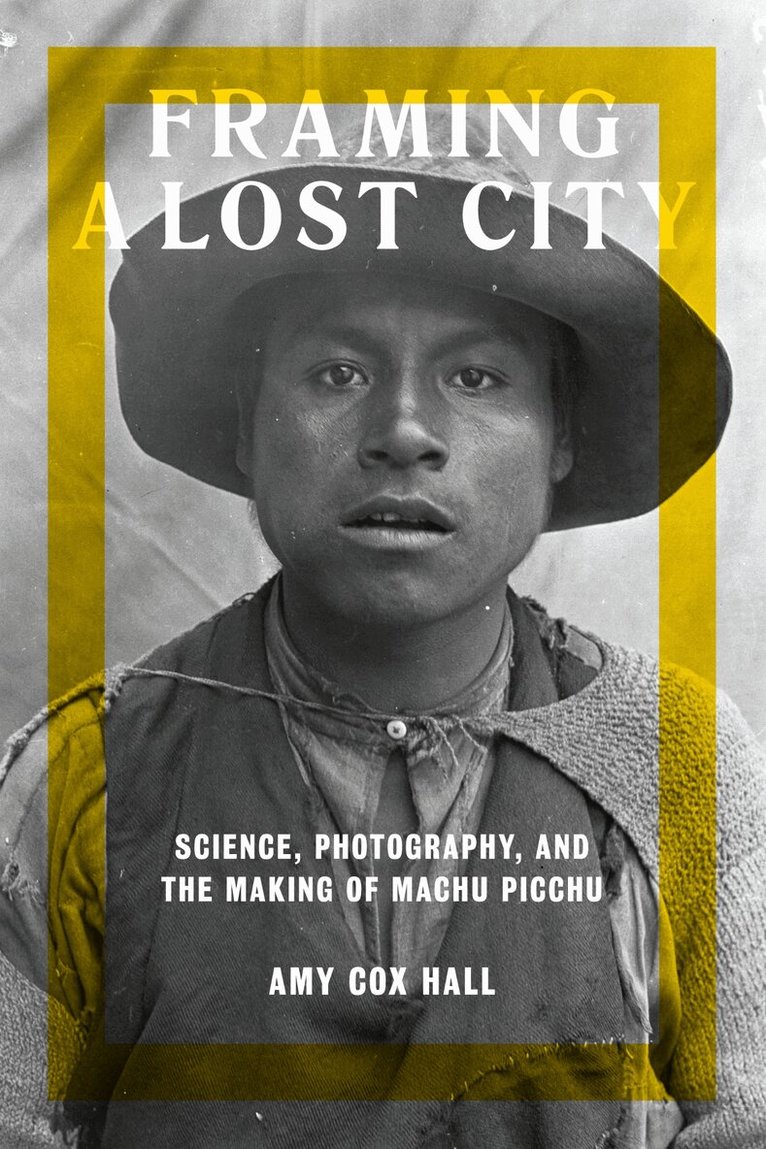
Framing a Lost City
Science, Photography, and the Making of Machu Picchu
Av Amy Cox Hall
Inbunden, 2017
1052 kr
Lägg i varukorg
When Hiram Bingham, a historian from Yale University, first saw Machu Picchu in 1911, it was a ruin obscured by overgrowth whose terraces were farmed a by few families. A century later, Machu Picchu is a UNESCO world heritage site visited by more than a million tourists annually. This remarkable …
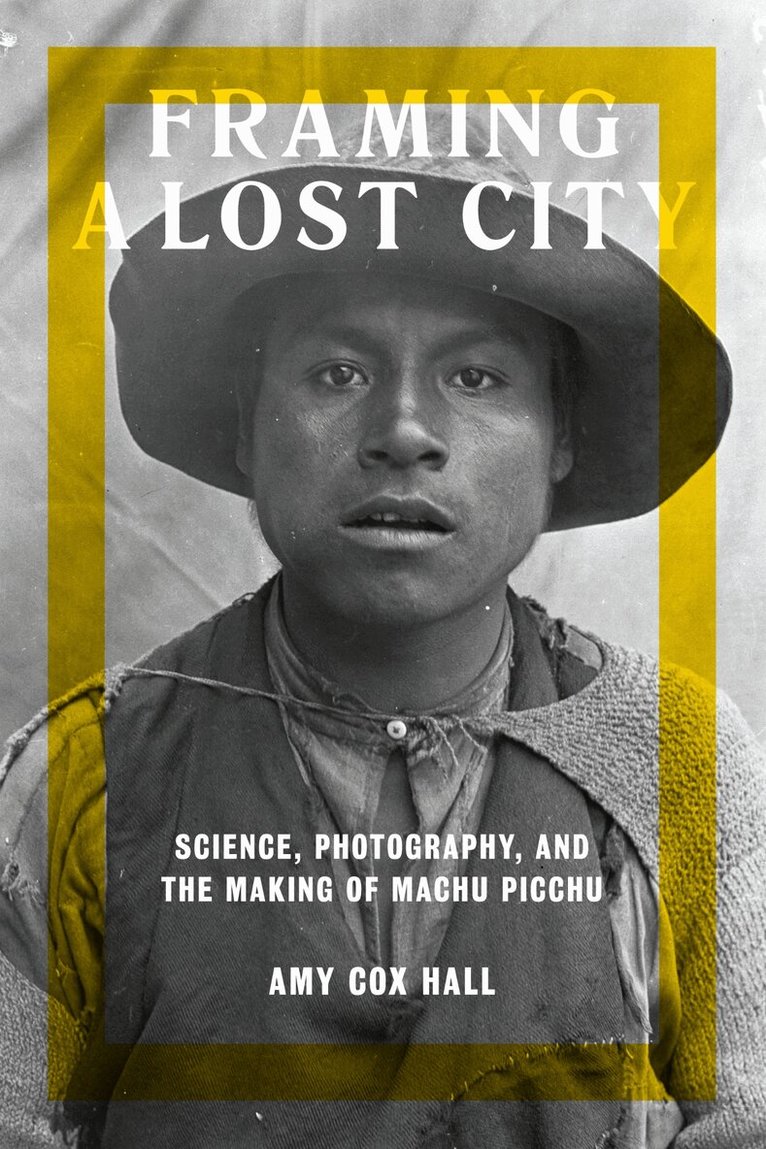
Framing a Lost City
Science, Photography, and the Making of Machu Picchu
Av Amy Cox Hall
Häftad, 2017
338 kr
Lägg i varukorg
When Hiram Bingham, a historian from Yale University, first saw Machu Picchu in 1911, it was a ruin obscured by overgrowth whose terraces were farmed a by few families. A century later, Machu Picchu is a UNESCO world heritage site visited by more than a million tourists annually. This remarkable …
Taste of Nostalgia
Women, Race, and Culinary Longing in Peru
Av Amy Cox Hall
Inbunden, 2024
1226 kr
Lägg i varukorg
An exploration of gender, race, and food in Peru in the 1950s and 1960s and today.From the late 1940s to the mid 1960s, Peru's rapid industrialization and anti-communist authoritarianism coincided with the rise of mass-produced cookbooks, the first televised cooking shows, glossy lifestyle …
Taste of Nostalgia
Women, Race, and Culinary Longing in Peru
Av Amy Cox Hall
Häftad, 2024
389 kr
Lägg i varukorg
An exploration of gender, race, and food in Peru in the 1950s and 1960s and today.From the late 1940s to the mid 1960s, Peru's rapid industrialization and anti-communist authoritarianism coincided with the rise of mass-produced cookbooks, the first televised cooking shows, glossy lifestyle …