
Amy D. Ronner - Böcker
Visar alla böcker från författaren Amy D. Ronner. Handla med fri frakt och snabb leverans.
3 produkter
3 produkter
329 kr
Tillfälligt slut
Homosexuals have been and still are targets of discrimination in multiple spheres of life. This book examines the major junctures at which the lives of gay and lesbian people intersect with the law. The major areas covered include marriage, children, work, and death. The result of this book is a valuable resource for providing useful information to lawyers and others working with homosexuals about how to counsel and empower same-sex couples.
1 698 kr
Skickas inom 10-15 vardagar
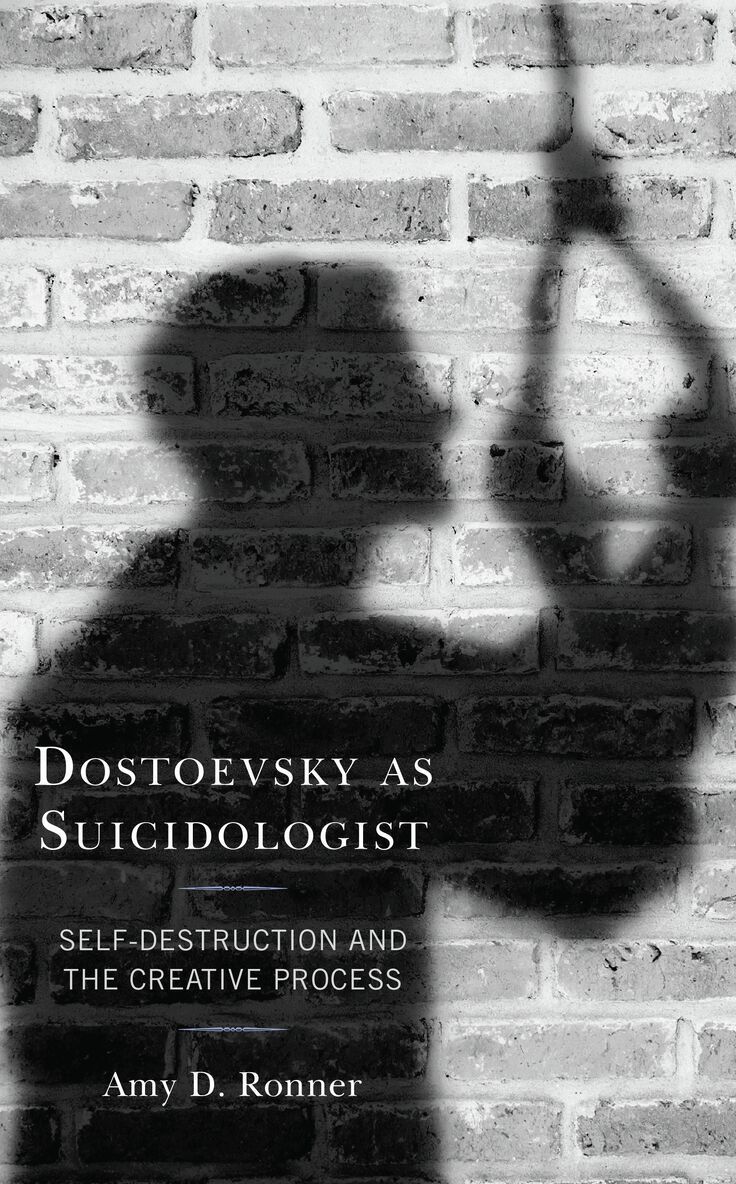
In Dostoevsky as Suicidologist, Amy D. Ronner illustrates how self-homicide in Fyodor Dostoevsky’s fiction prefigures Emile Durkheim’s etiology in Suicide as well as theories of other prominent suicidologists. This book not only fills a lacuna in Dostoevsky scholarship, but provides fresh readings of Dostoevsky’s major works, including Notes from The House of the Dead, Crime and Punishment, The Idiot, Demons, and The Brothers Karamazov. Ronner provides an exegesis of how Dostoevsky’s implicit awareness of fatalistic, altruistic, egoistic, and anomic modes of self-destruction helped shape not only his philosophy, but also his craft as a writer. In this study, Ronner contributes to the field of suicidology by anatomizing both self-destructive behavior and suicidal ideation while offering ways to think about prevention. But most expansively, Ronner tackles the formidable task of forging a ligature between artistic creation and the pluripresent social fact of self-annihilation.
561 kr
Skickas inom 10-15 vardagar
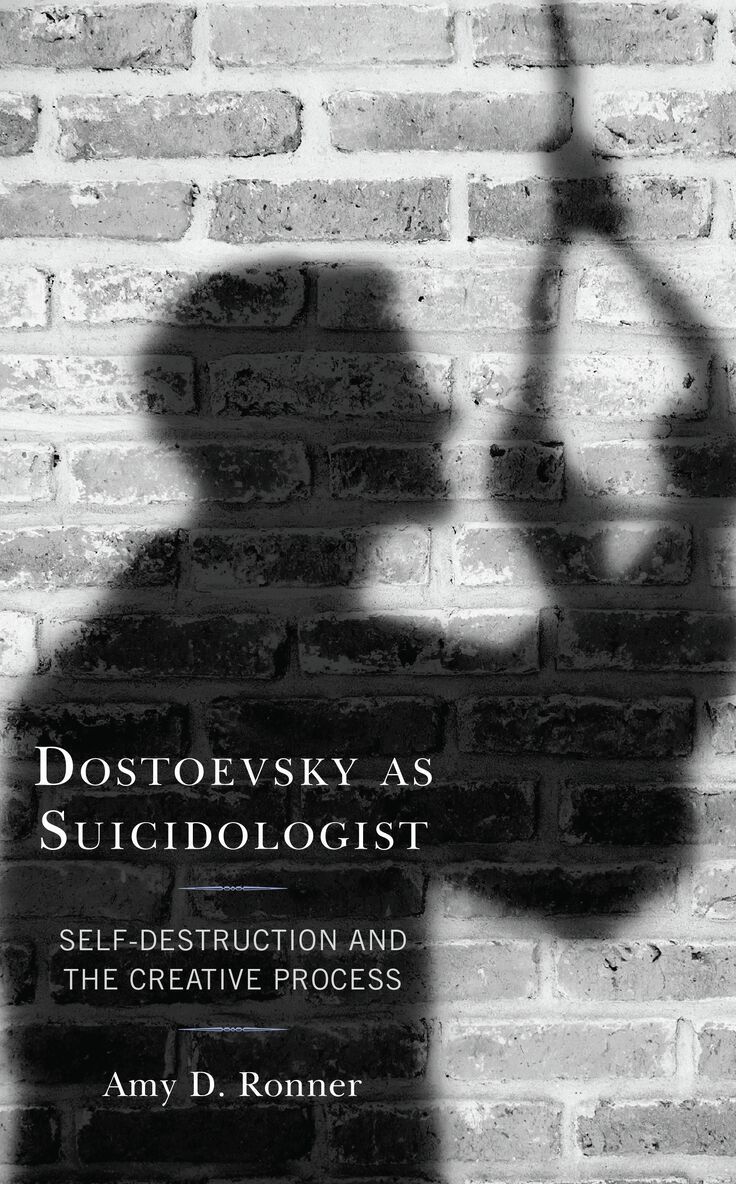
In Dostoevsky as Suicidologist, Amy D. Ronner illustrates how self-homicide in Fyodor Dostoevsky’s fiction prefigures Emile Durkheim’s etiology in Suicide as well as theories of other prominent suicidologists. This book not only fills a lacuna in Dostoevsky scholarship, but provides fresh readings of Dostoevsky’s major works, including Notes from The House of the Dead, Crime and Punishment, The Idiot, Demons, and The Brothers Karamazov. Ronner provides an exegesis of how Dostoevsky’s implicit awareness of fatalistic, altruistic, egoistic, and anomic modes of self-destruction helped shape not only his philosophy, but also his craft as a writer. In this study, Ronner contributes to the field of suicidology by anatomizing both self-destructive behavior and suicidal ideation while offering ways to think about prevention. But most expansively, Ronner tackles the formidable task of forging a ligature between artistic creation and the pluripresent social fact of self-annihilation.