Amy M. Davis - Böcker
Visar alla böcker från författaren Amy M. Davis. Handla med fri frakt och snabb leverans.
3 produkter
3 produkter
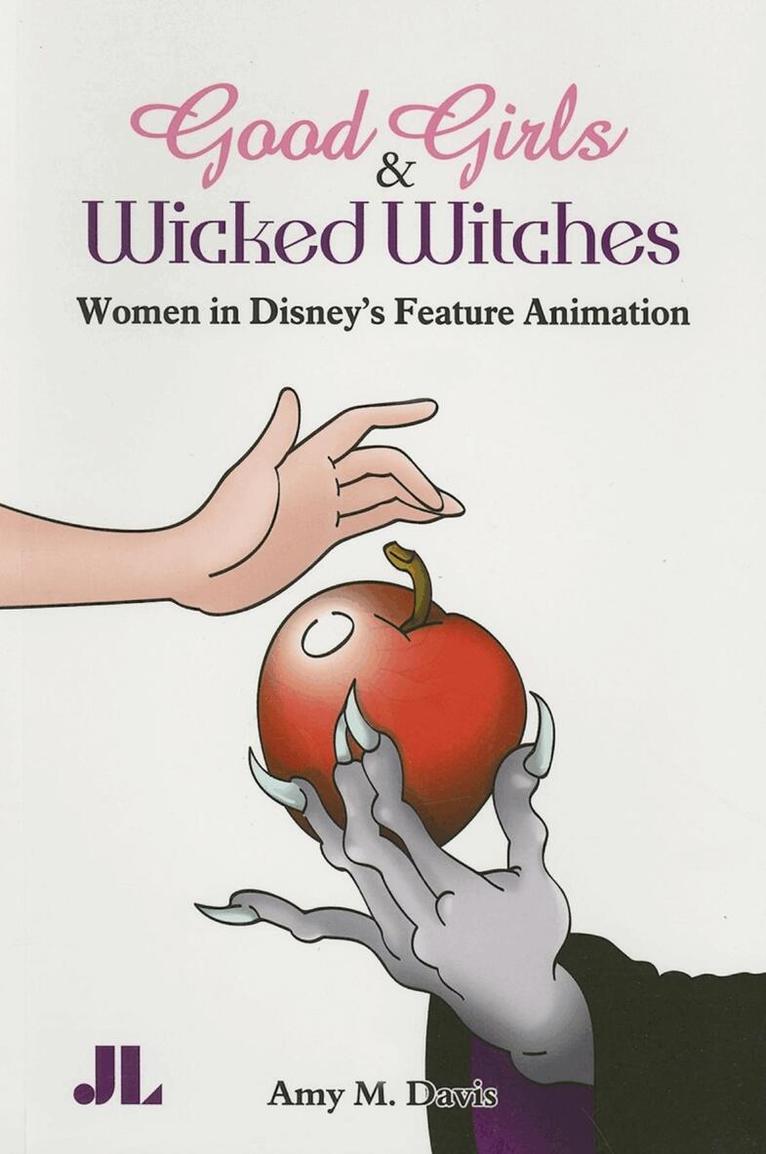
Good Girls and Wicked Witches
Changing Representations of Women in Disney's Feature Animation, 1937-2001
Häftad, Engelska, 2007
273 kr
Skickas inom 7-10 vardagar
In Good Girls and Wicked Witches, Amy M. Davis re-examines the notion that Disney heroines are rewarded for passivity. Davis proceeds from the assumption that, in their representations of femininity, Disney films both reflected and helped shape the attitudes of the wider society, both at the time of their first release and subsequently. Analyzing the construction of (mainly human) female characters in the animated films of the Walt Disney Studio between 1937 and 2001, she attempts to establish the extent to which these characterizations were shaped by wider popular stereotypes. Davis argues that it is within the most constructed of all moving images of the female form—the heroine of the animated film—that the most telling aspects of Woman as the subject of Hollywood iconography and cultural ideas of American womanhood are to be found.
273 kr
Skickas inom 7-10 vardagar
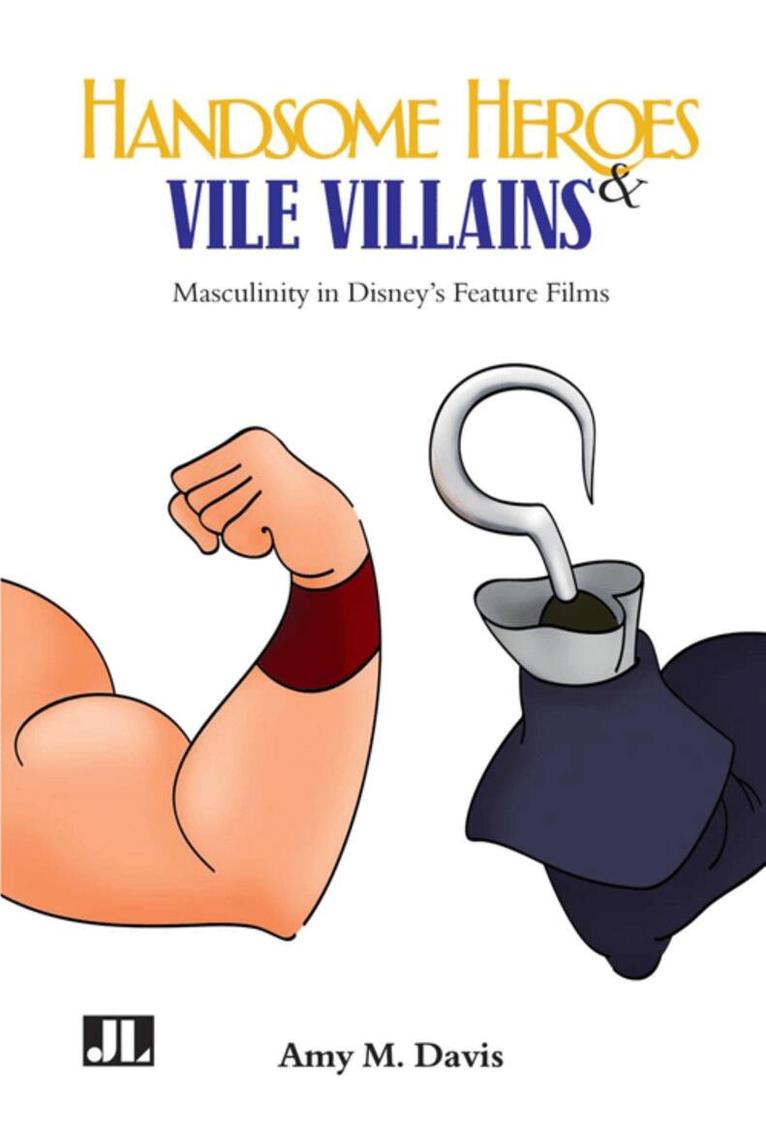
From the iconic Snow White and the Seven Dwarfs (1937) to Tangled, the 2010 retelling of Rapunzel, Handsome Heroes and Vile Villains looks at the portrayal of male characters in Disney films from the perspective of masculinity studies and feminist film theory. This companion volume to Good Girls and Wicked Witches places these depictions within the context of Hollywood and American popular culture at the time of each film's release.
337 kr
Skickas inom 10-15 vardagar
Discussing Disney has grown out of a conference of the same name, is a collection of 12 papers on topics which, though diverse in scope, all relate back to one another through their connection to Disney. As the field of Disney Studies continues to grow and evolve, those working within and contributing to it come from a range of backgrounds, including History, Myth Studies, Film Studies, Gender Studies, and Musicology (to name just a few), and therefore examine the outputs of the Disney company - and the company itself – in diverse ways.Discussing Disney seeks to continue the evolution of Disney Studies as an academic field that has now evolved beyond a discourse that merely, to quote Eric Smoodin (1994), "...[sought} to complicate the notions and uses of Disney discourse that currently make their way to the general public through the popular media". Though this was an important early step in Disney Studies, as it found it necessary to justify its legitimacy within the academy, in the intervening quarter-century, Disney Studies has established itself as a field of Animation Studies (which, simultaneously, has established itself as a branch of Film and Television Studies, as well as Cultural Studies), and is now recognized widely as a valid subject of academic enquiry in its own right. Film Studies as a whole - and Disney Studies as part of that - has also evolved in such a way that it has moved forward from insisting upon an overtly political (and therefore inherently biased) stance, and has taken up a more historically-based and/or cultural studies-based, politically-neutral approach that seeks to contextualize its subject in terms of the conditions in which the company's various outputs - animated shorts and films, theme park attractions, television shows, books, music, merchandising, and the like - have been produced, as well as understanding the audience for whom these were made initially. This is not to say that the field ignores politics - far from it - but rather that it uses political history and political theory as academic basis, rather than as a position from which to debate and opine.By looking at Disney from some of its many angles - the history and the persona of its founder, a selection of its films (from the blockbuster successes to the less than successful), its approaches to animation, its branding and fandom, and the ways that it has been understood and reinterpreted within popular culture - it is hoped that Discussing Disney offers its readers (and the field of Disney Studies) a more holistic understanding of a company that is arguably one of the most important forces within culture - popular or otherwise - within (so far) the Twentieth and Twenty-First Centuries.