
Amy Motlagh – författare
Visar alla böcker från författaren . Handla med fri frakt och snabb leverans.
5 produkter
5 produkter
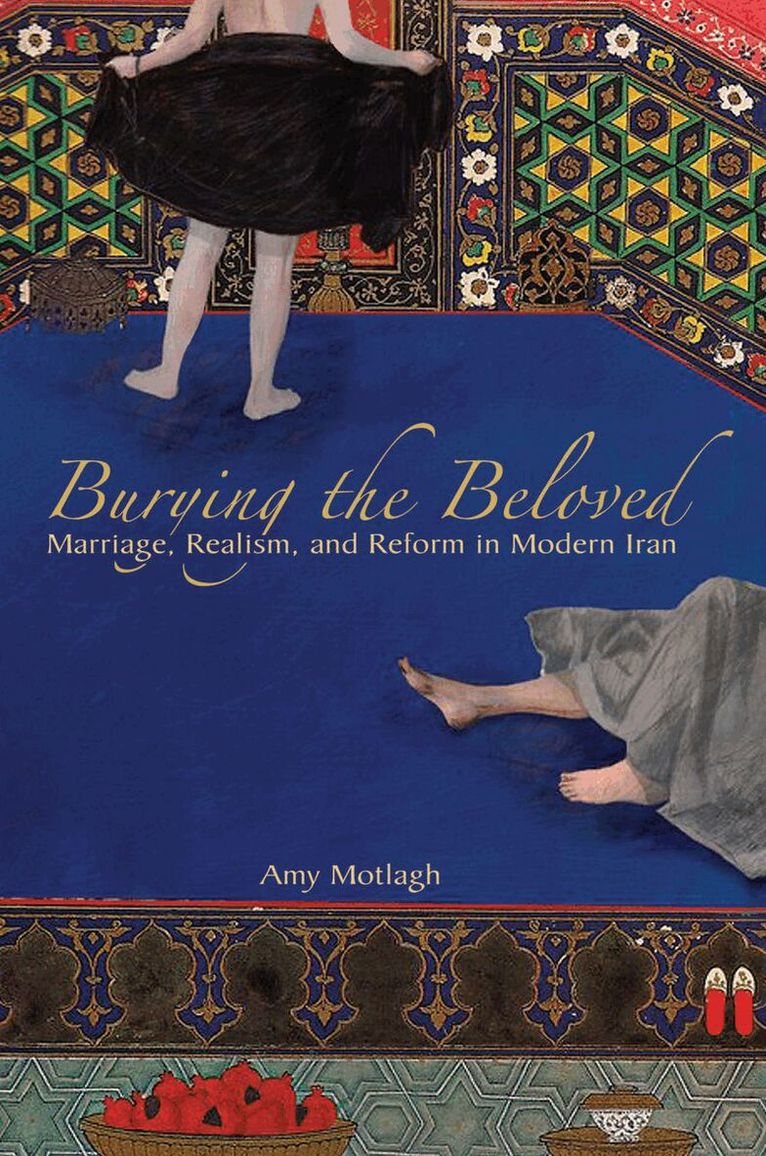
Inbunden, Engelska, 2011
837 kr
Skickas inom 10-15 vardagar
Burying the Beloved traces the relationship between the law and literature in Iran to reveal the profound ambiguities at the heart of Iranian ideas of modernity regarding women's rights and social status. The book reveals how novels mediate legal reforms and examines how authors have used realism to challenge and re-imagine notions of "the real." It examines seminal works that foreground acute anxieties about female subjectivity in an Iran negotiating its modernity from the Constitutional Revolution of 1905 up to and beyond the Islamic Revolution of 1979. By focusing on marriage as the central metaphor through which both law and fiction read gender, Motlagh critically engages and highlights the difficulties that arise as gender norms and laws change over time. She examines the recurrent foregrounding of marriage at five critical periods of legal reform, documenting how texts were understood both at first publication and as their importance changed over time.
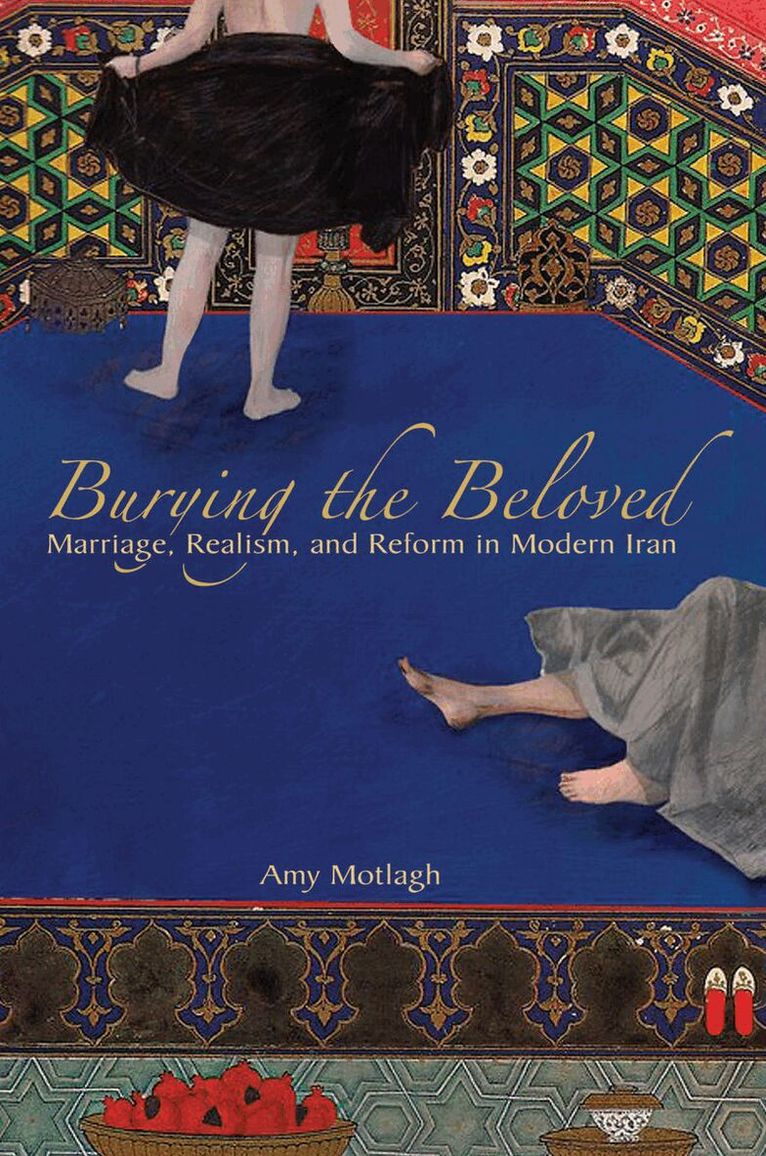
E-bok
Engelska, 2011948 kr
Läs direkt efter köp
Burying the Beloved traces the relationship between the law and literature in Iran to reveal the profound ambiguities at the heart of Iranian ideas of modernity regarding women's rights and social status. The book reveals how novels mediate legal reforms and examines how authors have used realism to challenge and re-imagine notions of "the real." It examines seminal works that foreground acute anxieties about female subjectivity in an Iran negotiating its modernity from the Constitutional Revolution of 1905 up to and beyond the Islamic Revolution of 1979. By focusing on marriage as the central metaphor through which both law and fiction read gender, Motlagh critically engages and highlights the difficulties that arise as gender norms and laws change over time. She examines the recurrent foregrounding of marriage at five critical periods of legal reform, documenting how texts were understood both at first publication and as their importance changed over time.
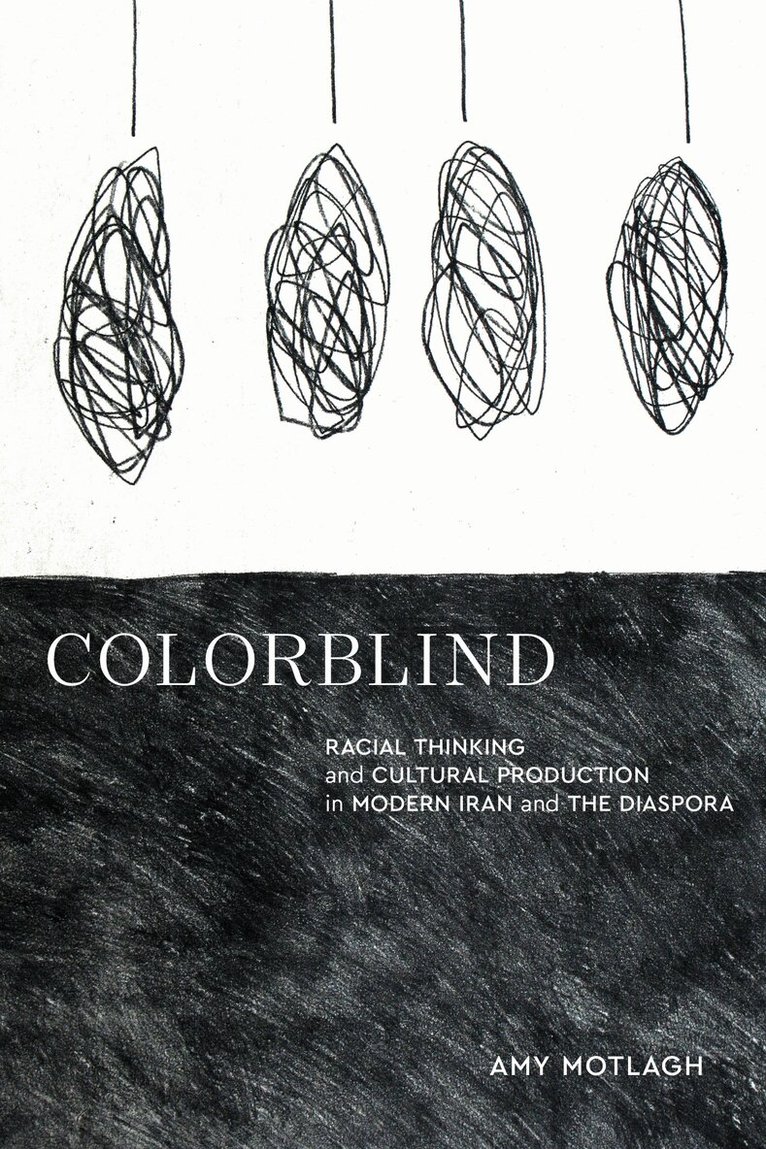
Inbunden, Engelska, 2026
1 516 kr
Skickas inom 5-8 vardagar
With this book, Amy Motlagh considers how racial thinking underpins cultural practices in Iran and the Iranian diaspora. Despite cultural traditions depicting black people and the documented presence of black Iranians, many have insisted that race is not an important aspect of Iranian culture, that "blackness" does not exist in Iran. Instead, it is the notion of being "Persian" that binds all Iranians together. But, as Motlagh argues, the word "Persian" masks a long racial history that depends on the specter of blackness to define what is truly Iranian.Colorblind critically examines how these concepts express themselves in folklore, ethnography, literature, and films to show how understandings of race and slavery have moved from home country to host, and from host to home. In particular, ambivalence surrounding the concepts of "race" and "blackness" prevents Iranians from fully interrogating their own racial thinking, even while some diasporic Iranians position themselves as racially liminal and non-white. By closely examining these efforts, as well as the cultural and historical foundations they were built on, this book reveals how ideas about race and slavery in Iran have forged a specific conception of modern Iranian cultural identity.
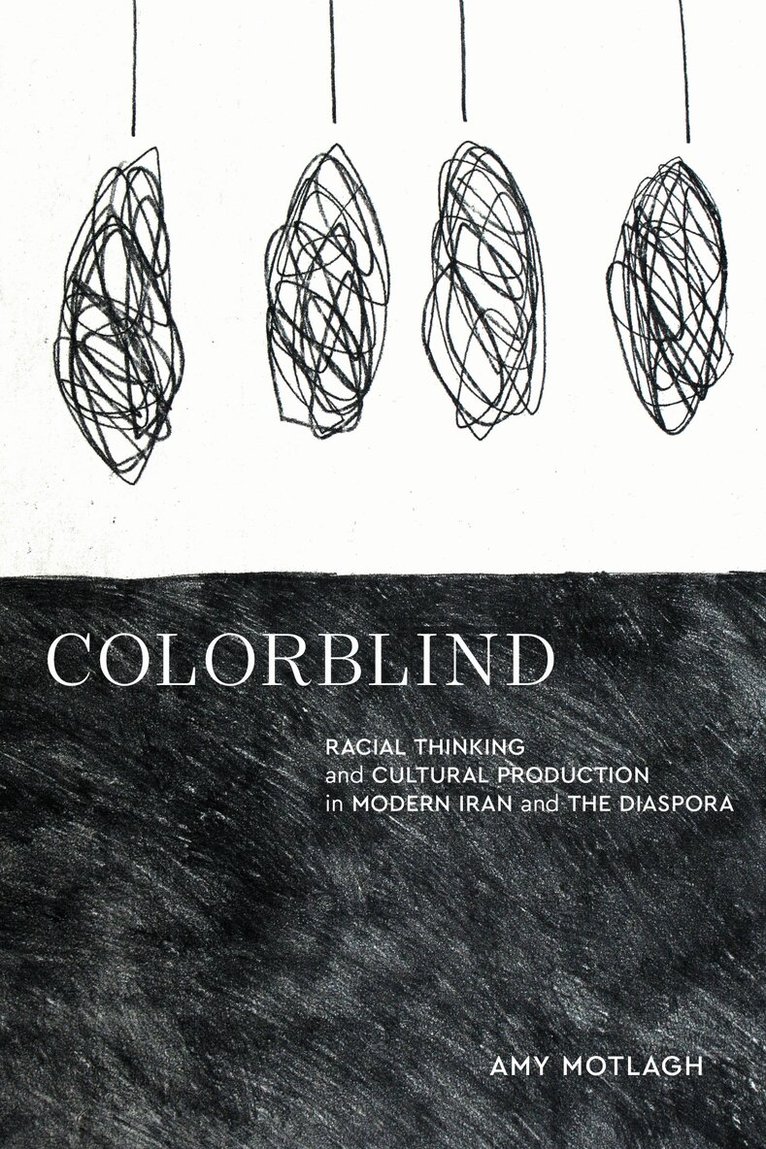
Häftad, Engelska, 2026
348 kr
Skickas
With this book, Amy Motlagh considers how racial thinking underpins cultural practices in Iran and the Iranian diaspora. Despite cultural traditions depicting black people and the documented presence of black Iranians, many have insisted that race is not an important aspect of Iranian culture, that "blackness" does not exist in Iran. Instead, it is the notion of being "Persian" that binds all Iranians together. But, as Motlagh argues, the word "Persian" masks a long racial history that depends on the specter of blackness to define what is truly Iranian.Colorblind critically examines how these concepts express themselves in folklore, ethnography, literature, and films to show how understandings of race and slavery have moved from home country to host, and from host to home. In particular, ambivalence surrounding the concepts of "race" and "blackness" prevents Iranians from fully interrogating their own racial thinking, even while some diasporic Iranians position themselves as racially liminal and non-white. By closely examining these efforts, as well as the cultural and historical foundations they were built on, this book reveals how ideas about race and slavery in Iran have forged a specific conception of modern Iranian cultural identity.
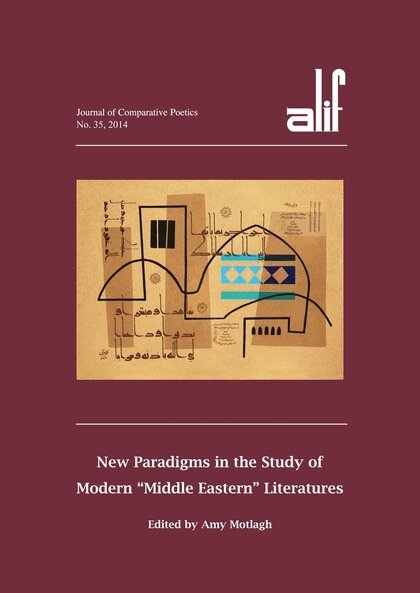
Häftad, Engelska, 2015
1 137 kr
Skickas inom 5-8 vardagar
Besides the three mainstream languages, Arabic, Persian, and Turkish, other languages such as Kurdish and Amazigh (Berber) have contributed to the rich literary tapestry of the region. Vernacular poetry and folktales, standardized Arabic, Persian, and Turkish, as well as literary works by Middle Easterners in different European languages offer a complex regional literary field. While comparative work among the "classical" traditions of these literatures is undertaken without comment, scholarship on their modern traditions is suspended between the exigencies of imperialism, nationalism, and academic parochialism. This issue of Alif is devoted to the exploration of those persistent ties and affinities, as well as to the attempt to recover and discover new or enduring linkages between literatures, languages, and cultures in a world where they are largely forgotten or willfully ignored.