Amy Pruden – författare
Visar alla böcker från författaren Amy Pruden. Handla med fri frakt och snabb leverans.
3 produkter
3 produkter
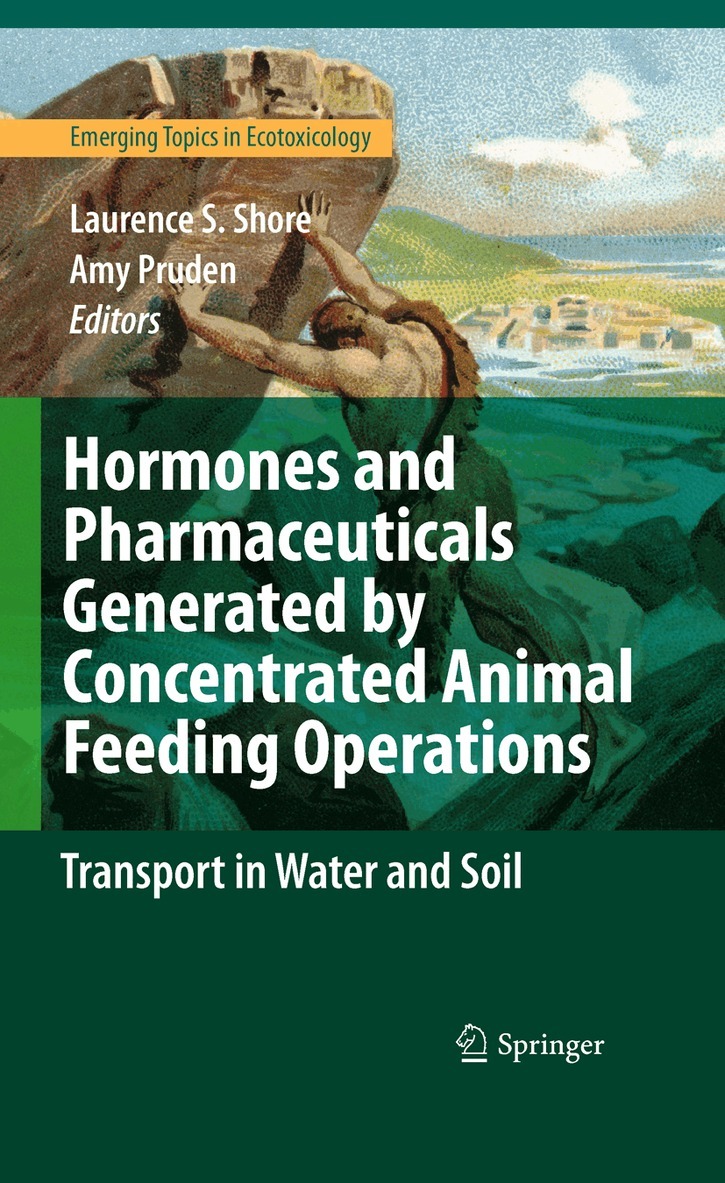
Hormones and Pharmaceuticals Generated by Concentrated Animal Feeding Operations
Transport in Water and Soil
Inbunden, Engelska, 2009
1 075 kr
Skickas inom 10-15 vardagar
Hormones and Pharmaceuticals Generated by Concentrated Animal Feeding Operations: Transport in Water and Soil examines how hormones, antibiotics and pharmaceuticals generated from concentrated animal feeding operations (CAFOs) of cattle, poultry, swine and aquaculture are transported in water and soil. Little is known of the environmental fate of the tons of physiologically active steroid hormones released each year. In their own regard, in the last 20 years considerable attention has been given to a wide variety of natural and anthropomorphic agents known as endocrine disrupting compounds (EDCs). Until the contribution of steroid hormones to the environment are better defined, it will be difficult to quantify the exact impact of EDCs. While some advances in the understanding of the fate of these compounds in water has been made, little is known about the processes that govern their transport in soil or how they eventually reach groundwater. As this book discusses extensively, it is somewhat of a mystery how steroids, with their lipophilic nature, strong binding to humic acids and extensive metabolism by soil bacteria, can be transported through even a few centimeters of soil, let alone 20 to 40 meters to the groundwater. With respect to antibiotics, the emphasis is on their fate and transport in the environment and on the emergence of antibiotic resistant bacteria. Impacts on soil ecology, including the impact of antibiotics on the metabolism of other active agents, is also discussed. Similarly, the acaricides and insecticides used in animal husbandry are widely used and their environmental pathways have been studied and have significant impacts on soil and dung ecology. Active compounds with potential environmental impacts, such as growth promoters generated from CAFOs, are described. However, because little is known of their environmental fate, emphasis is placed on defining the gaps in our knowledge and defining their possible effects.
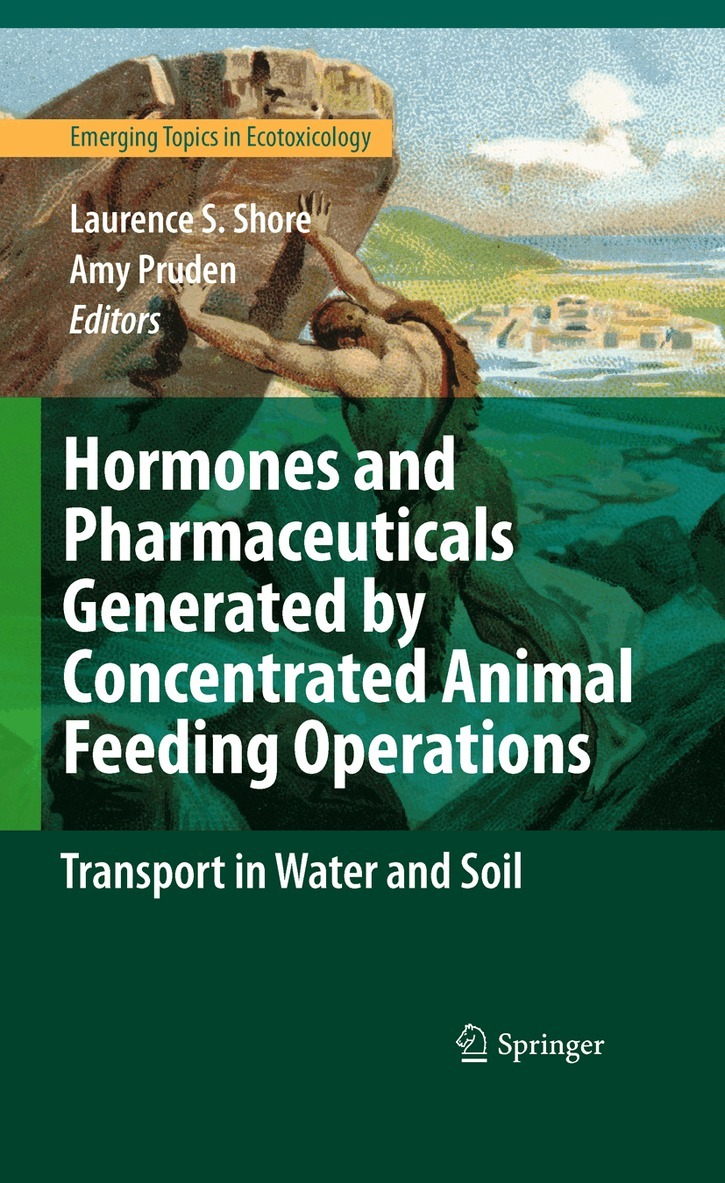
Hormones and Pharmaceuticals Generated by Concentrated Animal Feeding Operations
Transport in Water and Soil
Häftad, Engelska, 2010
1 205 kr
Skickas inom 10-15 vardagar
Hormones and Pharmaceuticals Generated by Concentrated Animal Feeding Operations: Transport in Water and Soil examines how hormones, antibiotics and pharmaceuticals generated from concentrated animal feeding operations (CAFOs) of cattle, poultry, swine and aquaculture are transported in water and soil. Little is known of the environmental fate of the tons of physiologically active steroid hormones released each year. In their own regard, in the last 20 years considerable attention has been given to a wide variety of natural and anthropomorphic agents known as endocrine disrupting compounds (EDCs). Until the contribution of steroid hormones to the environment are better defined, it will be difficult to quantify the exact impact of EDCs. While some advances in the understanding of the fate of these compounds in water has been made, little is known about the processes that govern their transport in soil or how they eventually reach groundwater. As this book discusses extensively, it is somewhat of a mystery how steroids, with their lipophilic nature, strong binding to humic acids and extensive metabolism by soil bacteria, can be transported through even a few centimeters of soil, let alone 20 to 40 meters to the groundwater. With respect to antibiotics, the emphasis is on their fate and transport in the environment and on the emergence of antibiotic resistant bacteria. Impacts on soil ecology, including the impact of antibiotics on the metabolism of other active agents, is also discussed. Similarly, the acaricides and insecticides used in animal husbandry are widely used and their environmental pathways have been studied and have significant impacts on soil and dung ecology. Active compounds with potential environmental impacts, such as growth promoters generated from CAFOs, are described. However, because little is known of their environmental fate, emphasis is placed on defining the gaps in our knowledge and defining their possible effects.
1 822 kr
Skickas
A large portion of impaired waterways are located in or near urban areas and are adversely influenced by stormwater-borne solids. The solids have negative impacts on receiving water systems including loss of aquatic habitat, channel instability, and the transport of harmful pollutants potentially hazardous to human and ecosystem health. The current methods for sampling, handling, and analyzing stormwater solids don’t lead to a good understanding of these effects on receiving waters. The purpose of the study is to develop a draft protocol addressing sampling, analysis, and reporting practices to examine stormwater-borne solids in order to improve assessment and monitoring protocols. Current accepted practices for characterizing stormwater-borne solids are critically analyzed and revised. Common definitions and standardized monitoring procedures are recommended in this report to aid in understanding solid impacts and selection of stormwater best management practices. Stormwater solids can first be classified based on size into dissolved, fine, coarse and Gross Solids. These solids can further be classified as settleable or suspended by allowing a settling time in the analytical procedure. Obtaining a representative sample in the field is one of the biggest challenges in characterizing stormwater-borne solids because of temporal, geographic, and spatial variations. An outline for developing a monitoring plan for fine solids and Gross Solids is described.