Amy Snyder Ohta - Böcker
Visar alla böcker från författaren Amy Snyder Ohta. Handla med fri frakt och snabb leverans.
6 produkter
6 produkter
2 371 kr
Skickas inom 10-15 vardagar
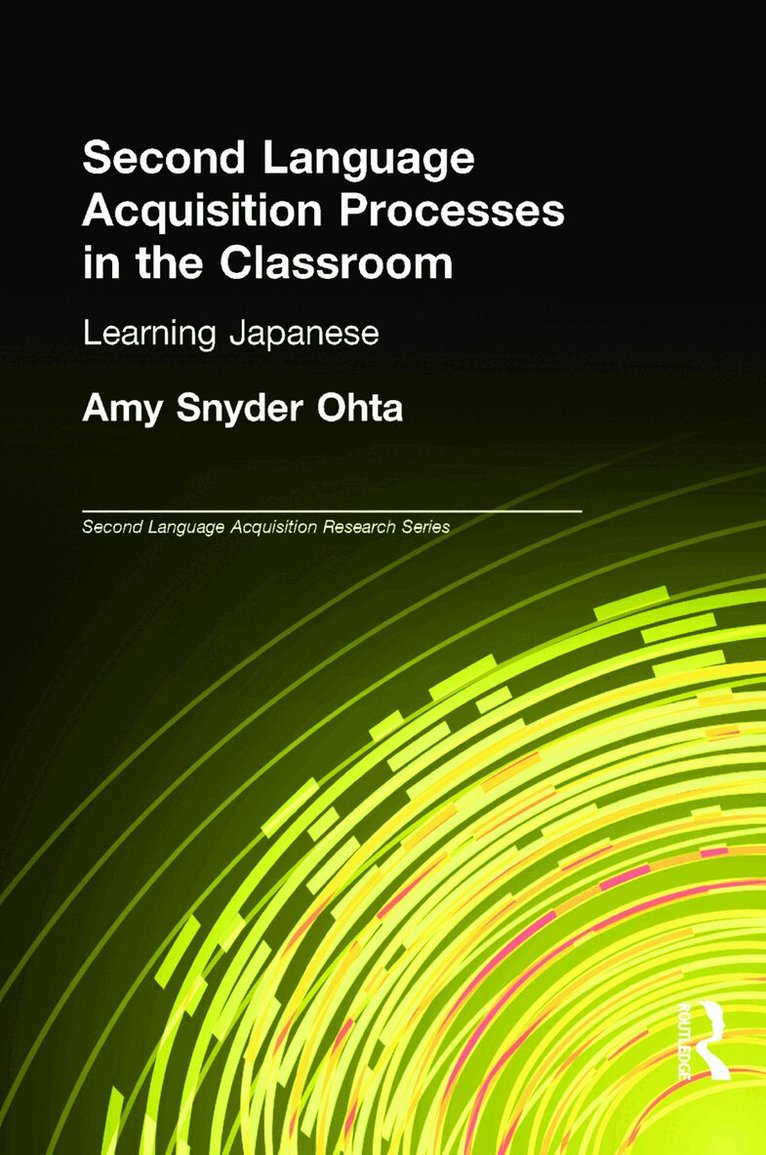
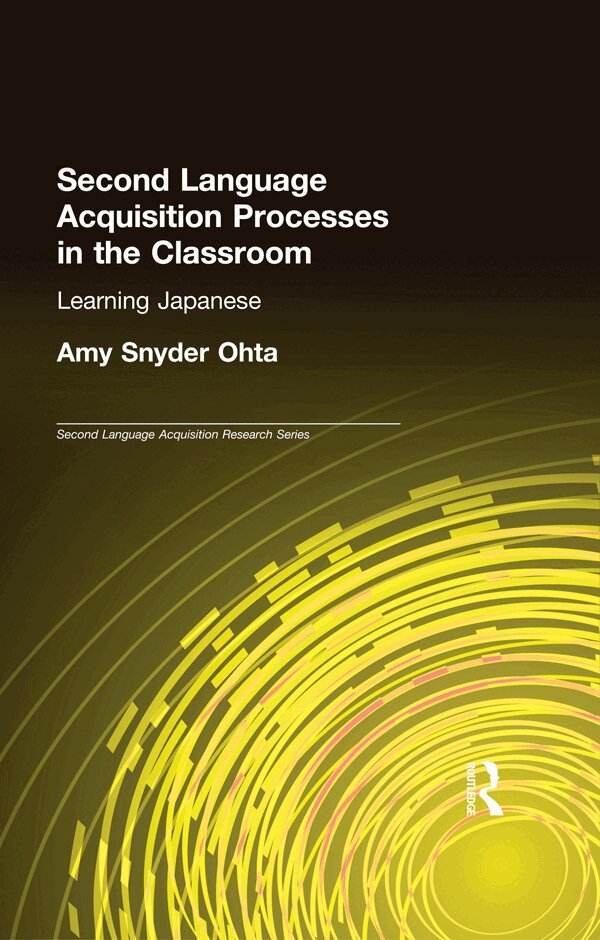
This book is the first study to examine how interactional style develops within the walls of a foreign language classroom in the first two years of language study. Results show learners to be highly sensitive to pragmatic information and that learners can move toward an appropriate interactional style through classroom interactive experience. The book shows how learners are most often sources who offer assistance and correction, with errors serving most often to stimulate further thinking about what form is correct. Analysis shows learners to be active in seeking corrective information in the classroom setting, not only from peer partners but also from the teacher. They are active in noticing how the teacher's utterances--even when addressed to others--contrast with their own, and utilize corrective feedback intended for other students. In addition, the results show that teacher-initiated corrective feedback addressed to individual learners is only one source of corrective feedback. Learners are shown to be active in both teacher-fronted and peer interactive settings. In newer L2 teaching methodologies which focus on the use of peer interactive tasks, the teacher's role has been de-emphasized. This book, however, shows how important the teacher's role is. The final chapter examines how the teacher can act to maximize the benefits of peer interactive tasks through how they design tasks and present them to the class. First, the chapter looks at how learners use English--their L1--in the classroom, concluding that how teachers present activities to the class has an impact on the amount of L1 used by students during peer interaction. Following up on this finding, the chapter works to address questions that teachers face in lesson planning and teaching. It presents a useful list of questions teachers can ask when designing peer interactive tasks in order to maximize the effectiveness of a wide variety of language learning tasks.
744 kr
Skickas inom 10-15 vardagar
This book is the first study to examine how interactional style develops within the walls of a foreign language classroom in the first two years of language study. Results show learners to be highly sensitive to pragmatic information and that learners can move toward an appropriate interactional style through classroom interactive experience. The book shows how learners are most often sources who offer assistance and correction, with errors serving most often to stimulate further thinking about what form is correct. Analysis shows learners to be active in seeking corrective information in the classroom setting, not only from peer partners but also from the teacher. They are active in noticing how the teacher's utterances--even when addressed to others--contrast with their own, and utilize corrective feedback intended for other students. In addition, the results show that teacher-initiated corrective feedback addressed to individual learners is only one source of corrective feedback. Learners are shown to be active in both teacher-fronted and peer interactive settings. In newer L2 teaching methodologies which focus on the use of peer interactive tasks, the teacher's role has been de-emphasized. This book, however, shows how important the teacher's role is. The final chapter examines how the teacher can act to maximize the benefits of peer interactive tasks through how they design tasks and present them to the class. First, the chapter looks at how learners use English--their L1--in the classroom, concluding that how teachers present activities to the class has an impact on the amount of L1 used by students during peer interaction. Following up on this finding, the chapter works to address questions that teachers face in lesson planning and teaching. It presents a useful list of questions teachers can ask when designing peer interactive tasks in order to maximize the effectiveness of a wide variety of language learning tasks.
2 291 kr
Skickas inom 10-15 vardagar
This is a showcase of the recent developments in Japanese Applied Linguistics.This book showcases recent developments in the field of Japanese Applied Linguistics. It covers a wide range of current issues and influential theoretical and methodological frameworks, many of which are of concern not only for Japanese specialists but also applied linguists in general. At the same time, the book provides empirical studies that exemplify how these issues and frameworks manifest themselves in contexts that surround first and second language speakers of Japanese. The book is divided into four sections. The first examines language in action, providing a close analysis of language as it is used in interactions between speakers. The second section looks at sociological diversity in Japanese speakers, considering factors such as gender, age, or background. Section three explores how globalization has affected Japanese language use and acquisition. The final section reflects on classroom teaching of Japanese language and culture.This comprehensive, in-depth study will be useful for researchers and graduate students in both applied linguistics and Japanese linguistics.
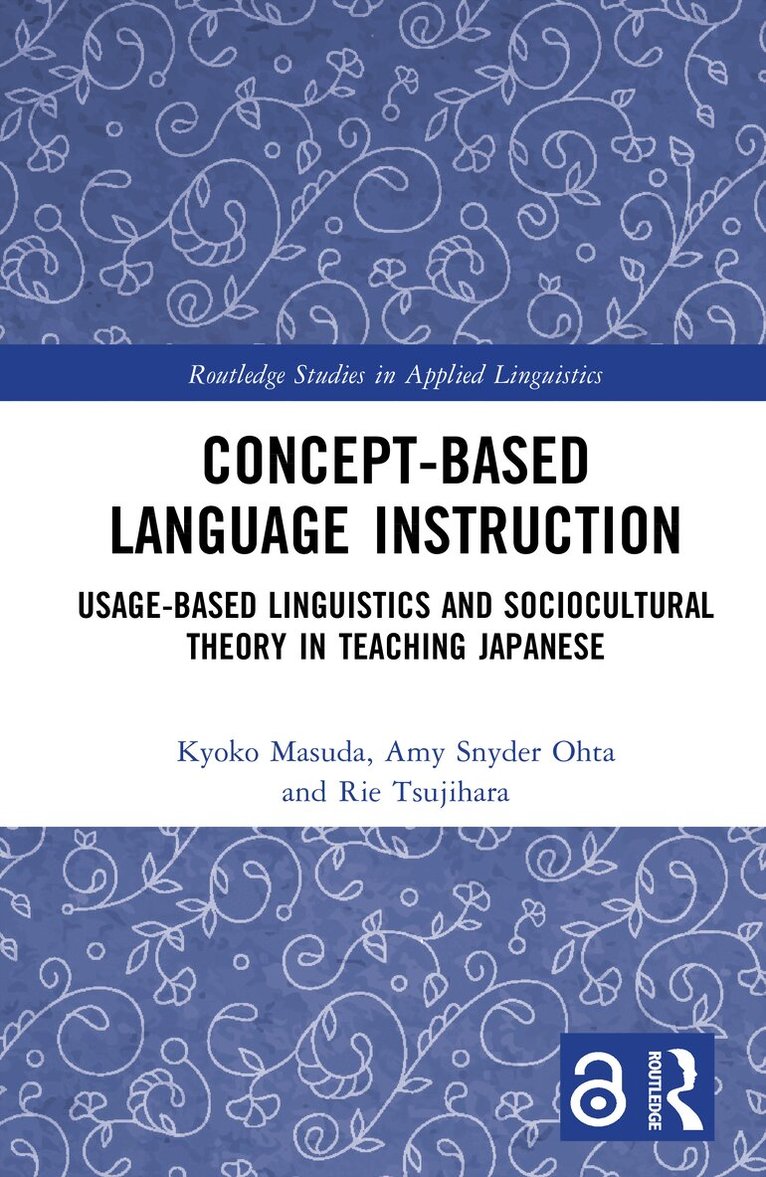
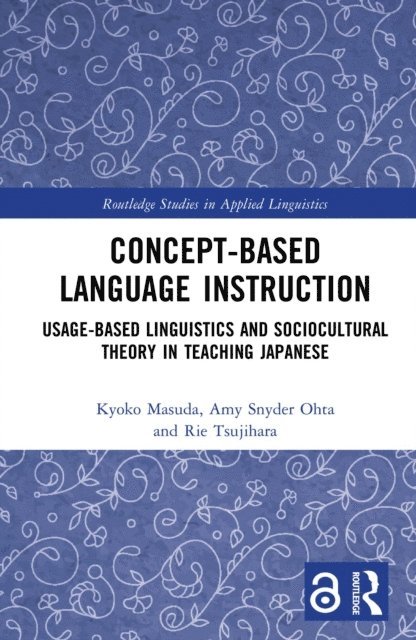
Concept-based Language Instruction
Usage-based Linguistics and Sociocultural Theory in Teaching Japanese
Inbunden, Engelska, 2025
2 162 kr
Skickas inom 10-15 vardagar
This volume showcases how concept-based language instruction (C-BLI) can be effectively integrated into foreign language instruction.C-BLI is grounded in the relationship between theory, research, and practice, incorporating visual aids called SCOBAs (schemas for a complete orientating basis of action) designed to teach accurate scientific concepts. SCOBAs materialize L2 usage-based linguistic and cultural concepts to create tools that promote conceptual understanding and internalization. Three overview chapters lay out the book’s sociocultural theoretic foundations, the role of mediation, usage-based linguistics, and the concept of subjective construal; internalization and its role in re-mediating the mind for L2 learning; and L2 pragmatics teaching and assessment. Subsequent chapters enact praxis via classroom research on C-BLI. Each study focuses on a difficult-to-acquire area of Japanese pragmatics and/or grammar, incorporating SCOBAs that teach core concepts; instruction moves from SCOBA-mediated interactive lecture to internalization tasks involving languaging to language practice. Each chapter concludes with a section for critical reflection to inform future research and materials design.With its focus on research-teaching connections via praxis elucidating the power of linking concept-based language instruction with usage-based linguistics, this book will interest students and scholars of second language acquisition, language teaching and learning, applied linguistics, Japanese, and Asian languages.Chapter 1 of this book is freely available as a downloadable Open Access PDF at http://www.taylorfrancis.com under a Creative Commons Attribution-Non Commercial-No Derivatives (CC-BY-NC-ND) 4.0 license.
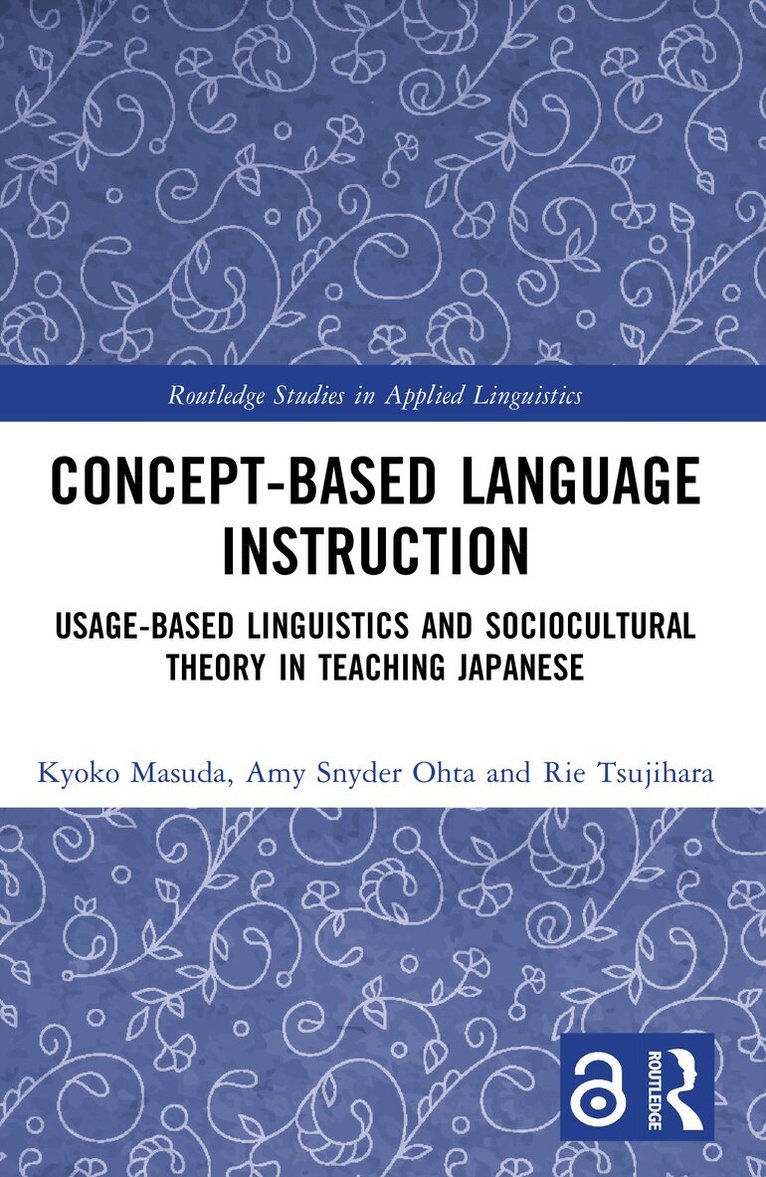
Concept-based Language Instruction
Usage-based Linguistics and Sociocultural Theory in Teaching Japanese
Häftad, Engelska, 2026
695 kr
Kommande
This volume showcases how concept-based language instruction (C-BLI) can be effectively integrated into foreign language instruction.C-BLI is grounded in the relationship between theory, research, and practice, incorporating visual aids called SCOBAs (schemas for a complete orientating basis of action) designed to teach accurate scientific concepts. SCOBAs materialize L2 usage-based linguistic and cultural concepts to create tools that promote conceptual understanding and internalization. Three overview chapters lay out the book’s sociocultural theoretic foundations, the role of mediation, usage-based linguistics, and the concept of subjective construal; internalization and its role in re-mediating the mind for L2 learning; and L2 pragmatics teaching and assessment. Subsequent chapters enact praxis via classroom research on C-BLI. Each study focuses on a difficult-to-acquire area of Japanese pragmatics and/or grammar, incorporating SCOBAs that teach core concepts; instruction moves from SCOBA-mediated interactive lecture to internalization tasks involving languaging to language practice. Each chapter concludes with a section for critical reflection to inform future research and materials design.With its focus on research-teaching connections via praxis elucidating the power of linking concept-based language instruction with usage-based linguistics, this book will interest students and scholars of second language acquisition, language teaching and learning, applied linguistics, Japanese, and Asian languages.Chapter 1 of this book is freely available as a downloadable Open Access PDF at http://www.taylorfrancis.com under a Creative Commons Attribution-Non Commercial-No Derivatives (CC-BY-NC-ND) 4.0 license.
544 kr
Skickas inom 10-15 vardagar
"This book showcases recent developments in the field of Japanese applied linguistics. It covers a wide range of current issues and influential theoretical and methodological frameworks, many of which are of concern not only for Japanese specialists but also applied linguists in general. At the same time, the book provides empirical studies that exemplify how these issues and frameworks manifest themselves in contexts that surround first and second language speakers of Japanese. The book is divided into four sections. The first examines language in action, providing a close analysis of language as it is used in interactions between speakers. The second section looks at sociological diversity in Japanese speakers, considering factors such as gender, age, or background. Section three explores how globalization has affected Japanese language use and acquisition. The final section reflects on classroom teaching of Japanese language and culture. This comprehensive, in-depth study will be useful for researchers and graduate students in both applied linguistics and Japanese linguistics. "