A.N. Sharkovsky – författare
Visar alla böcker från författaren A.N. Sharkovsky. Handla med fri frakt och snabb leverans.
6 produkter
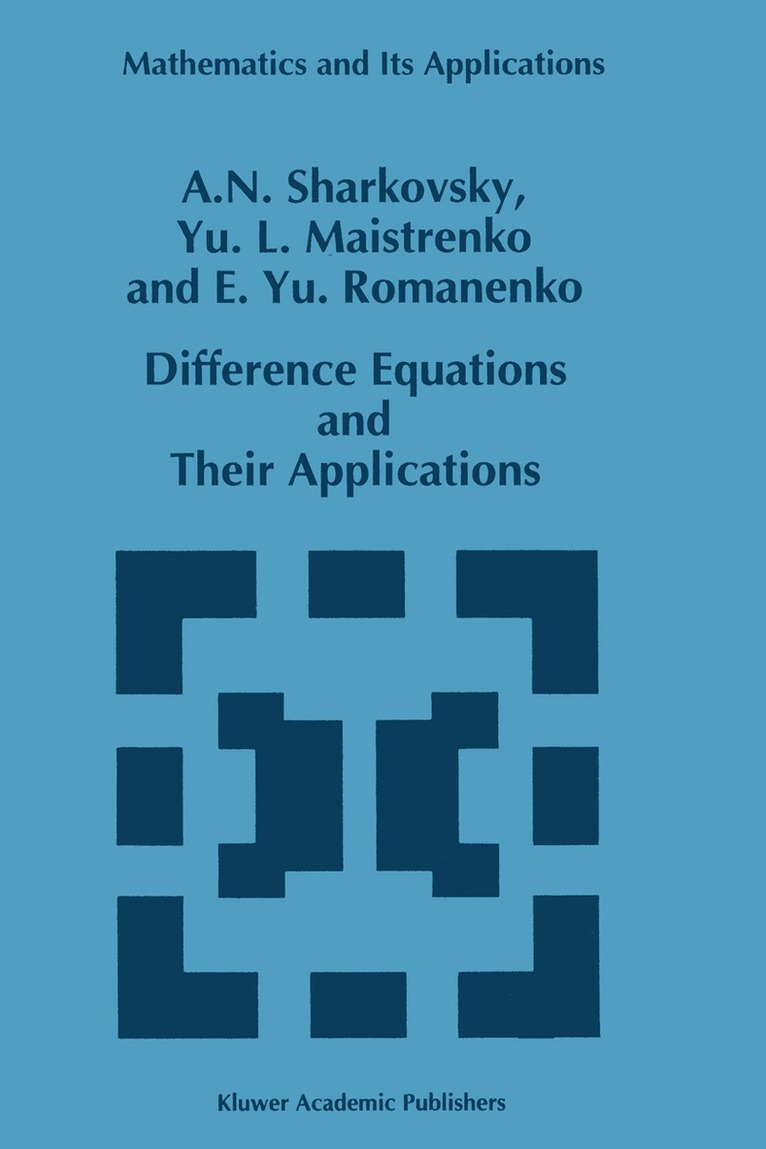
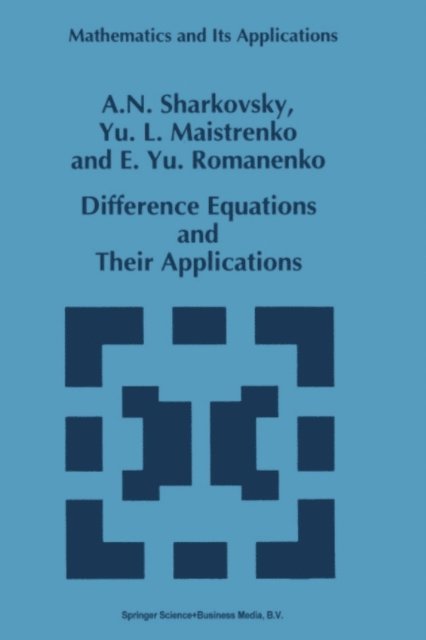
Difference Equations and Their Applications
Av A.N. Sharkovsky, Y. L. Maistrenko m. fl.
Inbunden, 1993
1098 kr
Lägg i varukorg
The theory of difference equations is now enjoying a period of Renaissance. Witness the large number of papers in which problems, having at first sight no common features, are reduced to the investigation of subsequent iterations of the maps f· IR. m ~ IR. m, m > 0, or (which is, in fact, the same) …
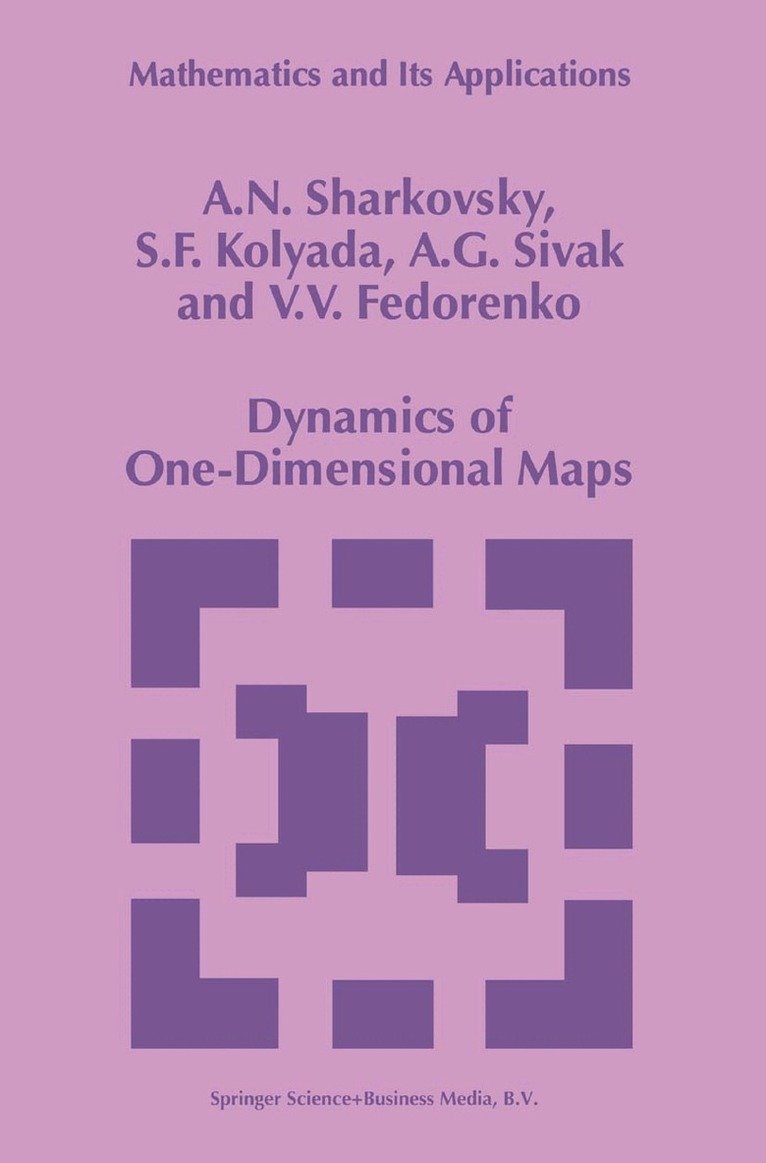
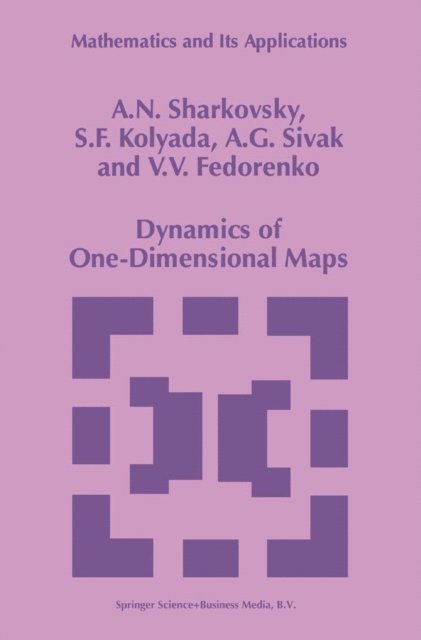
Dynamics of One-Dimensional Maps
Av A.N. Sharkovsky, S.F. Kolyada m. fl.
Inbunden, 1997
552 kr
Lägg i varukorg
maps whose topological entropy is equal to zero (i.e., maps that have only cyeles of pe 2 riods 1,2,2 , ... ) are studied in detail and elassified. Various topological aspects of the dynamics of unimodal maps are studied in Chap ter 5. We analyze the distinctive features of the limiting behavior …
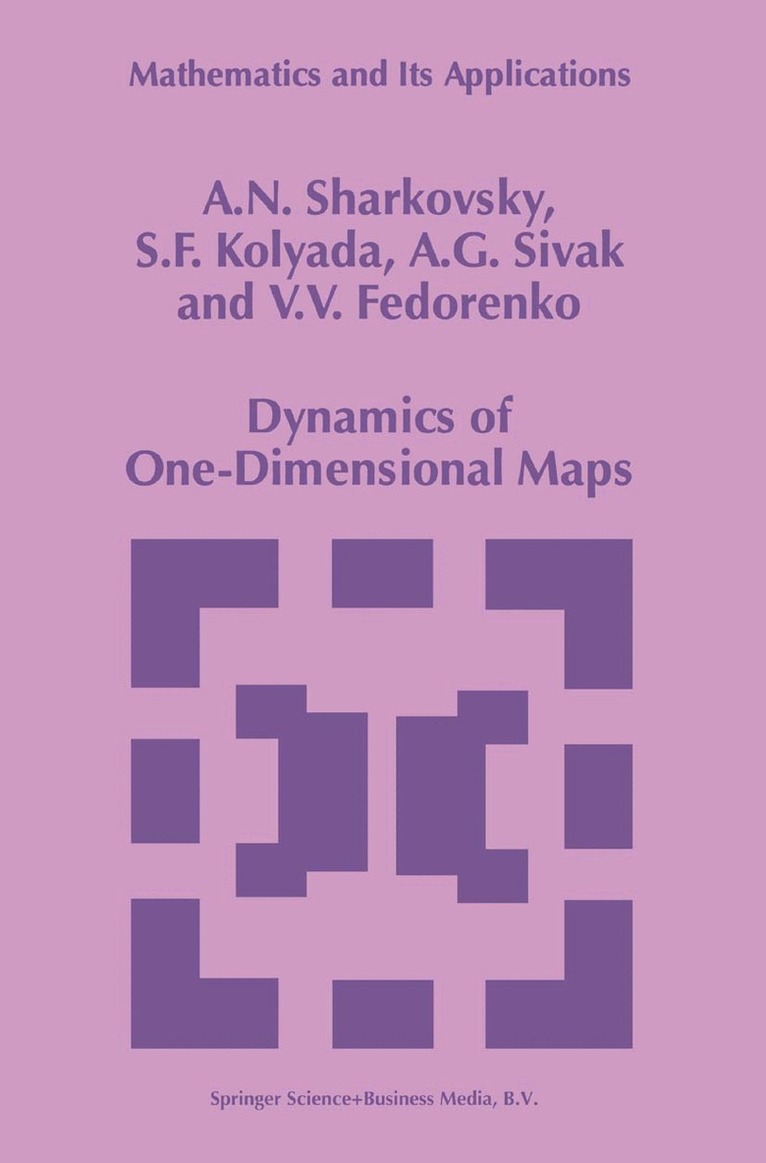
Dynamics of One-Dimensional Maps
Av A.N. Sharkovsky, S.F. Kolyada m. fl.
Häftad, 2010
552 kr
Lägg i varukorg
maps whose topological entropy is equal to zero (i.e., maps that have only cyeles of pe 2 riods 1,2,2 , ... ) are studied in detail and elassified. Various topological aspects of the dynamics of unimodal maps are studied in Chap ter 5. We analyze the distinctive features of the limiting behavior …
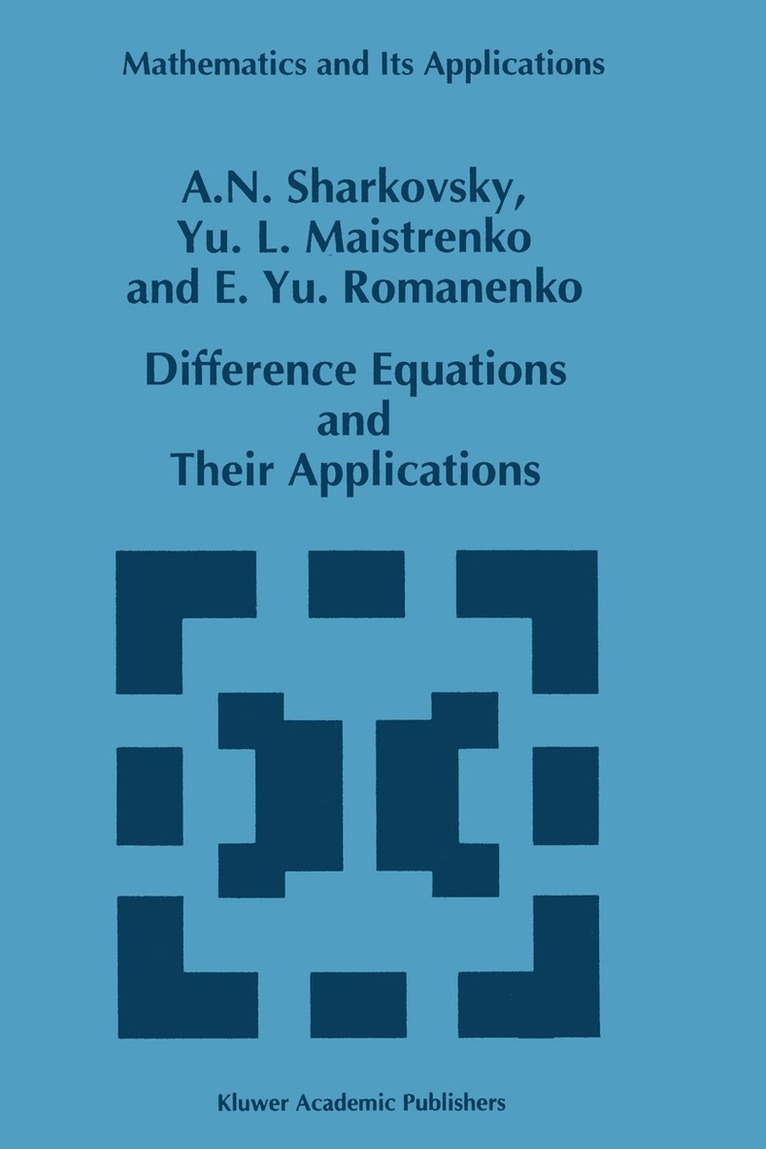
Difference Equations and Their Applications
Av A.N. Sharkovsky, Y. L. Maistrenko m. fl.
Häftad, 2012
1098 kr
Lägg i varukorg
The theory of difference equations is now enjoying a period of Renaissance. Witness the large number of papers in which problems, having at first sight no common features, are reduced to the investigation of subsequent iterations of the maps f· IR. m ~ IR. m, m > 0, or (which is, in fact, the same) …
Difference Equations and Their Applications
Av E.Yu Romanenko, Y. L. Maistrenko m. fl.
E-bok, 2012
1459 kr
Lägg i varukorg
The theory of difference equations is now enjoying a period of Renaissance. Witness the large number of papers in which problems, having at first sight no common features, are reduced to the investigation of subsequent iterations of the maps f· IR. m ~ IR. m, m > 0, or (which is, in fact, the same) …
Dynamics of One-Dimensional Maps
Av V.V. Fedorenko, A.G. Sivak m. fl.
E-bok, 2013
734 kr
Lägg i varukorg
maps whose topological entropy is equal to zero (i.e., maps that have only cyeles of pe 2 riods 1,2,2 , ... ) are studied in detail and elassified. Various topological aspects of the dynamics of unimodal maps are studied in Chap ter 5. We analyze the distinctive features of the limiting behavior …