Ana E. Schaposchnik - Böcker
Visar alla böcker från författaren Ana E. Schaposchnik. Handla med fri frakt och snabb leverans.
2 produkter
2 produkter
704 kr
Skickas inom 10-15 vardagar
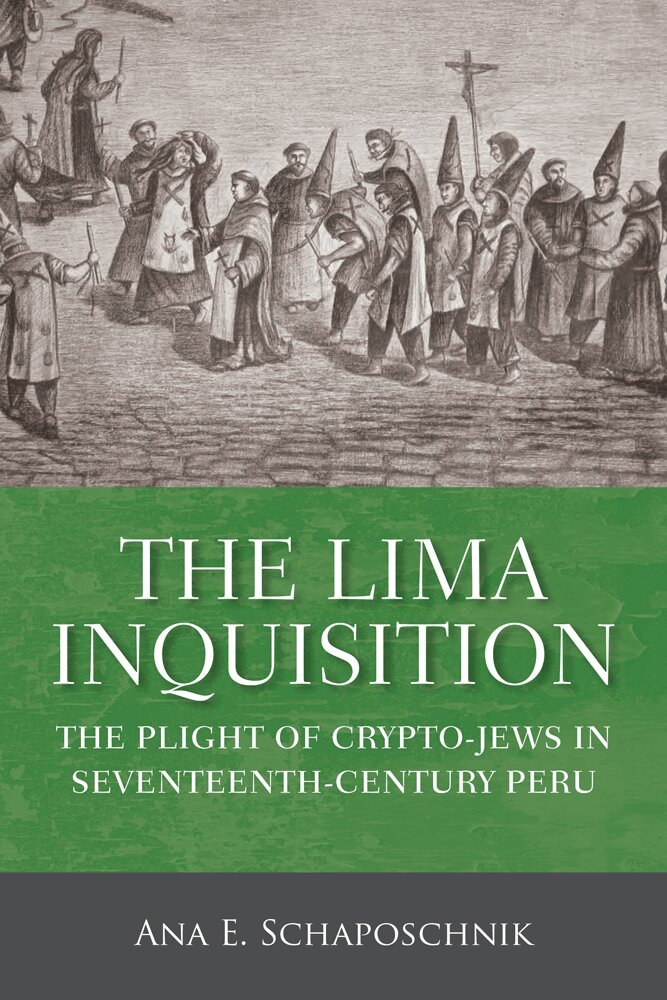
The Holy Office of the Inquisition (a royal tribunal that addressed issues of heresy and offenses to morality) was established in Peru in 1570 and operated there until 1820. In this book, Ana E. Schaposchnik provides a deeply researched history of the Inquisition’s Lima Tribunal, focusing in particular on the cases of persons put under trial for crypto-Judaism in Lima during the 1600s.Delving deeply into the records of the Lima Tribunal, Schaposchnik brings to light the experiences and perspectives of the prisoners in the cells and torture chambers, as well as the regulations and institutional procedures of the inquisitors. She looks closely at how the lives of the accused—and in some cases the circumstances of their deaths—were shaped by actions of the Inquisition on both sides of the Atlantic. She explores the prisoners’ lives before and after their incarcerations and reveals the variety and character of prisoners’ religiosity, as portrayed in the Inquisition’s own sources. She also uncovers individual and collective strategies of the prisoners and their supporters to stall trials, confuse tribunal members, and attempt to ameliorate or at least delay the most extreme effects of the trial of faith.The Lima Inquisition also includes a detailed analysis of the 1639 Auto General de Fe ceremony of public penance and execution, tracing the agendas of individual inquisitors, the transition that occurred when punishment and surveillance were brought out of hidden dungeons and into public spaces, and the exposure of the condemned and their plight to an avid and awestricken audience. Schaposchnik contends that the Lima Tribunal’s goal, more than volume or frequency in punishing heretics, was to discipline and shape culture in Peru.
235 kr
Skickas inom 10-15 vardagar
Established in Peru in 1570, the Holy Office of the Inquisition operated there until 1820, prosecuting, torturing, and sentencing alleged heretics. Ana Schaposchnik offers a deeply researched history of the Inquisition's tribunal in the capital city of Lima, with a focus on cases of crypto-Judaism—the secret adherence to Judaism while publicly professing Christianity. Delving into the records of the tribunal, Schaposchnik brings to light the experiences of individuals on both sides of the process. Some prisoners, she discovers, developed a limited degree of agency as they managed to stall trials or mitigate the most extreme punishments. Training her attention on the accusers, Schaposchnik uncovers the agendas of specific inquisitors in bringing the condemned from the dungeons to the 1639 Auto General de Fe ceremony of public penance and execution. Through this fine-grained study of the tribunal's participants, Schaposchnik finds that the Inquisition sought to discipline and shape culture not so much through frequency of trials or number of sentences as through the potency of individual examples.