András Máté-Tóth – författare
Visar alla böcker från författaren András Máté-Tóth. Handla med fri frakt och snabb leverans.
11 produkter
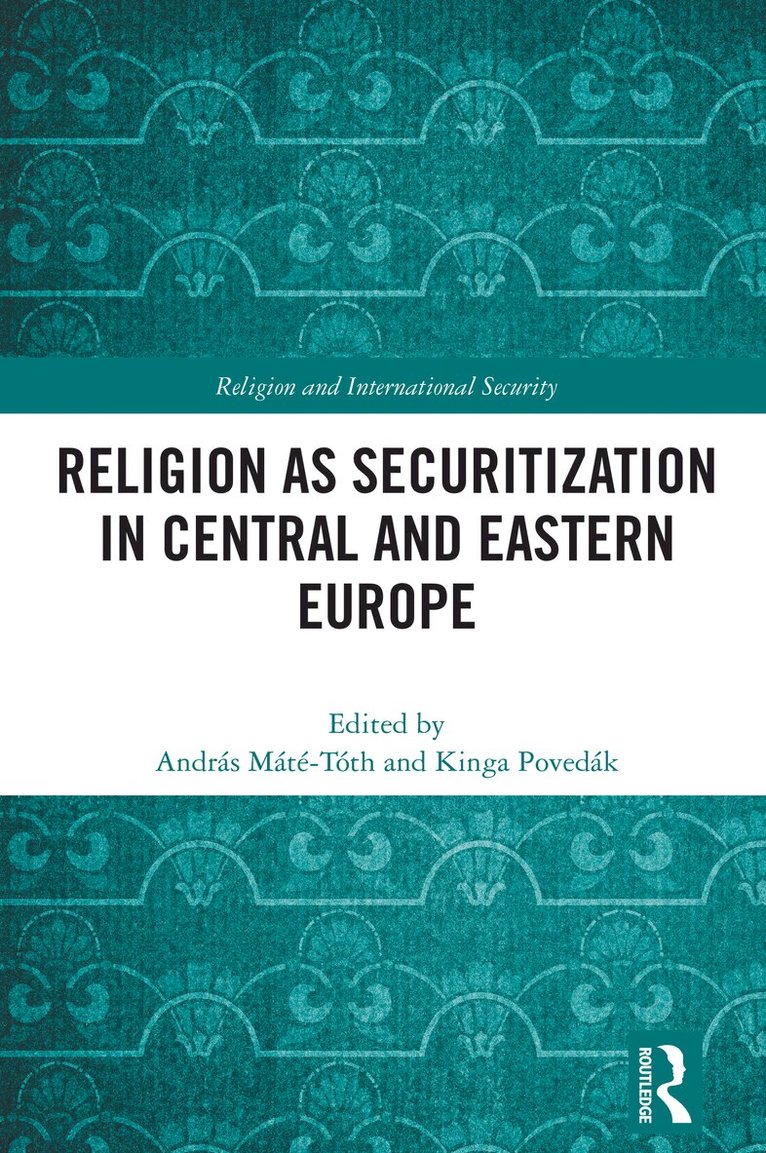
Religion as Securitization in Central and Eastern Europe
Av András Máté-Tóth, Kinga Povedák
Inbunden, 2024
2519 kr
Lägg i varukorg
Religion as Securitization in Central and Eastern Europe examines the significance of securitization theory as a reference point in understanding current religious, socio-cultural, and political processes in Central and Eastern Europe (CEE).It explores contemporary social processes and discourses …
Religion as Securitization in Central and Eastern Europe
Av András Máté-Tóth, Kinga Povedák
Häftad, 2026
664 kr
Lägg i varukorg
Religion as Securitization in Central and Eastern Europe examines the significance of securitization theory as a reference point in understanding current religious, socio-cultural, and political processes in Central and Eastern Europe (CEE).It explores contemporary social processes and discourses …
Religion as Securitization in Central and Eastern Europe
Av Kinga Povedak, Andras Mate-Toth
E-bok, 2024
813 kr
Lägg i varukorg
Religion as Securitization in Central and Eastern Europe examines the significance of securitization theory as a reference point in understanding current religious, socio-cultural, and political processes in Central and Eastern Europe (CEE). It explores contemporary social processes and discourses …
Religion as Securitization in Central and Eastern Europe
Av Kinga Povedak, Andras Mate-Toth
E-bok, 2024
813 kr
Lägg i varukorg
Religion as Securitization in Central and Eastern Europe examines the significance of securitization theory as a reference point in understanding current religious, socio-cultural, and political processes in Central and Eastern Europe (CEE). It explores contemporary social processes and discourses …
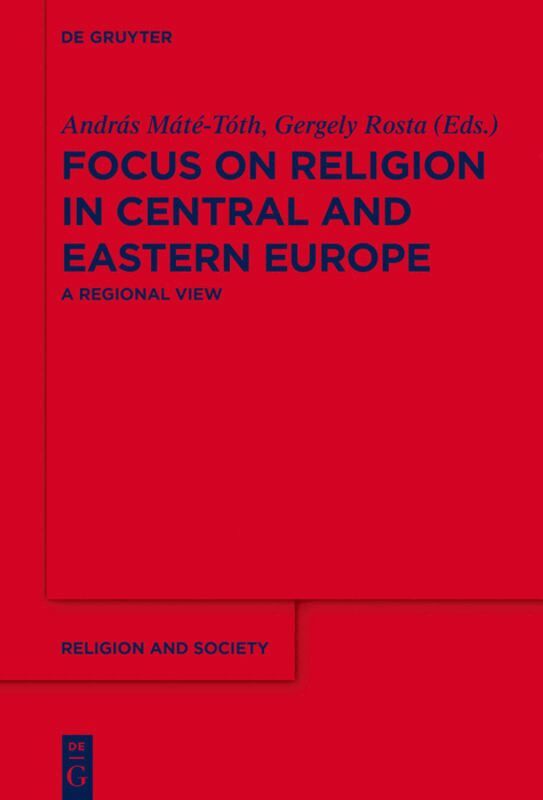
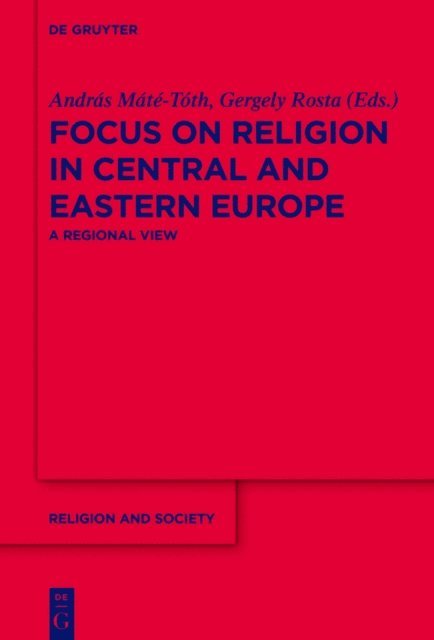
Focus on Religion in Central and Eastern Europe
A Regional View
Av András Máté-Tóth, Gergely Rosta
Inbunden, 2016
1432 kr
Lägg i varukorg
Different religious groups in Central and Eastern Europe influenced societies in the region after the fall of Communism and continue to play a crucial role in culture, politics, social networks and value transformations. As part of the REVACERN (Religion and Values in Central and Eastern Europe …
Focus on Religion in Central and Eastern Europe
A Regional View
Av Gergely Rosta, Andras Mate-Toth
E-bok, 2016
1448 kr
Lägg i varukorg
Different religious groups in Central and Eastern Europe influenced societies in the region after the fall of Communism and continue to play a crucial role in culture, politics, social networks and value transformations. As part of the REVACERN (Religion and Values in Central and Eastern Europe …
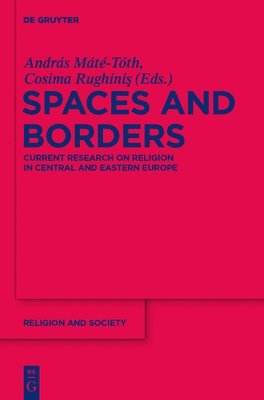
Spaces and Borders
Current Research on Religion in Central and Eastern Europe
Av András Máté-Tóth, Cosima Rughinis
Inbunden, 2011
1612 kr
Lägg i varukorg
People observe and transgress religious borders when they relate with faith and other faiths, when they shape communities, when they make decisions. A group of researchers have joined an inquiry into the forces of religious closure and openness in present-day Central and Eastern Europe. The volume …
Spaces and Borders
Current Research on Religion in Central and Eastern Europe
Av Cosima Rughinis, Andras Mate-Toth
E-bok, 2011
1626 kr
Lägg i varukorg
People observe and transgress religious borders when they relate with faith and other faiths, when they shape communities, when they make decisions. A group of researchers have joined an inquiry into the forces of religious closure and openness in present-day Central and Eastern Europe. The volume …
Focus on Religion in Central and Eastern Europe
A Regional View
Av Gergely Rosta, Andras Mate-Toth
E-bok, 2016
1448 kr
Lägg i varukorg
Different religious groups in Central and Eastern Europe influenced societies in the region after the fall of Communism and continue to play a crucial role in culture, politics, social networks and value transformations. As part of the REVACERN (Religion and Values in Central and Eastern Europe …
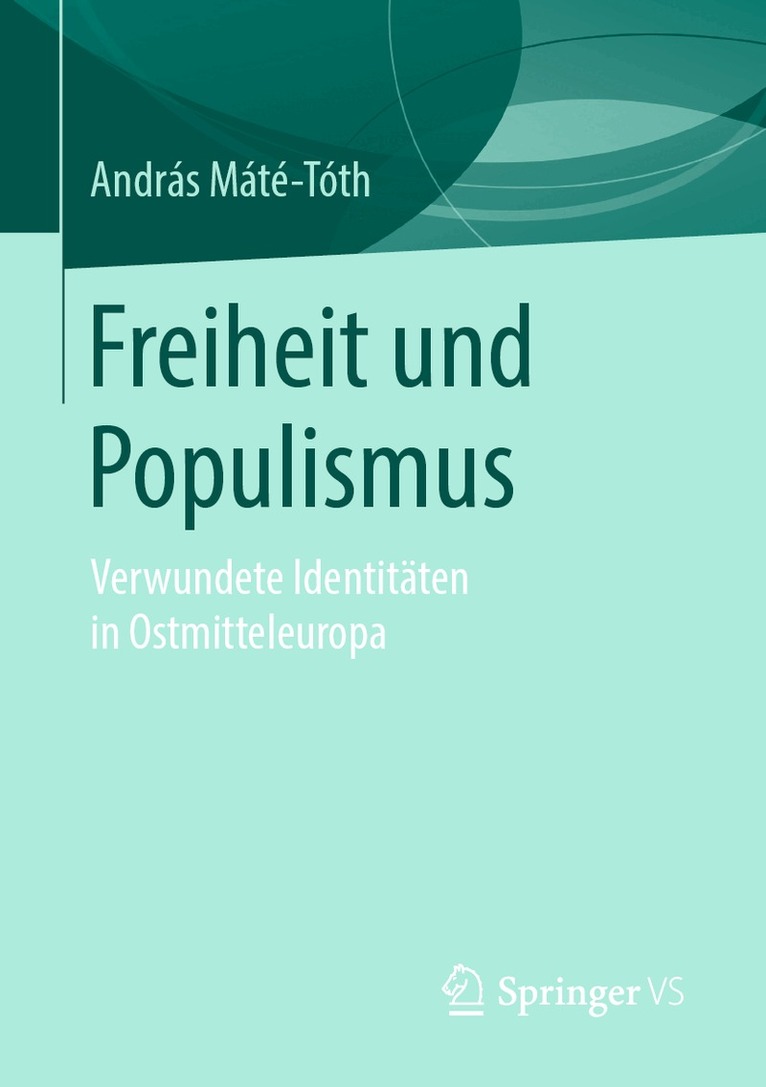
Freiheit und Populismus
Verwundete Identitäten in Ostmitteleuropa
Häftad, 2019
466 kr
Lägg i varukorg
Ostmitteleuropa rückte nach dem Fall des Kommunismus in den Vordergrund der wirtschaftlichen und politischen Interessen. Die früheren Ostblockstaaten versuchten ihre Unabhängigkeit zu verifizieren, viele neuen Staaten entstanden, Europa wurde bunter, damit auch komplizierter. Die Zweiteilung …
Freiheit und Populismus
Verwundete Identitäten in Ostmitteleuropa
E-bok, 2019
489 kr
Lägg i varukorg
Ostmitteleuropa rückte nach dem Fall des Kommunismus in den Vordergrund der wirtschaftlichen und politischen Interessen. Die früheren Ostblockstaaten versuchten ihre Unabhängigkeit zu verifizieren, viele neuen Staaten entstanden, Europa wurde bunter, damit auch komplizierter. Die Zweiteilung …