
André Veldmeijer – författare
Visar alla böcker från författaren . Handla med fri frakt och snabb leverans.
2 produkter
2 produkter
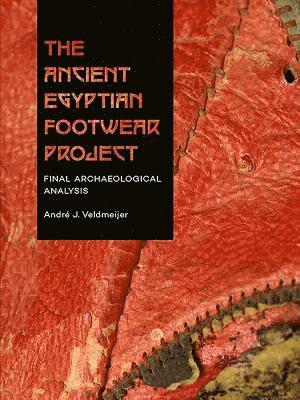
Häftad, Engelska, 2019
973 kr
Skickas inom 3-6 vardagar
The Ancient Egyptian Footwear Project (AEFP) is a multidisciplinary, ongoing research of footwear in ancient Egypt from the Predynastic through the Ottoman Periods. It consists of the study of actual examples of footwear, augmented by pictorial and textual evidence. This volume evaluates, summarises and discusses the results of the study of footwear carried out by the AEFP for the last 10 years (which includes the objects in the major collections in the world, such as the Egyptian Museum in Cairo, the British Museum in London and the Metropolitan Museum in New York, as well as from various excavations, such as Amarna, Elephantine and Dra Abu el-Naga). All published material is depicted and some previously unpublished material is added here. The work on physical examples of footwear has brought to light exciting new insights into ancient Egyptian technology and craftsmanship (including its development but also in the relationships of various footwear categories and their origin), establishing and refining the dating of technologies and styles of footwear, the diversity of footwear, provided a means of identification of provenance for unprovenanced examples, and the relationship between footwear and socio-economic status. The archaeometrical research has lead to the reinterpretation of ancient Egyptian words for various vegetal materials, such as papyrus.
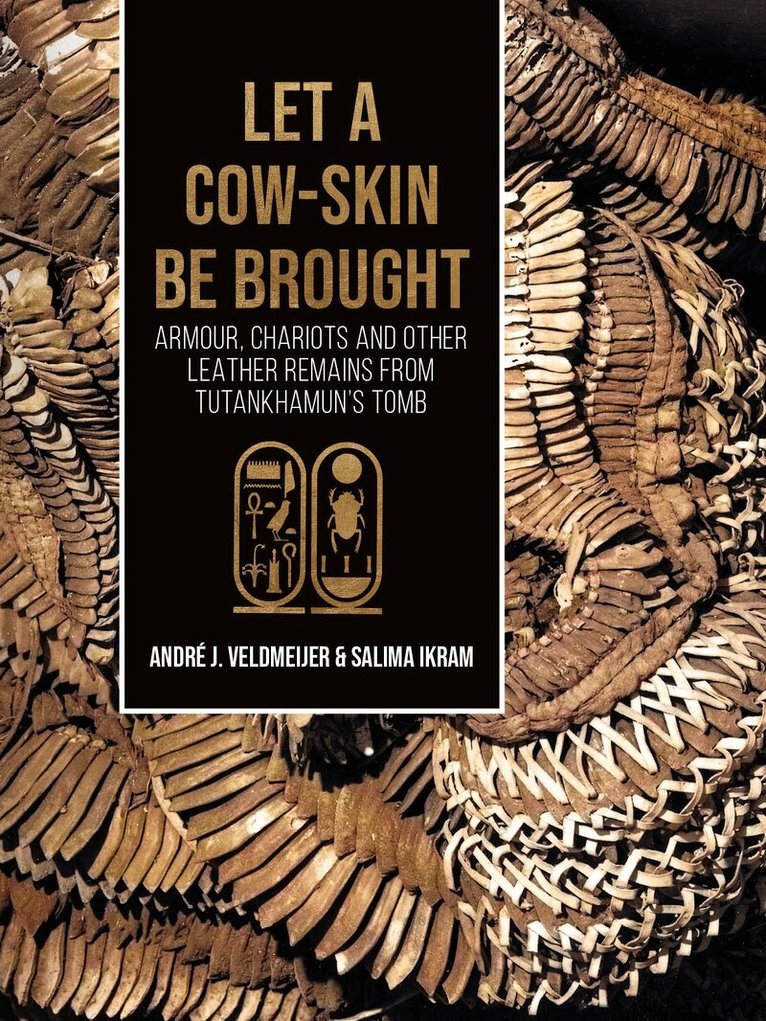
Häftad, Engelska, 2024
1 067 kr
Tillfälligt slut
One hundred years ago, Howard Carter, working for Lord Carnarvon, made one of the most important archaeological discoveries of all times in the Valley of the Kings (Luxor, Egypt): the nearly intact tomb of the Egyptian pharaoh Tutankhamun (ca. 1335-1325 BC). In addition to the king’s body, the tomb contained well over 5000 objects, which were recovered, conserved and recorded by Carter and his team. The fabulous treasures, such as the gold coffins, funerary mask, jewellery, as well as the six near complete chariots are well known. The tomb, however, yielded a wide variety of objects, both sacred and secular, including some that are less elaborately decorated with precious materials but which are, from a scientific point of view, perhaps even more interesting (and enigmatic). Many objects from the tomb still remain unstudied; those that have been published consist of specific groups, for example: thrones, chairs and stool; the bows; musical instruments; game boxes; the small gold shrine or the stone vessels. This work examines the tomb and its contents through an unusual lens: leather and other animal soft tissue products that were used in creating some of the tomb’s contents. Through a study of these artefacts, the reader is guided through the surprising and complex world of leatherworking in ancient Egypt, focussing on the numerous different objects from the tomb that are either made entirely from or include leather, such as the chariots and their accoutrements, weapons, gloves, as well as hitherto unpublished finds, as among which leatherworking tools. This approach offers new insights in ancient Egyptian technology as well as in the production and use of specific materials and objects. The findings are discussed in the wider framework of the development and organisation of the leather industry in New Kingdom Egypt.