Andrea Major - Böcker
Visar alla böcker från författaren Andrea Major. Handla med fri frakt och snabb leverans.
6 produkter
6 produkter
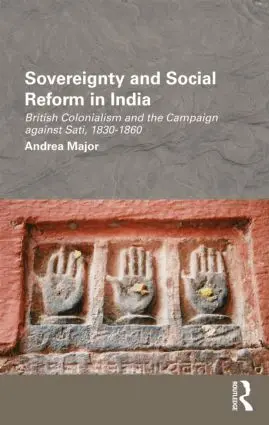
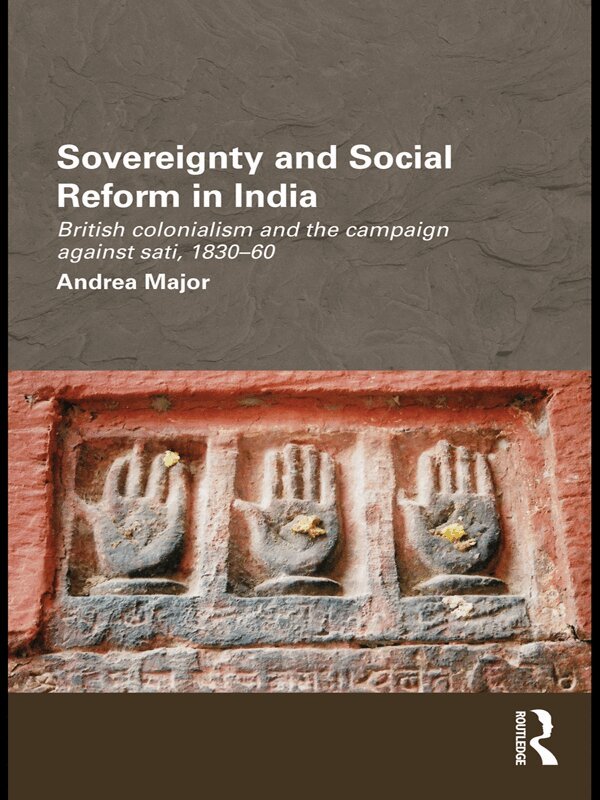
Sovereignty and Social Reform in India
British Colonialism and the Campaign against Sati, 1830-1860
Inbunden, Engelska, 2010
2 230 kr
Skickas inom 10-15 vardagar
The British prohibition of sati (the funeral practice of widow immolation) in 1829 has been considered an archetypal example of colonial social reform. It was not the end of the story, however, as between 1830 and 1860, British East India Company officials engaged in a debate with the Indian rulers of the Rajput and Maratha princely states of North West India about the prohibition and suppression of sati in their territories. This book examines the debates that brought about legislation in these areas, arguing that they were instrumental in setting the terms of post-colonial debates about sati, and more generally, in defining the parameters of British involvement in Indian social and religious issues. This book provides a reinterpretation of the major themes of sovereignty, authority and social reform in colonial South Asian history by examining the shifting pragmatic, political, moral and ideological forces which underpinned British policies on and attitudes to sati. The author illuminates the complex ways in which East India Company officials negotiated the limits of their own authority in India, their conceptions of nature and the extent of Indian princely sovereignty, and argues that and the so-called ‘civilising mission’ was often dependent on local circumstances and political expediencies rather than overarching imperial principles; the book also evaluates Indian responses to the supposed modernising Enlightenment discourse. This book will be of great interest to students and scholars of South Asian history as well as British colonial studies.
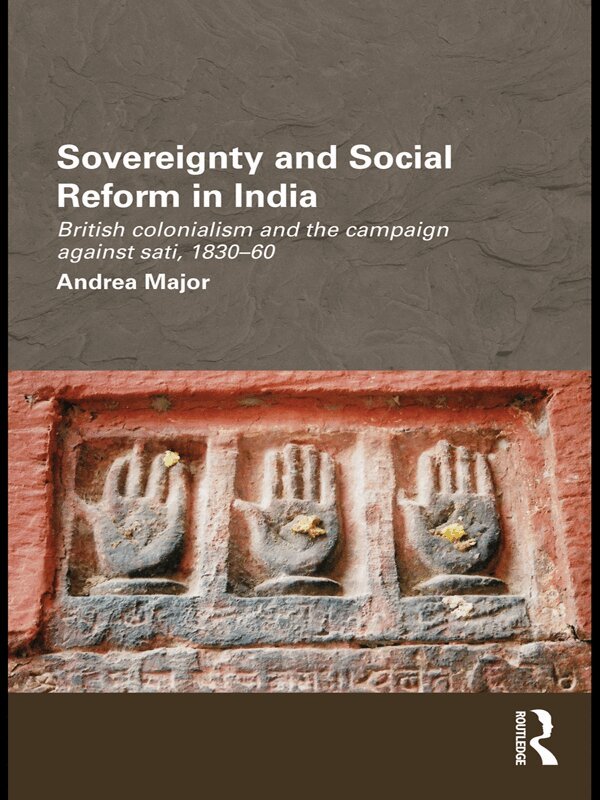
Sovereignty and Social Reform in India
British Colonialism and the Campaign against Sati, 1830-1860
Häftad, Engelska, 2015
694 kr
Skickas inom 10-15 vardagar
The British prohibition of sati (the funeral practice of widow immolation) in 1829 has been considered an archetypal example of colonial social reform. It was not the end of the story, however, as between 1830 and 1860, British East India Company officials engaged in a debate with the Indian rulers of the Rajput and Maratha princely states of North West India about the prohibition and suppression of sati in their territories. This book examines the debates that brought about legislation in these areas, arguing that they were instrumental in setting the terms of post-colonial debates about sati, and more generally, in defining the parameters of British involvement in Indian social and religious issues. This book provides a reinterpretation of the major themes of sovereignty, authority and social reform in colonial South Asian history by examining the shifting pragmatic, political, moral and ideological forces which underpinned British policies on and attitudes to sati. The author illuminates the complex ways in which East India Company officials negotiated the limits of their own authority in India, their conceptions of nature and the extent of Indian princely sovereignty, and argues that and the so-called ‘civilising mission’ was often dependent on local circumstances and political expediencies rather than overarching imperial principles; the book also evaluates Indian responses to the supposed modernising Enlightenment discourse. This book will be of great interest to students and scholars of South Asian history as well as British colonial studies.
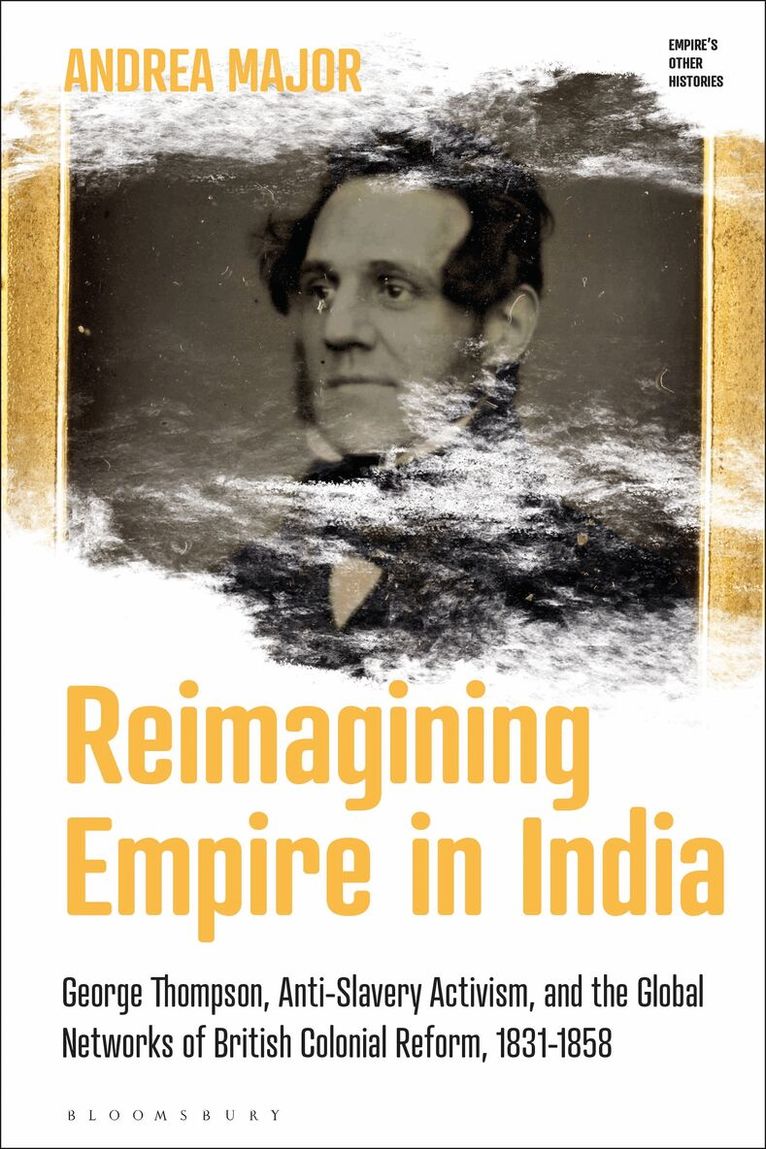
Reimagining Empire in India
George Thompson, Anti-Slavery Activism, and the Global Networks of British Colonial Reform, 1831-1858
Inbunden, Engelska, 2025
1 177 kr
Skickas inom 10-15 vardagar
This book explores debates about East India Company colonialism that took place on the lecture circuits of Britain, in the meeting houses of Calcutta, and at the Mughal court in Delhi in the late 1830s and 1840s. In the decades that followed the Emancipation Act (1833) British abolitionists and colonial philanthropists turned their attention to conditions across the empire, sometimes collaborating with colonised groups to challenge the impositions and iniquities of British colonial rule and sometimes prescribing their own vision of how an imperial relationship should look.This book uses the travels, experiences, and activism of anti-slavery lecturer and East India reformer George Thompson as a starting point for a wider exploration and reassessment of the ways in which Company rule in India was challenged in the decades before the Indian Uprising of 1857. An important organiser in the campaign for East India reform as the main spokesperson for the Aborigines Protection Society and a champion of the causes of Indian rulers such as Pratap Singh and Bahadur Shah Zafar, Thompson was also a flawed character. As a paid agent, he was remunerated for his activism and accusations of pecuniary self-interest were never far away. His story therefore offers important insights into the limitations of early anti-colonial sentiment, and the problems of cosmopolitan collaboration in colonial contexts. By exploring early Victorian debates about India’s commercial potential, role in the imperial labour market, and place within an increasingly interconnected post-emancipation empire, the book seeks to contextualise evolving ideas regarding Britain’s humanitarian responsibilities towards her ‘fellow subjects in the East’, and how these connected with, and were superseded by, nascent forms of Indian anti-colonialism, political protest, and civic activism.
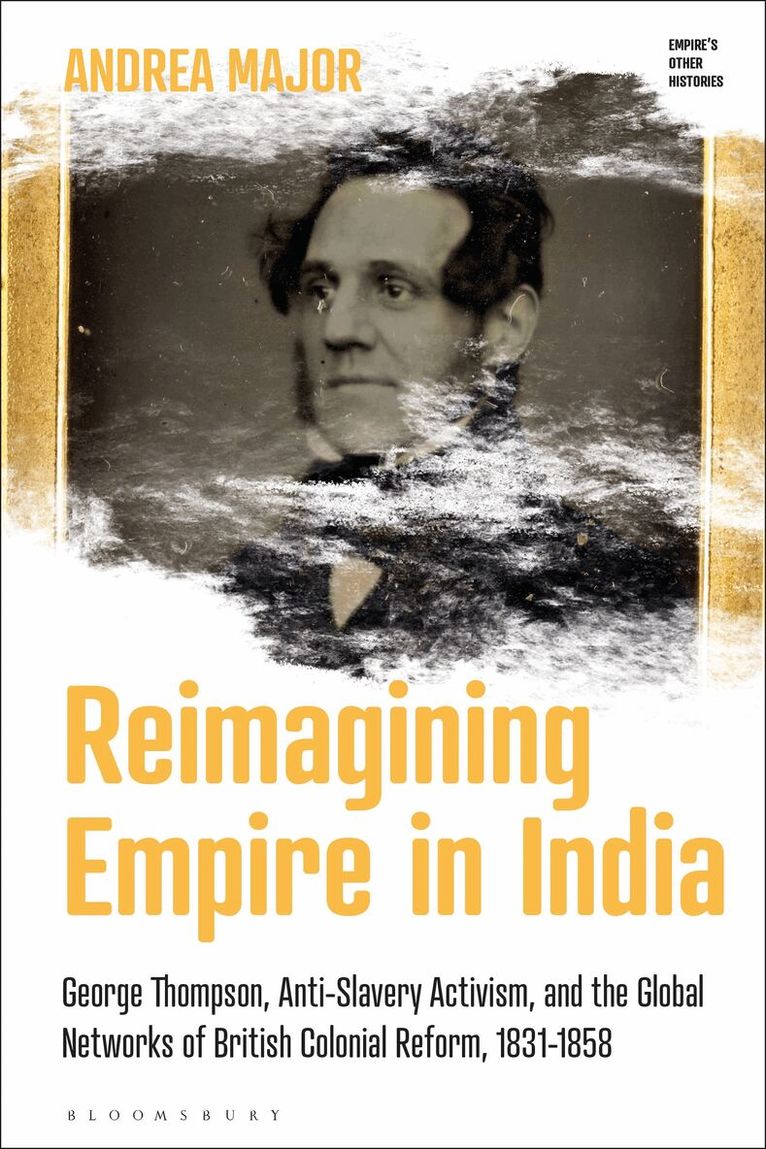
Reimagining Empire in India
George Thompson, Anti-Slavery Activism, and the Global Networks of British Colonial Reform, 1831-1858
Häftad, Engelska, 2026
499 kr
Kommande
This book explores debates about East India Company colonialism that took place on the lecture circuits of Britain, in the meeting houses of Calcutta, and at the Mughal court in Delhi in the late 1830s and 1840s. In the decades that followed the Emancipation Act (1833) British abolitionists and colonial philanthropists turned their attention to conditions across the empire, sometimes collaborating with colonised groups to challenge the impositions and iniquities of British colonial rule and sometimes prescribing their own vision of how an imperial relationship should look.This book uses the travels, experiences, and activism of anti-slavery lecturer and East India reformer George Thompson as a starting point for a wider exploration and reassessment of the ways in which Company rule in India was challenged in the decades before the Indian Uprising of 1857. An important organiser in the campaign for East India reform as the main spokesperson for the Aborigines Protection Society and a champion of the causes of Indian rulers such as Pratap Singh and Bahadur Shah Zafar, Thompson was also a flawed character. As a paid agent, he was remunerated for his activism and accusations of pecuniary self-interest were never far away. His story therefore offers important insights into the limitations of early anti-colonial sentiment, and the problems of cosmopolitan collaboration in colonial contexts. By exploring early Victorian debates about India’s commercial potential, role in the imperial labour market, and place within an increasingly interconnected post-emancipation empire, the book seeks to contextualise evolving ideas regarding Britain’s humanitarian responsibilities towards her ‘fellow subjects in the East’, and how these connected with, and were superseded by, nascent forms of Indian anti-colonialism, political protest, and civic activism.
Del 6 - Liverpool Studies in International Slavery
Slavery, Abolitionism and Empire in India, 1772–1843
Häftad, Engelska, 2014
518 kr
Skickas inom 7-10 vardagar
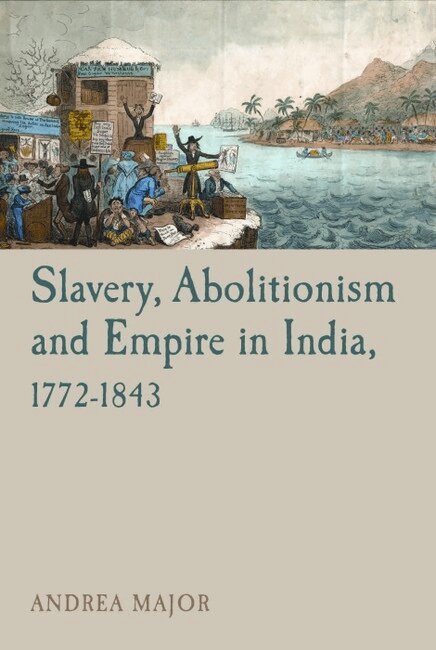
‘There are no two things in the world more different from each other than East-Indian and West Indian-slavery’ (Robert Inglis, House of Commons Debate, 1833).In Slavery, Abolitionism and Empire in India, 1772–1843, Andrea Major asks why, at a time when East India Company expansion in India, British abolitionism and the missionary movement were all at their height, was the existence of slavery in India so often ignored, denied or excused? By exploring Britain's ambivalent relationship with both real and imagined slaveries in India, and the official, evangelical and popular discourses which surrounded them, she seeks to uncover the various political, economic and ideological agendas that allowed East Indian slavery to be represented as qualitatively different from its trans-Atlantic counterpart. In doing so, she uncovers tensions in the relationship between colonial policy and the so-called 'civilising mission', elucidating the intricate interactions between humanitarian movements, colonial ideologies and imperial imperatives in the late eighteenth and early nineteenth century. The work draws on a range of sources from Britain and India to provide a trans-national perspective on this little known facet of the story of slavery and abolition in the British Empire, uncovering the complex ways in which Indian slavery was encountered, discussed, utilised, rationalised, and reconciled with the economic, political and moral imperatives of an empire whose focus was shifting to the East.
Del 6 - Liverpool Studies in International Slavery
Slavery, Abolitionism and Empire in India, 1772–1843
Inbunden, Engelska, 2012
1 906 kr
Skickas inom 7-10 vardagar
‘There are no two things in the world more different from each other than East-Indian and West Indian-slavery’ (Robert Inglis, House of Commons Debate, 1833).In Slavery, Abolitionism and Empire in India, 1772–1843, Andrea Major asks why, at a time when East India Company expansion in India, British abolitionism and the missionary movement were all at their height, was the existence of slavery in India so often ignored, denied or excused? By exploring Britain's ambivalent relationship with both real and imagined slaveries in India, and the official, evangelical and popular discourses which surrounded them, she seeks to uncover the various political, economic and ideological agendas that allowed East Indian slavery to be represented as qualitatively different from its trans-Atlantic counterpart. In doing so, she uncovers tensions in the relationship between colonial policy and the so-called 'civilising mission', elucidating the intricate interactions between humanitarian movements, colonial ideologies and imperial imperatives in the late eighteenth and early nineteenth century. The work draws on a range of sources from Britain and India to provide a trans-national perspective on this little known facet of the story of slavery and abolition in the British Empire, uncovering the complex ways in which Indian slavery was encountered, discussed, utilised, rationalised, and reconciled with the economic, political and moral imperatives of an empire whose focus was shifting to the East.