Andrea Salimbeti – författare
Visar alla böcker från författaren Andrea Salimbeti. Handla med fri frakt och snabb leverans.
22 produkter
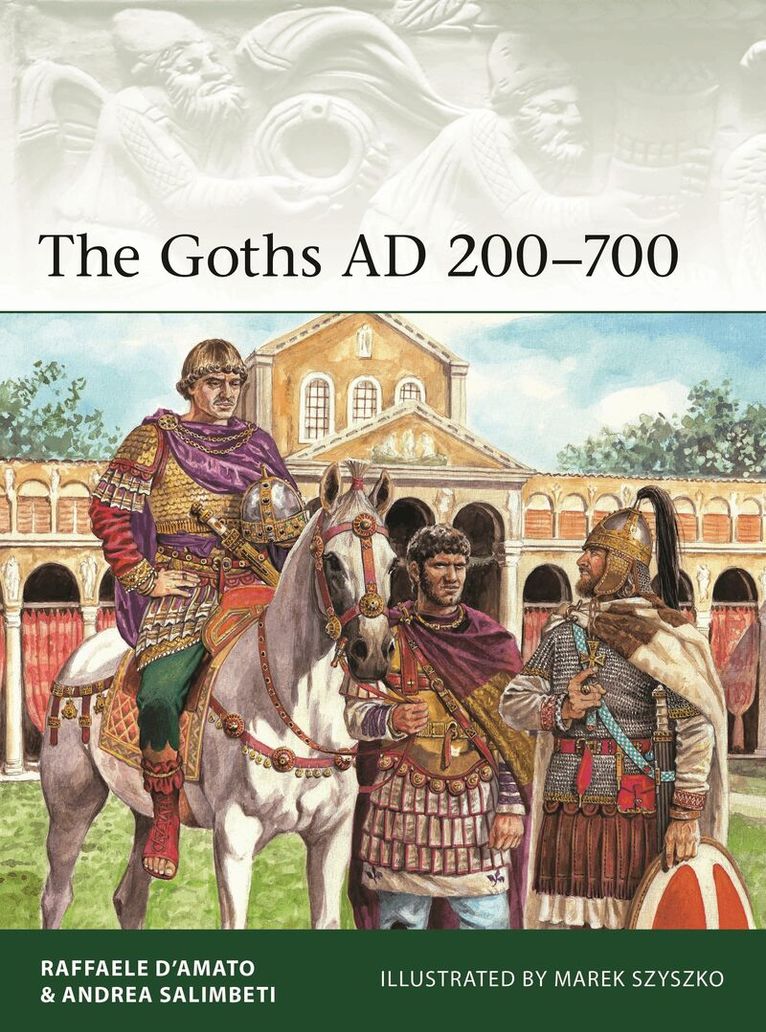
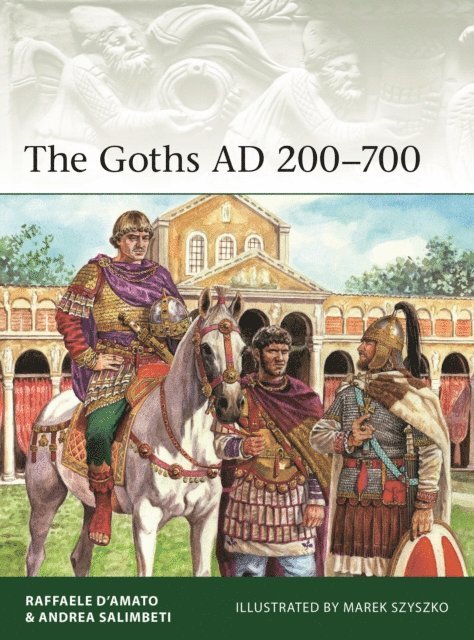
Goths AD 200–700
Av Raffaele D’Amato, Andrea Salimbeti
Häftad, 2025
183 kr
Lägg i varukorg
An illustrated study of Rome’s key enemies from the Late Principate and Dominate: the western Visigoths and the eastern Ostrogoths.The Goths were a Germanic people who, under pressure from the Huns, migrated during the 2nd century AD to the Balkans, where they split into the Visigoths to the west, …
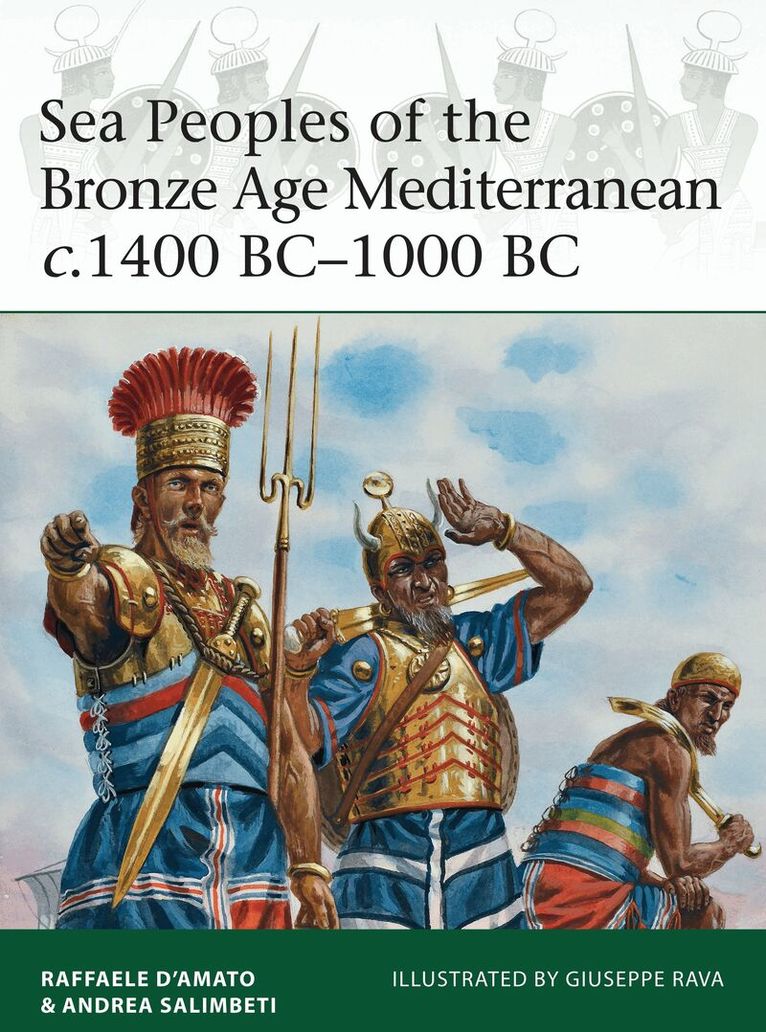
Sea Peoples of the Bronze Age Mediterranean c.1400 BC–1000 BC
Av Raffaele D’Amato, Andrea Salimbeti
Häftad, 2015
5,0 utav 5 stjärnor. Totalt antal röster: (1)
183 kr
Lägg i varukorg
This title features up-to-date historical and archaeological research into the mysterious and powerful confederations of raiders who troubled the Eastern Mediterranean in the last half of the Bronze Age.Research into the origins of the so-called Shardana, Shekelesh, Danuna, Lukka, Peleset and other …
Sea Peoples of the Bronze Age Mediterranean c.1400 BC–1000 BC
Av Raffaele D’Amato, Andrea Salimbeti
E-bok, 2015
210 kr
Lägg i varukorg
This title features up-to-date historical and archaeological research into the mysterious and powerful confederations of raiders who troubled the Eastern Mediterranean in the last half of the Bronze Age. Research into the origins of the so-called Shardana, Shekelesh, Danuna, Lukka, Peleset and …
Sea Peoples of the Bronze Age Mediterranean c.1400 BC–1000 BC
Av Raffaele D’Amato, Andrea Salimbeti
E-bok, 2015
214 kr
Lägg i varukorg
This title features up-to-date historical and archaeological research into the mysterious and powerful confederations of raiders who troubled the Eastern Mediterranean in the last half of the Bronze Age. Research into the origins of the so-called Shardana, Shekelesh, Danuna, Lukka, Peleset and …
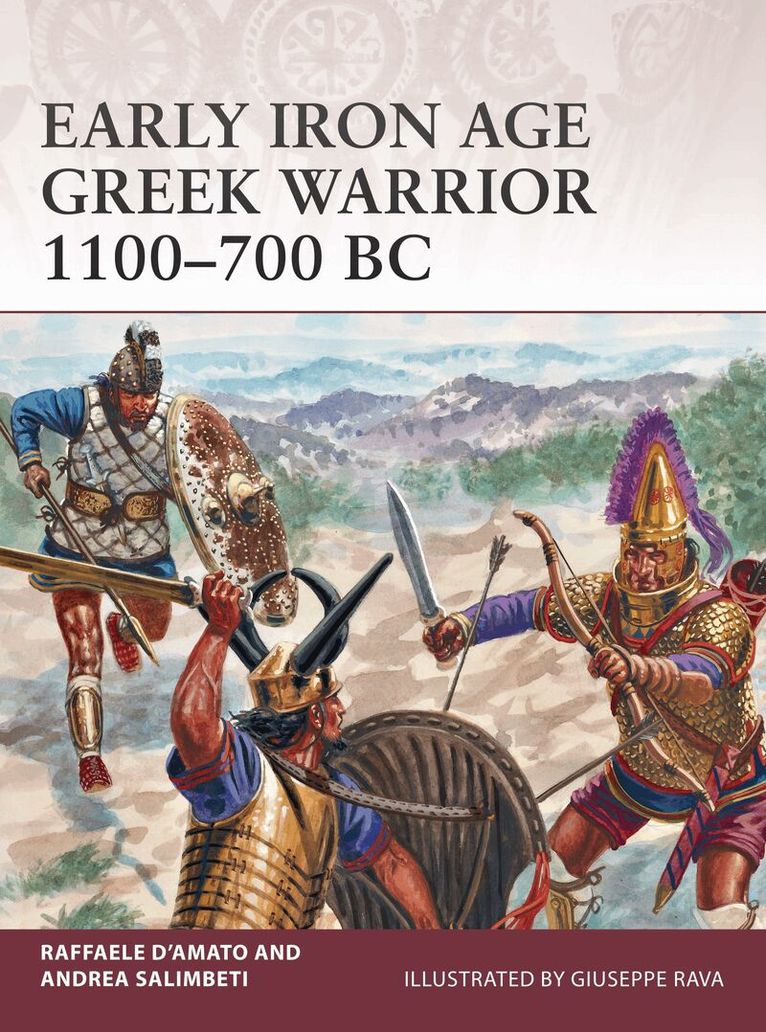
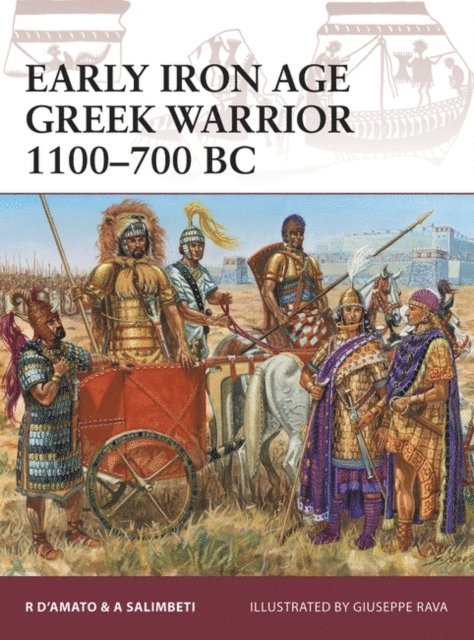
Early Iron Age Greek Warrior 1100–700 BC
Av Raffaele D’Amato, Andrea Salimbeti
Häftad, 2016
5,0 utav 5 stjärnor. Totalt antal röster: (1)
183 kr
Lägg i varukorg
The period from 1200 BC onwards saw vast changes in every aspect of life on both the Greek mainland and islands as monarchies disappeared and were replaced by aristocratic rule and a new form of community developed: the city-state.Alongside these changes a new style of warfare developed which was …
Early Iron Age Greek Warrior 1100–700 BC
Av Raffaele D’Amato, Andrea Salimbeti
E-bok, 2016
208 kr
Lägg i varukorg
The period from 1200 BC onwards saw vast changes in every aspect of life on both the Greek mainland and islands as monarchies disappeared and were replaced by aristocratic rule and a new form of community developed: the city-state. Alongside these changes a new style of warfare developed which was …
Early Iron Age Greek Warrior 1100–700 BC
Av Raffaele D’Amato, Andrea Salimbeti
E-bok, 2016
214 kr
Lägg i varukorg
The period from 1200 BC onwards saw vast changes in every aspect of life on both the Greek mainland and islands as monarchies disappeared and were replaced by aristocratic rule and a new form of community developed: the city-state. Alongside these changes a new style of warfare developed which was …
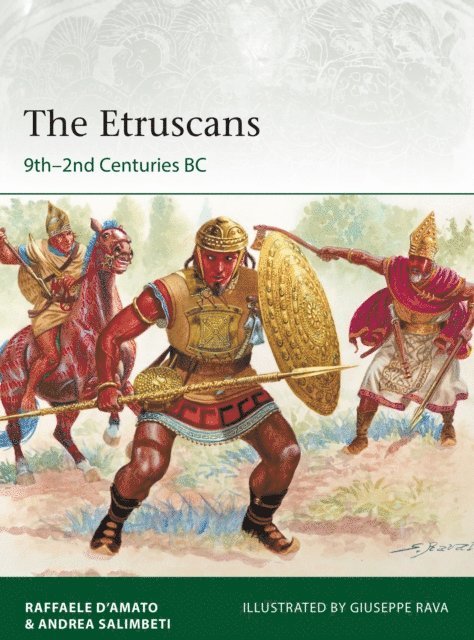
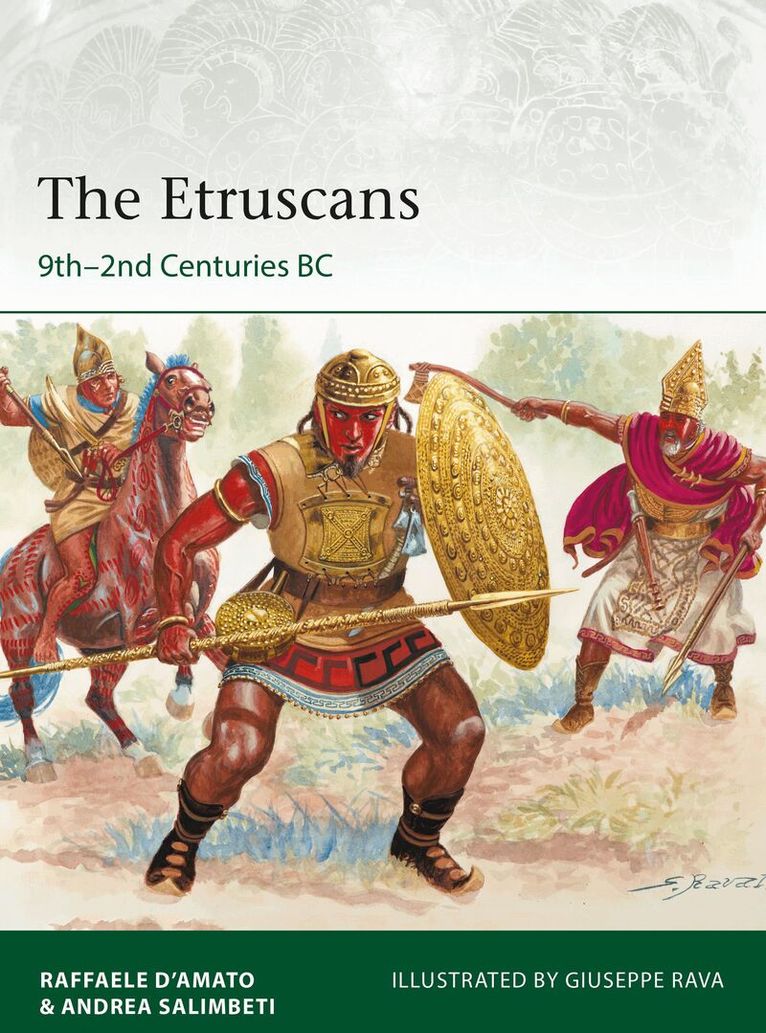
Etruscans
9th–2nd Centuries Bc
Av Raffaele D’Amato, Andrea Salimbeti
E-bok, 2018
210 kr
Lägg i varukorg
Ancient Rome had deep roots in the ''Villanovan'' culture that we call today the Etruscans. Their long-lived civilization can be traced to 900–750 BC in north-west Italy. They were a sea-faring people trading with and competing against Greek and Phoenician peoples, including the Carthaginians. They …
Etruscans
9th–2nd Centuries BC
Av Raffaele D’Amato, Andrea Salimbeti
Häftad, 2018
183 kr
Lägg i varukorg
Ancient Rome had deep roots in the 'Villanovan' culture that we call today the Etruscans.Their long-lived civilization can be traced to 900–750 BC in north-west Italy. They were a sea-faring people trading with and competing against Greek and Phoenician peoples, including the Carthaginians. They …
Etruscans
9th–2nd Centuries Bc
Av Raffaele D’Amato, Andrea Salimbeti
E-bok, 2018
214 kr
Lägg i varukorg
Ancient Rome had deep roots in the ''Villanovan'' culture that we call today the Etruscans. Their long-lived civilization can be traced to 900–750 BC in north-west Italy. They were a sea-faring people trading with and competing against Greek and Phoenician peoples, including the Carthaginians. They …
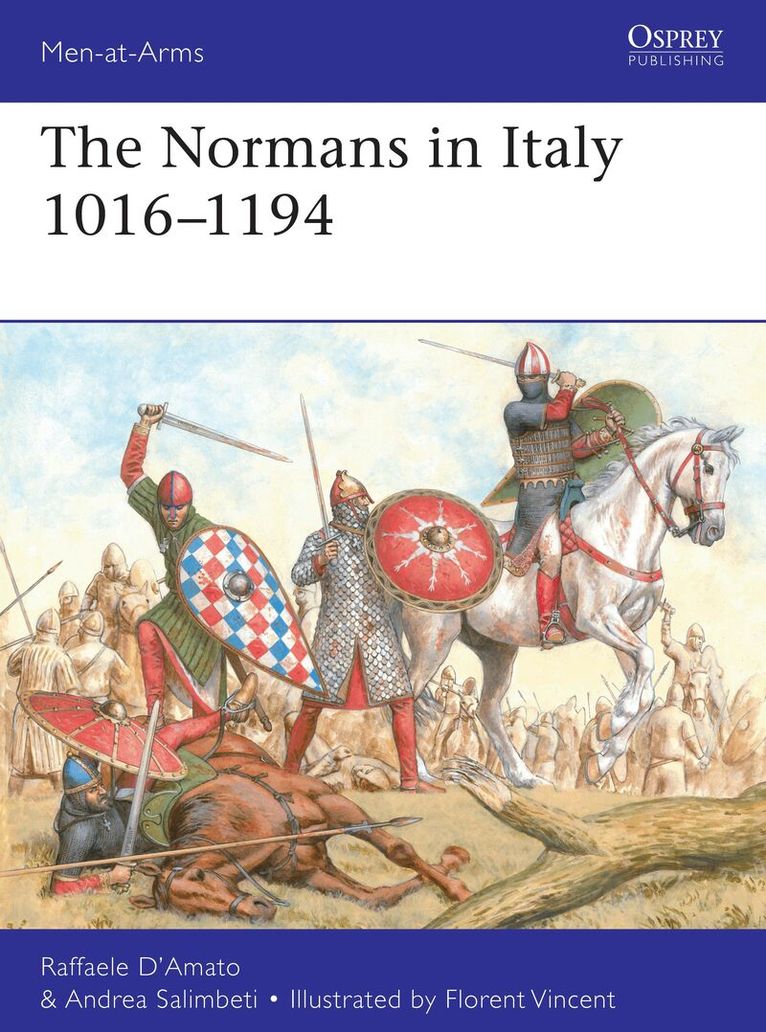
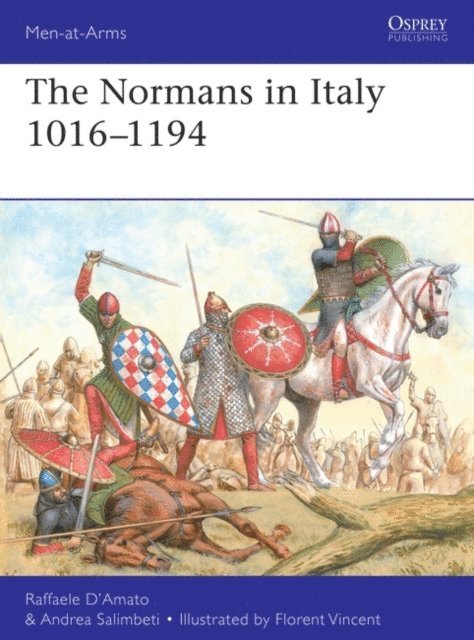
Normans in Italy 1016–1194
Av Raffaele D’Amato, Andrea Salimbeti
E-bok, 2020
180 kr
Lägg i varukorg
Preceding and simultaneously with the conquest of England by Duke William, other ambitious and aggressive Norman noblemen (notably the Drengot, De Hauteville and Guiscard families) found it prudent to leave Normandy. At first taking mercenary employment with Lombard rulers then fighting the …
Normans in Italy 1016–1194
Av Raffaele D’Amato, Andrea Salimbeti
Häftad, 2020
160 kr
Lägg i varukorg
While Duke William was conquering England, other ambitious and aggressive Norman noblemen (notably the Drengot, De Hauteville and Guiscard families) found it prudent to leave Normandy.At first taking mercenary employment with Lombard rulers then fighting the Byzantine Empire in southern Italy, many …
Normans in Italy 1016–1194
Av Raffaele D’Amato, Andrea Salimbeti
E-bok, 2020
186 kr
Lägg i varukorg
Preceding and simultaneously with the conquest of England by Duke William, other ambitious and aggressive Norman noblemen (notably the Drengot, De Hauteville and Guiscard families) found it prudent to leave Normandy. At first taking mercenary employment with Lombard rulers then fighting the …
Goths AD 200–700
Av Raffaele D’Amato, Andrea Salimbeti
E-bok, 2025
208 kr
Lägg i varukorg
An illustrated study of Rome''s key enemies from the Late Principate and Dominate: the western Visigoths and the eastern Ostrogoths. The Goths were a Germanic people who, under pressure from the Huns, migrated during the 2nd century AD to the Balkans, where they split into the Visigoths to the …
Goths AD 200–700
Av Raffaele D’Amato, Andrea Salimbeti
E-bok, 2025
210 kr
Lägg i varukorg
An illustrated study of Rome''s key enemies from the Late Principate and Dominate: the western Visigoths and the eastern Ostrogoths. The Goths were a Germanic people who, under pressure from the Huns, migrated during the 2nd century AD to the Balkans, where they split into the Visigoths to the …
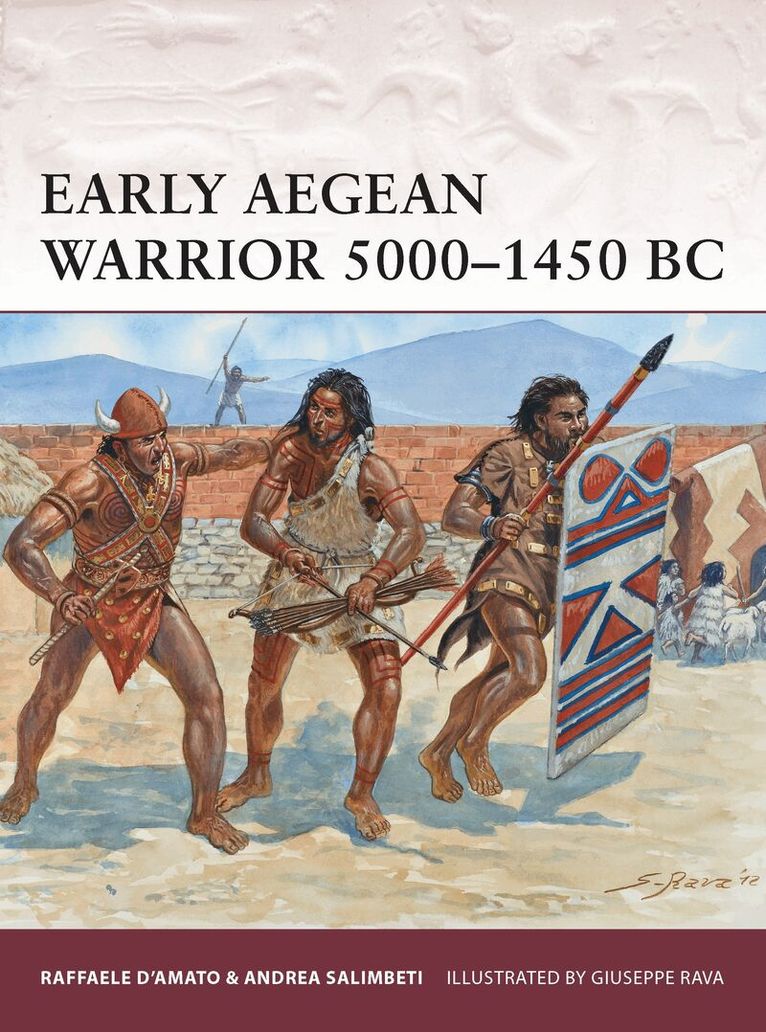
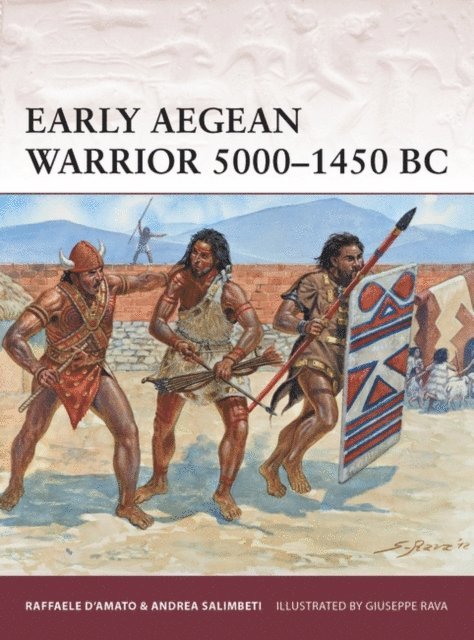
Early Aegean Warrior 5000–1450 BC
Av Raffaele D’Amato, Andrea Salimbeti
Häftad, 2013
185 kr
Lägg i varukorg
The mainland and islands of Greece were extensively settled by peoples moving from Asia Minor in c.5000 BC, while a further wave in c.5000 BC introduced bronze-working to the region.It is from this point on that it is possible to discern a distinct Cycladic or Aegean civilisation, developing at …
Early Aegean Warrior 5000–1450 BC
Av Raffaele D’Amato, Andrea Salimbeti
E-bok, 2013
214 kr
Lägg i varukorg
The mainland and islands of Greece were extensively settled by peoples moving from Asia Minor in c.5000 BC, while a further wave in c.5000 BC introduced bronze-working to the region. It is form this point on that it is possible to discern a distinct Cycladic or Aegean civilisation, developing at …
Early Aegean Warrior 5000–1450 BC
Av Raffaele D’Amato, Andrea Salimbeti
E-bok, 2013
214 kr
Lägg i varukorg
The mainland and islands of Greece were extensively settled by peoples moving from Asia Minor in c.5000 BC, while a further wave in c.5000 BC introduced bronze-working to the region. It is form this point on that it is possible to discern a distinct Cycladic or Aegean civilisation, developing at …
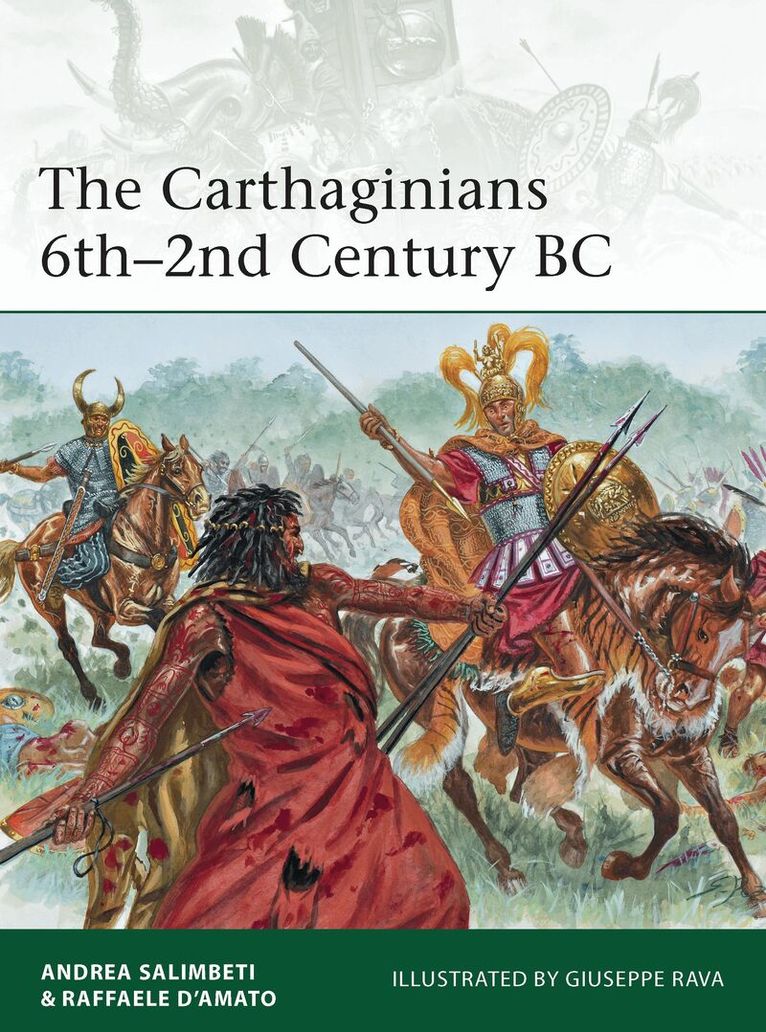
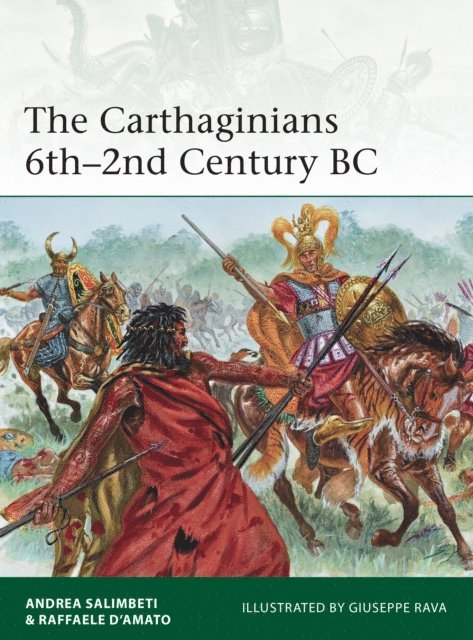
Carthaginians 6th–2nd Century BC
Av Andrea Salimbeti, Raffaele D’Amato
Häftad, 2014
5,0 utav 5 stjärnor. Totalt antal röster: (1)
185 kr
Lägg i varukorg
Featuring specially commissioned full-colour artwork, this study presents up-to-date research on the armies of Rome’s most dangerous rival.Carthage, the port-city in Tunisia first settled by Phoenicians from Tyre, grew to extend a competitive maritime trading empire all over the Western …
Carthaginians 6th–2nd Century BC
Av Andrea Salimbeti, Raffaele D’Amato
E-bok, 2014
214 kr
Lägg i varukorg
Featuring specially commissioned full-colour artwork, this study presents up-to-date research on the armies of Rome''s most dangerous rival. Carthage, the port-city in Tunisia first settled by Phoenicians from Tyre, grew to extend a competitive maritime trading empire all over the Western …
Carthaginians 6th–2nd Century BC
Av Andrea Salimbeti, Raffaele D’Amato
E-bok, 2014
214 kr
Lägg i varukorg
Featuring specially commissioned full-colour artwork, this study presents up-to-date research on the armies of Rome''s most dangerous rival. Carthage, the port-city in Tunisia first settled by Phoenicians from Tyre, grew to extend a competitive maritime trading empire all over the Western …
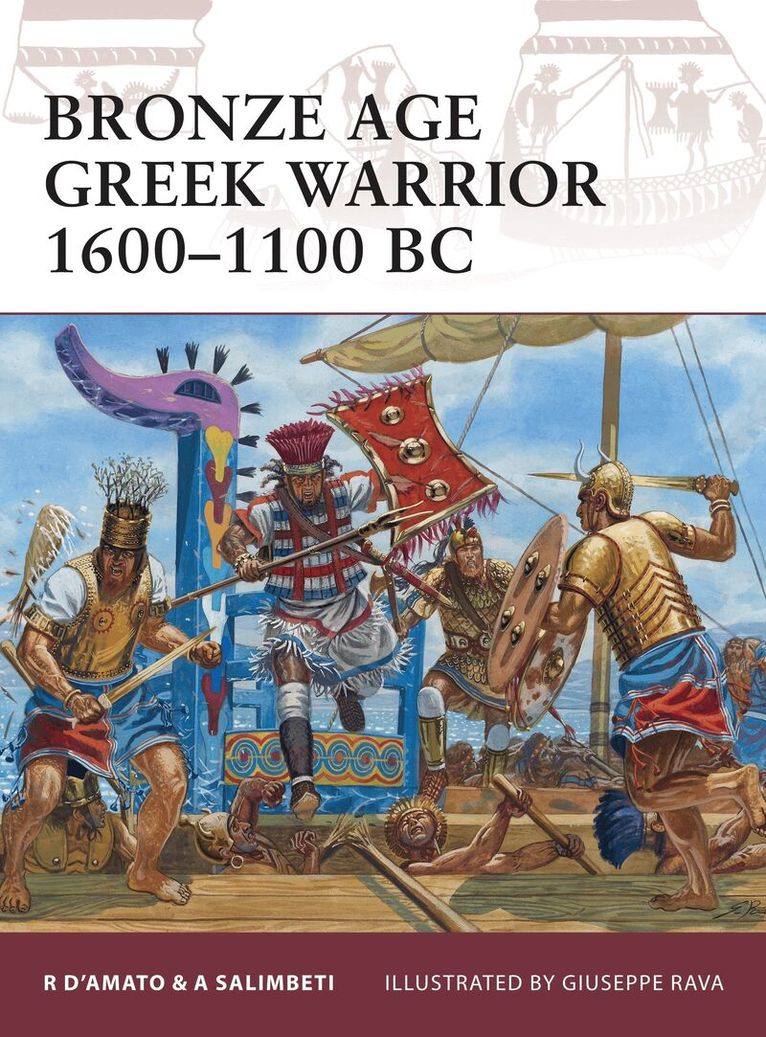
Bronze Age Greek Warrior 1600–1100 BC
Av Raffaele D’Amato, Andrea Salimbeti
Häftad, 2011
5,0 utav 5 stjärnor. Totalt antal röster: (2)
183 kr
Lägg i varukorg
More than a century has passed past since German archeologist Heinrich Schliemann discovered the treasures of Bronze Age Mycenae.The richly decorated artefacts of the entombed warriors, whose bodies still lay in their graves, confirmed that Homer's epic The Iliad was based upon true events, and …