Andrea Sangiovanni - Böcker
Visar alla böcker från författaren Andrea Sangiovanni. Handla med fri frakt och snabb leverans.
4 produkter
4 produkter
1 064 kr
Skickas inom 7-10 vardagar
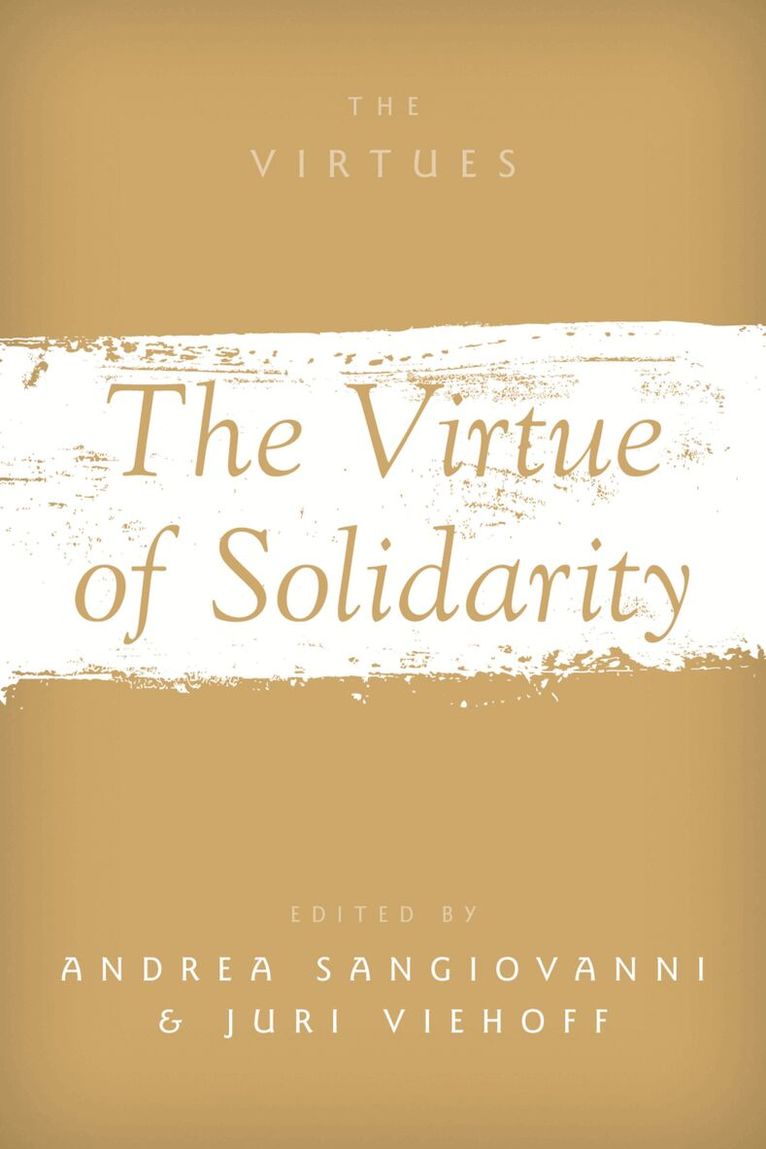
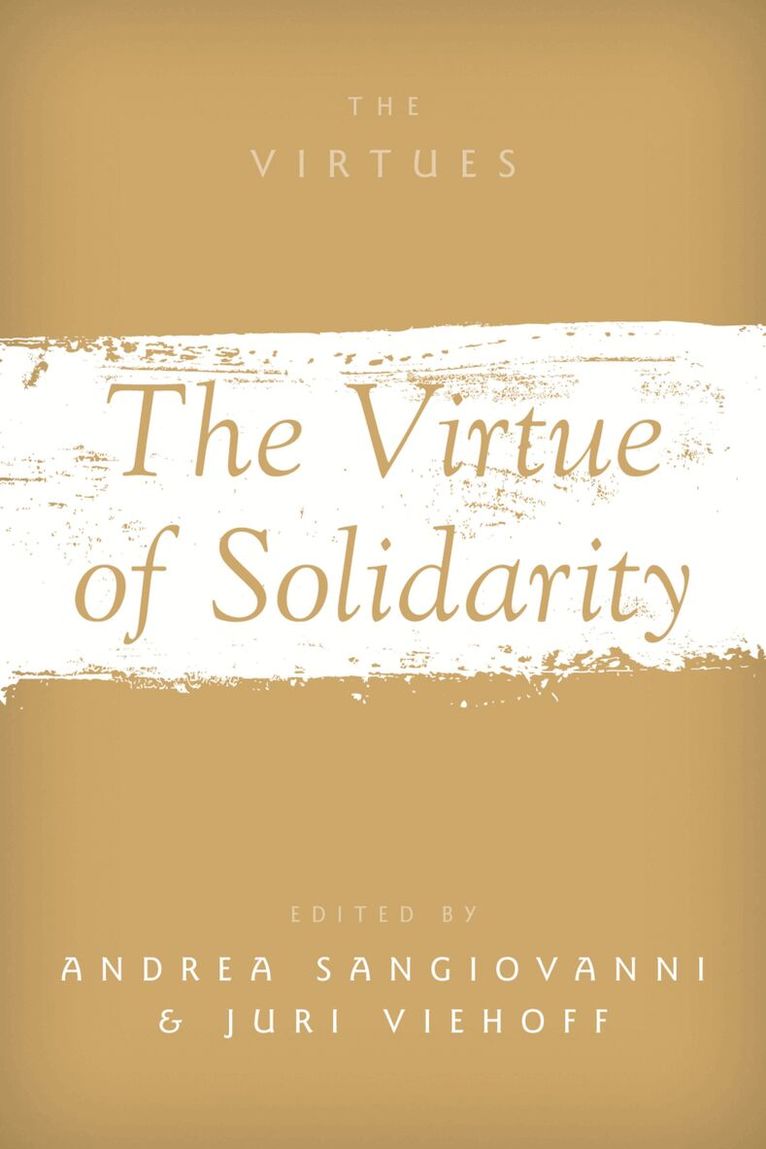
This is an open access title available under the terms of a CC BY-NC-ND 4.0 International license. It is free to read at Oxford Scholarship Online and offered as a free PDF download from OUP and selected open access locations.Many today are worried about the global spread of divisive politics, rampant inequality, social alienation, and political apathy. They are hungry for meaningful action that will bring about change, yet they are uncertain of how to achieve this. It is often repeated that people must come together, in displays of solidarity, but fundamental questions about this political catchword--what solidarity is, when (or if) it is a virtue, and its potential dangers--have not received the attention they deserve. They have certainly received less attention than solidarity's closest relatives: liberty and equality.The Virtue of Solidarity brings together twelve world-leading philosophers to reflect on the nature, history, and virtue of solidarity. Topics discussed include race, class, Catholic understandings of solidarity, and the social theories of Émile Durkheim, Léon Bourgeois, and Jürgen Habermas as they relate to present disputes of solidarity. These essays present and debate solidarity's many forms and roles--as a virtue, a sacrifice, an egalitarian commitment, or even something pernicious--where it belongs within a just society, and its relationship to justice. The Virtue of Solidarity is a comprehensive volume of the most recent thinking regarding this topic, ranging from the philosophical to the sociological, the religious to the political, presenting solidarity's many justifications and exploring the most urgent questions that surround it.
319 kr
Skickas inom 5-8 vardagar
This is an open access title available under the terms of a CC BY-NC-ND 4.0 International license. It is free to read at Oxford Scholarship Online and offered as a free PDF download from OUP and selected open access locations.Many today are worried about the global spread of divisive politics, rampant inequality, social alienation, and political apathy. They are hungry for meaningful action that will bring about change, yet they are uncertain of how to achieve this. It is often repeated that people must come together, in displays of solidarity, but fundamental questions about this political catchword--what solidarity is, when (or if) it is a virtue, and its potential dangers--have not received the attention they deserve. They have certainly received less attention than solidarity's closest relatives: liberty and equality.The Virtue of Solidarity brings together twelve world-leading philosophers to reflect on the nature, history, and virtue of solidarity. Topics discussed include race, class, Catholic understandings of solidarity, and the social theories of Émile Durkheim, Léon Bourgeois, and Jürgen Habermas as they relate to present disputes of solidarity. These essays present and debate solidarity's many forms and roles--as a virtue, a sacrifice, an egalitarian commitment, or even something pernicious--where it belongs within a just society, and its relationship to justice. The Virtue of Solidarity is a comprehensive volume of the most recent thinking regarding this topic, ranging from the philosophical to the sociological, the religious to the political, presenting solidarity's many justifications and exploring the most urgent questions that surround it.
416 kr
Skickas inom 10-15 vardagar
Name any valued human trait—intelligence, wit, charm, grace, strength—and you will find an inexhaustible variety and complexity in its expression among individuals. Yet we insist that such diversity does not provide grounds for differential treatment at the most basic level. Whatever merit, blame, praise, love, or hate we receive as beings with a particular past and a particular constitution, we are always and everywhere due equal respect merely as persons.But why? Most who attempt to answer this question appeal to the idea that all human beings possess an intrinsic dignity and worth—grounded in our capacities, for example, to reason, reflect, or love—that raises us up in the order of nature. Andrea Sangiovanni rejects this predominant view and offers a radical alternative.To understand our commitment to basic equality, Humanity without Dignity argues that we must begin with a consideration not of equality but of inequality. Rather than search for a chimerical value-bestowing capacity possessed to an equal extent by each one of us, we ought to ask: Why and when is it wrong to treat others as inferior? Sangiovanni comes to the conclusion that our commitment to moral equality is best explained by a rejection of cruelty rather than a celebration of rational capacity. He traces the impact of this fundamental shift for our understanding of human rights and the norms of anti-discrimination that underlie it.
346 kr
Skickas
In a world of deep political divisions and rising inequality, many of us feel the need for some form of collective resistance and transformative joint action. Calls for solidarity are heard everywhere. This book presents a critical proposal to guide our reflection on what solidarity is and why it matters.How is solidarity distinct from related ideas such as altruism, justice and fellow-feeling? What value does acting in solidarity with others have? In his lead essay, Andrea Sangiovanni offers compelling answers to these questions, arguing that solidarity is not just a fuzzy stand-in for feelings of togetherness but a distinctive social practice for an anxious age. His ideas are then put to the test in a series of responses from some of the world’s foremost philosophers and political theorists.An electronic edition of this book is freely available under a Creative Commons (CC BY-NC-ND) licence.