Andres Lepik - Böcker
Visar alla böcker från författaren Andres Lepik. Handla med fri frakt och snabb leverans.
18 produkter
18 produkter
474 kr
Tillfälligt slut
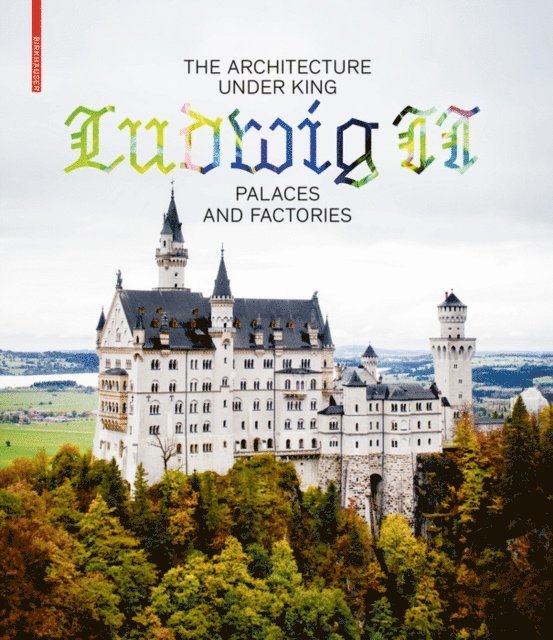
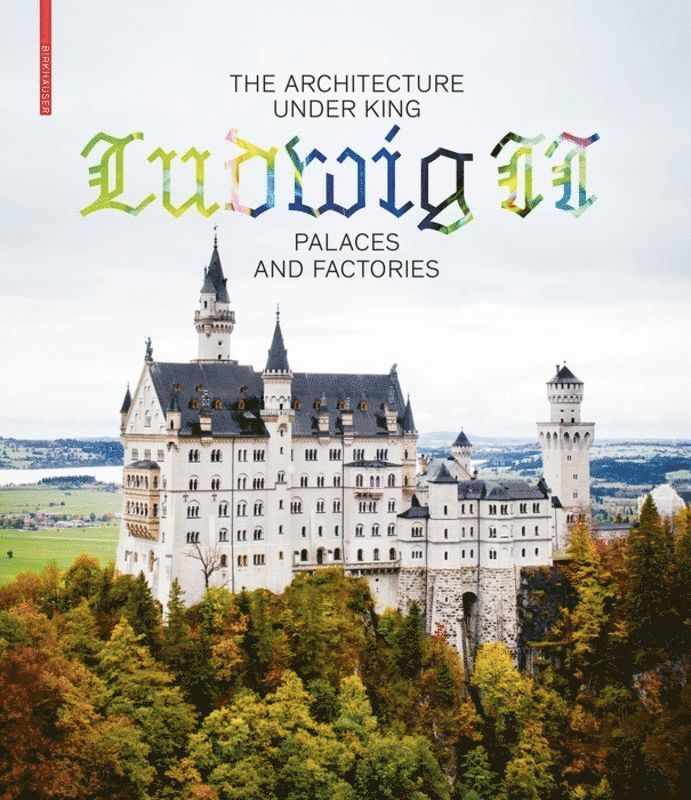
Ludwig II of Bavaria (1864—1886) is more internationally known for his royal palaces than hardly any other regent of the 19th century. They are the symbol of a personal architectural vision which, to this day, fascinates people from all over the world. However, the fame of his palaces has eclipsed other construction activities in the Kingdom of Bavaria: urban developments, hospitals, and schools, theatres and museums, but also factories, railway stations, apartment blocks, churches, and synagogues were created under his regency. This book, for the first time, sheds light on the broad architectural activities in this epoch. Essays and overview illustrations of the building projects of the time provide insights into the diversity of the then building culture and, at the same time, open up a new perspective on the royal palaces.
194 kr
Skickas inom 5-8 vardagar
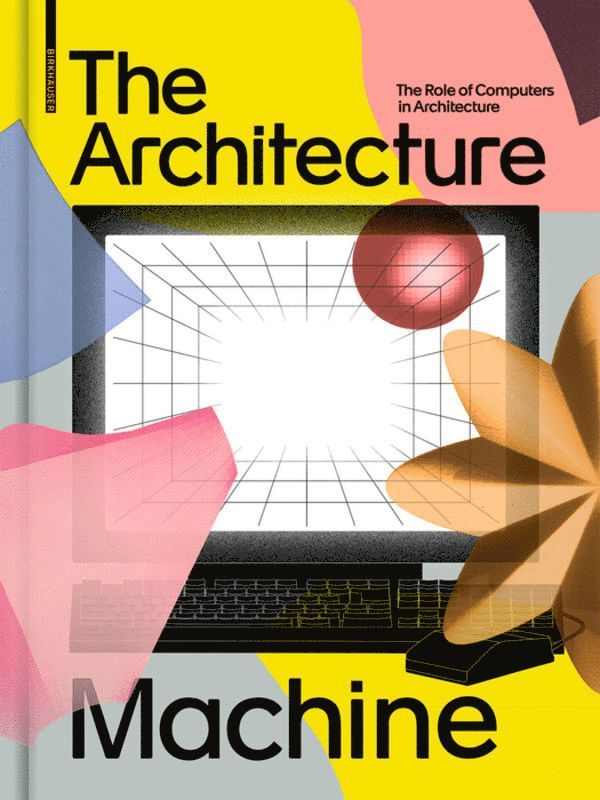
Today, it is hard to imagine the everyday work in an architectural practice without computers. Bits and bytes play an important role in the design and presentation of architecture. The book, which is published in the context of an exhibition of the same name of the Architekturmuseum der TUM at the Pinakothek der Moderne in Munich, for the first time considers – in depth – the development of the digital in architecture. In four chapters, it recounts this intriguing history from its beginnings in the 1950s through to today and presents the computer as a drawing machine, as a design tool, as a medium for telling stories, and as an interactive communication platform. The basic underlying question is simple: Has the computer changed architecture? And if so, by how much?
426 kr
Skickas inom 7-10 vardagar
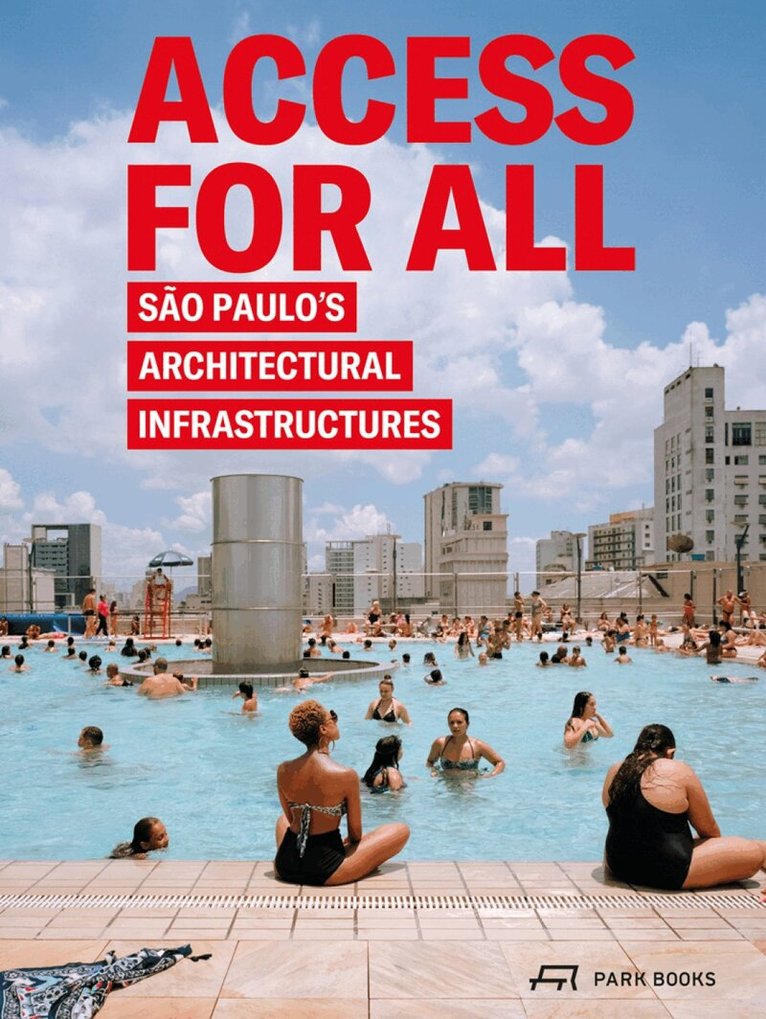
Like all mega-cities around the globe, São Paulo faces huge challenges. Yet despite these manifold and daunting tasks, the Brazilian metropolis has since the 1960s maintained a prudent policy of investing in communal infrastructure, thus providing inclusive places and spaces for all of its 20m-population. While many cities aim for a 'Bilbao-effect' by funding iconic, tourist-orientated projects such as museums or theatres, São Paulo persistently supports programs and usages that serve its permanent residents.This book, published in conjunction with an exhibition at A.M. Architekturmuseum der TU München, features a selection of these buildings and programs from five decades. Ranging from a simple canopy over a public park to vast multifunctional buildings, they provide spaces for sports and culture, education, healthcare, or gastronomy. Rather than merely serving a specific purpose, their key role is to be places for people spending time together.With contributions by Renato Anelli, José Tavares Correia de Lira, Fraya Frehse, Vanessa Grossman, Andres Lepik, Ana Luiza Nobre, Daniel Talesnik, and Guilherme Wisnik; and a conversation with Paulo Mendes da Rocha and Marta Moreira by Enrique Walker. Photographs by Ciro MiguelAlso available:Wherever You Find People ISBN 9783038600268
408 kr
Skickas inom 3-6 vardagar
374 kr
Skickas inom 5-8 vardagar
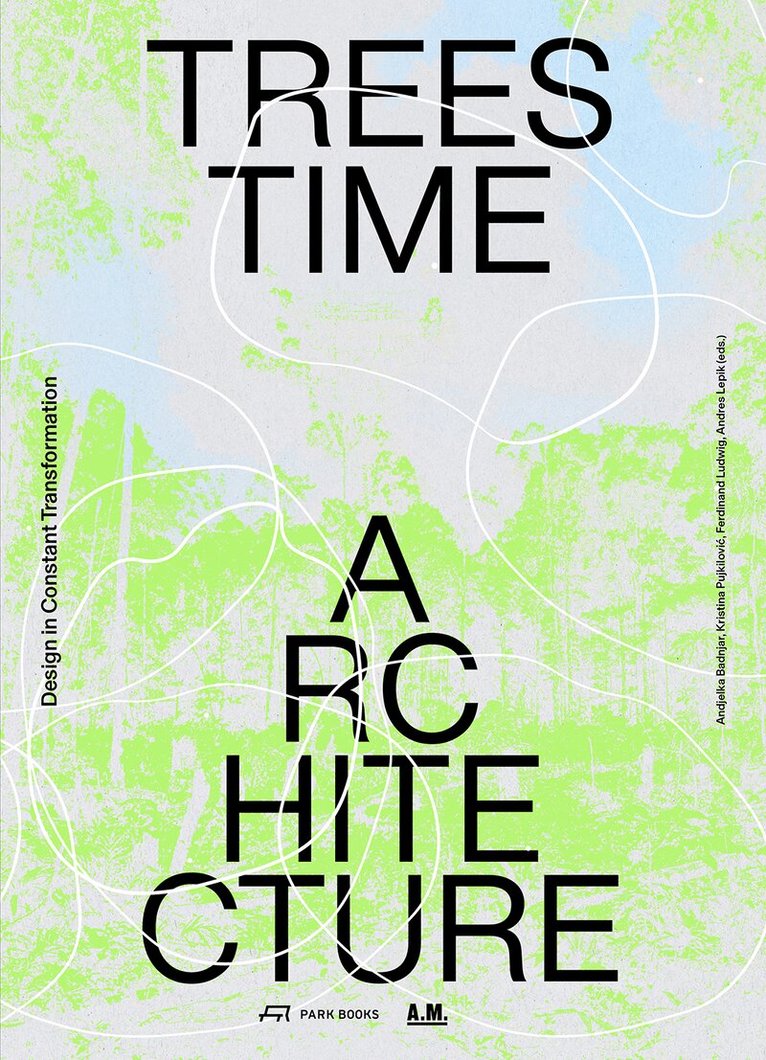
Trees, Time, Architecture introduces living plant construction as an important tool to improve the climate in our cities. In the form of a magazine, the volume brings together a variety of views on the relationship between trees and architecture, urban spaces, modernism, politics, feminism, and cultural values. This collage of historical, research-based and creative perspectives looks at how living trees can be preserved, used, and appreciated in the Anthropocene by taking into account their temporal dimension. It highlights ancient examples of living plant architecture, such as the root bridges of the Khasi people in India, Nordic mythology with its representation of a tree as a cosmological symbol, and the architectural use of living trees in the Roman Empire.The essays, photographs, memoirs, film reviews, and conversations in this book are supplemented with exemplary architectures, new research approaches, and current design methods. They illustrate dynamic processes in which trees play a key role as constantly changing organisms. They invite a transdisciplinary examination of relationships between people, trees, and architecture, as well as their rethinking and further development in our time of constant change and limited resources.
342 kr
Skickas inom 3-6 vardagar
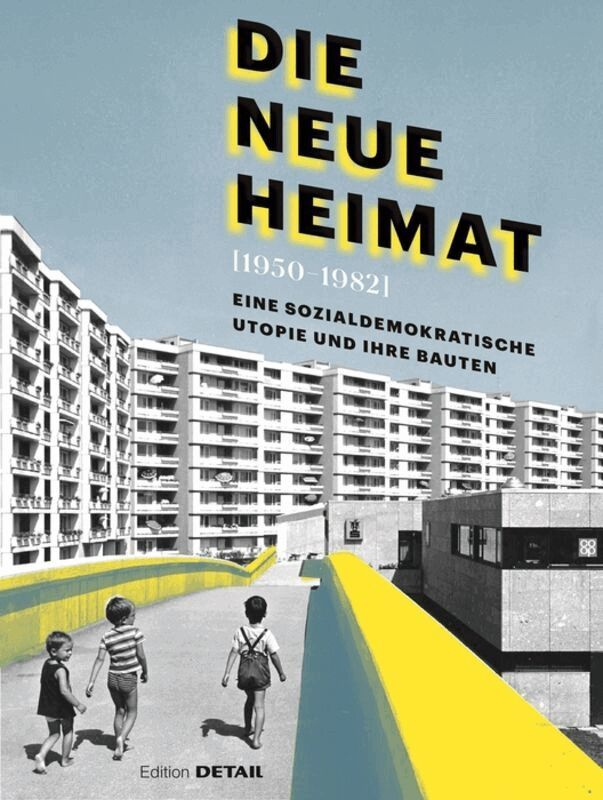
The "New Home" was the largest and most important non-governmental housing group in post-war Europe. Over a period of more than thirty years, the union organization planned and executed more than 4 , flats, including, from the 9 s, numerous municipal and commercial buildings in Germany. The "New Home" carried the hopes of participants in Germany's economic miracle, which made the scandalous collapse of the cooperative in the early eighties even more of a shock to the people of West Germany. A gap of over a generation offers an opportunity for a critical examination: What were the approaches of the social democratic visions, and what has become of the ongoing aspiration "Housing for all?" Based on numerous historical photos and plans and brief contributions, large housing estates such as the Neue Vahr Bremen or the overspill town of Neuperlach and enormous large-scale projects of the "New Home Urban Development" such as ICC Berlin are documented.
435 kr
Skickas inom 5-8 vardagar
DesignBuild ist eine Lehrmethode, nach der Studierende an vielen Architekturschulen der Welt konkrete Projekte planen und bauen. Oft finden diese in Entwicklungsländern statt, gelegentlich aber auch vor der eigenen Haustür. Die Studierenden sammeln Erfahrungen, die weit über das Planen und Entwerfen hinausreichen. Im Fokus stehen temporäre Bauten und Langzeitprojekte, experimentelle Ansätze und Eingriffe in die Infrastruktur. Mit Bezug auf die Hauptaspekte Forschung – Dialog – Design – Build werden Forschungszusammenhänge und Prozesse einzelner Projekte diskutiert. Konstruktive Aspekte und der soziale Austausch stehen ebenso im Fokus. Das Buch setzt sich mit der Lehrmethode auseinander und liefert einen ersten kritischen Überblick über die spannendsten DesignBuild-Projekte weltweit.
435 kr
Skickas inom 5-8 vardagar
DesignBuild ist eine Lehrmethode, nach der Studierende an vielen Architekturschulen der Welt konkrete Projekte planen und bauen. Oft finden diese in Entwicklungsländern statt, gelegentlich aber auch vor der eigenen Haustür. Die Studierenden sammeln Erfahrungen, die weit über das Planen und Entwerfen hinausreichen. Im Fokus stehen temporäre Bauten und Langzeitprojekte, experimentelle Ansätze und Eingriffe in die Infrastruktur. Mit Bezug auf die Hauptaspekte Forschung – Dialog – Design – Build werden Forschungszusammenhänge und Prozesse einzelner Projekte diskutiert. Konstruktive Aspekte und der soziale Austausch stehen ebenso im Fokus. Das Buch setzt sich mit der Lehrmethode auseinander und liefert einen ersten kritischen Überblick über die spannendsten DesignBuild-Projekte weltweit.
748 kr
Skickas
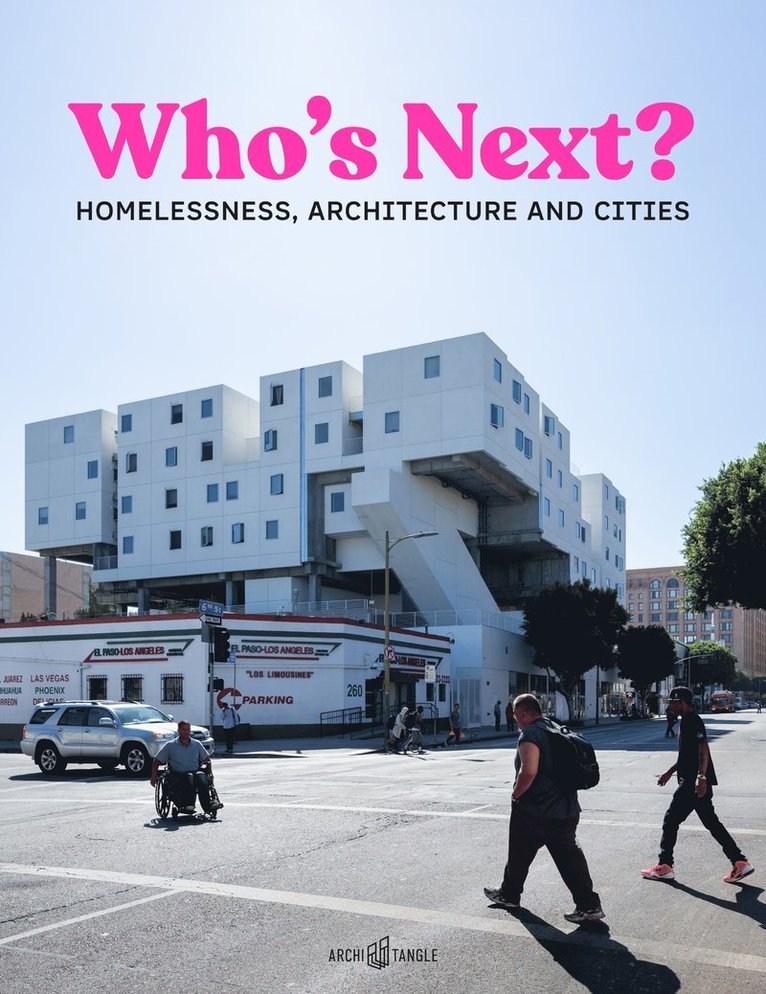
Homelessness-the state of having no home-is a growing global problem that requires local discussions and solutions. In the face of the coronavirus pandemic, it has noticeably become a collective concern. However, in recent years, the official political discourse in many countries around the world implies that poverty is a personal fault, and that if people experience homelessness, it is because they have not tried hard enough to secure shelter and livelihood. Although architecture alone cannot solve the problem of homelessness, the question arises: What and which roles can it play? Or, to be more precise, how can architecture collaborate with other disciplines in developing ways to permanently house those who do not have a home? Who's Next? Homelessness, Architecture, and Cities seeks to explore and understand a reality that involves the expertise of national, regional, and city agencies, nongovernmental organizations, health-care fields, and academic disciplines. Through scholarly essays, interviews, analyses of architectural case studies, and research on the historical and current situation in Los Angeles, Moscow, Mumbai, New York, Sao Paulo, San Francisco, Shanghai, and Tokyo, this book unfolds different entry points toward understanding homelessness and some of the many related problems. The book is a polyphonic attempt to break down this topic into as many parts as needed, so that the specificities and complexities of one of the most urgent crises of our time rise to the fore.
555 kr
Skickas inom 3-6 vardagar
633 kr
Skickas inom 3-6 vardagar
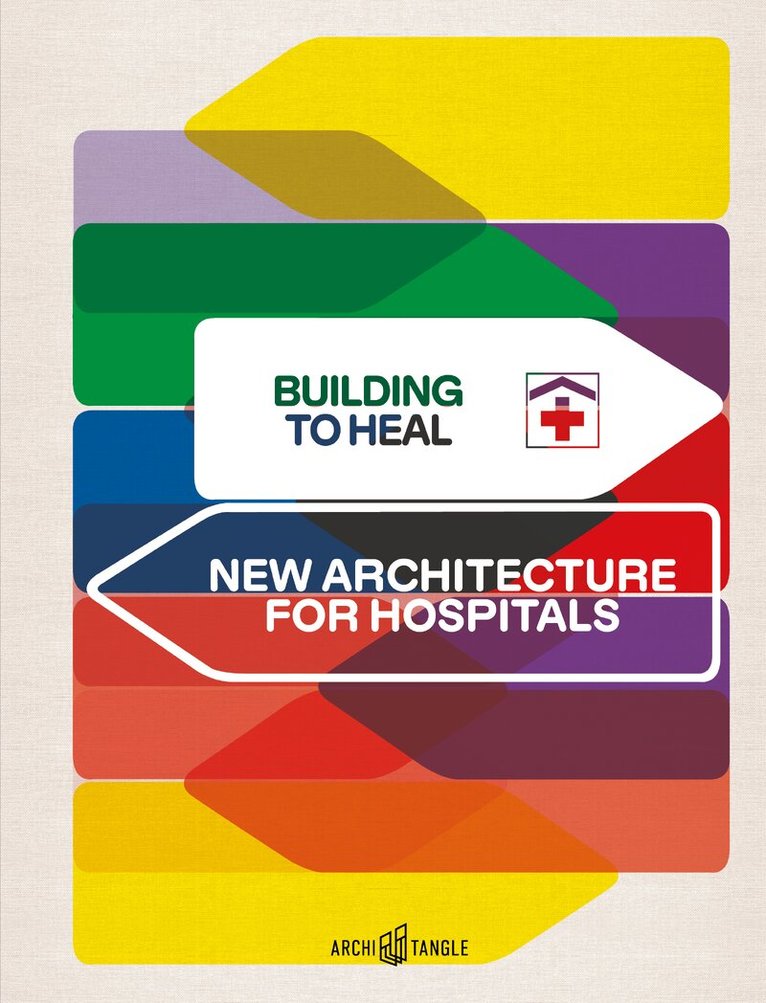
Building to Heal: New Architecturefor Hospitals examines the hardships and majorchallenges faced by the hospital system today and presents innovative modelsand solutions in healthcare architecture. Through critical, scientifically baseddiscourse, a variety of authors examine healthcare systems and hospital architecture,what hospitals are missing, and how architecture can contribute to the healingprocess of patients. The publication answers thesequestions in three comprehensive chapters based on the medical process: “Symptoms,”“Diagnosis,” and “Therapy.” The introductory section describes the symptoms ofthe “sick house” and spotlights the urgent need to take these problemsseriously in the contexts of both society as a whole and architecture. In thesecond section, experts from psychology, medicine, and the related sciences, aswell as from architectural theory and philosophy, take a diagnostic look at thecomplex causes that lead to the “diseased house.” The third section presentsseven “active ingredients” or scientifically investigated environmentalvariables for successful therapy, incorporating tools from evidence-based design.Finally, thirteen international case studies show how the conscious use ofenvironmental variables leads to a hospital architecture that promotes healing.Building to Heal: New Architecturefor Hospitals bridges the gap between theever-growing expertise on healthcare architecture and the urgent need forplanners, politicians, and the public to pay attention to one of the mostimportant issues in architecture today: health.
633 kr
Skickas inom 3-6 vardagar
235 kr
Skickas inom 3-6 vardagar
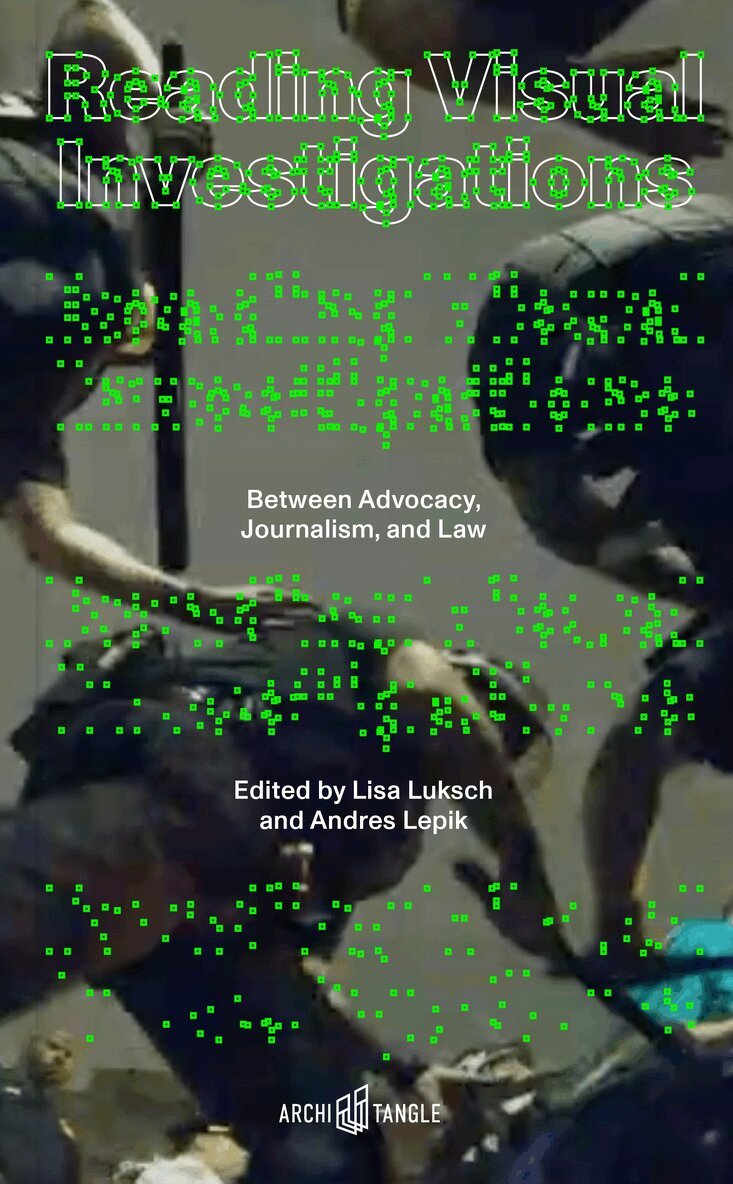
Reading Visual Investigations delves into a new discipline—visual investigations—in which architecture intersects with advocacy, journalism, and law in the pursuit of justice and accountability.The book presents insights into the current discourse within this emergent field, illustrated by intriguing case studies from around the world, highlighting the role of architecture as a key area of expertise that defines this evolving practice. Eight experts from the fields of digital and spatial analysis, human rights, legal studies, investigative journalism, and forensic analysis offer critical, scientifically grounded discourse on the topic through essays and interviews. The book’s contributors examine a range of methods and architectural tools employed in visual investigations and their impact on human rights and legal processes.Additionally, the investigators and the editors provide an in-depth analysis of international research by introducing seven case studies and presenting their methods, content and conclusions in diverse formats, including maps, films, models and interactive platforms used to expose human rights violations.Reading Visual Investigations is an essential resource for anyone interested in understanding the dynamic and evolving practice of visual investigations. It provides practical insights that integrate traditional reporting with digital forensics and the analysis of visual evidence. The book strives to bridge the gap between architectural expertise and the urgent need for effective advocacy and accountability mechanisms in contemporary society.Edited by Lisa Luksch and Andres LepikWith Contributions by Bellingcat, Ralf Breker (Bayerisches Landeskriminalamt), The Center for Spatial Technologies (CST), Sam Dubberley (Human Rights Watch), Bora Erden (New York Times), Sam Gregory (Witness), Alison Killing (Financial Times), Laura Kurgan (Columbia University Graduate School of Architecture, GSAPP, Andres Lepik (Technische Universität München, TU), Lisa Luksch (Technische Universität München, TU), Anjli Parrin (University of Chicago Law School), SITU Research, Patrick Brian Smith (Counter Evidentiary Network), and Lea Weinmann (Süddeutsche Zeitung)
235 kr
Skickas inom 3-6 vardagar
667 kr
Skickas inom 3-6 vardagar
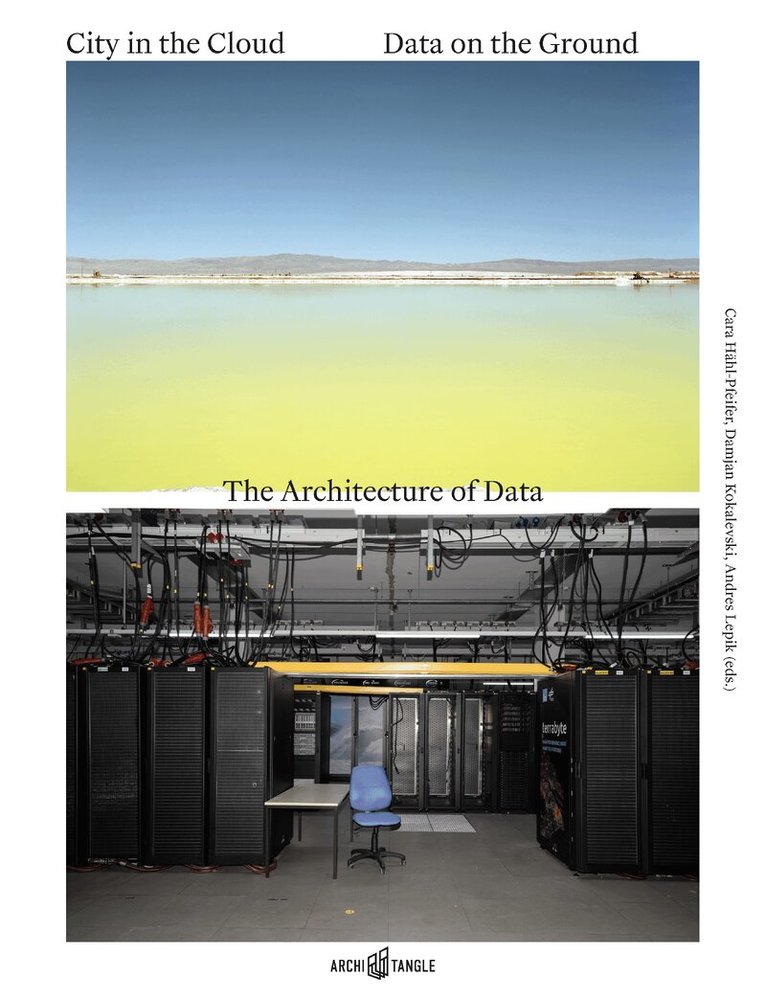
This book investigates the hidden physical infrastructures behind the digital world. Data may appear immaterial, but it relies on extensive global networks: the extraction of raw materials, the deployment of thousands of undersea cables, and an exponentially growing number of energy-intensive data centres. While these data infrastructures shape global economies and politics, they truly do far more by profoundly impacting local communities, ecosystems, and labour conditions—realms so often rooted in (neo)colonial structures of exploitation. The contributions in this volume call for greater transparency, critical awareness, and care toward the material foundations of the data economy—as essential conditions for more equitable and accountable digital futures.Bringing together voices from architecture, media studies, technology, art, and political theory, City in the Cloud – Data on the Ground explores the elemental, spatial, and temporal dimensions of the architecture of data. The volume maps the costs of the data economy—ecological, social, and political—and opens up perspectives for rethinking digital infrastructures in the context of planetary resources, justice, and long-term responsibility.
667 kr
Skickas inom 3-6 vardagar
748 kr
Kommande
This volume celebrates the latest architectural endeavour of the Gulbenkian Foundation in Lisbon: the new building of the Centro de Arte Moderna (CAM), designed by architect Kengo Kuma in collaboration with the landscape architect Vladimir Djurovic. More than a building, this project is a living dialogue between architecture, nature and the city—transforming museum and garden into a unified public space, rooted in the Foundation’s cultural mission.Through the lens of Erieta Attali, acclaimed photographer and architecture historian, the building and its surrounding landscape are captured in striking, atmospheric images that reveal the subtle interplay of form, light and material. Her photographs—both precise and poetic—highlight how the building and garden create spaces for rest, interaction and shared experience.Accompanying Attali’s photographs are insightful texts that take the reader deeper into the story of the renewal. Attali introduces the project from her unique visual perspective, while conversations with Kuma and Djurovic reveal the close creative partnership between museum, architect, and landscape designer. An essay by architectural historian Ana Tostões anchors the project within the Gulbenkian Foundation’s legacy and evolving role as a public cultural force. Even more than a bold architectural gesture, the museum’s sculptural roof—Kuma’s poetic extension of the landscape— extends the building into the garden, dissolving boundaries and reclaiming the green space as an urban refuge.
830 kr
Kommande
CONVIVIUM: Food Systems at the Limit invites readers on a journey through the intricate networks that feed the world. It explores how food production shapes landscapes, cities and everyday life, uncovering the architecture of global food systems. From greenhouses and fishing ports to agricultural enterprises and feed-crop fields, it traces how architecture and territory respond to the pressures of industrialized food production.Through a rich interplay of essays, photography, and research, CONVIVIUM highlights the environmental, political, and social challenges that define what and how we eat. It asks pressing questions that link ecology and culture, science and design: How do tomatoes connect to salmon? What happens to soil after desertification? How do barns shape animal lives? And how does soy from Brazil end up feeding livestock in Europe?At the heart of this volume are twelve protagonists—tomato, strawberry, salmon, tropical fruits, cow, bull, octopus, carp, shrimp, soy, grains, and worm—each with its own story to tell. These characters guide readers through a complex web of trade routes, technologies, and labour. They reveal how food production is linked to climate change, migration, and the transformation of rural and urban spaces. By following these stories, CONVIVIUM exposes the hidden infrastructures, economic systems, and spatial consequences of industrial agriculture and global supply chains.Richly illustrated, the book combines analytical insight with visual storytelling. It invites readers to rethink the systems behind everyday meals—to see how food shapes the world we inhabit and to imagine more sustainable and equitable ways of living together.With contributions by Grace Abou Jaoude, Maximilian Atta, Andjelka Badnjar, Sepp Braun, Giulia Bruno, Jean-Marc Caimi, Neal Haddaway, Diego Inglez de Souza, Natalie Judkowsky, Nikos Katsikis, Andres Lepik, María D. López Rodríguez, Jan Müller, Víctor Muñoz Sanz, Sofia Nannini, Raj Patel, Valentina Piccinni, Olga Pindyuk, Stefan Pielmeier, Réka Rozsnyói, Tiago Saraiva, Gent Shehu, Katrin Schneider, Dániel Szalai, Amelie Steffen, Carolyn Steel, Rafael Sousa Santos, André Tavares, Mark Titley, José Luis Vicente Vicente, and Sinan von Stietencron.