Andjelka Badnjar Gojnić - Böcker
Visar alla böcker från författaren Andjelka Badnjar Gojnić. Handla med fri frakt och snabb leverans.
2 produkter
2 produkter
374 kr
Skickas inom 5-8 vardagar
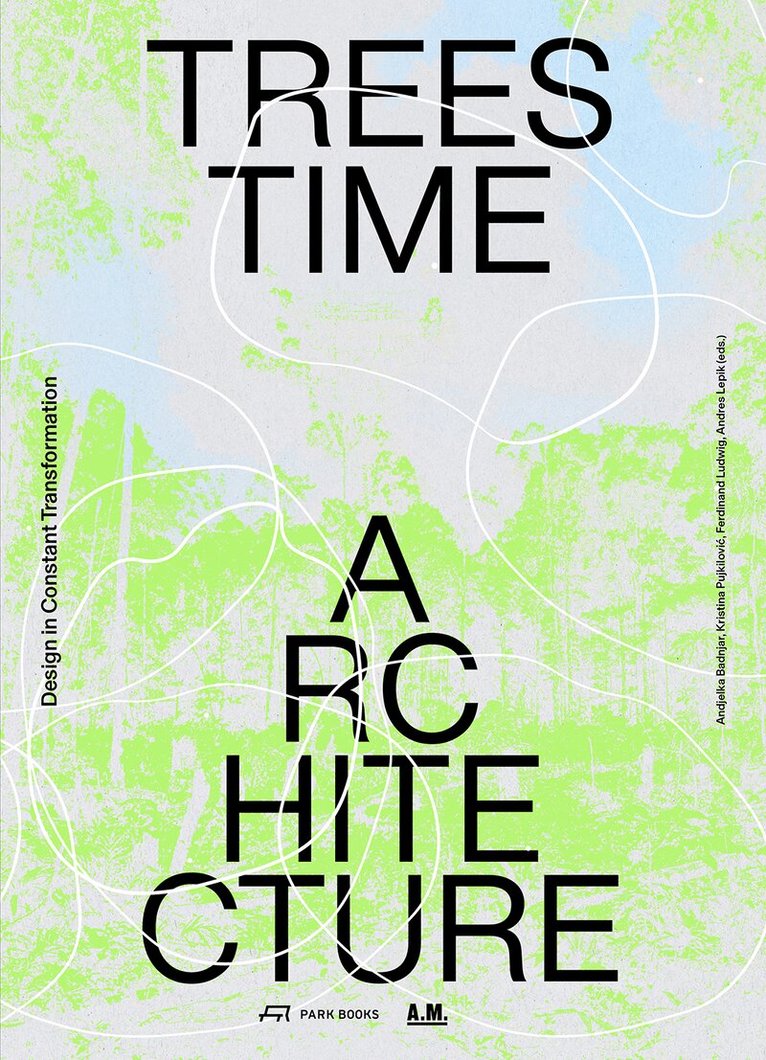
Trees, Time, Architecture introduces living plant construction as an important tool to improve the climate in our cities. In the form of a magazine, the volume brings together a variety of views on the relationship between trees and architecture, urban spaces, modernism, politics, feminism, and cultural values. This collage of historical, research-based and creative perspectives looks at how living trees can be preserved, used, and appreciated in the Anthropocene by taking into account their temporal dimension. It highlights ancient examples of living plant architecture, such as the root bridges of the Khasi people in India, Nordic mythology with its representation of a tree as a cosmological symbol, and the architectural use of living trees in the Roman Empire.The essays, photographs, memoirs, film reviews, and conversations in this book are supplemented with exemplary architectures, new research approaches, and current design methods. They illustrate dynamic processes in which trees play a key role as constantly changing organisms. They invite a transdisciplinary examination of relationships between people, trees, and architecture, as well as their rethinking and further development in our time of constant change and limited resources.
435 kr
Skickas inom 5-8 vardagar
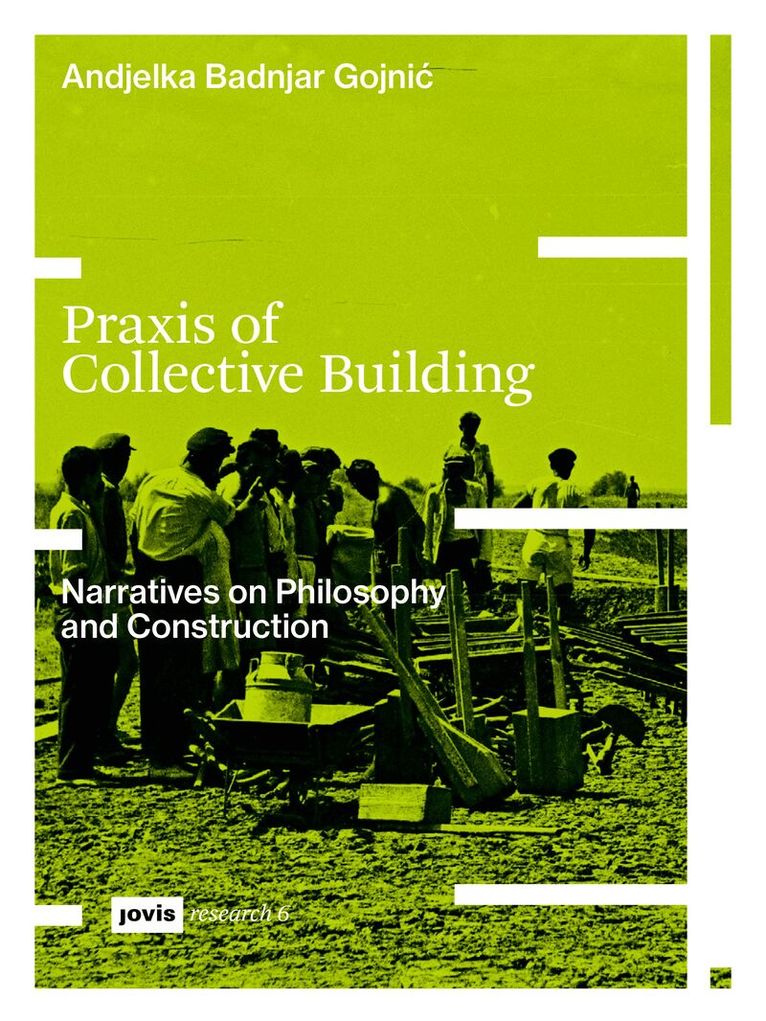
New Belgrade represented a material and social experiment for a new society in post-war Yugoslavia. As the city and the country were being simultaneously built, the philosophy of praxis was developing in both the Yugoslavian and the international scene. Praxis of Collective Building deals with the interactions between this school of thought and the histories of architectural construction sites. By closely studying the microhistories of construction, the author considers the theoretical problems of collective production through different narratives: voluntary youth actions in the construction of New Belgrade through the lens of Marxian praxis, participative prefabrication as a way of addressing housing shortages in Yugoslavia, and the transfer and adaptation of the Yugoslavian prefabricated system to the Cuban context by the microbrigade movement.