Kengo Kuma - Böcker
Visar alla böcker från författaren Kengo Kuma. Handla med fri frakt och snabb leverans.
10 produkter
10 produkter
242 kr
Skickas inom 7-10 vardagar
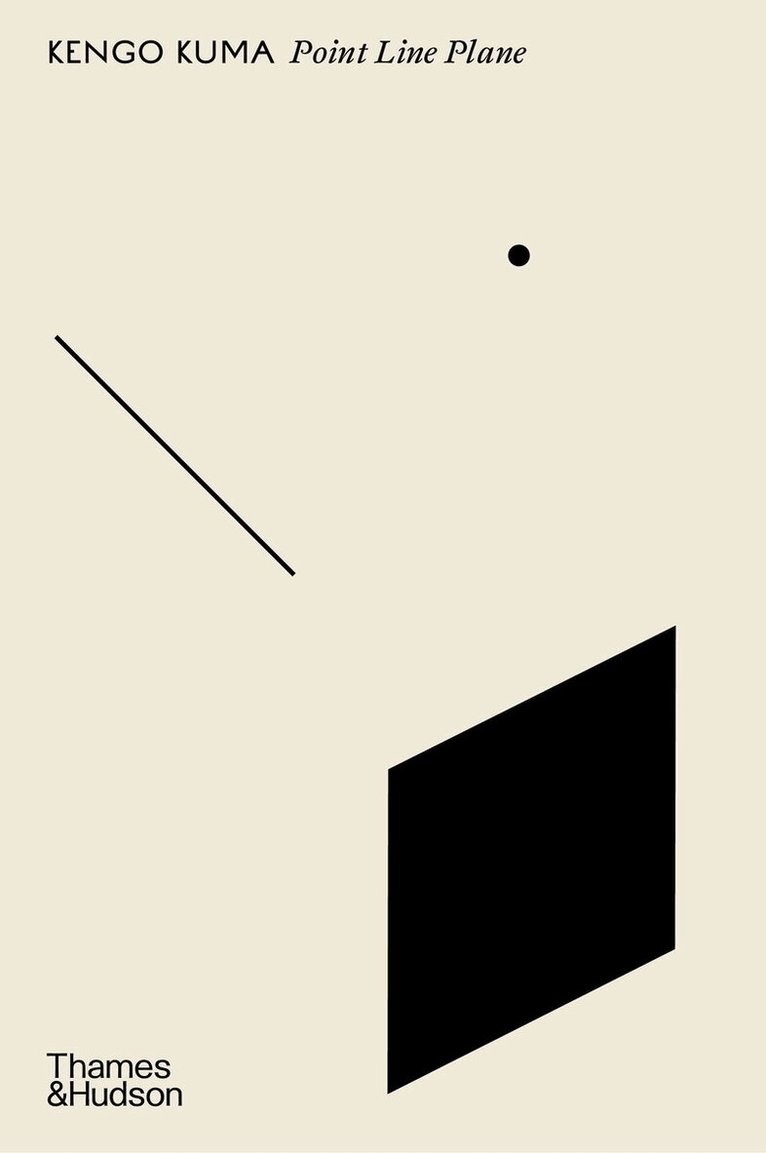
A collection of writings that sets out Kengo Kuma’s theories of architecture, but also a left field critique of where the architecture world finds itself today. Kengo Kuma is one of Japan’s leading architects and Professor Emeritus at the University of Tokyo. Widely known as a prolific writer and philosopher, he proposes architecture that opens up new relationships between nature, technology and human beings. Through a series of thought-provoking essays, he unveils his vision of architecture as a dynamic interplay between tradition and innovation, critiquing the megastructures and capitalist influences of the 20th century and challenging readers to reconsider the role of architecture in shaping our world. Drawing from diverse disciplines including art history, philosophy and literature, Kuma crafts a narrative that transcends the boundaries of traditional architectural theory, presenting a compelling manifesto for a new era of design – one that dismantles hard concrete volumes into points, lines and planes that celebrate the simplicity and sustainability of human connection.
525 kr
Kommande
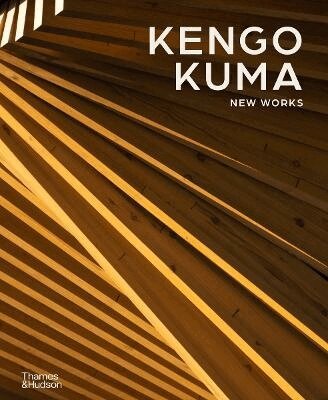
The second monograph on one of the world's pre-eminent architects – a follow-up to Kengo Kuma Complete Works, first published in 2012 and updated in 2018. Kengo Kuma is one of Japan’s leading architects and Professor Emeritus at the University of Tokyo. Widely known as a prolific writer and philosopher, he proposes architecture that opens up new relationships between nature, technology and human beings. In this book, Kuma's second monograph, forty projects are arranged according to building use, with a timely focus on those that respond to natural disasters and the pandemic, build on the importance of local communities and address our need to come together with other people. The projects range in scale and ambition, from Japan's Olympic Stadium – where Kuma used timber from every region in the country to build the nation's largest arena – to a small community centre in Yusuhara and a fairytale museum in Denmark. Each celebrates Kuma's skill using natural materials, as he pushes these to their limits to create exciting and surprising forms. A substantial introduction by Grace La considers Kuma's progression since the last book, as well as exploring the themes of his work and how they relate to the architecture world today. The projects for inclusion – stadiums and cultural centres, museums and houses, cafés and parks, temples and pavilions – have been chosen by Kuma himself as best representative of this stage in his career. None appear in the previous book.
176 kr
Skickas inom 7-10 vardagar
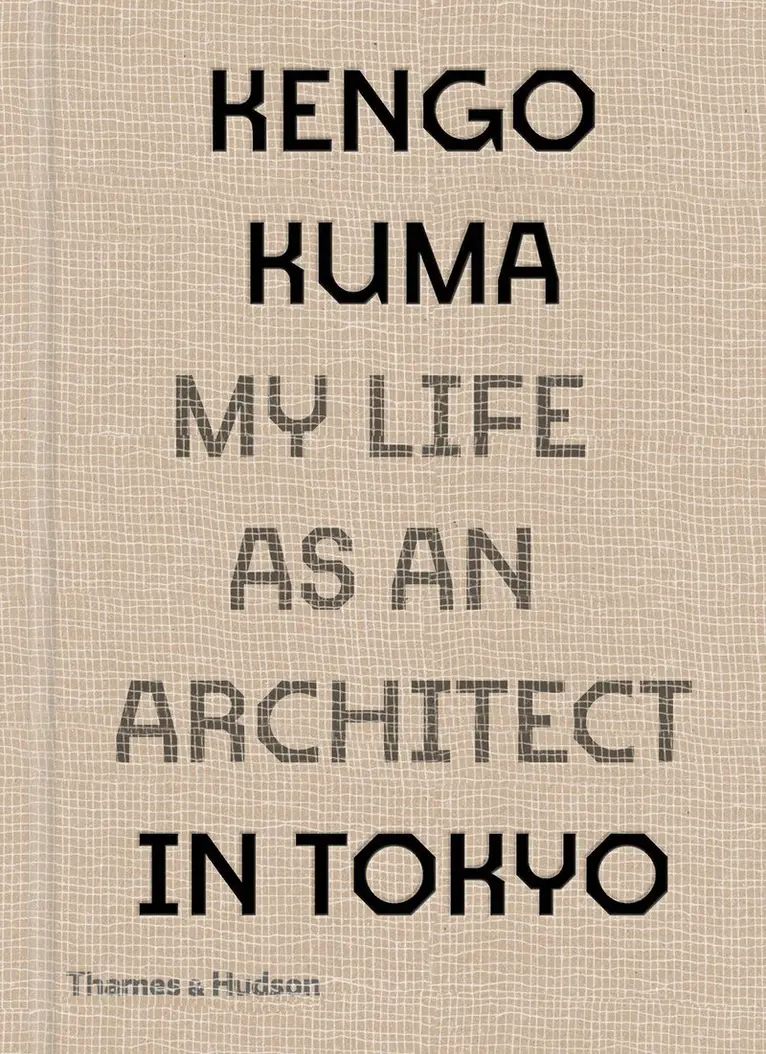
It was around Kengo Kuma’s tenth birthday that he came into contact with Kenzō Tange’s fishlike Yoyogi National Gymnasium, completed for the 1964 Tokyo Olympics, and determined that he would become an architect. In the intervening five or so decades, he has become one of the world’s most fascinating and influential architects. Kuma is known throughout the world for his formally daring and materially expressive buildings, recognized for his inventive use of traditional materials, and his use of innovative materials in vernacular forms. He is perhaps less known for his work inside his native Japan, where he works actively towards the preservation of ancient building techniques and craft. A keen curiosity for all forms of building and a wealth of knowledge about the world acquired through expansive travels make Kuma a unique commentator on Tokyo’s dynamic architecture. Through twenty-five stories, this intimate little publication paints a picture of how a building inspired a boy to become an architect, how Japan’s national heritage helped form his thinking, and how his professional experience has made him one of the most successful architects of his generation. This book contains something for everyone: design acumen, insights into Japanese culture, a tour of Tokyo and the heartfelt commitment to producing buildings that have meaning and longevity.With 41 illustrations, 21 in colour
673 kr
Skickas inom 5-8 vardagar
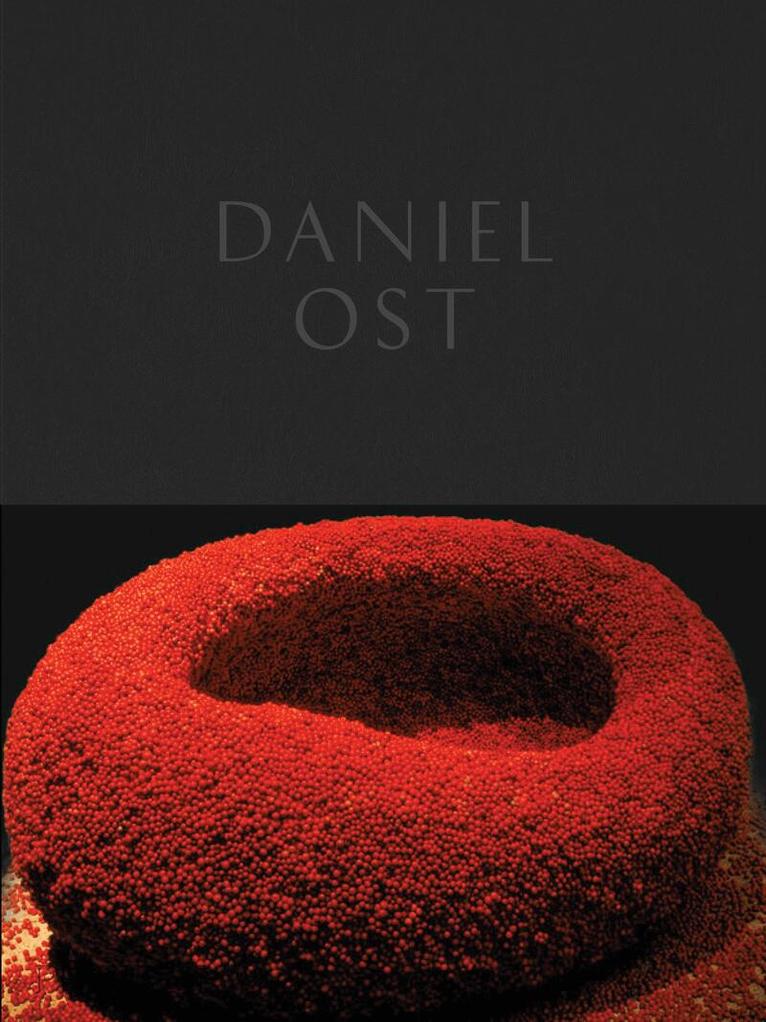
The most comprehensive monograph available on the internationally renowned Belgian floral artist and designer Daniel Ost.Daniel Ost’s work in floral design gores far beyond table arrangements to bridge the gap between floral design and art. Using elements from the natural world – flowers, branches, and plants of all varieties, Ost crates large-scale, site-specific constructions that at times enter the realms of sculpture and set design. Ost has created exquisite installations for royal residences, embassies, temples, international art exhibitions, and the fashion industry.Daniel Ost presents 80 of his most important projects while accompanying essays explore their significance and the inspiration behind them. Lavish photography illustrates each project in this visually inspiring sourcebook for all creative and design professionals.Texts by Dutch author Cees Nooteboom and Japanese architect Kengo Kuma reflect on the impact of Ost’s career.
520 kr
Skickas inom 3-6 vardagar
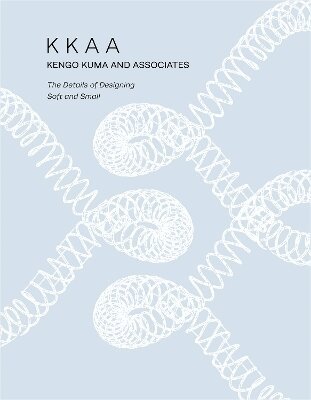
This new book on Kengo Kuma, one of the world’s most respected architects, focuses on architectural detailing throughout 38 global projects to discover his creative essence.
2 160 kr
Skickas inom 10-15 vardagar
Kengo Kuma, one of Japan’s leading architects, has been combining professional practice and academia for most of his career. In addition to creating many internationally recognized buildings all over the world, he has written extensively about the history and theory of architecture. Like his built work, his writings also reflect his profound personal philosophy. Architecture of Defeat is no exception. Now available in English for the first time, the book explores events and architectural trends in the twentieth and twenty-first centuries in both Japan and beyond. It brings together a collection of essays which Kuma wrote after disasters such as the destruction of the World Trade Center in New York City on 9/11 and the earthquake and tsunami that obliterated much of the built landscape on Japan’s northern shore in a matter of minutes in 2011. Asking if we have been building in a manner that is too self-confident or arrogant, he examines architecture’s intrinsic—and often problematic—relationship to the powerful forces of contemporary politics, economics, consumerism, and technology, as well as its vital ties to society. Despite the title, Architecture of Defeat is an optimistic and hopeful book. Rather than anticipating the demise of architecture, Kuma envisages a different mode of conceiving architecture: guided and shaped by more modesty and with greater respect for the forces of our natural world. Beautifully designed and illustrated, this is a fascinating insight into the thinking of one of the world’s most influential architects.
554 kr
Skickas inom 10-15 vardagar
Kengo Kuma, one of Japan’s leading architects, has been combining professional practice and academia for most of his career. In addition to creating many internationally recognized buildings all over the world, he has written extensively about the history and theory of architecture. Like his built work, his writings also reflect his profound personal philosophy. Architecture of Defeat is no exception. Now available in English for the first time, the book explores events and architectural trends in the twentieth and twenty-first centuries in both Japan and beyond. It brings together a collection of essays which Kuma wrote after disasters such as the destruction of the World Trade Center in New York City on 9/11 and the earthquake and tsunami that obliterated much of the built landscape on Japan’s northern shore in a matter of minutes in 2011. Asking if we have been building in a manner that is too self-confident or arrogant, he examines architecture’s intrinsic—and often problematic—relationship to the powerful forces of contemporary politics, economics, consumerism, and technology, as well as its vital ties to society. Despite the title, Architecture of Defeat is an optimistic and hopeful book. Rather than anticipating the demise of architecture, Kuma envisages a different mode of conceiving architecture: guided and shaped by more modesty and with greater respect for the forces of our natural world. Beautifully designed and illustrated, this is a fascinating insight into the thinking of one of the world’s most influential architects.
748 kr
Kommande
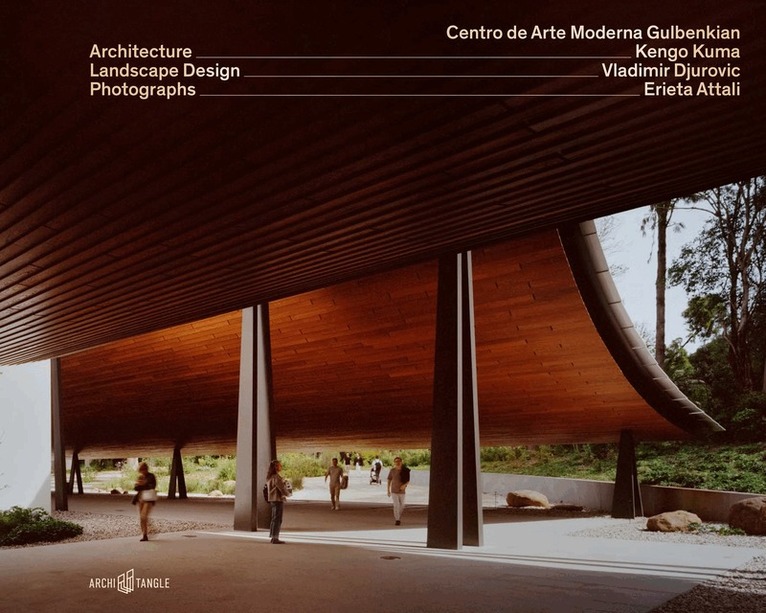
This volume celebrates the latest architectural endeavour of the Gulbenkian Foundation in Lisbon: the new building of the Centro de Arte Moderna (CAM), designed by architect Kengo Kuma in collaboration with the landscape architect Vladimir Djurovic. More than a building, this project is a living dialogue between architecture, nature and the city—transforming museum and garden into a unified public space, rooted in the Foundation’s cultural mission.Through the lens of Erieta Attali, acclaimed photographer and architecture historian, the building and its surrounding landscape are captured in striking, atmospheric images that reveal the subtle interplay of form, light and material. Her photographs—both precise and poetic—highlight how the building and garden create spaces for rest, interaction and shared experience.Accompanying Attali’s photographs are insightful texts that take the reader deeper into the story of the renewal. Attali introduces the project from her unique visual perspective, while conversations with Kuma and Djurovic reveal the close creative partnership between museum, architect, and landscape designer. An essay by architectural historian Ana Tostões anchors the project within the Gulbenkian Foundation’s legacy and evolving role as a public cultural force. Even more than a bold architectural gesture, the museum’s sculptural roof—Kuma’s poetic extension of the landscape— extends the building into the garden, dissolving boundaries and reclaiming the green space as an urban refuge.
723 kr
Tillfälligt slut
343 kr
Skickas
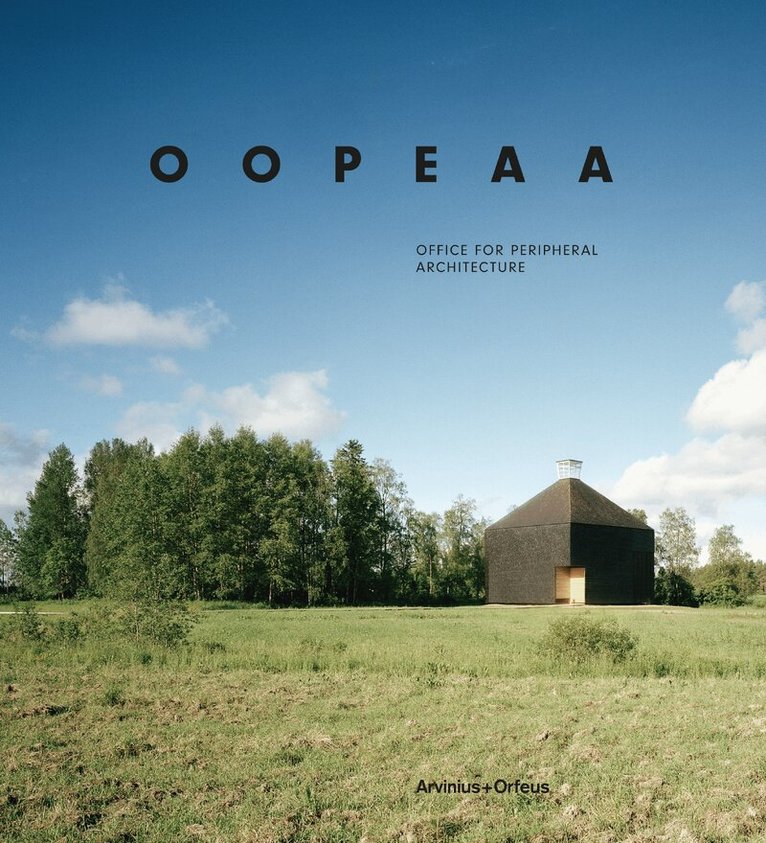
The story of OOPEAA began in a rural field in Finland, where the now-iconic Kärsämäki Shingle Church was built by hand by hundreds of volunteers over half a decade. In the years that followed, OOPEAA has established itself as one of Finland's leading architecture firms, one that is distinguished by a sensitivity to material and craftmanship - first under the name Lassila Hirvilammi Architects and, from 2014, as OOPEAA Office for Peripheral Architecture. In text, photographs and drawings, this book traces the office's development into one of the most innovative and exploritory architectural practices in the Nordic region today.