Erieta Attali - Böcker
Visar alla böcker från författaren Erieta Attali. Handla med fri frakt och snabb leverans.
3 produkter
3 produkter
333 kr
Skickas inom 7-10 vardagar
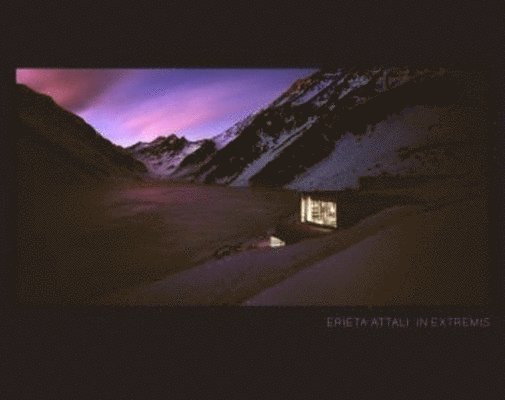
In Extremis is a cartography of contemporary global architecture, focusing upon the close relationship between different building types and the landscapes in which they are situated, illuminating the resonances and contrasts, continuities and discontinuities between new work and the natural or urban environment. With essays by Alessio Assonitis, Kenneth Frampton, Juhani Palaasma, Dimitri Philippidis, Jeannette Plaut, Jilly Traganou.
779 kr
Skickas inom 3-6 vardagar
748 kr
Kommande
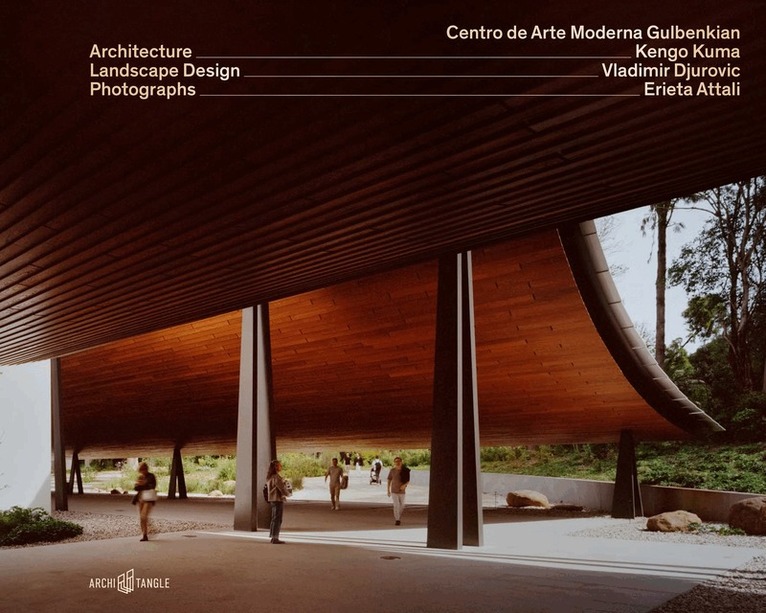
This volume celebrates the latest architectural endeavour of the Gulbenkian Foundation in Lisbon: the new building of the Centro de Arte Moderna (CAM), designed by architect Kengo Kuma in collaboration with the landscape architect Vladimir Djurovic. More than a building, this project is a living dialogue between architecture, nature and the city—transforming museum and garden into a unified public space, rooted in the Foundation’s cultural mission.Through the lens of Erieta Attali, acclaimed photographer and architecture historian, the building and its surrounding landscape are captured in striking, atmospheric images that reveal the subtle interplay of form, light and material. Her photographs—both precise and poetic—highlight how the building and garden create spaces for rest, interaction and shared experience.Accompanying Attali’s photographs are insightful texts that take the reader deeper into the story of the renewal. Attali introduces the project from her unique visual perspective, while conversations with Kuma and Djurovic reveal the close creative partnership between museum, architect, and landscape designer. An essay by architectural historian Ana Tostões anchors the project within the Gulbenkian Foundation’s legacy and evolving role as a public cultural force. Even more than a bold architectural gesture, the museum’s sculptural roof—Kuma’s poetic extension of the landscape— extends the building into the garden, dissolving boundaries and reclaiming the green space as an urban refuge.