Andrew A. Michta – författare
Visar alla böcker från författaren Andrew A. Michta. Handla med fri frakt och snabb leverans.
6 produkter
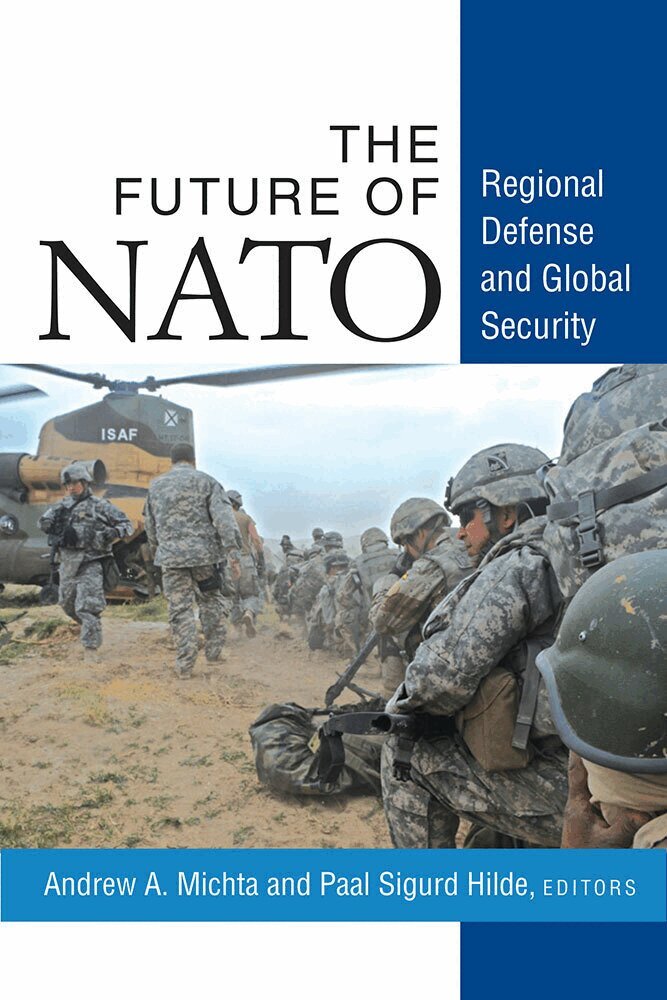
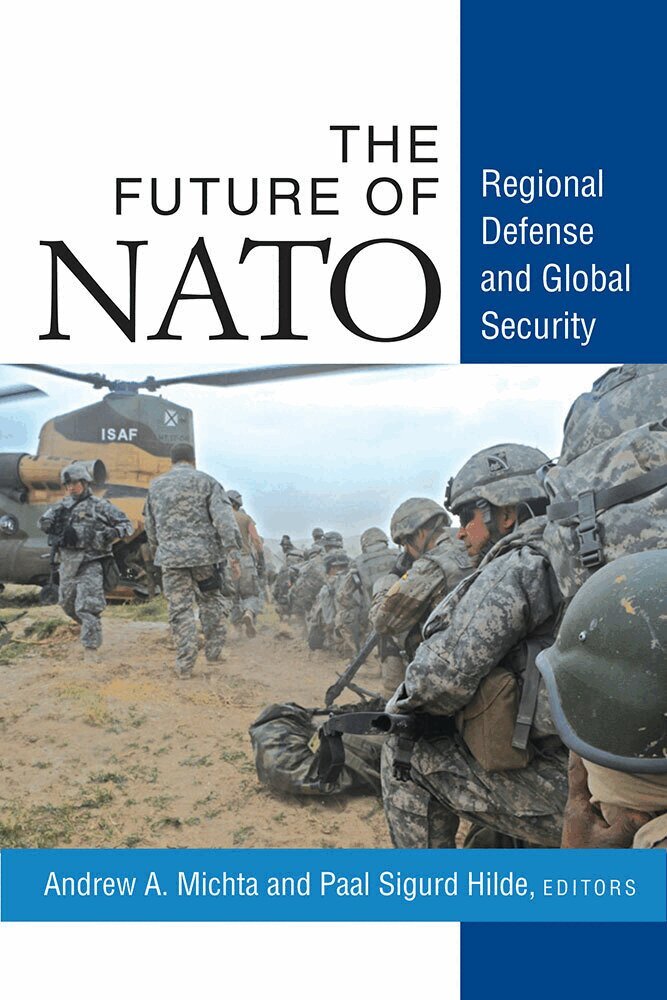
Future of NATO
Regional Defense and Global Security
Av Andrew A. Michta, Paal Sigurd Hilde
Häftad, 2014
397 kr
Lägg i varukorg
The conclusion of International Security Assistance Force (ISAF) operations in Afghanistan in 2014 closes an important chapter in the history of the North Atlantic Treaty Organization (NATO). In this volume, European and US experts examine a range of perennial issues facing the Alliance, including …
Future of NATO
Regional Defense and Global Security
Av Paal Sigurd Hilde, Andrew A. Michta
E-bok, 2014
606 kr
Lägg i varukorg
The conclusion of International Security Assistance Force (ISAF) operations in Afghanistan in 2014 closes an important chapter in the history of the North Atlantic Treaty Organization (NATO). In this volume, European and US experts examine a range of perennial issues facing the Alliance, including …
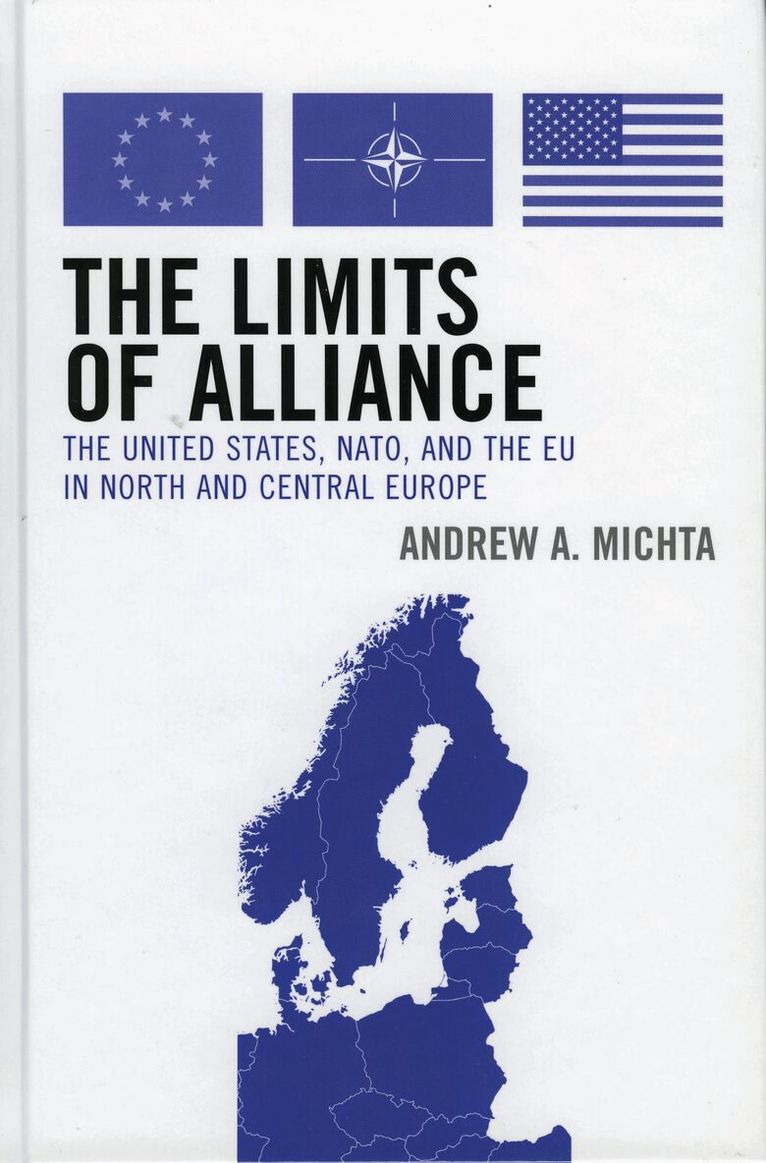
Limits of Alliance
The United States, NATO, and the EU in North and Central Europe
Inbunden, 2006
1415 kr
Lägg i varukorg
Are the relationships that the United States forged with North and Central Europe during the Cold War still viable today? As the North Atlantic Treaty Organization (NATO) declines and the European Security and Defense Policy (ESDP) emerges, can the United States and Europe bridge the transatlantic …
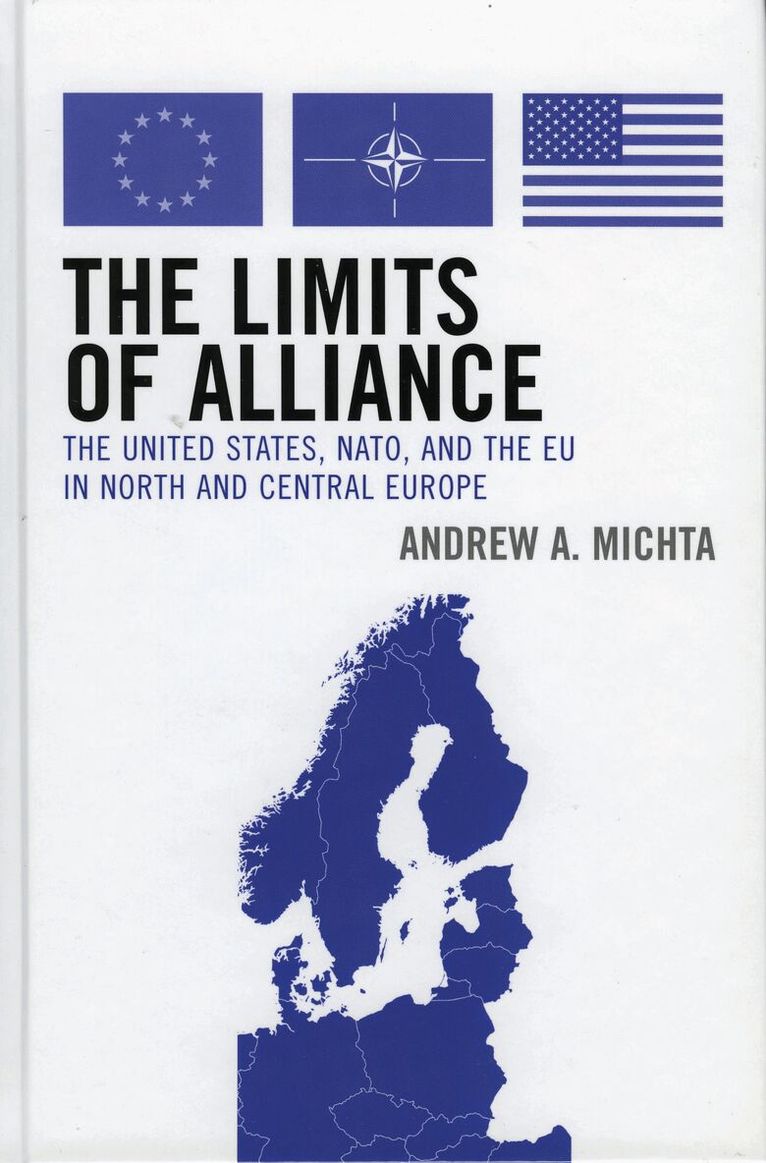
Limits of Alliance
The United States, NATO, and the EU in North and Central Europe
Häftad, 2006
528 kr
Lägg i varukorg
Are the relationships that the United States forged with North and Central Europe during the Cold War still viable today? As the North Atlantic Treaty Organization (NATO) declines and the European Security and Defense Policy (ESDP) emerges, can the United States and Europe bridge the transatlantic …
America's New Allies
Poland, Hungary, and the Czech Republic in NATO
Häftad, 1999
367 kr
Tillfälligt slut
America's New Allies comprehensively analyzes the strengths and liabilities that accompany the 1999 addition of three former Soviet satellite nations—Poland, Hungary, and the Czech Republic—to the ranks of the 16-member North Atlantic Treaty Organization. This controversial enlargement of NATO …
Future of NATO
Regional Defense and Global Security
Av Andrew A. Michta, Paal Sigurd Hilde
Inbunden, 2014
1054 kr
Tillfälligt slut
The conclusion of International Security Assistance Force (ISAF) operations in Afghanistan in 2014 closes an important chapter in the history of the North Atlantic Treaty Organization (NATO). In this volume, European and US experts examine a range of perennial issues facing the Alliance, including …