Andrew B. R. Elliott - Böcker
Visar alla böcker från författaren Andrew B. R. Elliott. Handla med fri frakt och snabb leverans.
9 produkter
9 produkter
489 kr
Skickas inom 10-15 vardagar
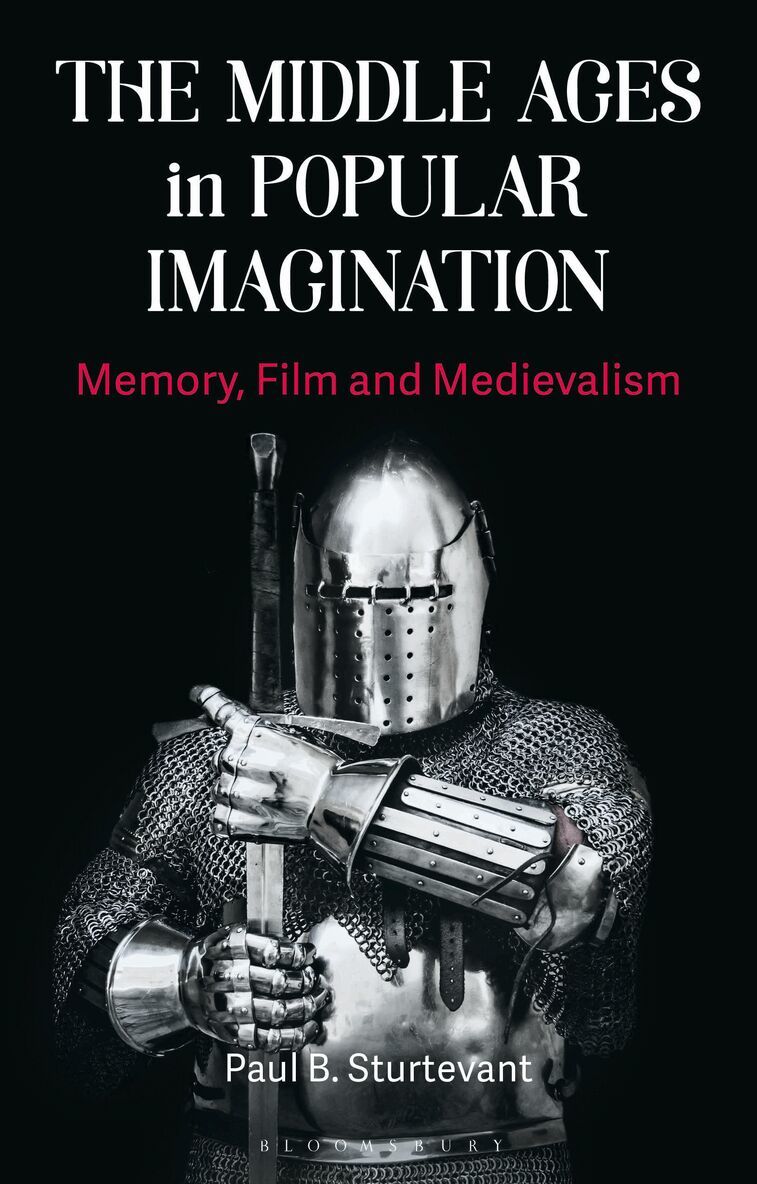
It is often assumed that those outside of academia know very little about the Middle Ages. But the truth is not so simple. Non-specialists in fact learn a great deal from the myriad medievalisms - post-medieval imaginings of the medieval world - that pervade our everyday culture. These, like Lord of the Rings or Game of Thrones, offer compelling, if not necessarily accurate, visions of the medieval world. And more, they have an impact on the popular imagination, particularly since there are new medievalisms constantly being developed, synthesised and remade. But what does the public really know? How do the conflicting medievalisms they consume contribute to their knowledge? And why is this important?In this book, the first evidence-based exploration of the wider public's understanding of the Middle Ages, Paul B. Sturtevant adapts sociological methods to answer these important questions. Based on extensive focus groups, the book details the ways - both formal and informal - that people learn about the medieval past and the many other ways that this informs, and even distorts, our present. In the process, Sturtevant also sheds light, in more general terms, onto the ways non-specialists learn about the past, and why understanding this is so important. The Middle Ages in Popular Imagination will be of interest to anyone working on medieval studies, medievalism, memory studies, medieval film studies, informal learning or public history.
1 396 kr
Kommande
The emergence of radical thought and politics in Europe is often traced back to the 17th century and the English Civil War to groups such as the Levellers and the Diggers. In such narratives, the Middle Ages is typically perceived as a time of traditionalism and conformism. In this interdisciplinary study, Daniel Wollenberg challenges readers to re-assess medieval Europe as a crucial locus of revolutionary thought, social justice, and political reform. An innovative examination of reformist and egalitarian ideas, Medieval Radicalism begins by grounding medieval radical thought in medieval Christian theology. Then, drawing on archival sources, Wollenberg shines a light on the calls, protests, and actions of societal – political, economic, and gendered – change across Europe from 1100 to the end of the English Civil War. This nuanced study pieces together reformist voices of the later medieval and early modern periods in Europe and counters notions of medieval orthodoxy. The result is a sophisticated analysis of voices of radicalism which will be of immense value to all scholars of medieval Europe.
499 kr
Skickas inom 10-15 vardagar
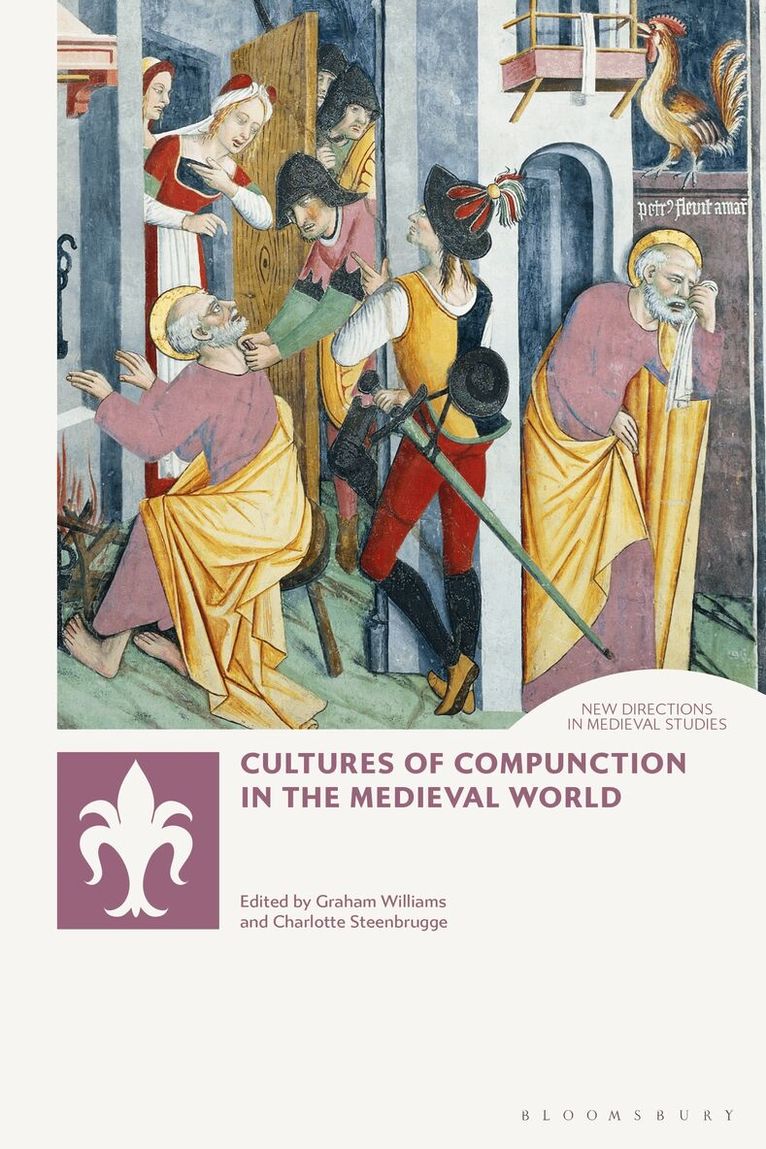
Compunction was one of the most important emotions for medieval Christianity; in fact, through its confessional function, compunction became the primary means for an affective sinner to gain redemption. Cultures of Compunction in the Medieval World explores how such emotion could be expressed, experienced and performed in medieval European society. Using a range of disciplinary approaches – including history, philosophy, art history, literary studies, performance studies and linguistics – this book examines how and why emotions which now form the bedrock of modern western culture were idealized in the Middle Ages. By bringing together expertise across disciplines and medieval languages, this important book demonstrates the ubiquity and impact of compunction for medieval life and makes wider connections between devotional, secular and quotidian areas of experience.
484 kr
Kommande
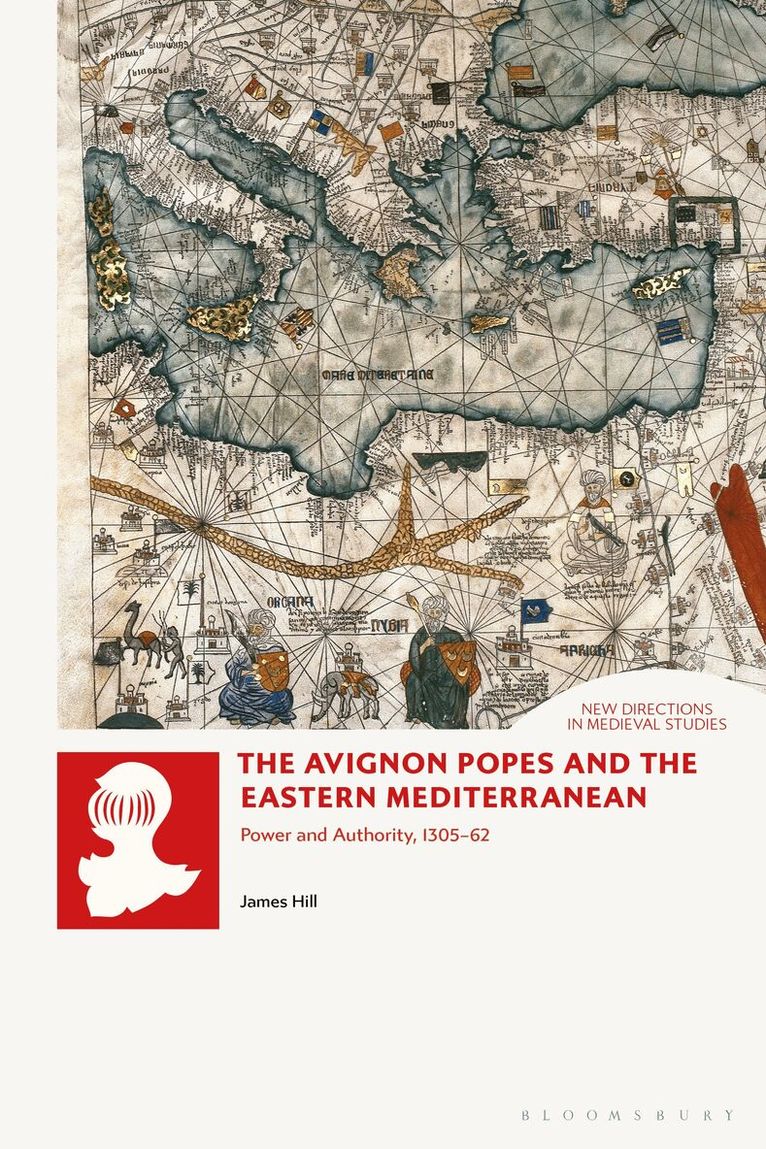
An exploration of how popes attempted to construct, maintain, and represent their power beyond Europe’s eastern frontiers during the Avignon period of the 14th century. After the main, numbered, crusades concluded with the loss of the Holy Land at the end of the 13th century, the papacy did not withdraw from or scale back its interests and activities in the Eastern Mediterranean. As the papacy moved to Avignon in 1305, in part to be nearer the increasingly troublesome Western and Northern European kingdoms, it maintained strong ties with the East and claimed control over a wide range of activities in the Eastern Mediterranean. This book, based primarily on the letters sent by the popes in the Vatican Archives, explores the power and authority of the popes in their attempts at influencing events in the Eastern Mediterranean during the 14th century.The Avignon Popes and the Eastern Mediterranean explores a wide set of circumstances and situations, taking into account efforts to control Latin activity beyond Europe, how the popes interacted with and attempted to control non-Latin Churches, and how the popes acted as a Europe-wide political body in diplomatic activities with the Mamluks and the Mongols. James Hill looks at how, in its dealings with the wider world, the papacy continuously encountered the same issue: its position as head of the Church gave it significant authority, but it was often unable to compel actions it wanted. Hill expertly charts how the popes attempted to use their authority to achieve concrete results, and the extent to which those attempts were successful.
1 142 kr
Skickas inom 10-15 vardagar
An exploration of how popes attempted to construct, maintain, and represent their power beyond Europe’s eastern frontiers during the Avignon period of the 14th century. After the main, numbered, crusades concluded with the loss of the Holy Land at the end of the 13th century, the papacy did not withdraw from or scale back its interests and activities in the Eastern Mediterranean. As the papacy moved to Avignon in 1305, in part to be nearer the increasingly troublesome Western and Northern European kingdoms, it maintained strong ties with the East and claimed control over a wide range of activities in the Eastern Mediterranean. This book, based primarily on the letters sent by the popes in the Vatican Archives, explores the power and authority of the popes in their attempts at influencing events in the Eastern Mediterranean during the 14th century.The Avignon Popes and the Eastern Mediterranean explores a wide set of circumstances and situations, taking into account efforts to control Latin activity beyond Europe, how the popes interacted with and attempted to control non-Latin Churches, and how the popes acted as a Europe-wide political body in diplomatic activities with the Mamluks and the Mongols. James Hill looks at how, in its dealings with the wider world, the papacy continuously encountered the same issue: its position as head of the Church gave it significant authority, but it was often unable to compel actions it wanted. Hill expertly charts how the popes attempted to use their authority to achieve concrete results, and the extent to which those attempts were successful.
1 698 kr
Skickas inom 10-15 vardagar
Compunction was one of the most important emotions for medieval Christianity; in fact, through its confessional function, compunction became the primary means for an affective sinner to gain redemption. Cultures of Compunction in the Medieval World explores how such emotion could be expressed, experienced and performed in medieval European society. Using a range of disciplinary approaches – including history, philosophy, art history, literary studies, performance studies and linguistics – this book examines how and why emotions which now form the bedrock of modern western culture were idealized in the Middle Ages. By bringing together expertise across disciplines and medieval languages, this important book demonstrates the ubiquity and impact of compunction for medieval life and makes wider connections between devotional, secular and quotidian areas of experience.
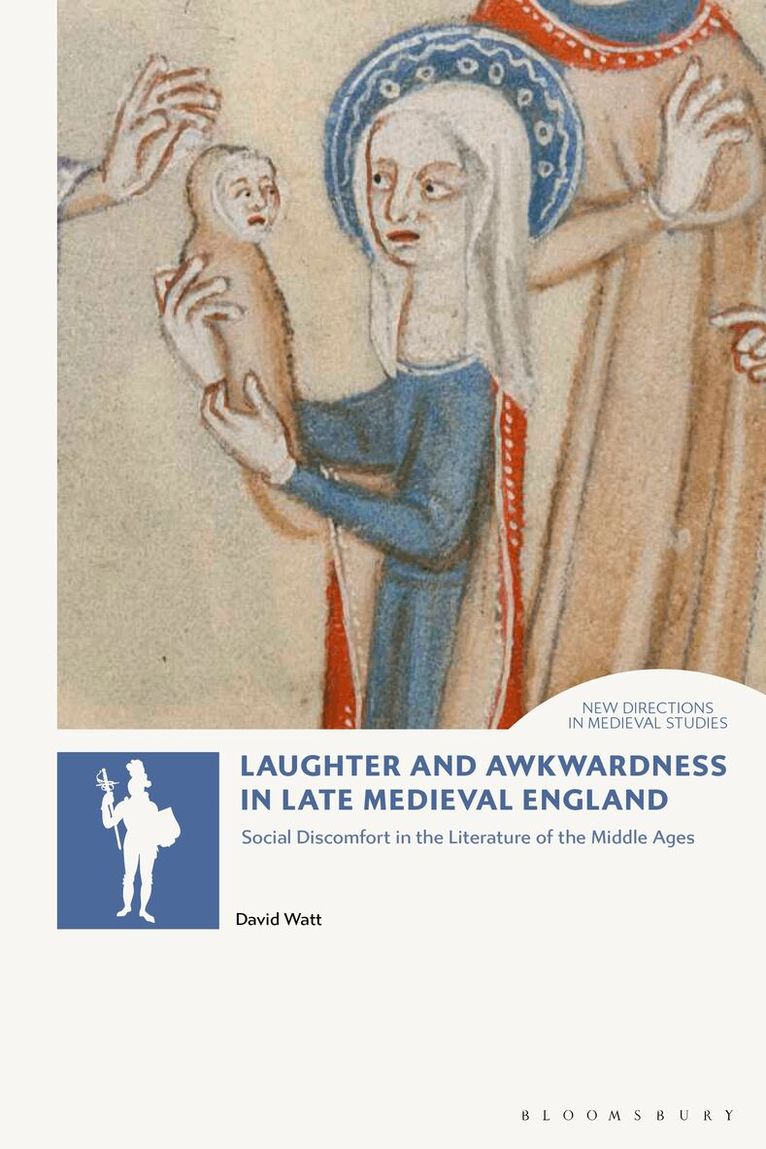
Laughter and Awkwardness in Late Medieval England
Social Discomfort in the Literature of the Middle Ages
Inbunden, Engelska, 2023
1 245 kr
Skickas inom 10-15 vardagar
'We live,’ according to Adam Kotsko, ‘in an awkward age.’ While this condition may present some challenges, it may also help us to be more attuned to awkwardness in other ages. This book pairs medieval texts with twenty-first century films or television programmes to explore what the resonance between them can tell us about living together in an awkward age.In this nuanced and engaging study, David Watt focuses especially, but not exclusively, on the 15th century, which seems to intervene awkwardly in the literary trajectory between Chaucer and the Renaissance. This book’s hypothesis is that the social discomfort depicted and engendered by writers as diverse as Thomas Hoccleve, Margery Kempe, and Sir Thomas Malory is a feature rather than a flaw. Laughter and Awkwardness in Late Medieval England explains that these authors have a great deal in common with other fifteenth-century authors, who generated embodied experiences of social discomfort in a range of genres by adopting and adapting literary techniques used by their predecessors and successors in slightly different ways. Like the twenty-first century texts with which they are paired, the late-medieval texts that feature in this book use the relationship between laughter and awkwardness to ask what it means to live with each other and how we can learn to live with ourselves.
933 kr
Kommande
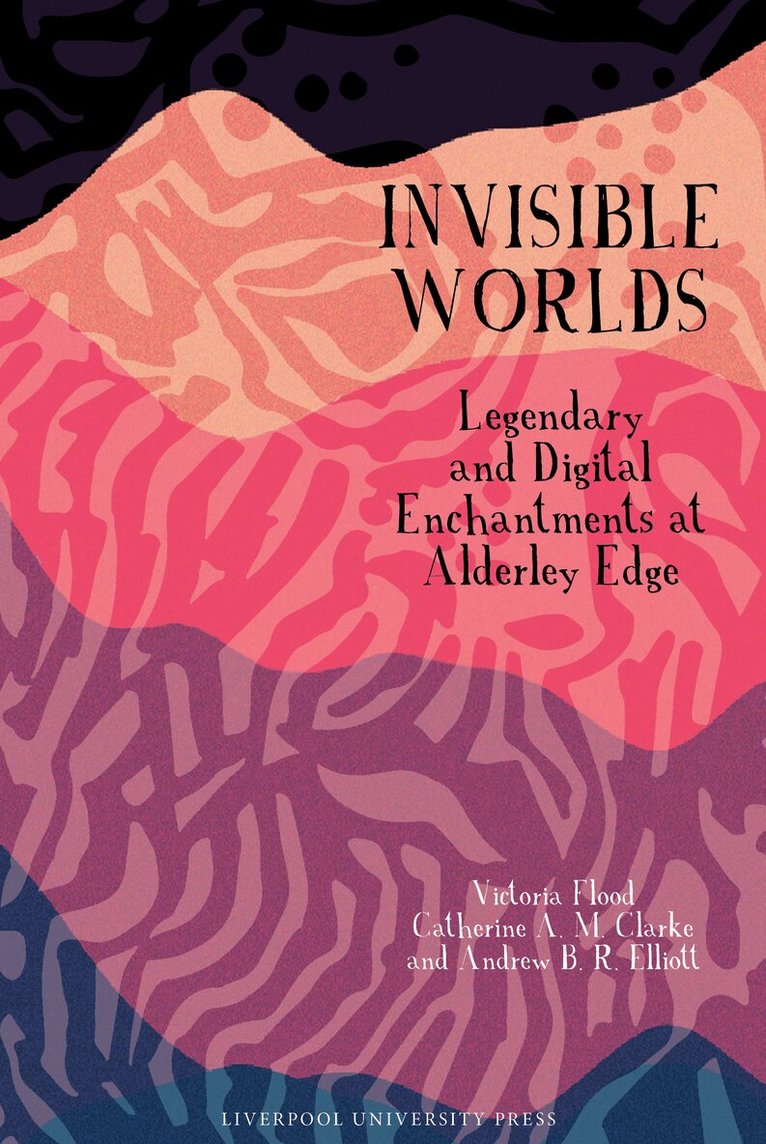
An Open Access edition will be available on the Liverpool University Press website on publication, thanks to funding from the Arts and Humanities Research Council (AHRC).Invisible Worlds explores the legends of Alderley Edge, in NE Cheshire, in fiction, community response, and creative and digital remediations. The culmination of a major 5-year research project, this co-authored study brings together literary criticism, creative practice, and public and digital medievalism to present new trans-disciplinary approaches to the study of place, taking as a case study the entangled legends and environmental and human histories of this remarkable site. A red sandstone escarpment above a network of mines, Alderley Edge is home to the medievalist legend of the sleeping knights, who rest beneath the hill and will awaken at a time of crisis. This powerful piece of folklore has inspired a rich tapestry of legendary imaginings – literary, public, and personal – associated with Alderley Edge. The volume traces the historical and contemporary life of these legends, from medieval romance to Alan Garner, asking how emplaced, and palimpsestic, medievalism of this type might form the basis of a creative and scholarly public-facing intervention communicating the value of non-built heritage and even issuing a call for environmental conservation.
Del 10 - Medievalism
Medievalism, Politics and Mass Media
Appropriating the Middle Ages in the Twenty-First Century
Inbunden, Engelska, 2017
383 kr
Skickas inom 7-10 vardagar
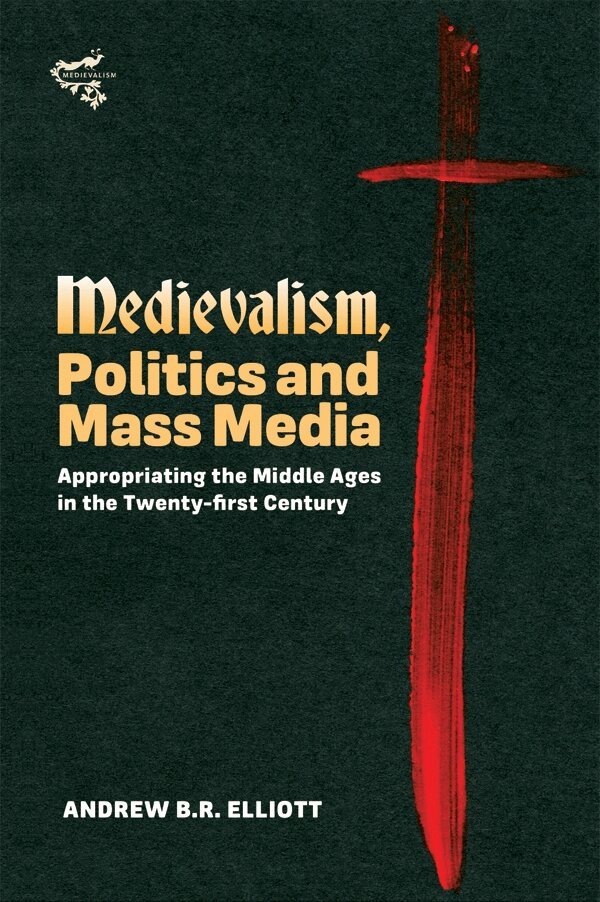
An exploration of how the Middle Ages are manipulated ideologically in today's communication.In 2001, George Bush provoked global uproar by describing the nascent War on Terror as a "Crusade". His comments, however, were welcomed by Al-Qaeda, who had long been describing Western powers in precisely the same terms, as modern Crusaders once again invading the Middle East. Ten years later in 2011, Anders Behring Breivik launched a tragic attack in Norway, killing 77 unarmed civilians, mostly teenagers. Breivik saw himself as a Templar Knight, a member of a group of knights allegedly resurrected in London in 2002 by one "Lionheart". Later investigations suggested that the blogger, Lionheart, might have had links to the right-wing, anti-Muslim, English Defence League and otherso-called "counterjihad" blogging networks decrying an Islamic invasion of Europe.Though extreme examples, these cases all share a crucial detail: the framing of current political issues in terms of recognisable medieval precedents. In the widespread use of medievalism across social- and mass-media channels, it is clear that such political medievalisms are not intended as a specific reference to a historical precedent, but as a use of the past for modern concerns. The argument of this book is that we need new ways of analysing this kind of medievalism; extending far beyond the concept of anachronism or inaccuracy, references to Crusades, Templars and Vikings affect the way weunderstand our world. Using theories of communication and media studies to examine popular medievalism, the author investigates what effect such medieval terminology can have on a mass-mediated audience and on the understanding of the Middle Ages in general.ANDREW B.R. ELLIOTT is Senior Lecturer in Media and Cultural Studies, University of Lincoln.