Catherine A. M. Clarke – författare
Visar alla böcker från författaren Catherine A. M. Clarke. Handla med fri frakt och snabb leverans.
8 produkter
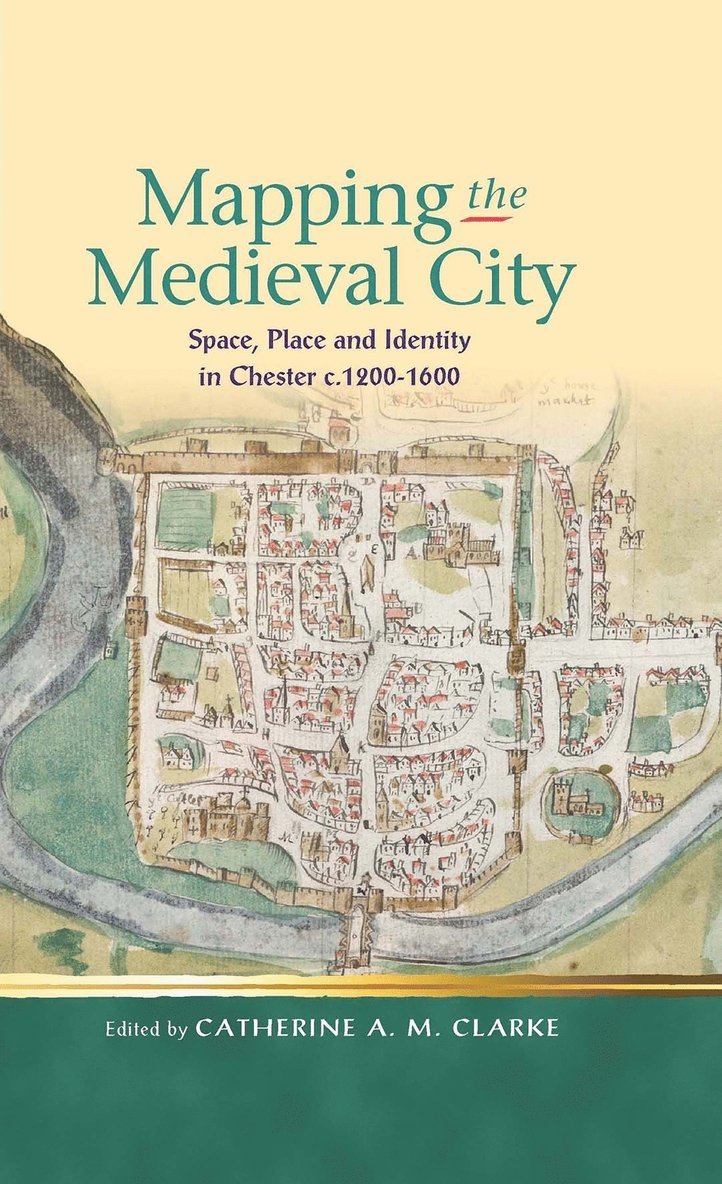
Mapping the Medieval City
Space, Place and Identity in Chester, C.1200-1600
Av Catherine A. M. Clarke, Catherine Clarke m. fl.
E-bok, 2011
158 kr
Lägg i varukorg
This ground-breaking volume brings together contributions from scholars across a range of disciplines (including literary studies, history, geography and archaeology) to investigate questions of space, place and identity in the medieval city.
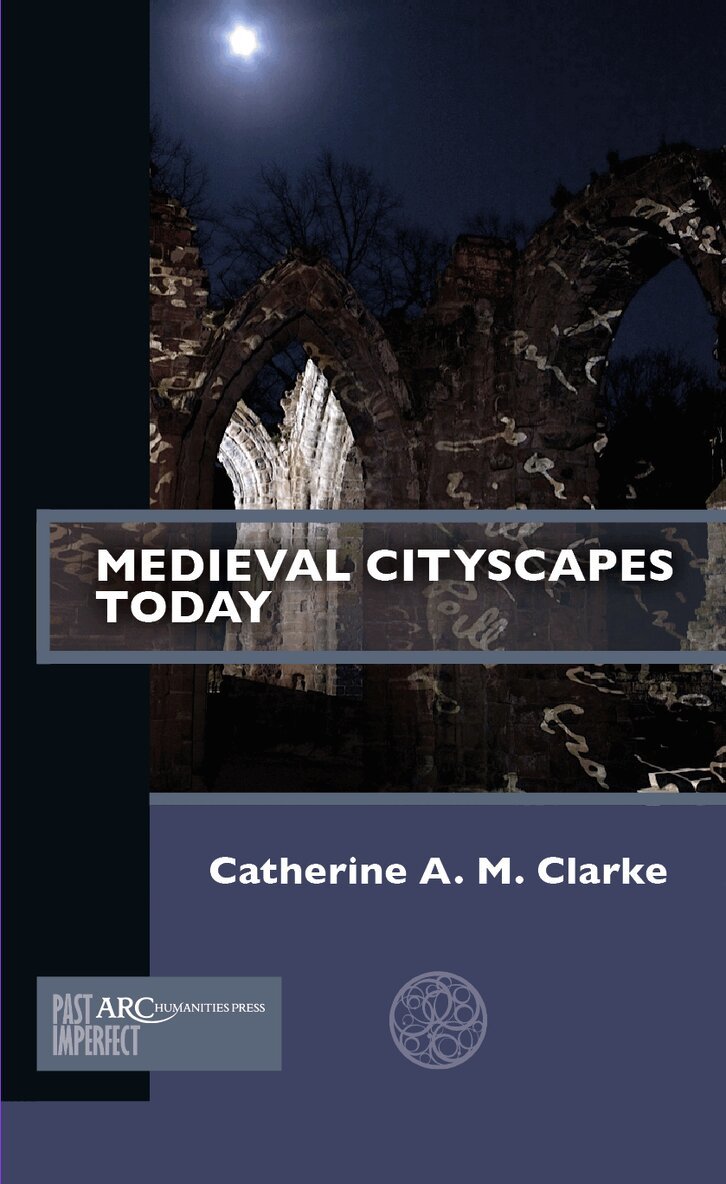
Medieval Cityscapes Today
Häftad, 2019
301 kr
Lägg i varukorg
This book explores medieval cityscapes within the modern urban environment, using place as a catalyst to forge connections between past and present, and investigating timely questions concerning theoretical approaches to medieval urban heritage, as well as the presentation and interpretation of …
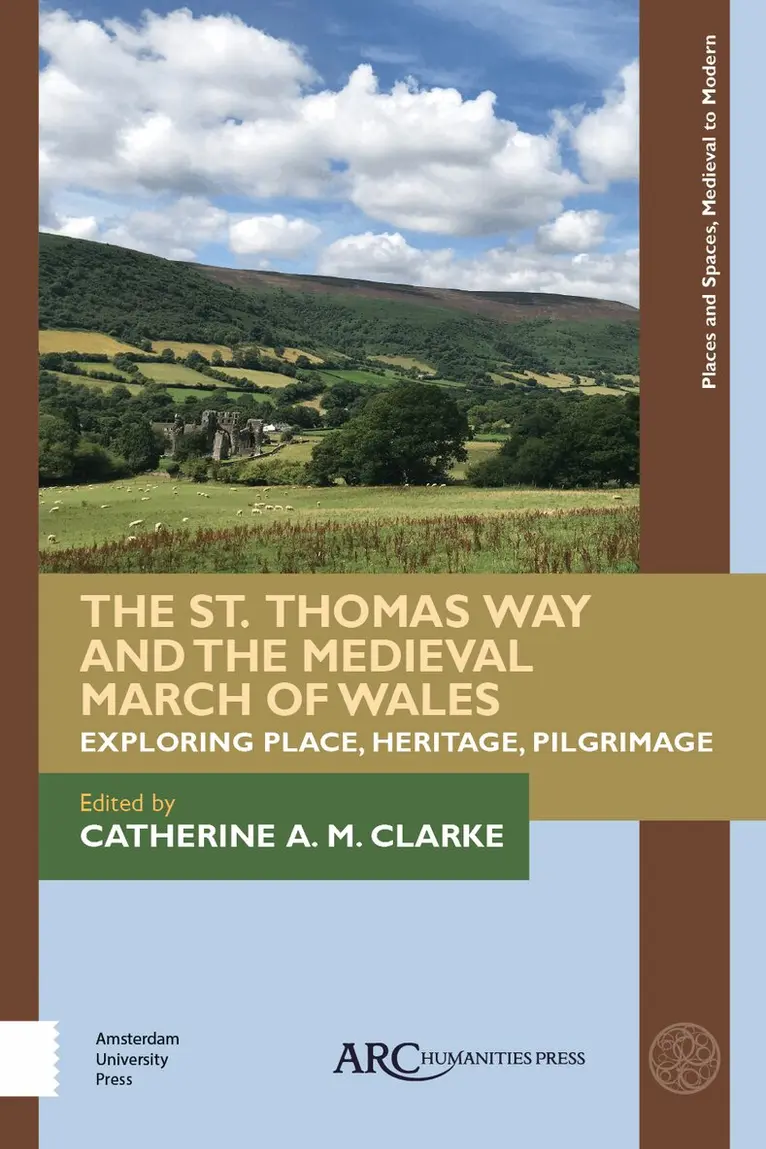
St. Thomas Way and the Medieval March of Wales
Exploring Place, Heritage, Pilgrimage
Inbunden, 2020
1957 kr
Lägg i varukorg
The St. Thomas Way is a new heritage route from Swansea to Hereford that invites visitors to step into the rich and complex history of the medieval March of Wales. This volume brings together studies and reflections by those involved in the project, explores the St. Thomas Way as a visitor …
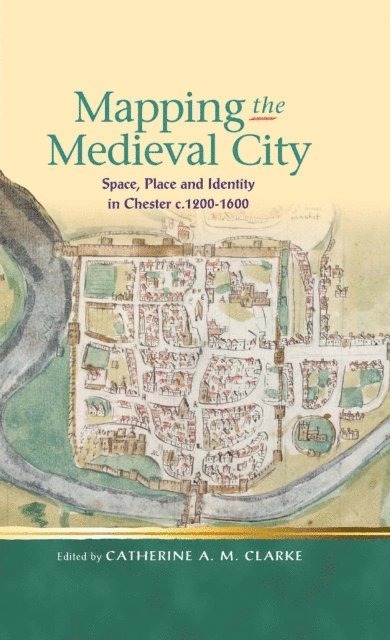
Mapping the Medieval City
Space, Place and Identity in Chester, C.1200-1600
Av Catherine A M Clarke, Catherine A. M. Clarke
E-bok, 2011
154 kr
Lägg i varukorg
This ground-breaking volume brings together contributions from scholars across a range of disciplines (including literary studies, history, geography and archaeology) to investigate questions of space, place and identity in the medieval city. Using Chester as a case study - with attention to its …
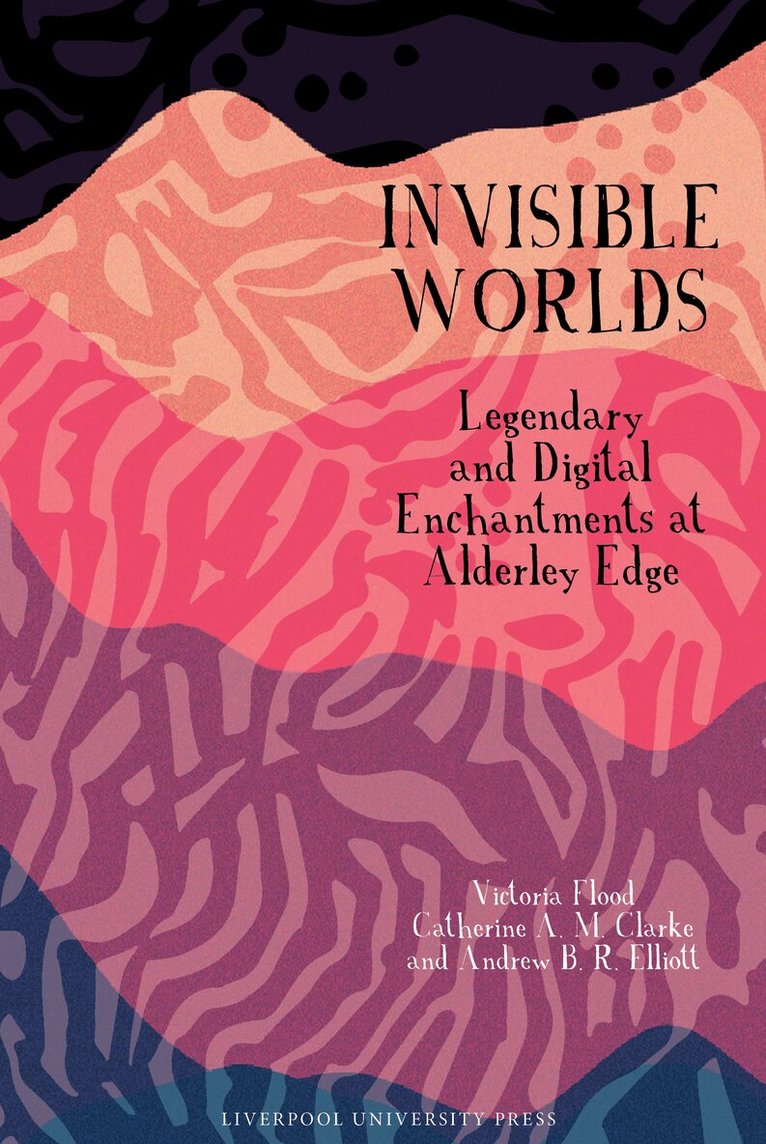
Invisible Worlds
Legendary and Digital Enchantments at Alderley Edge
Av Victoria Flood, Catherine A. M. Clarke m. fl.
Häftad, 2027
570 kr
Kommande
An Open Access edition will be available on the Liverpool University Press website on publication, thanks to funding from the Arts and Humanities Research Council (AHRC).Invisible Worlds explores the legends of Alderley Edge, in NE Cheshire, in fiction, community response, and creative and digital …
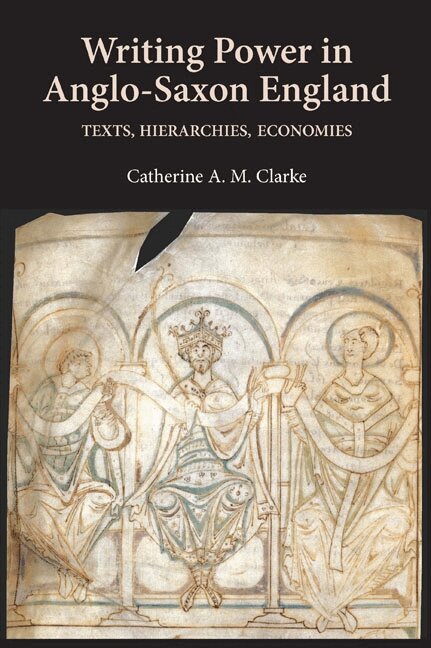
Writing Power in Anglo-Saxon England
Texts, Hierarchies, Economies
Inbunden, 2012
1270 kr
Lägg i varukorg
New study of the complexities of how power operates in a number of Anglo-Saxon texts.A work of fine and nuanced intelligence... Skilled and learned readings of a number of important texts. Fluent, polished, and beautifully written. Dr Katy Cubitt, University of York.The formation and operation of …
Mapping the Medieval City
Space, Place and Identity in Chester, C.1200-1600
Av Catherine A. M. Clarke, Catherine Clarke m. fl.
Inbunden, 2011
619 kr
Tillfälligt slut
This ground-breaking volume brings together contributions from scholars across a range of disciplines (including literary studies, history, geography and archaeology) to investigate questions of space, place and identity in the medieval city. Using Chester as a case study - with attention to its …
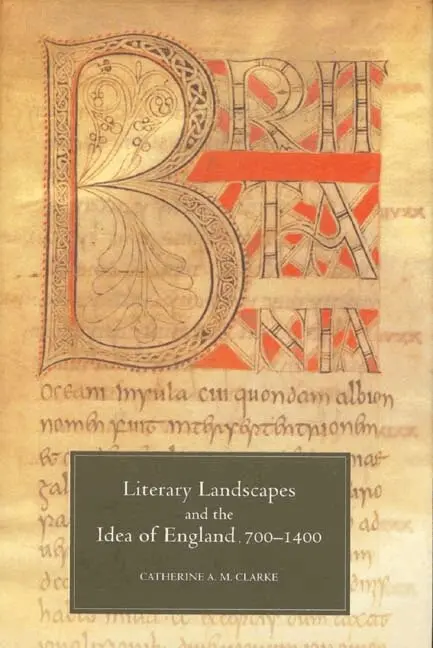
Literary Landscapes and the Idea of England, 700-1400
Inbunden, 2006
757 kr
Tillfälligt slut
Pastoral and locus amoenus traditions in Medieval English literature, and the early mythologisation of English landscape, space and identity through pastoral topoi.In its exploration of literary representations of ideal landscapes and the production of English identity across Latin and vernacular …