Andrew Dickos – författare
Visar alla böcker från författaren Andrew Dickos. Handla med fri frakt och snabb leverans.
9 produkter
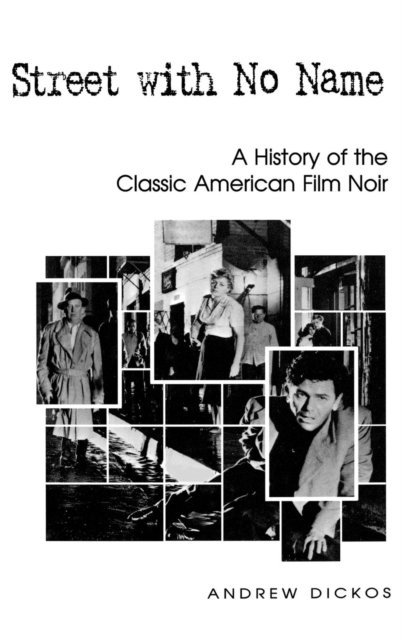
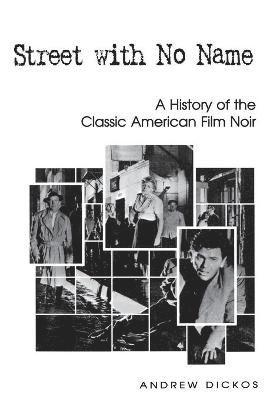
Street with No Name
A History of the Classic American Film Noir
E-bok, 2002
227 kr
Lägg i varukorg
This history of film noir explores the legacy and aesthetic roots of American filmmakers including Orson Welles, John Huston, Otto Preminger, and others.Flourishing in the United States during the 1940s and 50s, the bleak, violent genre of filmmaking known as film noir reflected the attitudes of …
Intrepid Laughter
Preston Sturges and the Movies
Häftad, 2013
395 kr
Lägg i varukorg
Throughout his career, Preston Sturges (1898--1959) was known for bringing sophistication and wit to the genre of comedy, establishing himself as one of the most valuable writer-directors in 1940s Hollywood. Today, more than fifty years after they were originally produced, his films have lost …
Intrepid Laughter
Preston Sturges and the Movies
E-bok, 2013
227 kr
Lägg i varukorg
The life and career of the pioneering writer-director whose name is synonymous with sophisticated screwball comedies.Preston Sturges was known for bringing sophistication and wit to the genre of comedy, establishing himself as one of the most valuable writer-directors in 1940s Hollywood. Today, …
Intrepid Laughter
Preston Sturges and the Movies
E-bok, 2013
227 kr
Lägg i varukorg
The life and career of the pioneering writer-director whose name is synonymous with sophisticated screwball comedies.Preston Sturges was known for bringing sophistication and wit to the genre of comedy, establishing himself as one of the most valuable writer-directors in 1940s Hollywood. Today, …
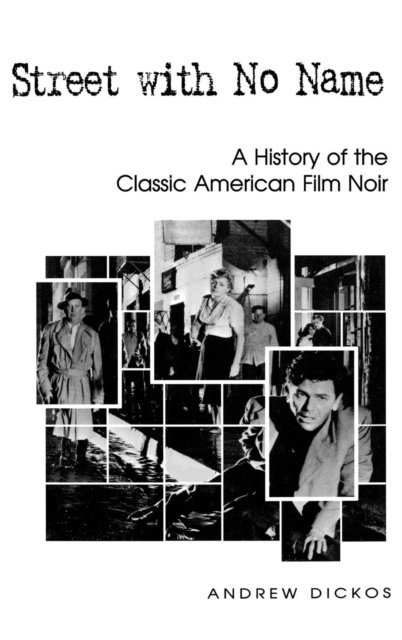
Street with No Name
A History of the Classic American Film Noir
Häftad, 2013
531 kr
Lägg i varukorg
A Choice Outstanding Academic TitleFlourishing in the United States during the 1940s and 50s, the bleak, violent genre of filmmaking known as film noir reflected the attitudes of writers and auteur directors influenced by the events of the turbulent mid-twentieth century. Films such as Force of …
Street with No Name
A History of the Classic American Film Noir
E-bok, 2002
890 kr
Lägg i varukorg
A Choice Outstanding Academic Title Flourishing in the United States during the 1940s and 50s, the bleak, violent genre of filmmaking known as film noir reflected the attitudes of writers and auteur directors influenced by the events of the turbulent mid-twentieth century. Films such as Force of …
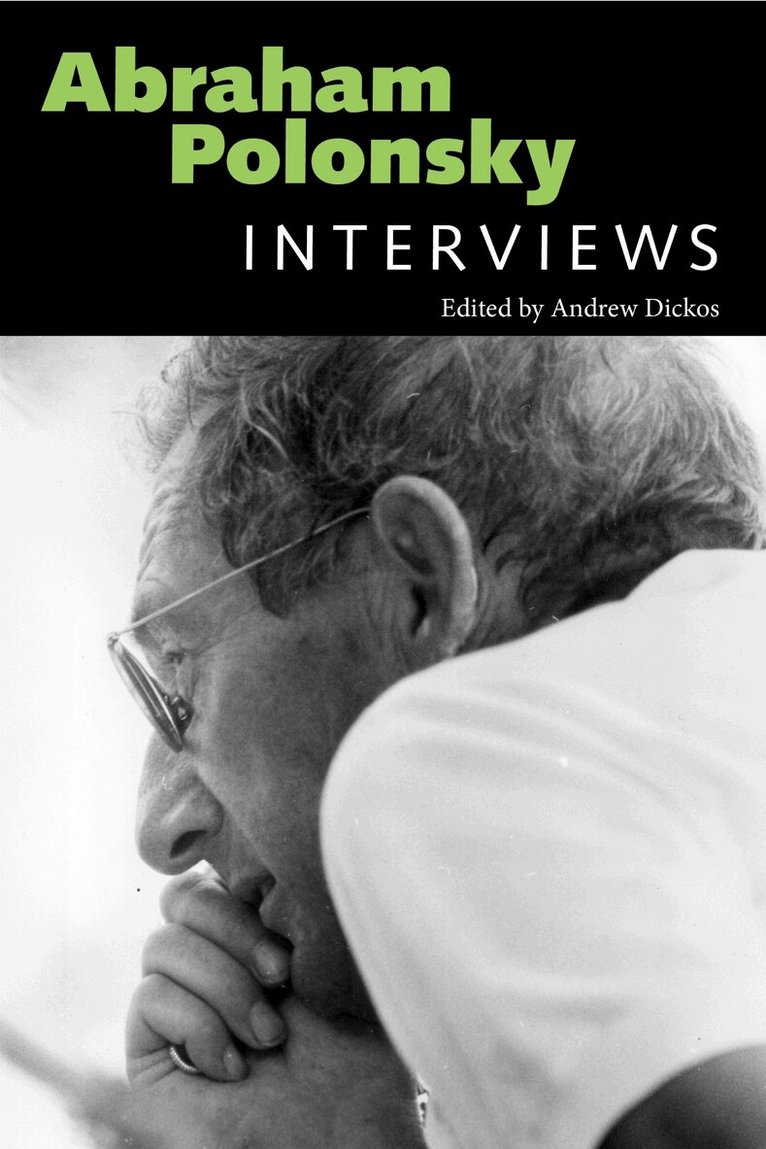
Abraham Polonsky
Interviews
Av Andrew Dickos, Andrew Dickos
Häftad, 2024
379 kr
Lägg i varukorg
Abraham Polonsky (1910–1999), screenwriter and filmmaker of the mid-twentieth-century Left, recognized his writerly mission to reveal the aspirations of his characters in a material society structured to undermine their hopes. In the process, he ennobled their struggle. His auspicious beginning in …
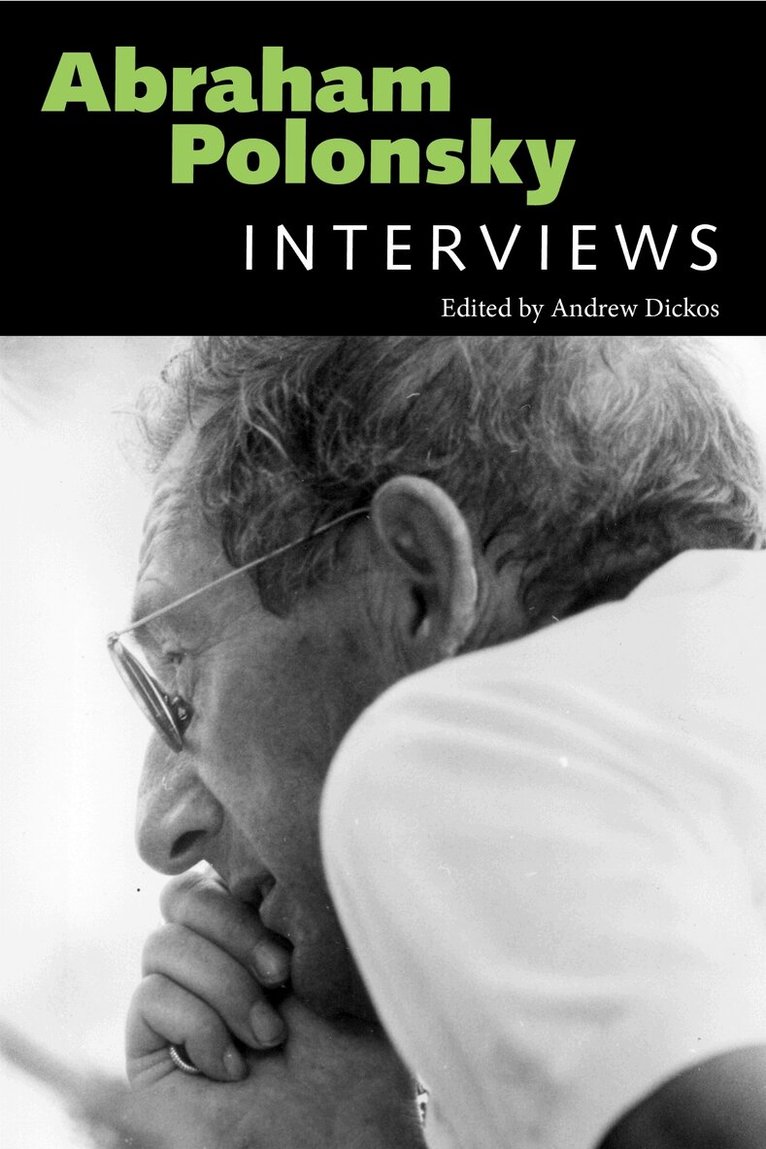
Abraham Polonsky
Interviews
Av Abraham Polonsky, Andrew Dickos
Inbunden, 2012
489 kr
Lägg i varukorg
Abraham Polonsky (1910-1999), screenwriter and filmmaker of the mid-twentieth-century Left, recognized his writerly mission to reveal the aspirations of his characters in a material society structured to undermine their hopes. In the process, he ennobled their struggle. His auspicious beginning in …