Andrew Dunlop – författare
Visar alla böcker från författaren Andrew Dunlop. Handla med fri frakt och snabb leverans.
3 produkter
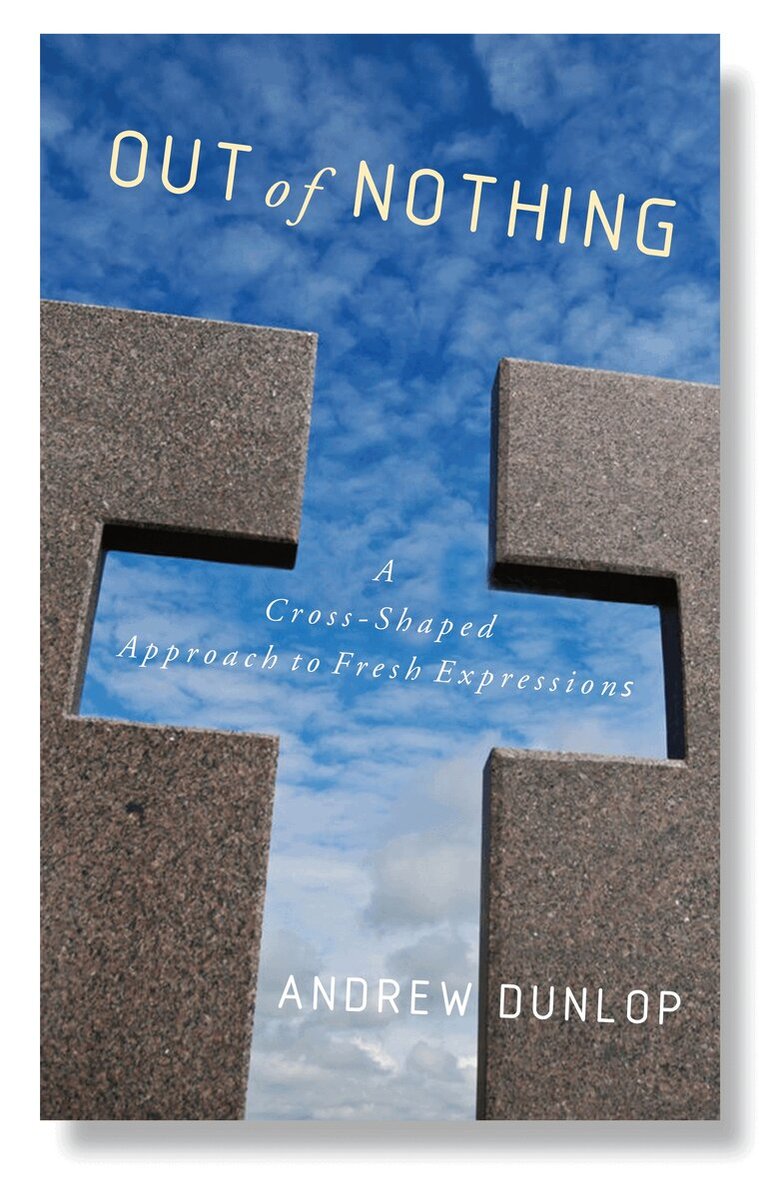
Out of Nothing
A Cross-Shaped Approach to Fresh Expressions
Häftad, 2018
381 kr
Lägg i varukorg
The two key questions often levelled at fresh expressions are ‘What is Church?’ and ‘How on earth can a fresh expression be evaluated?’ In "Out of Nothing", Andrew Dunlop offers an account of his journey in starting a fresh expression, and along the way proposes an alternative theological …
Out of Nothing
A Cross-Shaped Approach to Fresh Expressions
E-bok, 2017
299 kr
Lägg i varukorg
The two key questions often levelled at fresh expressions are ‘What is Church?’ and ‘How on earth can a fresh expression be evaluated?’ In "Out of Nothing", Andrew Dunlop offers an account of his journey in starting a fresh expression, and along the way proposes an alternative theological …
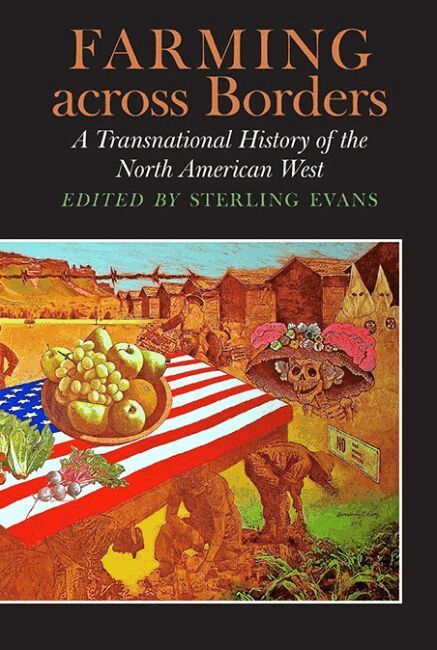
Farming Across Borders
A Transnational History of the North American West
Av Timothy P. Bowman, Kristin Hoganson m. fl.
Inbunden, 2017
754 kr
Lägg i varukorg
Farming across Borders uses agricultural history to connect the regional experiences of the American West, northern Mexico, western Canada, and the North American side of the Pacific Rim, now writ large into a broad history of the North American West. Case studies of commodity production and …