Andrew Hardy – författare
Visar alla böcker från författaren Andrew Hardy. Handla med fri frakt och snabb leverans.
8 produkter
Barefoot Anthropologist
The Highlands of Champa and Vietnam in the Words of Jacques Dournes
Av Andrew Hardy
Häftad, 2015
382 kr
Lägg i varukorg
French anthropologist Jacques Dournes lived in Vietnam for 25 years, from 1946 to 1970, studying the culture of the Jarai and other highland ethnic groups. He became a renowned ethnographer and the Jarai people became his lifelong passion.In part 1 of this study, Andrew Hardy explores Dournes’s …
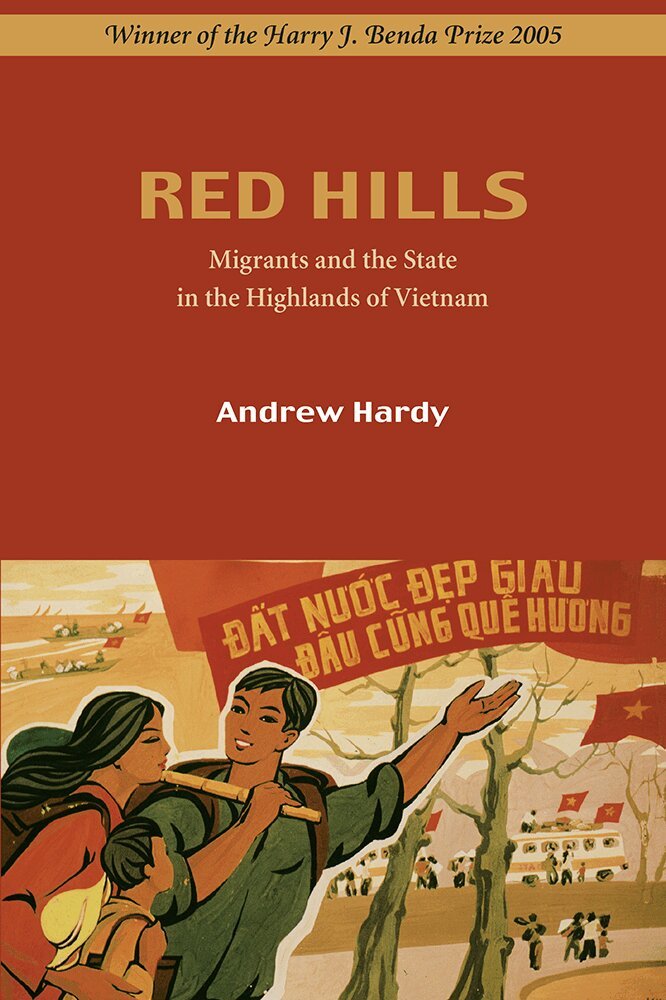
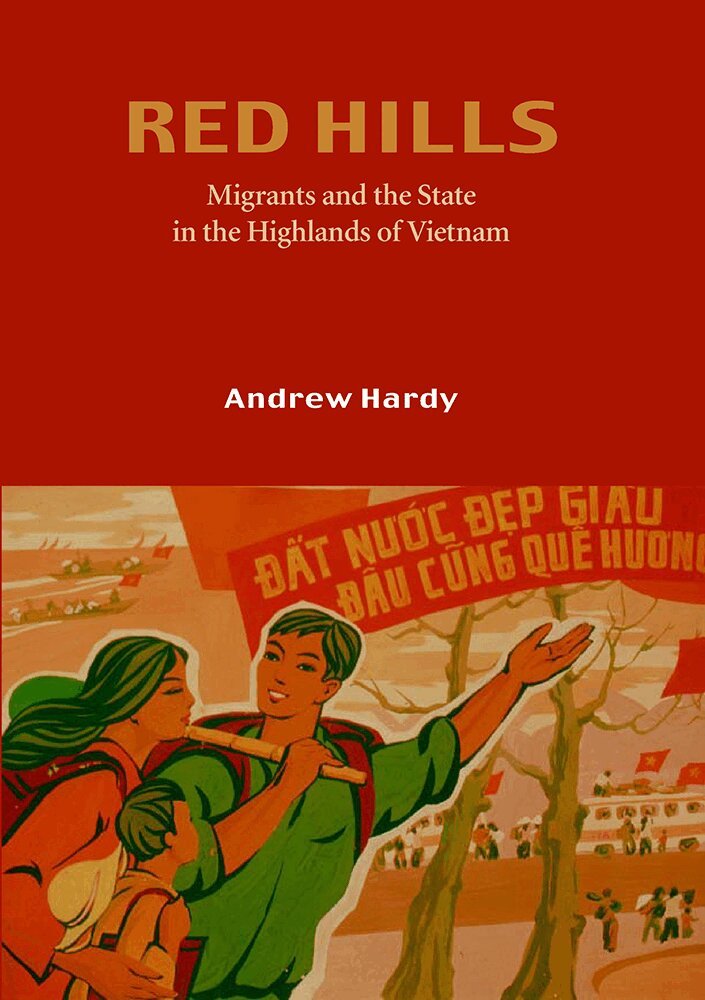
Red Hills
Migrants and the State in the Highlands of Vietnam
Av Andrew Hardy
Häftad, 2005
300 kr
Lägg i varukorg
Several million rural inhabitants of Vietnam's northern deltas made the decision to move home during the 20th century, seeking to make new homes in the country's highlands. Their decisions and the settlements they created had wide-ranging effects on their home communities and on the people and …
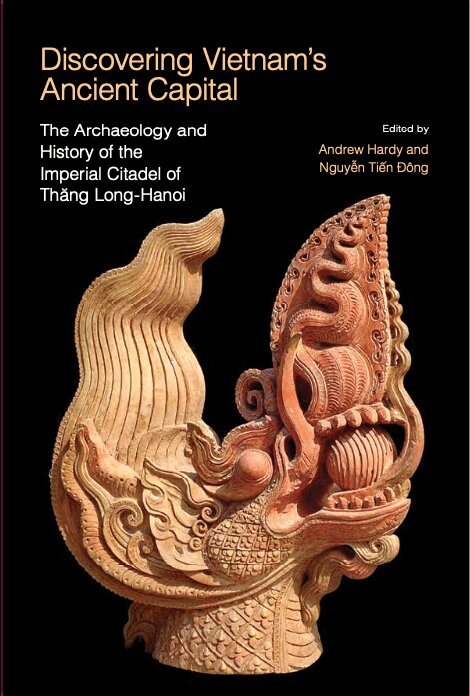
Discovering Vietnam's Ancient Capital
The Archaeology and History of the Imperial Citadel of Thang Long-Hanoi
Av Andrew Hardy, Tien Ðông Nguyen
Häftad, 2024
352 kr
Lägg i varukorg
As Vietnam entered the 21st century it began to prepare for the 1000th anniversary of the founding of its capital Thăng Long, now Hanoi. In the heart of the city, a rescue excavation was launched on land earmarked for the construction of a new National Assembly building. Archaeologists unearthed …
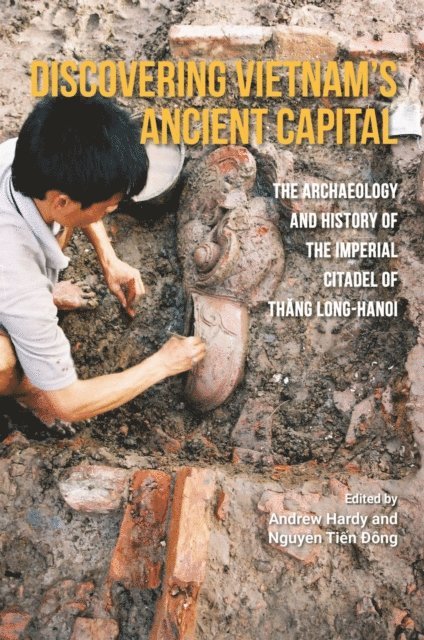
Discovering Vietnam's Ancient Capital
The Archaeology and History of the Imperial Citadel of Thang Long-Hanoi
Av Tien Ðong Nguyen, Andrew Hardy
E-bok, 2024
669 kr
Lägg i varukorg
The first book in English on this important archaeological excavation in the heart of Vietnam''s capital, now a World Heritage site. As Vietnam entered the twenty-first century it began to prepare for the 1000th anniversary of the founding of its capital Thang Long, now Hanoi. In the heart of the …
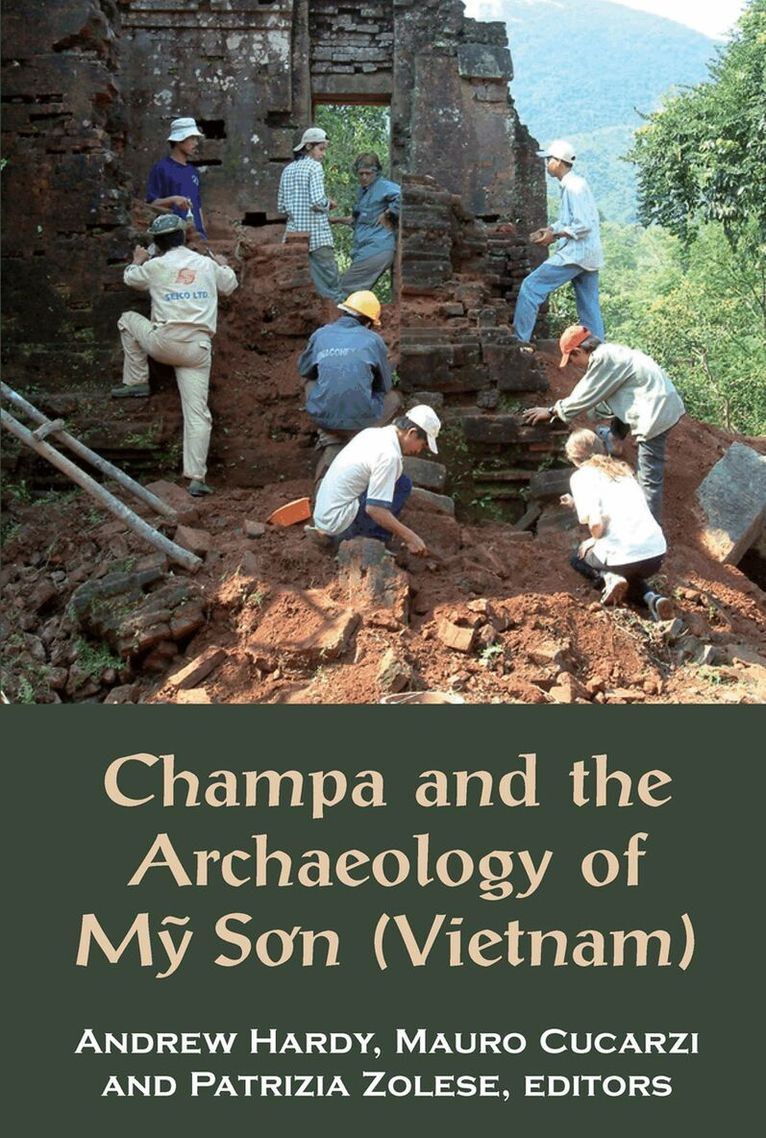
Champa and the Archaeology of My Son
Av Andrew Hardy, Mauro Cucarzi m. fl.
Häftad, 2009
395 kr
Lägg i varukorg
The kings of ancient Champa, a civilisation located in the central region of today's Vietnam, started building sacred temples in a circular valley more than 1500 years ago. The monuments, now known by their Vietnamese name My Son, were discovered by nineteenth-century colonial soldiers and first …
Red Hills
Migrants and the State in the Highlands of Vietnam
Av Andrew Hardy
Inbunden, 2004
732 kr
Tillfälligt slut
Several million rural inhabitants of Vietnam's northern deltas made the decision to move home during the 20th century, seeking to make new homes in the country's highlands. Their decisions and the settlements they created had wide-ranging effects on their home communities and on the people and …