Andrew Jackson O'Shaughnessy – författare
Visar alla böcker från författaren Andrew Jackson O'Shaughnessy. Handla med fri frakt och snabb leverans.
4 produkter
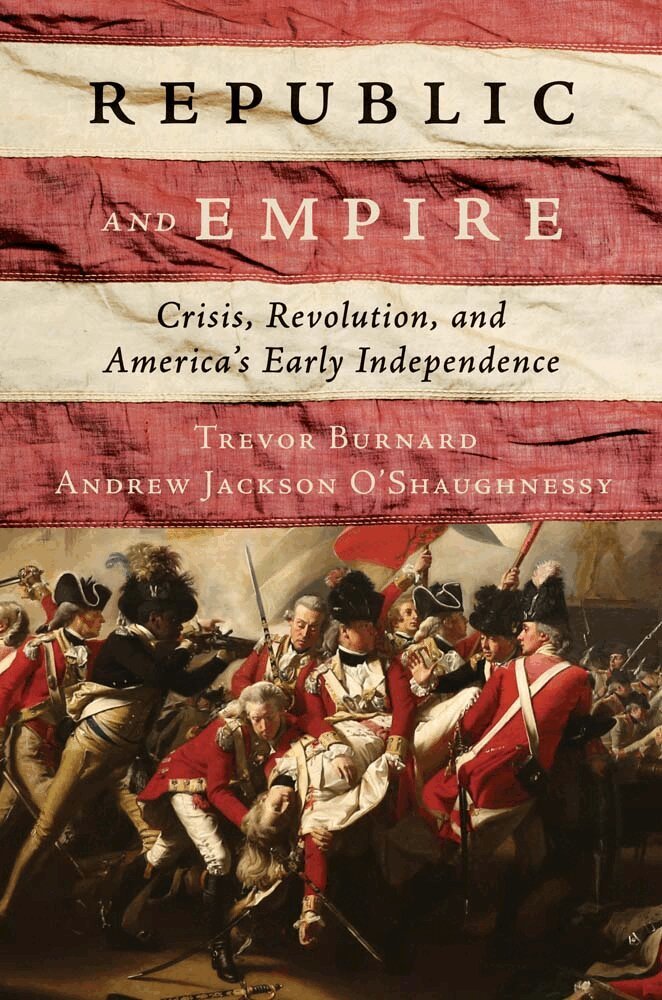
Republic and Empire
Crisis, Revolution, and America’s Early Independence
Av Trevor Burnard, Andrew Jackson O'Shaughnessy
Inbunden, 2025
312 kr
Lägg i varukorg
A fresh look at the American Revolution as a major global event At the time of the American Revolution (1765–83), the British Empire had colonies in India, Africa, the Caribbean, the Pacific, Canada, Ireland, and Gibraltar. The thirteen rebellious American colonies accounted for half of the total …
Republic and Empire
Crisis, Revolution, and America's Early Independence
Av Trevor Burnard, Andrew Jackson O'Shaughnessy
Häftad, 2027
243 kr
Kommande
A fresh look at the American Revolution as a major global event At the time of the American Revolution (1765–83), the British Empire had colonies in India, Africa, the Caribbean, the Pacific, Canada, Ireland, and Gibraltar. The thirteen rebellious American colonies accounted for half of the total …
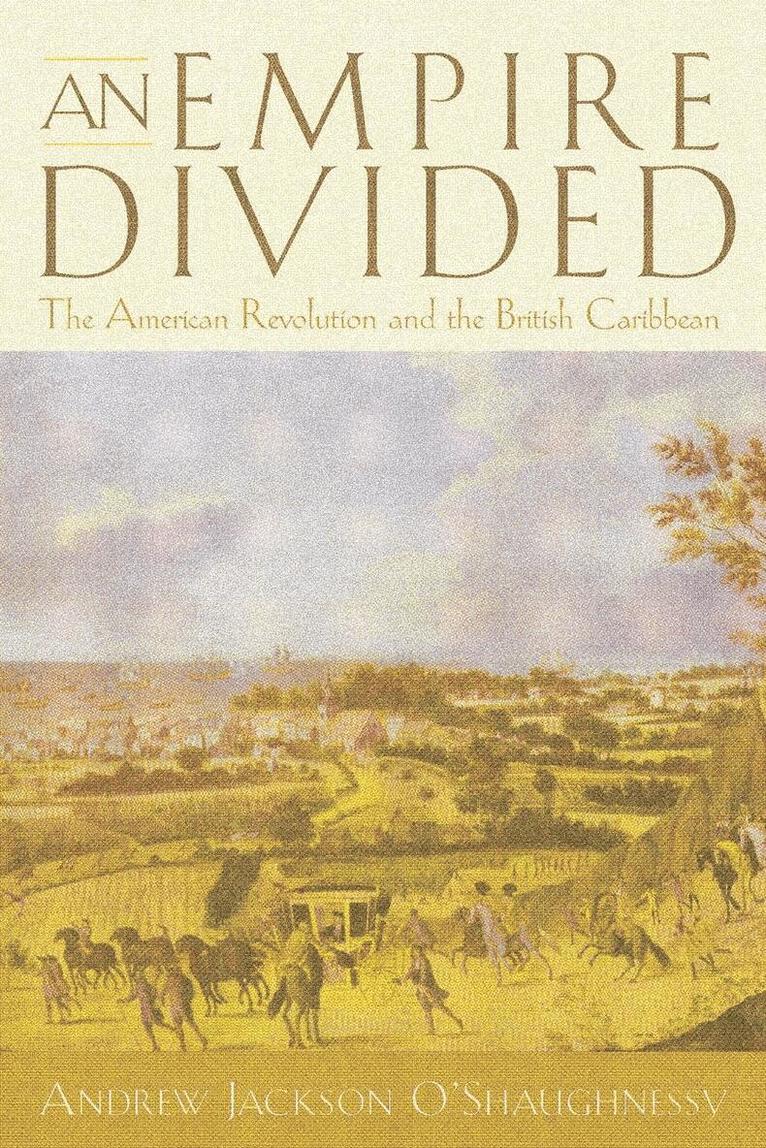
Empire Divided
The American Revolution and the British Caribbean
Av Andrew Jackson O'Shaughnessy
Häftad, 2000
457 kr
Lägg i varukorg
There were 26-not 13-British colonies in America in 1776. Of these, the six colonies in the Caribbean-Jamaica, Barbados, the Leeward Islands, Grenada and Tobago, St. Vincent; and Dominica-were among the wealthiest. These island colonies were closely related to the mainland by social ties and …
Empire Divided
The American Revolution and the British Caribbean
Av Andrew Jackson O'Shaughnessy
E-bok, 2015
571 kr
Lägg i varukorg
There were 26-not 13-British colonies in America in 1776. Of these, the six colonies in the Caribbean-Jamaica, Barbados, the Leeward Islands, Grenada and Tobago, St. Vincent; and Dominica-were among the wealthiest. These island colonies were closely related to the mainland by social ties and …