Andrew Karpati Kennedy - Böcker
Visar alla böcker från författaren Andrew Karpati Kennedy. Handla med fri frakt och snabb leverans.
2 produkter
2 produkter
493 kr
Skickas inom 7-10 vardagar
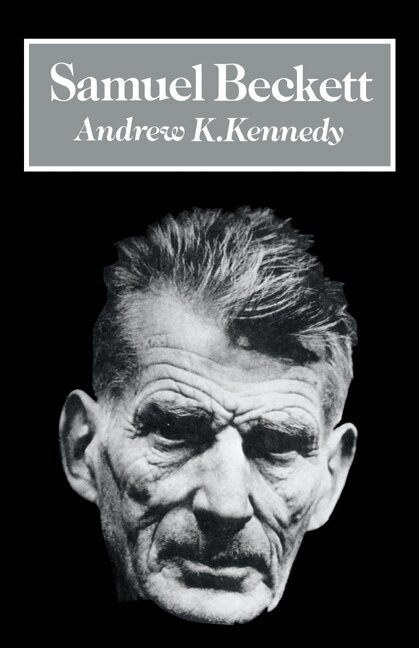
While providing a critical introduction for the student of Samuel Beckett's work and for other readers and theatre-goers who have been influenced by it, this study also presents an original perspective on one of the twentieth century's greatest writers of prose fiction and drama. Andrew Kennedy links Beckett's vision of a diminished humanity with his art of formally and verbally diminished resources, and traces the fundamental simplicity and coherence of Beckett's work beneath its complex textures. In the section on the plays, Dr Kennedy stresses the humour and tragicomic humanism alongside the theatrical effectiveness; and in a discussion of the fiction (the celebrated trilogy of novels) he relates the relentless diminution of 'story' to the diminishing selfhood of the narrator. An introduction outlines the personal, cultural and specifically literary contexts of Beckett's writing, while a concluding chapter offers up-to-date reflections on his œuvre, from the point-of-view of the themes highlighted throughout the book. This study, complete with a chronological table and a guide to further reading, will prove stimulating for both new and advanced students of Beckett.
231 kr
Skickas inom 5-8 vardagar
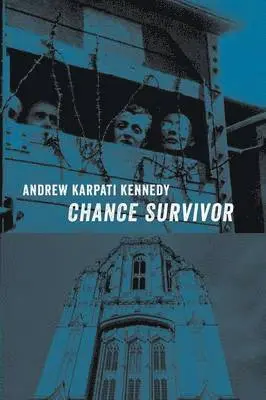
A personal story caught up in the dark history of the mid-twentieth century begins with a lost child's cry. A dozen years of sheltered life in a Hungarian middle-class family - a vanished age of peace and luxury behind precariously concealed Jewish origins - is wrenched into persecution by the Nazi invasion of March 1944: the overcrowded ghetto, the horror of the brickworks camp and deportation follow. The author's evocative account of what it was like to travel on one of Eichmann's trains in reprinted here from The Observer. Thanks to an SS transport officer's error, the deportation train ends up not in Auschwitz, as intended, but (via a transit camp offering real showers, not gas) in the outskirts of Vienna, where children worked only six hours a day producing anti-aircraft guns for the Third Reich. The boy's father dies, his mother and sister survive, as does he despite under-nourishment, typhoid, air raids and the dangers of late-war Nazi chaos.Physical survival is followed by a series of existential trials: repatriation, refugee status in England with a struggle for 'Englishness' - especially in language, writing and scholarship - together with a season of clinical depression and prolonged maladjustment. The book concludes with general reflections on topics such as closeness to German culture and being an outsider.