Andrew L. Brown – författare
Visar alla böcker från författaren Andrew L. Brown. Handla med fri frakt och snabb leverans.
4 produkter
4 produkter
Building the Army's Backbone
Canadian Non-Commissioned Officers in the Second World War
Inbunden, Engelska, 2022
985 kr
Skickas inom 7-10 vardagar
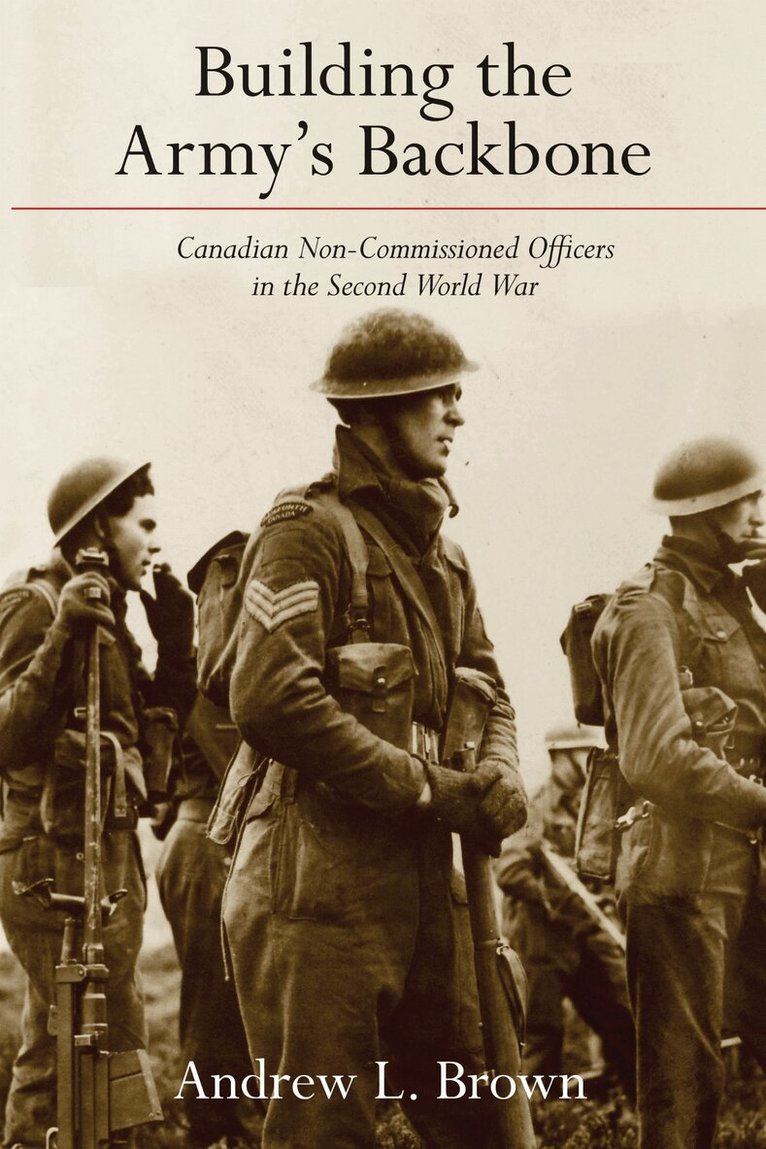
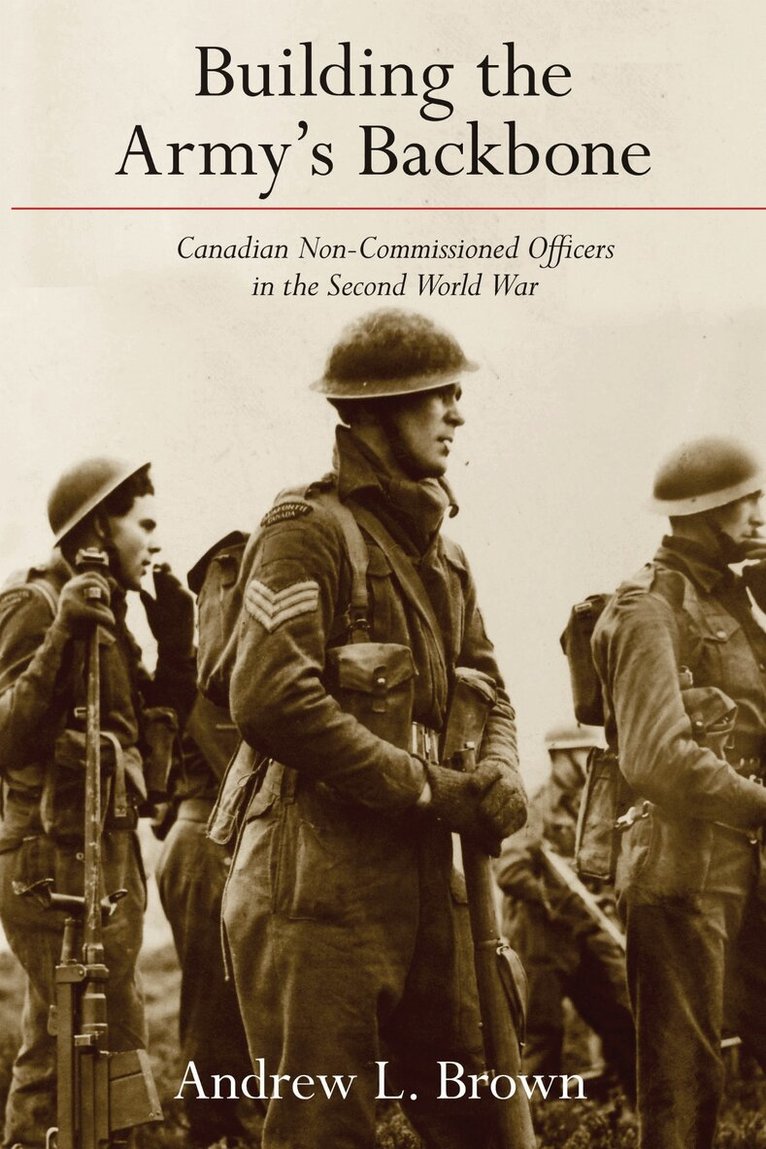
In September 1939, Canada's tiny army began its remarkable expansion into a wartime force of almost half a million soldiers. No army can function without a backbone of skilled non-commissioned officers (NCOs) – corporals, sergeants, and warrant officers – and the army needed to create one out of raw civilian material. Building the Army's Backbone tells the story of how senior leadership created a corps of NCOs that helped the burgeoning force train, fight, and win. This innovative book uncovers the army's two-track NCO-production system: locally organized training programs were run by units and formations, while centralized training and talent-distribution programs were overseen by the army. Meanwhile, to bring coherence to the two-track approach, the army circulated its best-trained NCOs between operational forces, the reinforcement pool, and the training system. The result was a corps of NCOs that collectively possessed the necessary skills in leadership, tactics, and instruction to help the army succeed in battle.
Building the Army's Backbone
Canadian Non-Commissioned Officers in the Second World War
Häftad, Engelska, 2022
401 kr
Skickas inom 7-10 vardagar
In September 1939, Canada's tiny army began its remarkable expansion into a wartime force of almost half a million soldiers. No army can function without a backbone of skilled non-commissioned officers (NCOs) – corporals, sergeants, and warrant officers – and the army needed to create one out of raw civilian material. Building the Army's Backbone tells the story of how senior leadership created a corps of NCOs that helped the burgeoning force train, fight, and win. This innovative book uncovers the army's two-track NCO-production system: locally organized training programs were run by units and formations, while centralized training and talent-distribution programs were overseen by the army. Meanwhile, to bring coherence to the two-track approach, the army circulated its best-trained NCOs between operational forces, the reinforcement pool, and the training system. The result was a corps of NCOs that collectively possessed the necessary skills in leadership, tactics, and instruction to help the army succeed in battle.

1 604 kr
Skickas inom 10-15 vardagar
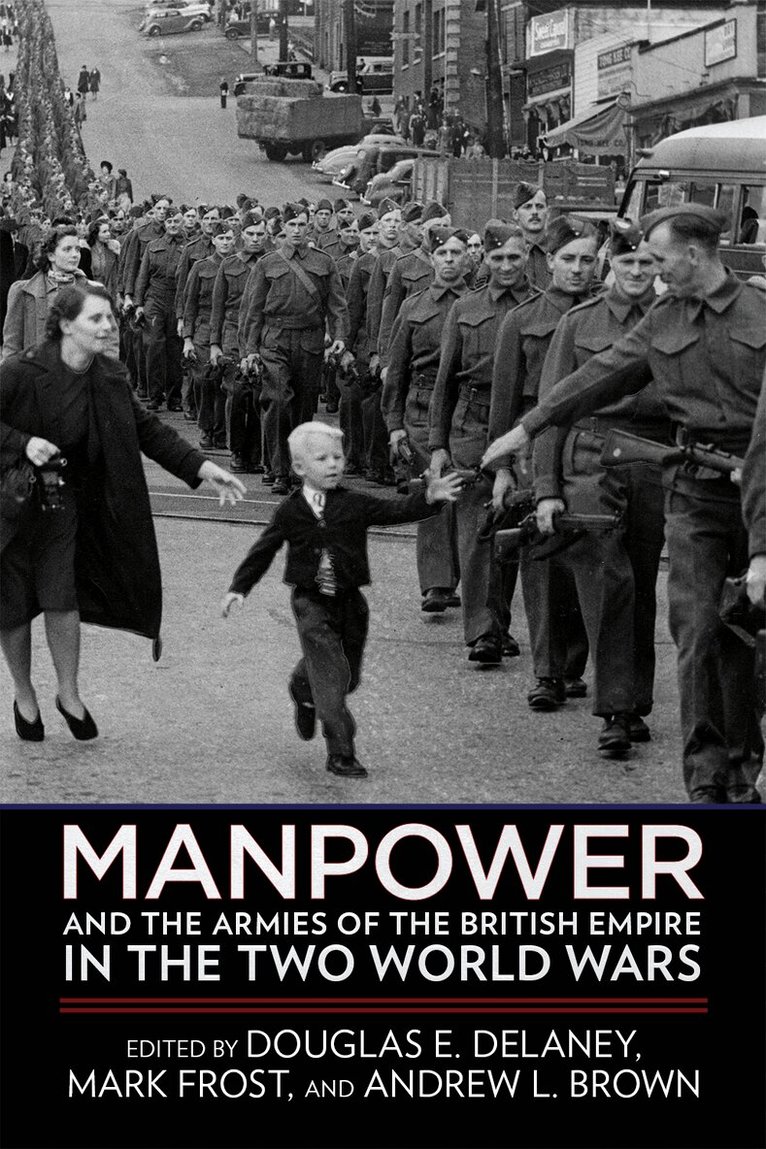
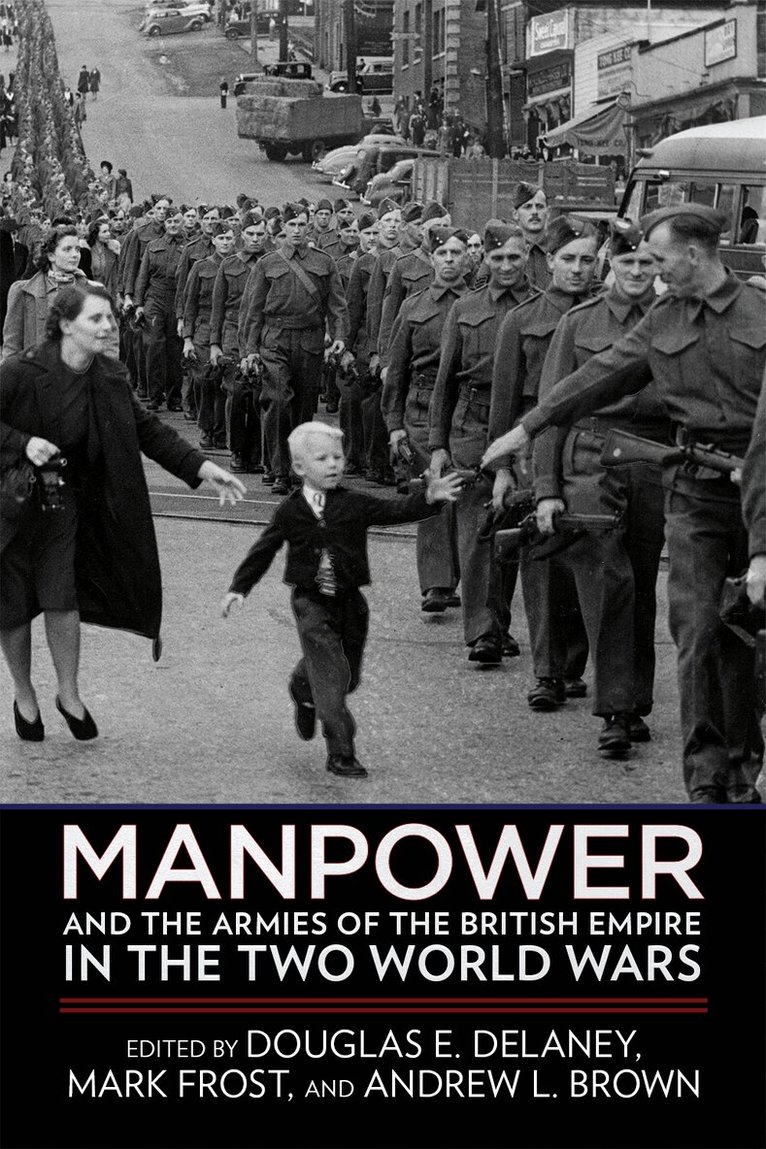
In the first and only examination of how the British Empire and Commonwealth sustained its soldiers before, during, and after both world wars, a cast of leading military historians explores how the empire mobilized manpower to recruit workers, care for veterans, and transform factory workers and farmers into riflemen. Raising armies is more than counting people, putting them in uniform, and assigning them to formations. It demands efficient measures for recruitment, registration, and assignment. It requires processes for transforming common people into soldiers and then producing officers, staffs, and commanders to lead them. It necessitates balancing the needs of the armed services with industry and agriculture. And, often overlooked but illuminated incisively here, raising armies relies on medical services for mending wounded soldiers and programs and pensions to look after them when demobilized.Manpower and the Armies of the British Empire in the Two World Wars is a transnational look at how the empire did not always get these things right. But through trial, error, analysis, and introspection, it levied the large armies needed to prosecute both wars.Contributors Paul R. Bartrop, Charles Booth, Jean Bou, Daniel Byers, Kent Fedorowich, Jonathan Fennell, Meghan Fitzpatrick, Richard S. Grayson, Ian McGibbon, Jessica Meyer, Emma Newlands, Kaushik Roy, Roger Sarty, Gary Sheffield, Ian van der Waag
351 kr
Skickas inom 10-15 vardagar
In the first and only examination of how the British Empire and Commonwealth sustained its soldiers before, during, and after both world wars, a cast of leading military historians explores how the empire mobilized manpower to recruit workers, care for veterans, and transform factory workers and farmers into riflemen. Raising armies is more than counting people, putting them in uniform, and assigning them to formations. It demands efficient measures for recruitment, registration, and assignment. It requires processes for transforming common people into soldiers and then producing officers, staffs, and commanders to lead them. It necessitates balancing the needs of the armed services with industry and agriculture. And, often overlooked but illuminated incisively here, raising armies relies on medical services for mending wounded soldiers and programs and pensions to look after them when demobilized.Manpower and the Armies of the British Empire in the Two World Wars is a transnational look at how the empire did not always get these things right. But through trial, error, analysis, and introspection, it levied the large armies needed to prosecute both wars.Contributors Paul R. Bartrop, Charles Booth, Jean Bou, Daniel Byers, Kent Fedorowich, Jonathan Fennell, Meghan Fitzpatrick, Richard S. Grayson, Ian McGibbon, Jessica Meyer, Emma Newlands, Kaushik Roy, Roger Sarty, Gary Sheffield, Ian van der Waag