Andrew M. Watsky - Böcker
Visar alla böcker från författaren Andrew M. Watsky. Handla med fri frakt och snabb leverans.
4 produkter
4 produkter
1 237 kr
Skickas inom 7-10 vardagar
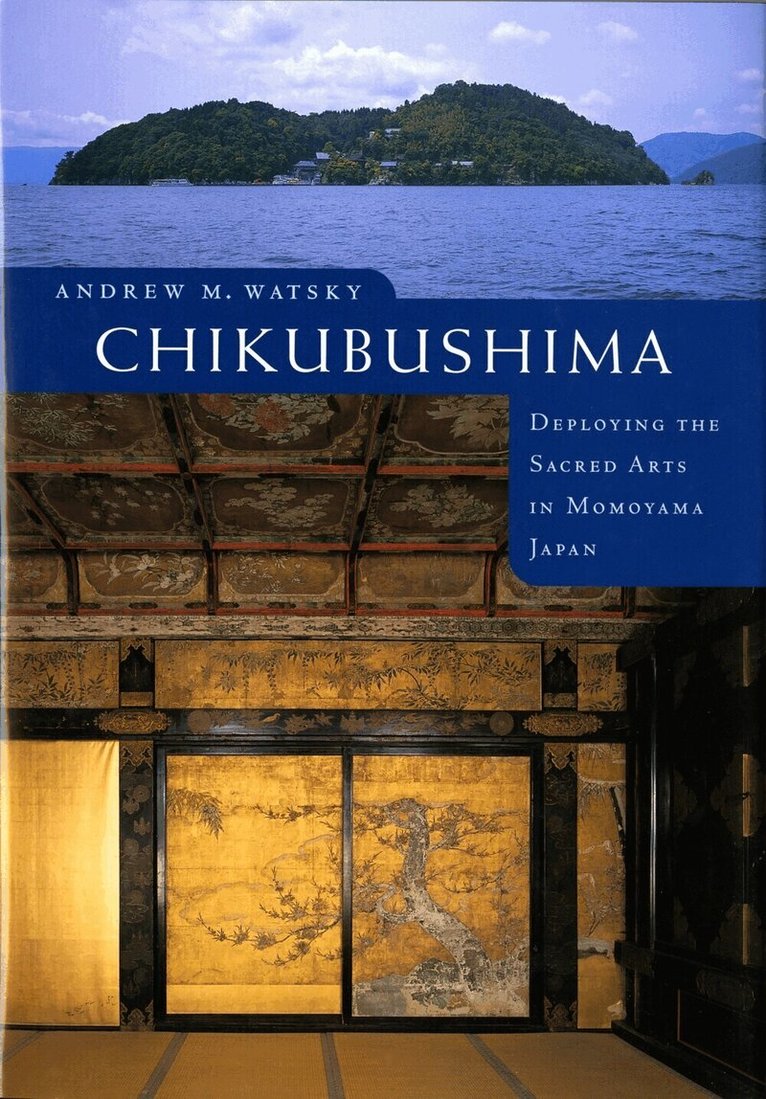
Winner of the 2006 Shimada Prize from the Smithsonian Institution, Washington, D.C., and the Metropolitan Center for Far Eastern Art Studies, Kyoto, Japan Winner of the 2006 John Whitney Hall Book Prize from the Association for Asian Studies Chikubushima, a sacred island north of the ancient capital of Kyoto, attracted the attention of Japan’s rulers in the Momoyama period (1568-1615) and became a repository of their art, including a lavishly decorated building dedicated to the worship of Benzaiten. In this meticulous and lucid study, Andrew Watsky keenly illustrates how private belief and political ambition influenced artistic production at the intersection of institutional Buddhism and Shinto during this tumultuous period of rapid and radical political, social, and aesthetic changes. He offers substantial conclusions not only about this specific site, but also, more broadly, about the nature of art production in Japan and how perceptions of the sacred shaped the concerns and actions of the secular rulers. The patrons of the island included the dominant political figures of the time: the late sixteenth-century ruler Toyotomi Hideyoshi (1537-1598) who supported numerous projects at the apogee of his power and his heir Hideyori (1593-1615), as well as their rival and eventual successor to national hegemony, Tokugawa Ieyasu (1542-1616). After Hideyoshi’s death, the Toyotomi clan struggled to retain their power and sought new opportunities to position themselves as chief conduits of divine protection and beneficence for the realm. They enacted and signified this role by zealous, indefatigable sponsorship of sacred architecture and its ornament, icons, and rituals. In the early seventeenth century, the Toyotomi clan sponsored a major refurbishing of the Benzaiten Hall on Chikubushima, transporting a highly ornamented structure from Kyoto to be installed as its core. Enveloped in polychrome paintings by the Kano workshop (the leading painting studio of the period), black-and-gold lacquer, gilt metalwork, and pictorial relief wood carvings, this core is the most complete ensemble of ornament and architecture surviving from the Momoyama period. Watsky has had unique access to the island, and many of the images included here have not previously been published.
Crossing the Sea
Essays on East Asian Art in Honor of Professor Yoshiaki Shimizu
Inbunden, Engelska, 2013
824 kr
Skickas inom 7-10 vardagar
Yoshiaki Shimizu, one of the foremost scholars of Japanese art history, taught at Princeton University for more than twenty-five years, during which time he trained many students who have become respected professors and museum professionals. Crossing the Sea gathers original essays by thirteen of these students, in honor of Shimizu's extraordinary career at Princeton as well as his teaching at other institutions and his work as curator of Japanese art at the Freer-Sackler Gallery in Washington, D.C. Ranging in topic from premodern Buddhist, narrative, and ink painting in Japan and East Asia to modern and contemporary Japanese painting, prints, and popular visual images, these essays present innovative research that draws attention to remarkable works of Japanese art and their fascinating historical contexts and modern interpretations. Including reinterpretations of well-known works and richly developed accounts of their meaning and function in historical, religious, and cultural contexts, this volume also provides a state-of-the-field portrait of Japanese art studies today.
760 kr
Skickas inom 7-10 vardagar
An in-depth look at the dynamic cultural world of tea in Japan during its formative period Around Chigusa investigates the cultural and artistic milieu in which a humble jar of Chinese origin dating to the thirteenth or fourteenth century became Chigusa, a revered, named object in the practice of formalized tea presentation (chanoyu) in sixteenth-century Japan. This tea-leaf storage jar lies at the nexus of interlocking personal networks, cultural values, and aesthetic idioms in the practice and appreciation of tea, poetry, painting, calligraphy, and Noh theater during this formative period of tea culture. The book's essays set tea in dialogue with other cultural practices, revealing larger cultural paradigms that informed the production, circulation, and reception of the artifacts used and displayed in tea. Key themes include the centrality of tea to the social life of and interaction among warriors, merchants, and the courtly elite; the multifaceted relationship between things wa (Japanese) and kan (Chinese) and between tea and poetry; the rise of new formats for display of the visual and calligraphic arts; and collecting and display as an expression of political power.
518 kr
Skickas
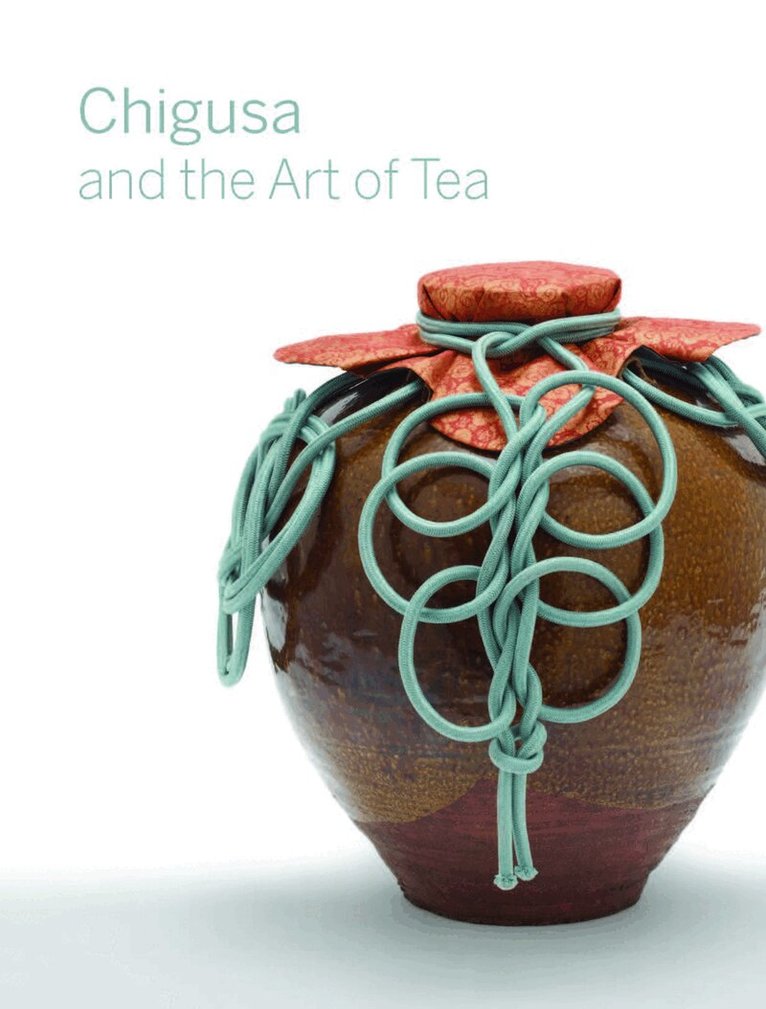
Narrates the history of a single object - a tea-leaf storage jar created in southern China during the thirteenth or fourteenth centuries - and describes how its role changed after it was imported to Japan and passed from owner to owner there.