Louise Allison Cort – författare
Visar alla böcker från författaren Louise Allison Cort. Handla med fri frakt och snabb leverans.
8 produkter
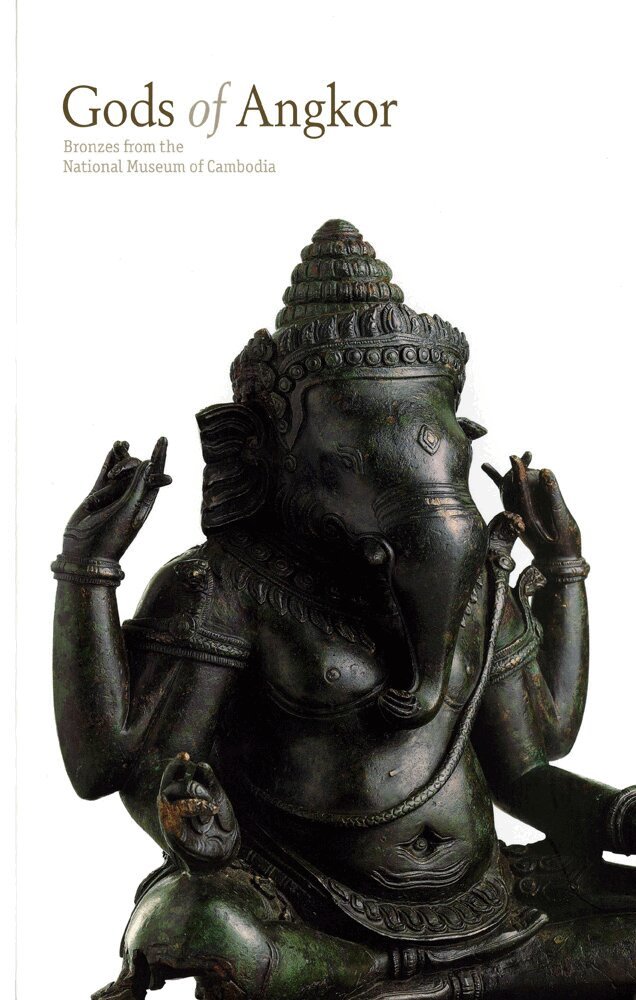
Gods of Angkor
Bronzes from the National Museum of Cambodia
Av Louise Allison Cort, Paul Jett
Häftad, 2010
627 kr
Lägg i varukorg
A remarkable group of seven bronze figures was unearthed in Kampong Cham province, Cambodia, in 2006. These sixth- and seventh-century Buddhist sculptures, two of which were Chinese, ultimately were acquired by the National Museum of Cambodia. There they became one of the first projects of the …
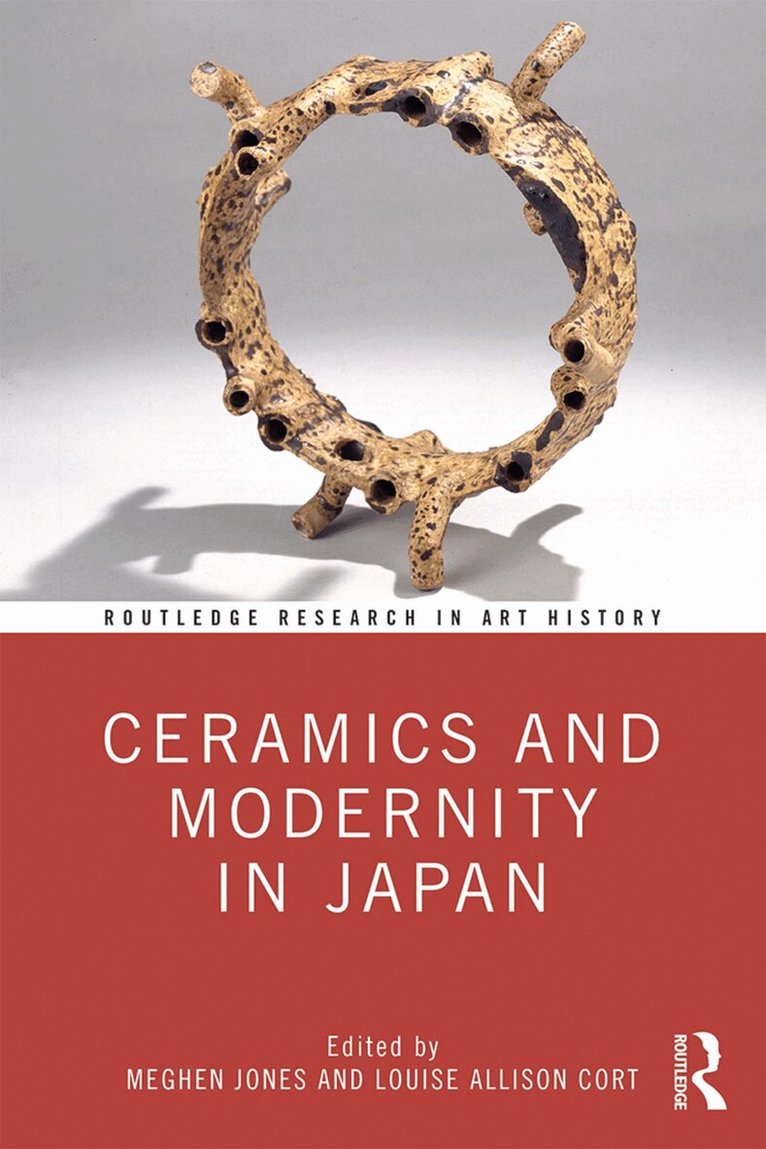
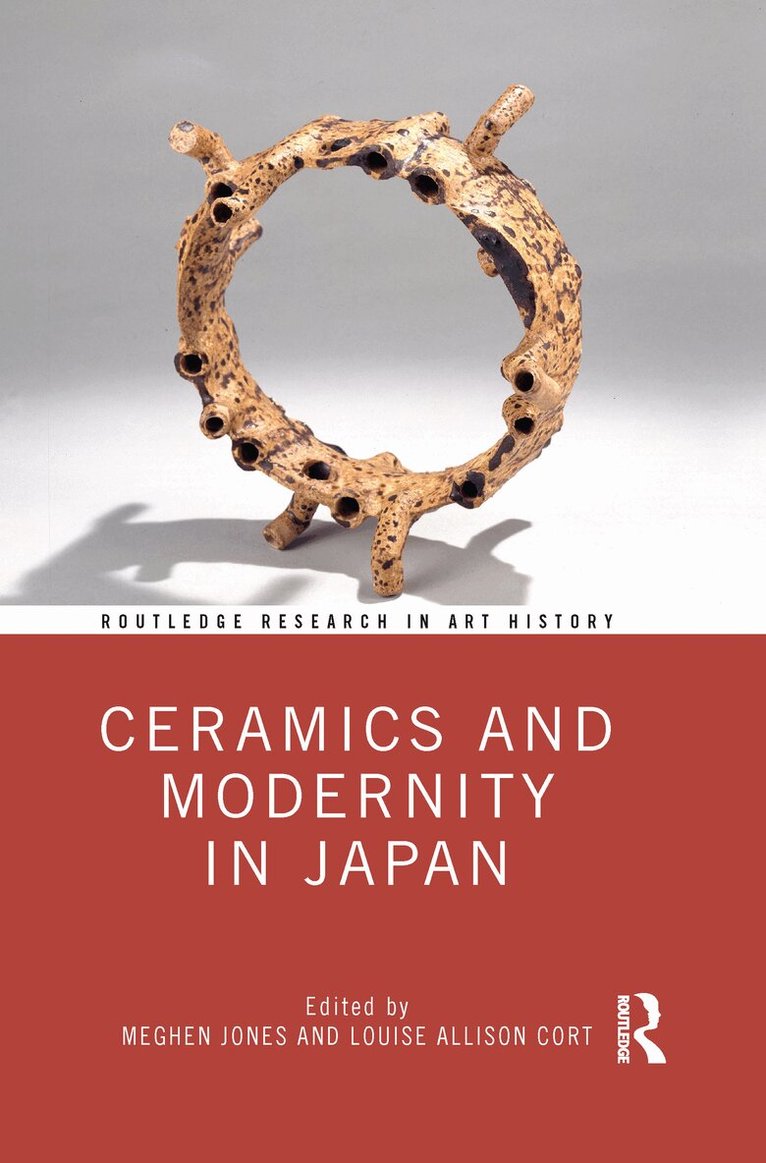
Ceramics and Modernity in Japan
Av Meghen Jones, Louise Allison Cort
Inbunden, 2019
2586 kr
Lägg i varukorg
Ceramics and Modernity in Japan offers a set of critical perspectives on the creation, patronage, circulation, and preservation of ceramics during Japan’s most dramatic period of modernization, the 1860s to 1960s.As in other parts of the world, ceramics in modern Japan developed along the three …
Ceramics and Modernity in Japan
Av Louise Allison Cort, Meghen Jones
E-bok, 2019
838 kr
Lägg i varukorg
Ceramics and Modernity in Japan offers a set of critical perspectives on the creation, patronage, circulation, and preservation of ceramics during Japan’s most dramatic period of modernization, the 1860s to 1960s. As in other parts of the world, ceramics in modern Japan developed along the three …
Ceramics and Modernity in Japan
Av Louise Allison Cort, Meghen Jones
E-bok, 2019
820 kr
Lägg i varukorg
Ceramics and Modernity in Japan offers a set of critical perspectives on the creation, patronage, circulation, and preservation of ceramics during Japan’s most dramatic period of modernization, the 1860s to 1960s. As in other parts of the world, ceramics in modern Japan developed along the three …
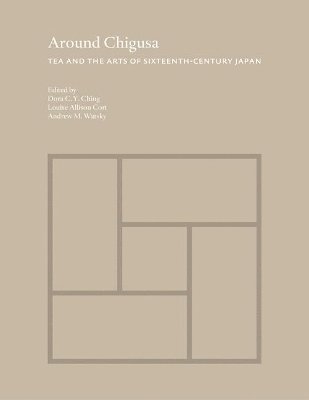
Around Chigusa
Tea and the Arts of Sixteenth-Century Japan
Av Dora C. Y. Ching, Louise Allison Cort m. fl.
Inbunden, 2017
874 kr
Lägg i varukorg
An in-depth look at the dynamic cultural world of tea in Japan during its formative period Around Chigusa investigates the cultural and artistic milieu in which a humble jar of Chinese origin dating to the thirteenth or fourteenth century became Chigusa, a revered, named object in the practice of …
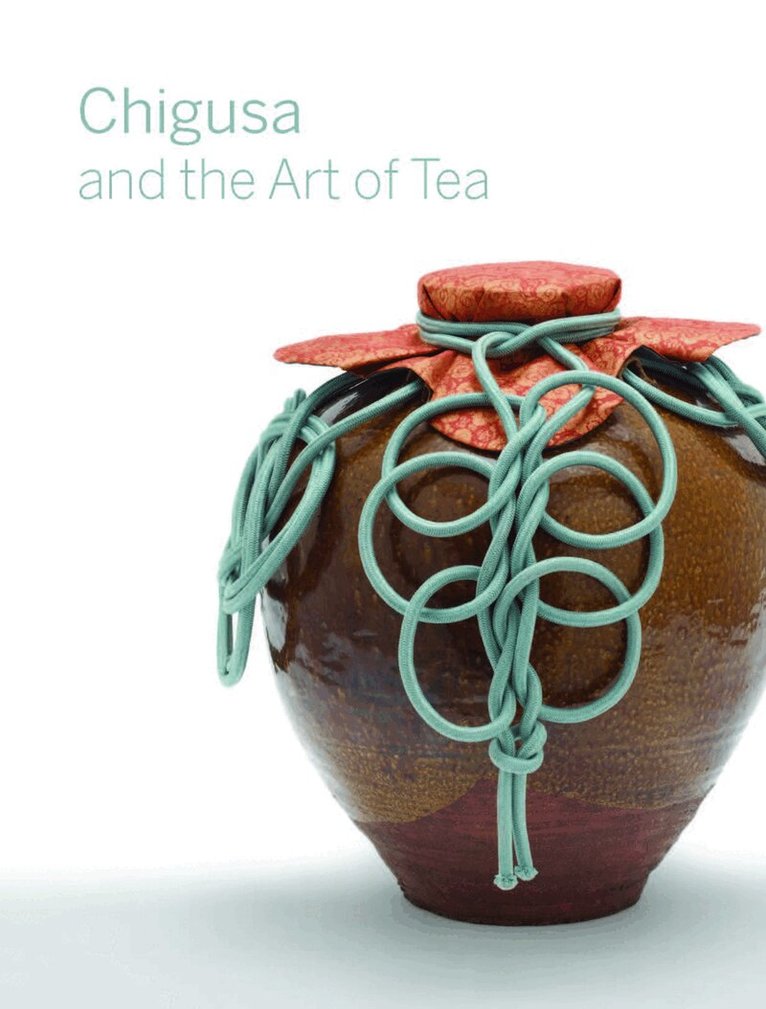
Chigusa and the Art of Tea
Av Louise Allison Cort, Andrew M. Watsky
Häftad, 2014
544 kr
Lägg i varukorg
This innovative book narrates the history of a single object—a tea-leaf storage jar created in southern China during the thirteenth or fourteenth centuries—and describes how its role changed after it was imported to Japan and passed from owner to owner there. In Japan, where the jar was in constant …
Ceramics and Modernity in Japan
Av Meghen Jones, Louise Allison Cort
Häftad, 2021
712 kr
Lägg i varukorg
Ceramics and Modernity in Japan offers a set of critical perspectives on the creation, patronage, circulation, and preservation of ceramics during Japan’s most dramatic period of modernization, the 1860s to 1960s.As in other parts of the world, ceramics in modern Japan developed along the three …
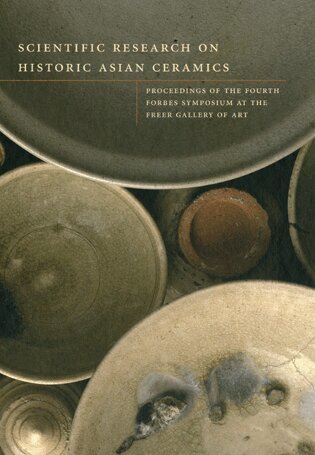
Scientific Research on Historic Asian Ceramics
Proceedings of the fourth Forbes Symposium at the Freer Gallery of Art
Av Blythe McCarthy, Ellen Salzman Chase m. fl.
Inbunden, 2009
888 kr
Lägg i varukorg