Andrew R. Basso – författare
Visar alla böcker från författaren Andrew R. Basso. Handla med fri frakt och snabb leverans.
6 produkter
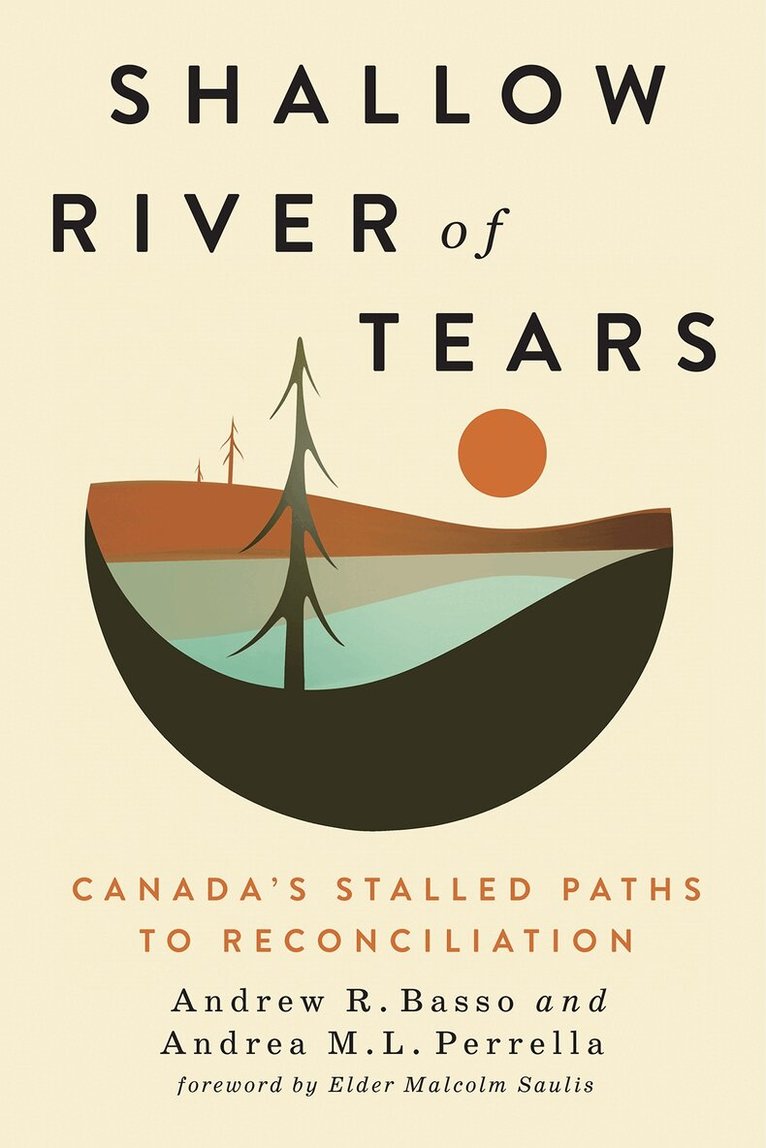
Shallow River of Tears
Canada's Stalled Paths to Reconciliation
Av Andrew R. Basso, Andrea M.L. Perrella
Häftad, 2026
444 kr
Lägg i varukorg
The Truth and Reconciliation Commission of Canada’s final report marked a new moment in national consciousness: a recognition of Indigenous histories, an awareness of the injustices committed by Settlers and their governments, and an understanding of the need for redress and the restoration of …
Shallow River of Tears
Canada's Stalled Paths to Reconciliation
Av Andrea M.L. Perrella, Andrew R. Basso
E-bok, 2026
471 kr
Lägg i varukorg
The Truth and Reconciliation Commission of Canada's final report marked a new moment in national consciousness: a recognition of Indigenous histories, an awareness of the injustices committed by Settlers and their governments, and an understanding of the need for redress and the restoration of …
Shallow River of Tears
Canada's Stalled Paths to Reconciliation
Av Andrea M.L. Perrella, Andrew R. Basso
E-bok, 2026
471 kr
Lägg i varukorg
The Truth and Reconciliation Commission of Canada's final report marked a new moment in national consciousness: a recognition of Indigenous histories, an awareness of the injustices committed by Settlers and their governments, and an understanding of the need for redress and the restoration of …
From Bureaucracy to Bullets
Extreme Domicide and the Right to Home
Av Bree Akesson, Andrew R. Basso
Häftad, 2022
469 kr
Lägg i varukorg
There are currently a record-setting number of forcibly displaced persons in the world. This number continues to rise as solutions to alleviate humanitarian catastrophes of large-scale violence and displacement continue to fail. The likelihood of the displaced returning to their homes is becoming …
From Bureaucracy to Bullets
Extreme Domicide and the Right to Home
Av Bree Akesson, Andrew R. Basso
Inbunden, 2022
1743 kr
Lägg i varukorg
There are currently a record-setting number of forcibly displaced persons in the world. This number continues to rise as solutions to alleviate humanitarian catastrophes of large-scale violence and displacement continue to fail. The likelihood of the displaced returning to their homes is becoming …
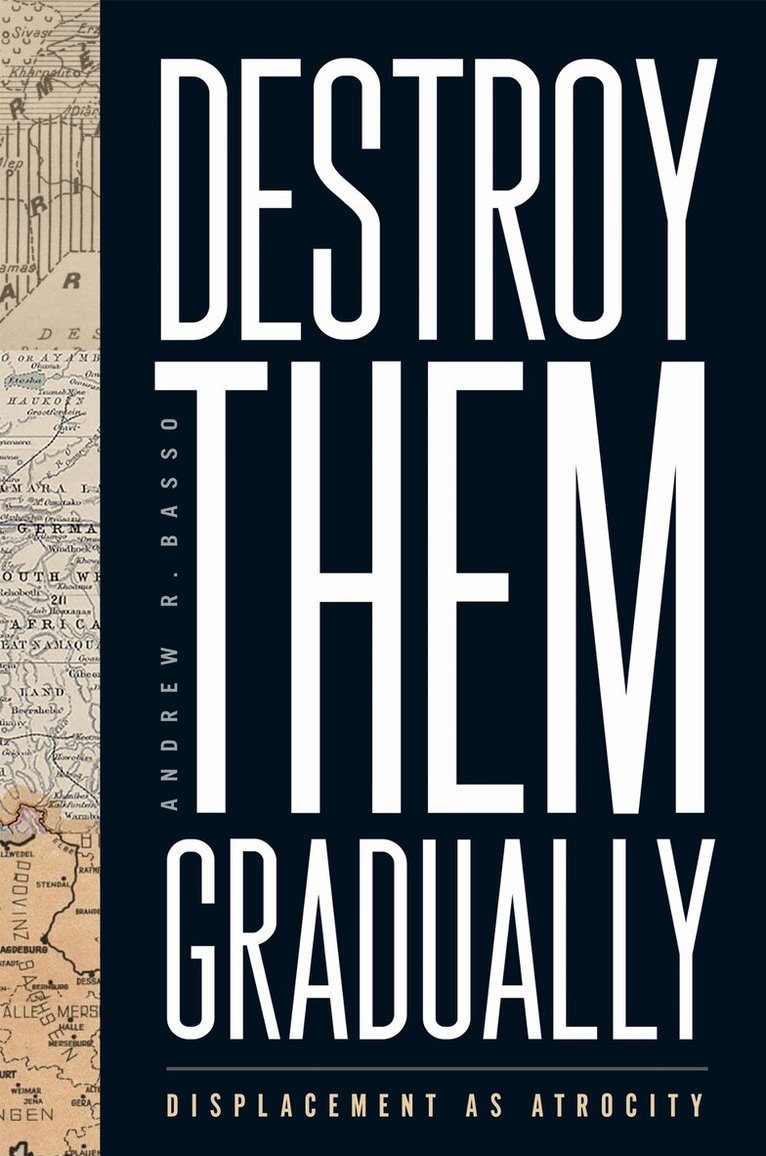
Destroy Them Gradually
Displacement As Atrocity
Inbunden, 2024
1132 kr
Lägg i varukorg
Perpetrators of mass atrocities have used displacement to transport victims to killing sites or extermination camps to transfer victims to sites of forced labor and attrition, to ethnically homogenize regions by moving victims out of their homes and lands, and to destroy populations by depriving …