Andrew R. L. Cayton – författare
Visar alla böcker från författaren Andrew R. L. Cayton. Handla med fri frakt och snabb leverans.
11 produkter
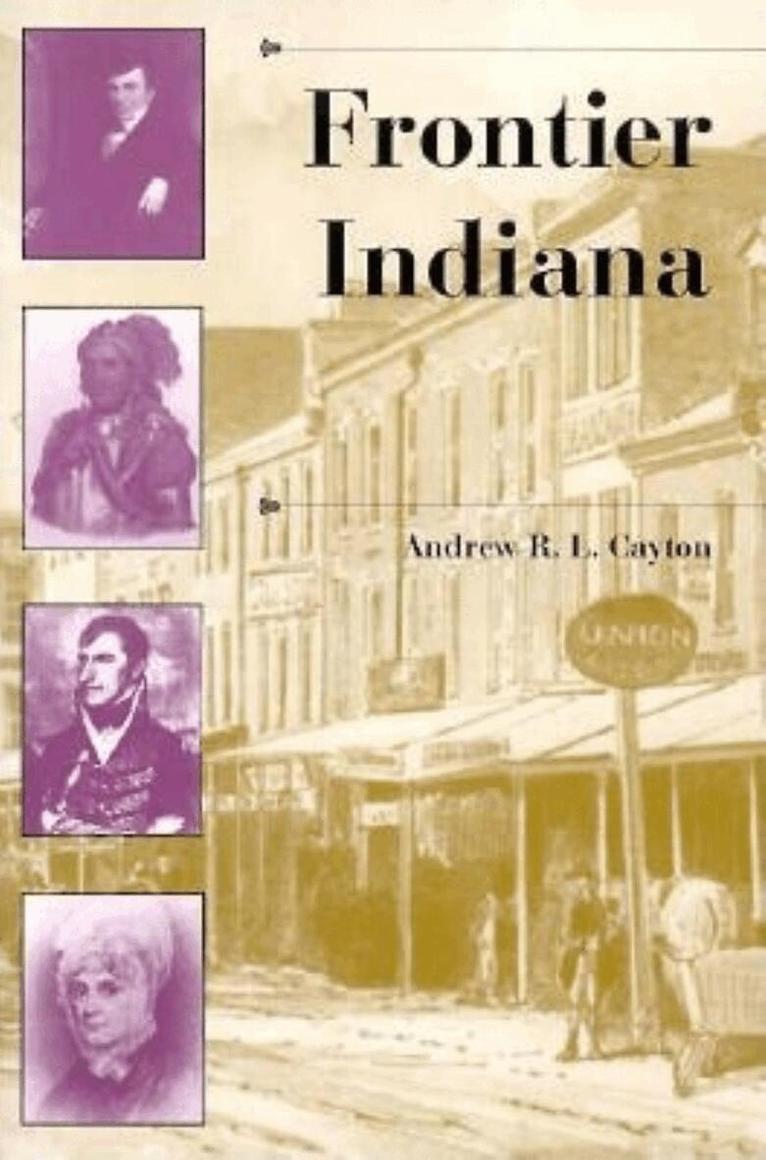
Frontier Indiana
Häftad, 1998
312 kr
Lägg i varukorg
Frontier IndianaAndrew R. L. Cayton"The research and scholarship that went into the work are excellent; so good, in fact, that the book should be on the required text list for all Transappalachian frontier courses." —HistoryCayton's lively new history of the frontier period in Indiana puts the …
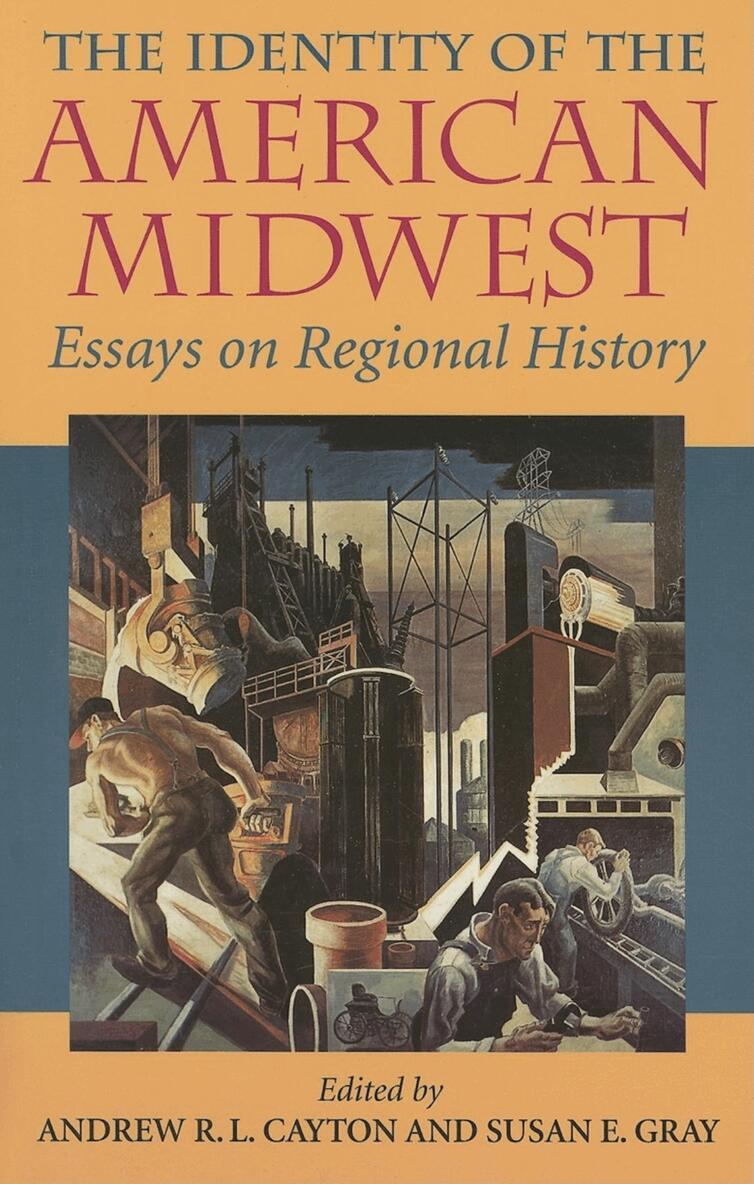
Identity of the American Midwest
Essays on Regional History
Av Andrew R. L. Cayton, Susan E. Gray
Häftad, 2007
297 kr
Lägg i varukorg
In a series of often highly personal essays, this book considers the question of regional identity as a useful way of thinking about the history of the American Midwest. The contributors begin with the assumption that Midwesterners have never been as consciously regional as their fellow Americans, …
Midwest and the Nation
Rethinking the History of an American Region
Av Andrew R. L. Cayton, Peter S. Onuf
Inbunden, 1990
471 kr
Lägg i varukorg
"Cayton and Onuf have tried to recapture a central place for region in our thinking while, at the same time, incorporating into their analysis the latest scholarship on gender, political behavior, etc. Theirs is a fine blending of the old and the new: old scholarship and new directions." —Malcolm …
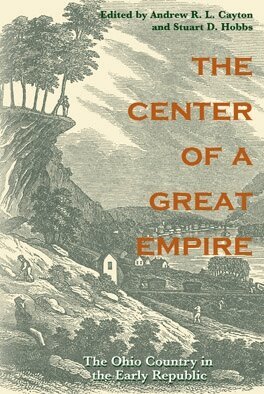
Center of a Great Empire
The Ohio Country in the Early Republic
Av Andrew R. L. Cayton, Stuart D. Hobbs
Häftad, 2005
294 kr
Lägg i varukorg
"The people who lived in what became the seventeenth state in the American Union in 1803 were not only at the center of a great empire, they were at the center of the most important historical developments in the revolutionary Atlantic World."—From the introductionNowhere did the revolutions in …
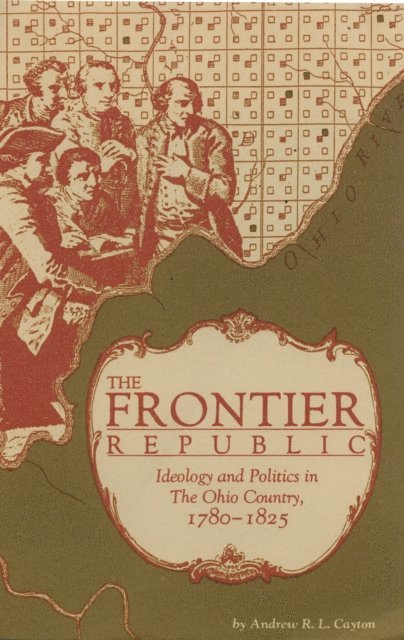
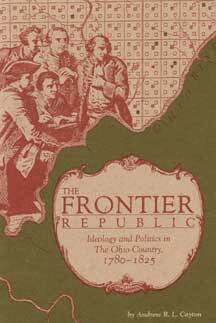
Frontier Republic
Ideology and Politics in The Ohio Country, 1780-1825
E-bok, 2011
240 kr
Lägg i varukorg
Conflict invariably characterizes the period following any revolution, and post-revolutionary America was no exception. After the unity inspired by opposition to a common enemy dissipates, revolutionary movements generally splinter into different groups that compete with each other for the right to …
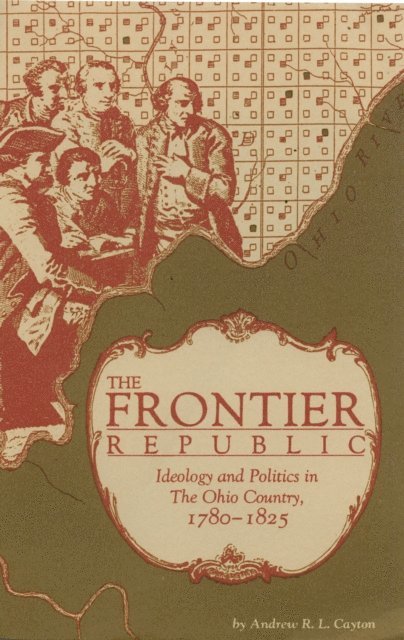
Frontier Republic
Ideology and Politics in The Ohio Country, 1780-1825
E-bok, 2011
246 kr
Lägg i varukorg
Conflict invariably characterizes the period following any revolution, and post-revolutionary America was no exception. After the unity inspired by opposition to a common enemy dissipates, revolutionary movements generally splinter into different groups that compete with each other for the right to …
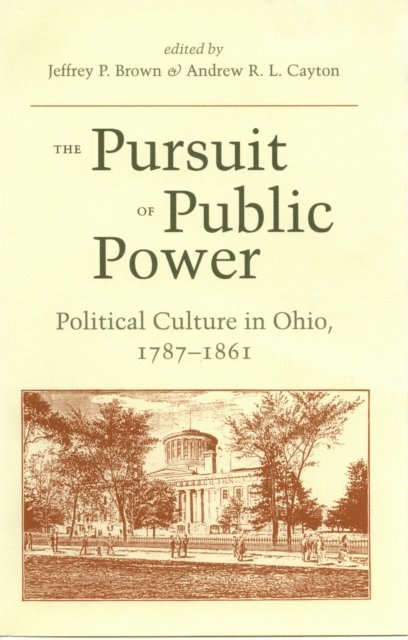
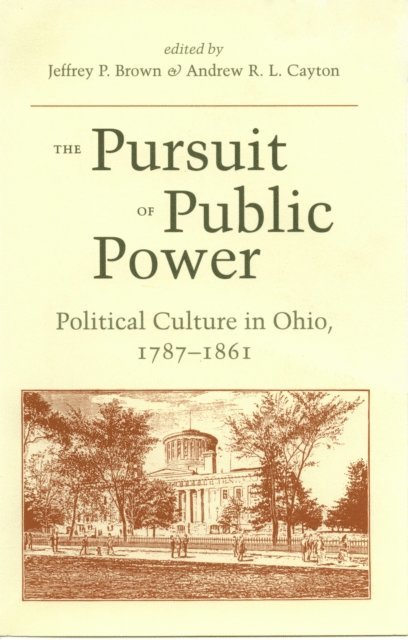
Pursuit of Public Power
Political Culture in Ohio, 1787-1861
Av Andrew R. L. Cayton, Jeffrey P. Brown
E-bok, 2011
287 kr
Lägg i varukorg
Many of the political institutions that would dominate 19th-century America (and the Midwest in particular) originated and first evolved in Ohio. The Pursuit of Public Power explores the origins and nature of political culture here from the American Revolution until the Civil War. Twelve essays …
Pursuit of Public Power
Political Culture in Ohio, 1787-1861
Av Andrew R. L. Cayton, Jeffrey P. Brown
E-bok, 2011
280 kr
Lägg i varukorg
Many of the political institutions that would dominate 19th-century America (and the Midwest in particular) originated and first evolved in Ohio. The Pursuit of Public Power explores the origins and nature of political culture here from the American Revolution until the Civil War. Twelve essays …
Frontier Republic
Ideology and Politics in the Ohio Country, 1780-1825
Häftad, 1989
237 kr
Tillfälligt slut
Conflict invariably characterizes the period following any revolution, and post-revolutionary America was no exception. After the unity inspired by opposition to a common enemy dissipates, revolutionary movements generally splinter into different groups that compete with each other for the right to …
Pursuit of Public Power
Political Culture in Ohio, 1797-1861
Av Jeffrey P Brown, Andrew R L Cayton
Häftad, 1994
272 kr
Tillfälligt slut
Many of the political institutions that would dominate 19th-century America (and the Midwest in particular) originated and first evolved in Ohio. The Pursuit of Public Power explores the origins and nature of political culture here from the American Revolution until the Civil War. Twelve essays …