Andrew Shapland – författare
Visar alla böcker från författaren Andrew Shapland. Handla med fri frakt och snabb leverans.
11 produkter
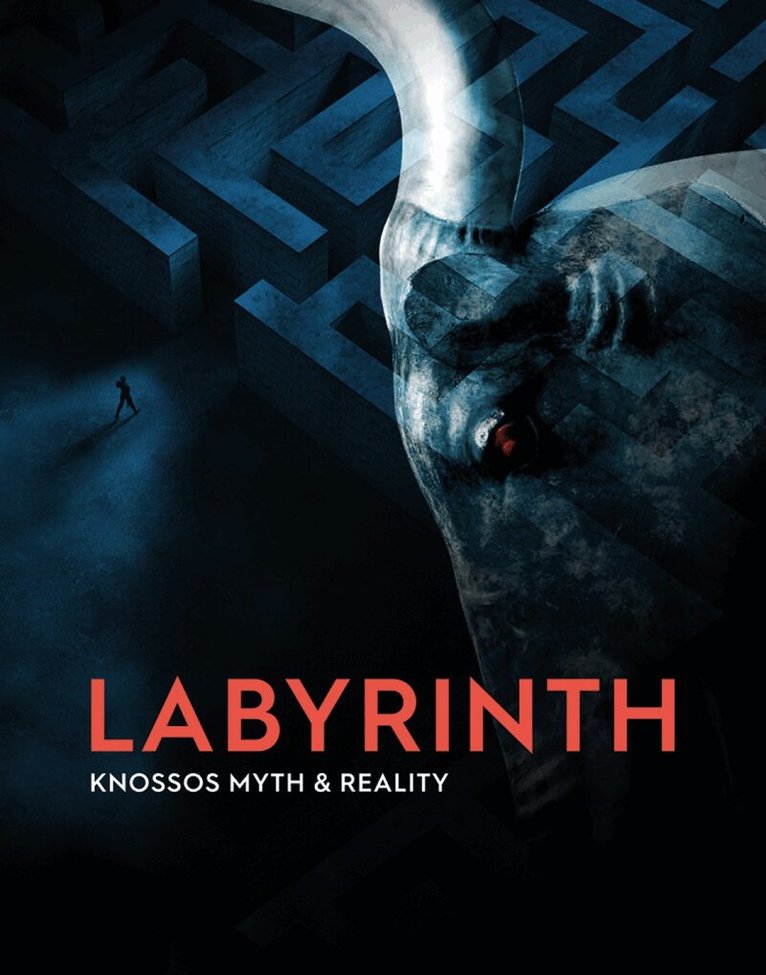
Labyrinth
Knossos Myth and Reality
Häftad, 2023
313 kr
Lägg i varukorg
Crete was famous in Greek myth as the location of the labyrinth in which the Minotaur was confined in a palace at somewhere called ‘Knossos’. From the Middle Ages travellers searched unsuccessfully for the Labyrinth. A handful of clues that survived, such as a coin with a labyrinth design and …
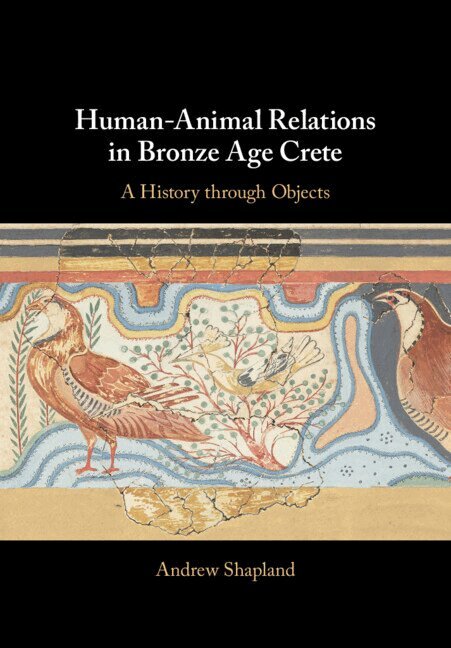
Human-Animal Relations in Bronze Age Crete
A History through Objects
Inbunden, 2022
1177 kr
Lägg i varukorg
Archaeologists have long admired the naturalistic animal art of Minoan Crete, often explaining it in terms of religion or a love of the natural world. In this book, Andrew Shapland provides a new way of understanding animal depictions from Bronze Age Crete as the outcome of human-animal relations. …
Human-Animal Relations in Bronze Age Crete
A History through Objects
E-bok, 2022
1377 kr
Lägg i varukorg
Archaeologists have long admired the naturalistic animal art of Minoan Crete, often explaining it in terms of religion or a love of the natural world. In this book, Andrew Shapland provides a new way of understanding animal depictions from Bronze Age Crete as the outcome of human-animal relations. …
Human-Animal Relations in Bronze Age Crete
A History through Objects
E-bok, 2022
1377 kr
Lägg i varukorg
Archaeologists have long admired the naturalistic animal art of Minoan Crete, often explaining it in terms of religion or a love of the natural world. In this book, Andrew Shapland provides a new way of understanding animal depictions from Bronze Age Crete as the outcome of human-animal relations. …
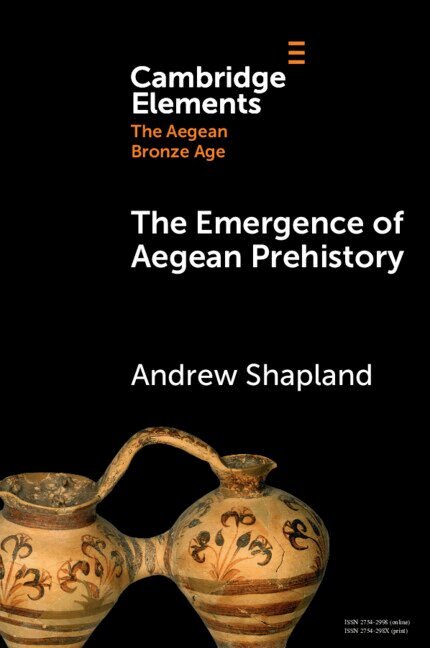
The Emergence of Aegean Prehistory
Häftad, 2025
317 kr
Lägg i varukorg
This Element focusses on the emergence of Aegean Prehistory as a discipline, starting with the first recorded encounters with prehistoric monuments and artefacts and ending with the decipherment of Linear B in 1952. It broadens the history of Aegean Bronze Age archaeology as told in popular …
The Emergence of Aegean Prehistory
Inbunden, 2025
938 kr
Lägg i varukorg
This Element focusses on the emergence of Aegean Prehistory as a discipline, starting with the first recorded encounters with prehistoric monuments and artefacts and ending with the decipherment of Linear B in 1952. It broadens the history of Aegean Bronze Age archaeology as told in popular …
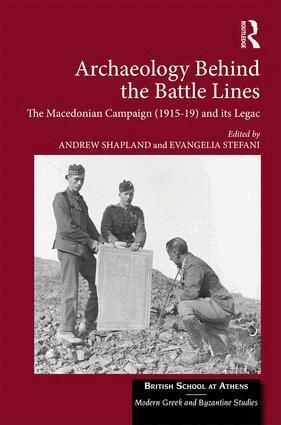
Archaeology Behind the Battle Lines
The Macedonian Campaign (1915-19) and its Legacy
Av Andrew Shapland, Evangelia Stefani
Inbunden, 2017
2585 kr
Lägg i varukorg
This volume focuses on a formative period in the history and archaeology of northern Greece. The decade following 1912, when Thessaloniki became part of Greece, was a period marked by an extraordinary internationalism as a result of the population movements caused by the shifting of national …
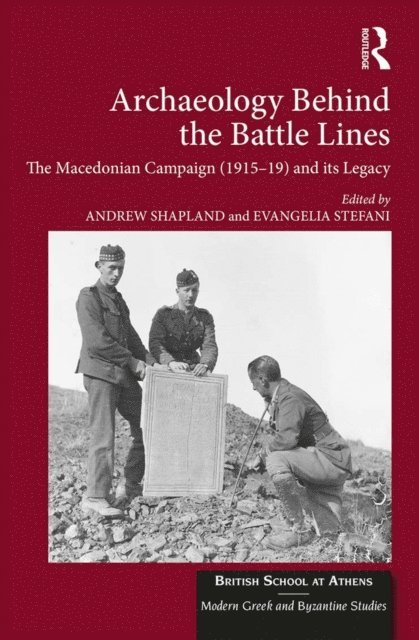
Archaeology Behind the Battle Lines
The Macedonian Campaign (1915-19) and its Legacy
Av Evangelia Stefani, Andrew Shapland
E-bok, 2017
856 kr
Lägg i varukorg
This volume focuses on a formative period in the history and archaeology of northern Greece. The decade following 1912, when Thessaloniki became part of Greece, was a period marked by an extraordinary internationalism as a result of the population movements caused by the shifting of national …
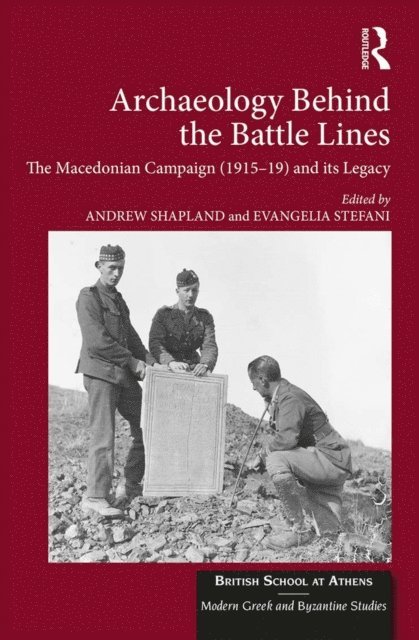
Archaeology Behind the Battle Lines
The Macedonian Campaign (1915-19) and its Legacy
Av Evangelia Stefani, Andrew Shapland
E-bok, 2017
856 kr
Lägg i varukorg
This volume focuses on a formative period in the history and archaeology of northern Greece. The decade following 1912, when Thessaloniki became part of Greece, was a period marked by an extraordinary internationalism as a result of the population movements caused by the shifting of national …