Andrew Summers – författare
Visar alla böcker från författaren Andrew Summers. Handla med fri frakt och snabb leverans.
10 produkter
Essex Hundred
Essex History in 100 Poems
Av Andrew Summers, John Debenham
Häftad, 2006
105 kr
Lägg i varukorg
From the Romans to the Space Shuttle and Nuclear power. The remarkable history of Essex, in verse, in prose and illustration. Interesting facts given and unusual events explained. Find out why Essex has played such a pivotal role in the development of British History. The one and only Essex Hundred
Essex Hundred Histories
Av Andrew Summers, John Debenham
Häftad, 2015
117 kr
Lägg i varukorg
The 'Histories' follows on from the Essex Hundred and has been inspired by the ancient land system of hundreds. It delves into one hundred events or personalities from 2,000 years of the county's history. This second edition which has been reprinted 16 times with updates explores the possibility …
Riddle of Boudica
Häftad, 2022
103 kr
Lägg i varukorg
The Roman occupation of Britain lasted over 350 years. Seventeen years after the Romans arrived in force in AD43, Queen Boudica led an uprising which resulted in the destruction of Colchester, London and St Albans. The rebellion was short lived and resulted in a harsh crackdown. Yet, in later years …
Battlefield Essex
Av Andrew Summers, John Debenham
Häftad, 2017
116 kr
Lägg i varukorg
Battlefield Essex is the eighth book on the county we have produced in the Essex Hundred series and we are pleased to say most are still in print and available from book shops or cyber retailers.Although part of the title is called Battlefield, it is not a military reference book. In the last 2,000 …
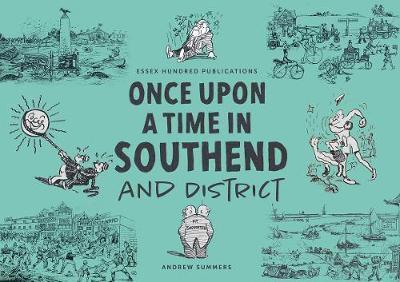
ONCE UPON A TIME IN SOUTHEND and District
Häftad, 2021
116 kr
Lägg i varukorg
This is a book with a difference. It is dedicated to the creativity of two cartoonists, Fred Naughten and Stan Harvey who worked for the Standard Newspaper Group in the 1930s. Cartoons are one of the most popular staples of the printed newspaper. The cartoonists genius lies not just with their …
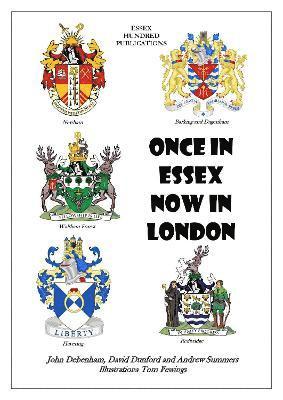
ONCE IN ESSEX, NOW IN LONDON
Av John Debenham, David Dunford m. fl.
Häftad, 2026
150 kr
Lägg i varukorg
Essex as a county is more than 1000 years old.Its origins date back to the time before William the Conqueror. The countyborders remained more or less unchanged until 1965 when the part of Essex, thatin the main was located between the River Lea and todays M25 orbital road, was absorbed into …
Jeremy
Liebe in der Ferne
E-bok, 2017
49 kr
Lägg i varukorg
Das Schwerste am Abschied nehmen ist, dass man es ständig aufs Neue tun muss. Jeden Tag werden wir aufs Neue mit derselben Wahrheit konfrontiert: Das Leben ist vergänglich, die Zeit viel zu kurz. John fährt in den Herbstferien mit seinen Großeltern an die Ostsee. Dort wollen sie gemeinsam auf einem …
Streetboy
Merry Christmas
E-bok, 2017
49 kr
Lägg i varukorg
Wie in jedem Jahr wollen Dave und Claudia eine gute Tat zu Weihnachten vollbringen. Claudia bekommt die Aufgabe, sich mit ihrer Mutter zu versöhnen, und Dave soll seinen ehemals besten Freund Lucas aus der Gosse holen. Daves Vorhaben scheint allerdings alles andere als leicht, denn der Straßenjunge …
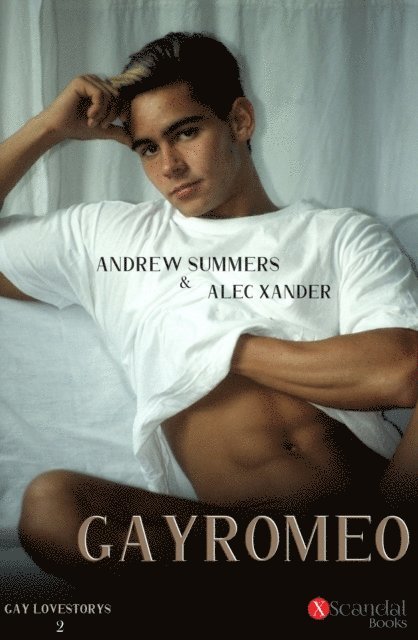
Gay Romeo
Av Alec Xander, Andrew Summers
E-bok, 2022
49 kr
Lägg i varukorg
Manchmal ist es einfacher, wenn man sich einredet, man wäre der einzige auf der Welt, der kämpft, der frustriert ist und einfach nicht zurechtkommt. Aber dieses Gefühl ist eine Lüge. Wenn man durchhält und den Mut besitzt, sich dem Ganzen einen weiteren Tag zu stellen, dann wird jemand auftauchen, …
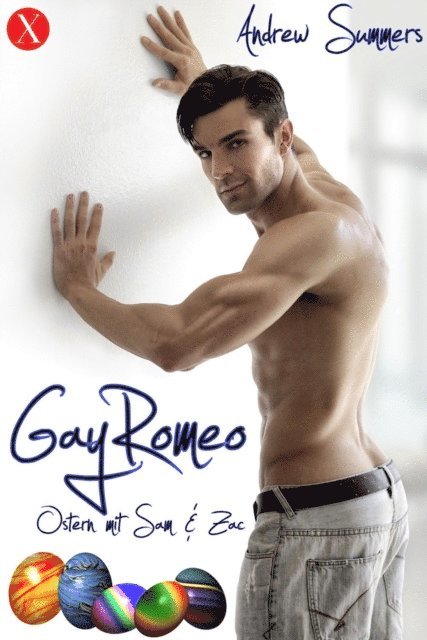
Gayromeo: Ostern mit Sam & Zac
E-bok, 2017
41 kr
Lägg i varukorg
Sam und Zac sind zurück! Sie sind verspielt, ein wenig verrückt und lieben einander: Sam und Zac. Der erste April steht vor der Tür und die beiden Männer haben sich heimlich vorgenommen, dem jeweils anderen fiese Streiche zu spielen. Dem nicht genug mischen sie zusammen mit ihren besten Freundinnen …