Andrew T. Brei - Böcker
Visar alla böcker från författaren Andrew T. Brei. Handla med fri frakt och snabb leverans.
4 produkter
4 produkter
729 kr
Skickas inom 10-15 vardagar
Ethics for Engineers: Toward Ethical Behavior within Engineering Organizations offers a multilevel perspective on engineering ethics with considerable breadth and depth, making it a valuable resource for students, educators, and professionals alike.This pragmatic book contains case studies of micro-level ethical violations, evaluating their moral implications and discussing moral self-licensing behind making unethical decisions. It also explores macro-level cases that have caused significant reputational and financial damage to major companies. In addition, the authors touch on topics whose overall impact is not yet fully understood, such as environmental ethics issues related to wind turbine blades and space debris management. By presenting examples from different levels and offering reflections from various perspectives, this text prompts readers to critically evaluate the ethical implications of their actions and understand what may drive a work community to behave unethically.Key features:Covers both moral theoretical and behavioral ethics perspectives.Contains day-to-day micro-level cases from the lives of practicing engineers, supplemented with macro-level cases.Provides pragmatic guidance for individual engineers and their organizations to move toward value-based ethics.Features colloquial language to make the book an enjoyable and accessible read.Includes 29 demonstrative vignettes, 87 class exercises, and an insightful interview with an ethics ambassador.This unique text serves as a pedagogically sound learning companion for courses in engineering ethics and related topics, striking a balance between research-based findings (with over 40 scholarly references) and real-world experiences (featuring an Appendix by an industry executive).
Ethics for Engineers
Toward Ethical Behavior within Engineering Organizations
Inbunden, Engelska, 2025
1 828 kr
Skickas inom 10-15 vardagar
Ethics for Engineers: Toward Ethical Behavior within Engineering Organizations offers a multilevel perspective on engineering ethics with considerable breadth and depth, making it a valuable resource for students, educators, and professionals alike.This pragmatic book contains case studies of micro-level ethical violations, evaluating their moral implications and discussing moral self-licensing behind making unethical decisions. It also explores macro-level cases that have caused significant reputational and financial damage to major companies. In addition, the authors touch on topics whose overall impact is not yet fully understood, such as environmental ethics issues related to wind turbine blades and space debris management. By presenting examples from different levels and offering reflections from various perspectives, this text prompts readers to critically evaluate the ethical implications of their actions and understand what may drive a work community to behave unethically.Key features:Covers both moral theoretical and behavioral ethics perspectives.Contains day-to-day micro-level cases from the lives of practicing engineers, supplemented with macro-level cases.Provides pragmatic guidance for individual engineers and their organizations to move toward value-based ethics.Features colloquial language to make the book an enjoyable and accessible read.Includes 29 demonstrative vignettes, 87 class exercises, and an insightful interview with an ethics ambassador.This unique text serves as a pedagogically sound learning companion for courses in engineering ethics and related topics, striking a balance between research-based findings (with over 40 scholarly references) and real-world experiences (featuring an Appendix by an industry executive).
1 572 kr
Skickas inom 10-15 vardagar
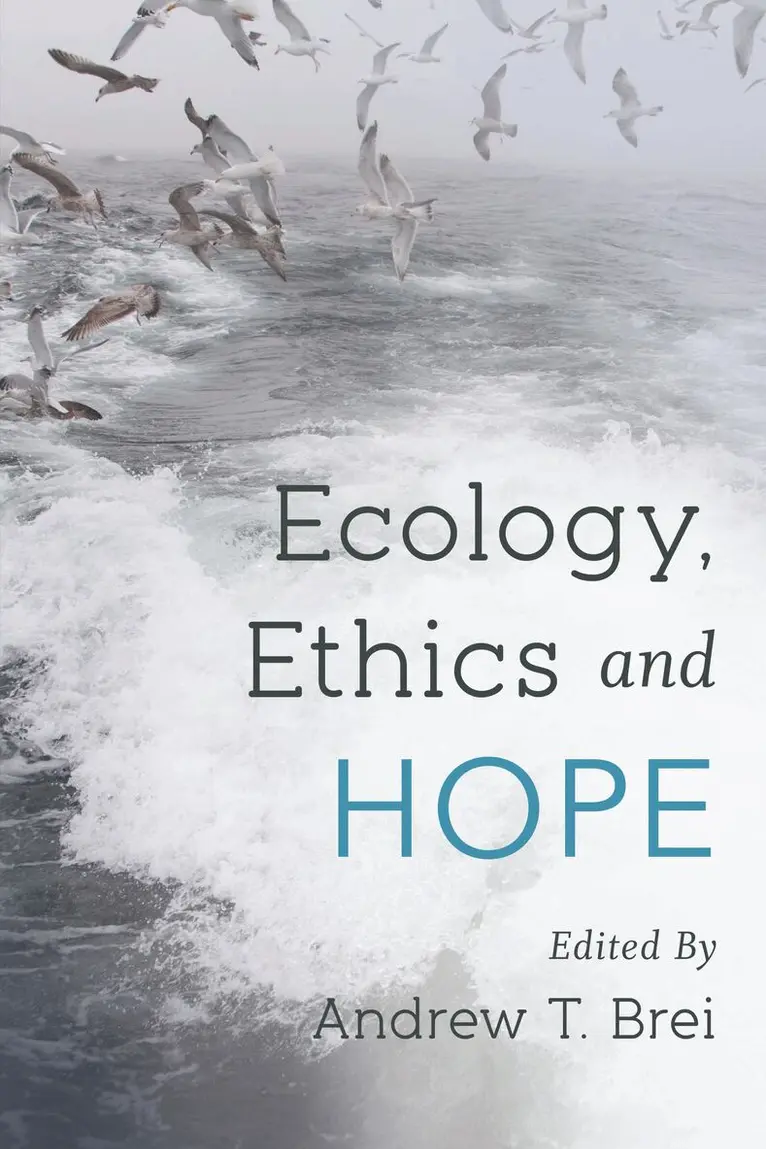
Ecology, Ethics, and Hope explores what hope is, how it operates, and whether or not it is important in our response to ecological challenges like climate change, deforestation, biodiversity loss, and pollution. The book offers an accessible and timely overview of this emerging topic within environmental ethics, a platform for further discussion, and refinement of the notion of hope. Hope has started to receive more theoretical attention from philosophers and social scientists. In light of worsening ecological conditions, the concept of hope may offer motivation for us to change our destructive ways and conserve the ecosystem goods and systems we depend on. The authors in this collection take stock of the various accounts of what hope is (or is not), what it does (or does not), and how relevant it is to ecological thinking. The book covers topics including the psychology of hope (how it might operate and change minds), hope as a motivator of positive action, and hope’s essence in the context of a virtue- or obligation-focused morality.Contributors:Elizabeth Andre, Assistant Professor of Outdoor Education, Northland College, USA; Jonathan Beever, Postdoctoral Scholar, Rock Ethics Institute, Penn State University, USA; Andrew T. Brei, Visiting Assistant Professor of Philosophy, St Mary’s University; Andrew Fiala, Professor of Philosophy, California State University-Fresno, USA; Trevor Hedberg, Graduate Student, University of Tennessee Knoxville, USA; Lisa Kretz, Assistant Professor of Philosophy, University of Evansville, USA; Michael Nelson, Professor of Environmental Ethics and Philosophy, Oregon State University, USA; John Nolt, Professor of Philosophy, University of Tennessee Knoxville, USA; Brian Treanor, Professor of Philosophy, Loyola Marymount University, USA
541 kr
Skickas inom 10-15 vardagar
Ecology, Ethics, and Hope explores what hope is, how it operates, and whether or not it is important in our response to ecological challenges like climate change, deforestation, biodiversity loss, and pollution. The book offers an accessible and timely overview of this emerging topic within environmental ethics, a platform for further discussion, and refinement of the notion of hope. Hope has started to receive more theoretical attention from philosophers and social scientists. In light of worsening ecological conditions, the concept of hope may offer motivation for us to change our destructive ways and conserve the ecosystem goods and systems we depend on. The authors in this collection take stock of the various accounts of what hope is (or is not), what it does (or does not), and how relevant it is to ecological thinking. The book covers topics including the psychology of hope (how it might operate and change minds), hope as a motivator of positive action, and hope’s essence in the context of a virtue- or obligation-focused morality.Contributors:Elizabeth Andre, Assistant Professor of Outdoor Education, Northland College, USA; Jonathan Beever, Postdoctoral Scholar, Rock Ethics Institute, Penn State University, USA; Andrew T. Brei, Visiting Assistant Professor of Philosophy, St Mary’s University; Andrew Fiala, Professor of Philosophy, California State University-Fresno, USA; Trevor Hedberg, Graduate Student, University of Tennessee Knoxville, USA; Lisa Kretz, Assistant Professor of Philosophy, University of Evansville, USA; Michael Nelson, Professor of Environmental Ethics and Philosophy, Oregon State University, USA; John Nolt, Professor of Philosophy, University of Tennessee Knoxville, USA; Brian Treanor, Professor of Philosophy, Loyola Marymount University, USA