Angela V. John – författare
2 250 kr
Skickas inom 10-15 vardagar
2 816 kr
Skickas inom 10-15 vardagar
733 kr
Skickas inom 10-15 vardagar
698 kr
Skickas inom 10-15 vardagar
153 kr
Läs direkt efter köp
383 kr
Skickas inom 5-8 vardagar
160 kr
Skickas
391 kr
Läs direkt efter köp
641 kr
Läs direkt efter köp
641 kr
Läs direkt efter köp
866 kr
Läs direkt efter köp
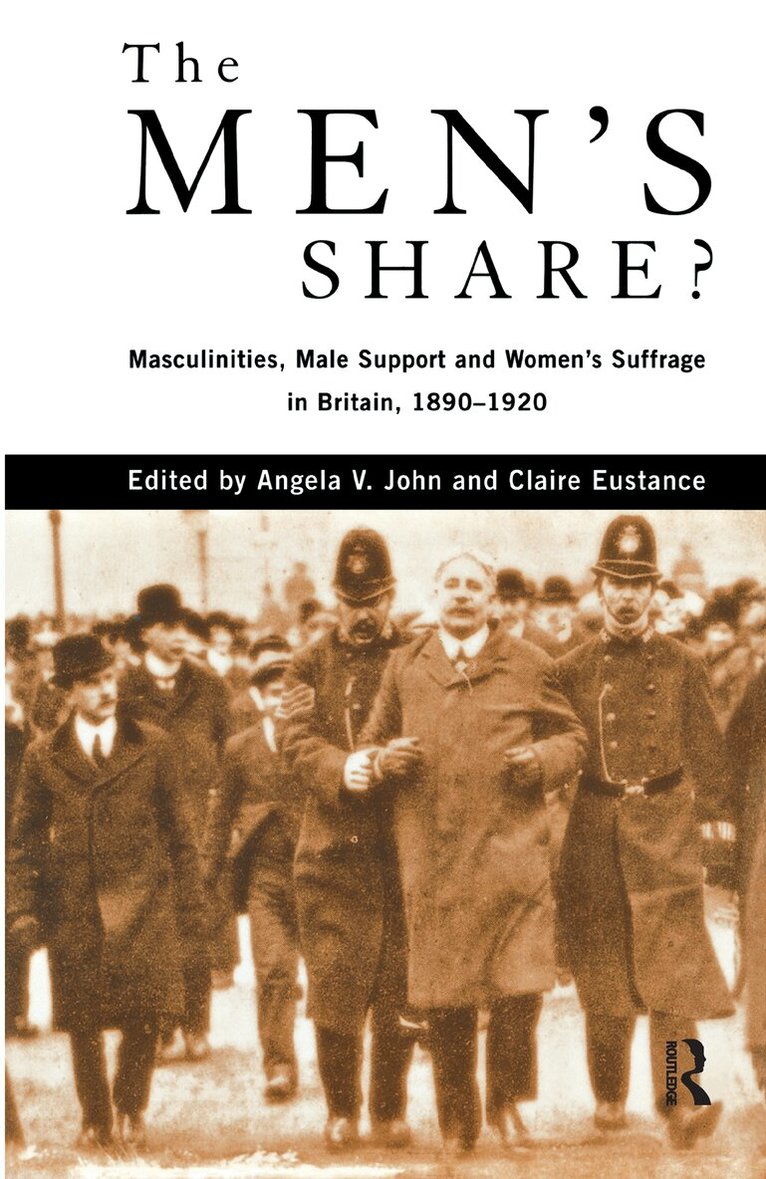
The opposition of men to women''s suffrage is well-known. However, men''s support for women''s suffrage is a neglected subject. In the late nineteenth and early twentieth century, over one thousand men were prepared to join societies and actively work for women''s suffrage, whilst many other men offered support. The Men''s Share?, edited by Angela John and Claire Eustance, examines who these men were, how they organized themselves and how they put pressure on the government.
866 kr
Läs direkt efter köp
The opposition of men to women''s suffrage is well-known. However, men''s support for women''s suffrage is a neglected subject. In the late nineteenth and early twentieth century, over one thousand men were prepared to join societies and actively work for women''s suffrage, whilst many other men offered support. The Men''s Share?, edited by Angela John and Claire Eustance, examines who these men were, how they organized themselves and how they put pressure on the government.
849 kr
Läs direkt efter köp
The pit brow lasses who sorted coal and performed a variety of jobs above ground at British coal mines prompted a violent debate about women’s work in the nineteenth century.
Seen as the prime example of degraded womanhood, the pit brow woman was regarded as an aberration in a masculine domain, cruelly torn from her ‘natural sphere’, the home. The, attempt to restrict women’s work at the mines in the 1880s highlights the dichotomy between the fashionable ideal of womanhood and the necessity and reality of female manual labour.
Although only a tiny percentage of the colliery labour force, the pit lasses aroused an interest out of all proportion to their numbers and their work became a test case for women’s outdoor manual employment. Angela John discusses the implications of this debate, showing how it encapsulates many of the ambivalences of late Victorian attitudes towards working-class female employment, and at the same time raises wider questions both about women’s work in industries seen as traditionally male enclaves, and about the ways in which women within the working community have been presented by historians.This book was first published in 1980.
849 kr
Läs direkt efter köp
The pit brow lasses who sorted coal and performed a variety of jobs above ground at British coal mines prompted a violent debate about women’s work in the nineteenth century.
Seen as the prime example of degraded womanhood, the pit brow woman was regarded as an aberration in a masculine domain, cruelly torn from her ‘natural sphere’, the home. The, attempt to restrict women’s work at the mines in the 1880s highlights the dichotomy between the fashionable ideal of womanhood and the necessity and reality of female manual labour.
Although only a tiny percentage of the colliery labour force, the pit lasses aroused an interest out of all proportion to their numbers and their work became a test case for women’s outdoor manual employment. Angela John discusses the implications of this debate, showing how it encapsulates many of the ambivalences of late Victorian attitudes towards working-class female employment, and at the same time raises wider questions both about women’s work in industries seen as traditionally male enclaves, and about the ways in which women within the working community have been presented by historians.This book was first published in 1980.
377 kr
Skickas inom 10-15 vardagar
153 kr
Läs direkt efter köp
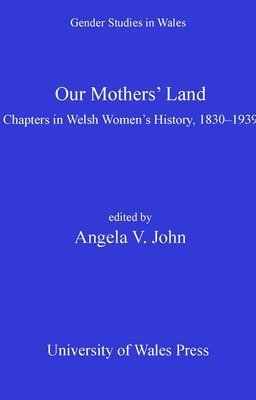
This volume marks the twentieth anniversary of the first publication of this groundbreaking book. It reflects the pioneering research of its contributors to the development of modern Welsh women''s history. The eight chapters range widely across time (1830-1939) and place, from exploring working class women''s community sanctions and the perils facing collier''s wife to the very different lifestyles of ironmasters'' wives. They also tackle the idealised images of respectable Welsh women in periodicals and the tragic reality of those who took their own lives as well as showing us the transgressive actions of suffrage rebels. They examine how women carved out space within movements such as temperance and track the fluctuating fortunes of women''s employment and domestic life from the Great War to the eve of the Second World War. This volume makes available once more a book that has become a classic in its field and a vital part of the historiography of modern Wales. This expanded edition also brings us up to date. It reveals the research and publications of the last two decades and comments upon the extent to which Wales has moved beyond being the familiar ''land of our fathers''. Written in a lively and accessible style, it nevertheless draws upon a wealth of research and expertise and should appeal to both the academic community and to a much wider readership.
906 kr
Skickas inom 10-15 vardagar
135 kr
Skickas
280 kr
Skickas
226 kr
Skickas
133 kr
Tillfälligt slut
195 kr
Tillfälligt slut
1 118 kr
Tillfälligt slut
166 kr
Tillfälligt slut