Angela Vanhaelen - Böcker
Visar alla böcker från författaren Angela Vanhaelen. Handla med fri frakt och snabb leverans.
8 produkter
8 produkter
1 200 kr
Skickas inom 7-10 vardagar
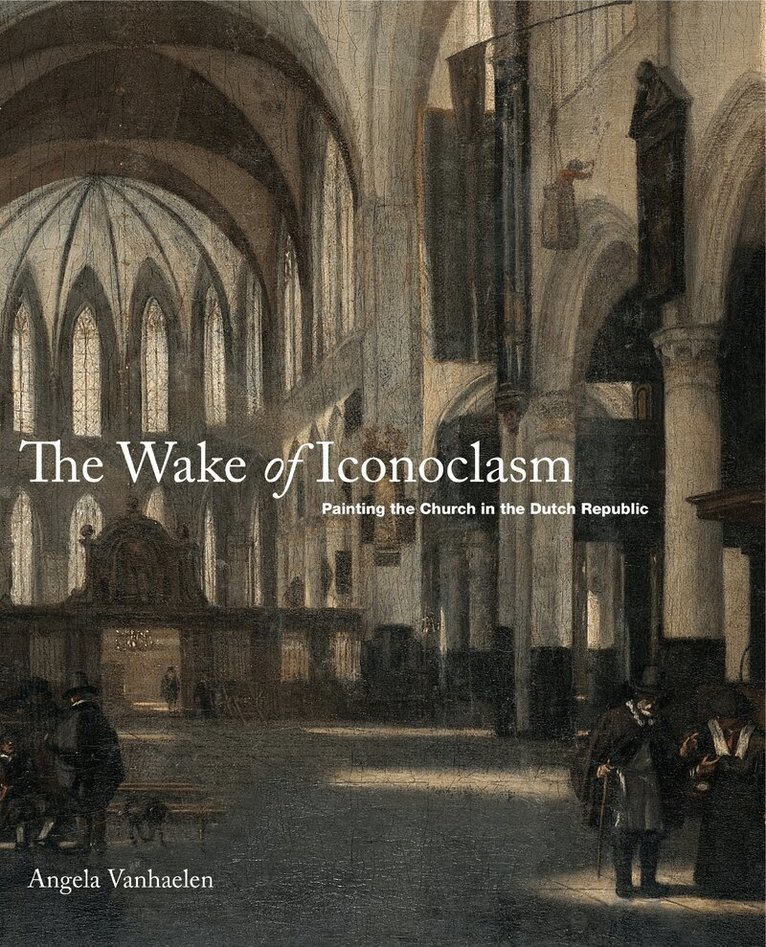
In describing the seventeenth-century Dutch Republic, Johan Huizinga said, “Paintings could be found everywhere . . . everywhere except in churches.” Although pictures were ubiquitous in the Dutch world, the official religion expressed a fundamental distrust of visual imagery. Indeed, Calvinism and visual culture were both central modes of self-understanding in Dutch society. Investigating this paradox, The Wake of Iconoclasm takes as its main subject the numerous paintings of austere Calvinist church interiors that proliferated in the seventeenth century. Painstakingly crafted and highly naturalistic images of interiors, these peculiar paintings show spaces that were purged of visual imagery during and after the iconoclast riots of the sixteenth century. In essence, they depict the interface of the histories of art and religion. Angela Vanhaelen argues that the main function of this imagery was to stimulate debate about the transformed role of art in relation to the religious and political upheavals of the Reformation and the Dutch Revolt. Paintings of the emptied churches allowed their beholders to grapple with the significant public influence of Calvinism—especially its suppression of past cultural traditions and the new conditions of possibility it created for the visual arts.
Moving Statues of Seventeenth-Century Amsterdam
Automata, Waxworks, Fountains, Labyrinths
Inbunden, Engelska, 2022
506 kr
Skickas inom 7-10 vardagar
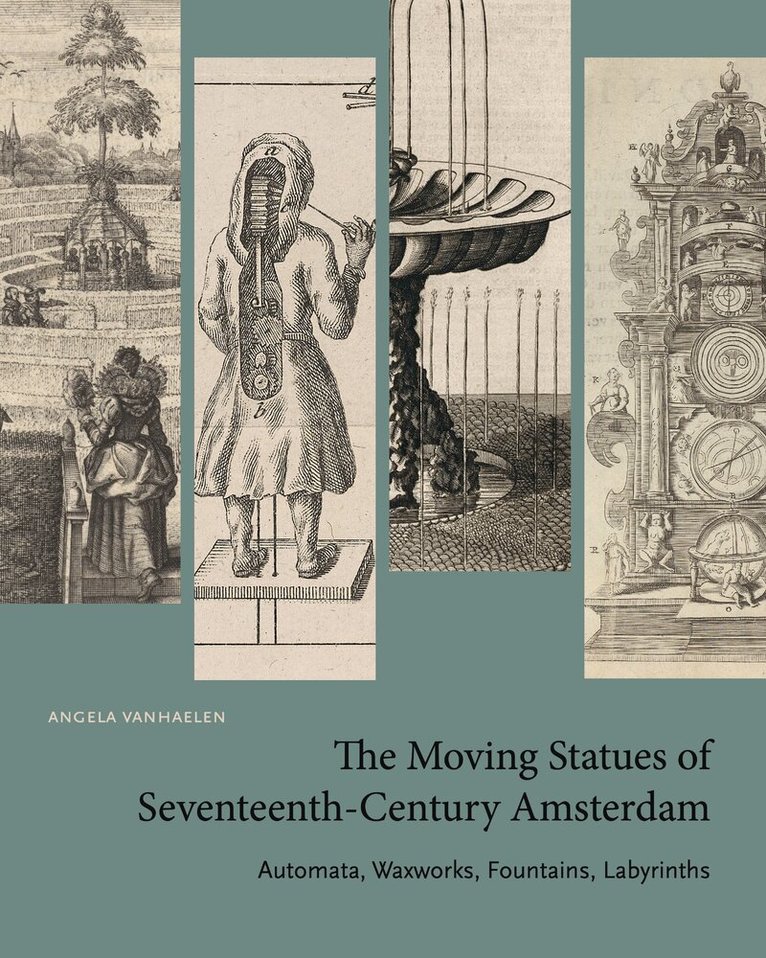
This book opens a window onto a fascinating and understudied aspect of the visual, material, intellectual, and cultural history of seventeenth-century Amsterdam: the role played by its inns and taverns, specifically the doolhoven.Doolhoven were a type of labyrinth unique to early modern Amsterdam. Offering guest lodgings, these licensed public houses also housed remarkable displays of artwork in their gardens and galleries. The main attractions were inventive displays of moving mechanical figures (automata) and a famed set of waxwork portraits of the rulers of Protestant Europe. Publicized as the most innovative artworks on display in Amsterdam, the doolhoven exhibits presented the mercantile city as a global center of artistic and technological advancement. This evocative tour through the doolhoven pub gardens—where drinking, entertainment, and the acquisition of knowledge mingled in encounters with lively displays of animated artifacts—shows that the exhibits had a forceful and transformative impact on visitors, one that moved them toward Protestant reform.Deeply researched and decidedly original, The Moving Statues of Seventeenth-Century Amsterdam uncovers a wealth of information about these nearly forgotten public pleasure parks, situating them within popular culture, religious controversies, global trade relations, and intellectual debates of the seventeenth century. It will appeal in particular to scholars in art history and early modern studies.
Moving Statues of Seventeenth-Century Amsterdam
Automata, Waxworks, Fountains, Labyrinths
Häftad, Engelska, 2023
441 kr
Skickas inom 7-10 vardagar
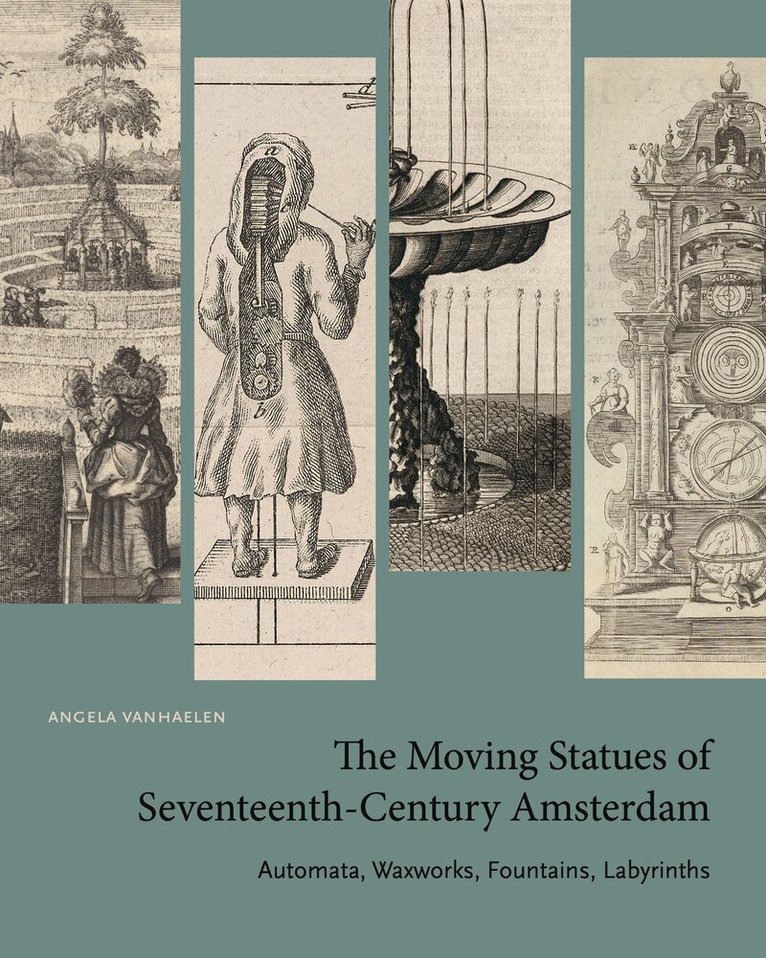
This book opens a window onto a fascinating and understudied aspect of the visual, material, intellectual, and cultural history of seventeenth-century Amsterdam: the role played by its inns and taverns, specifically the doolhoven.Doolhoven were a type of labyrinth unique to early modern Amsterdam. Offering guest lodgings, these licensed public houses also housed remarkable displays of artwork in their gardens and galleries. The main attractions were inventive displays of moving mechanical figures (automata) and a famed set of waxwork portraits of the rulers of Protestant Europe. Publicized as the most innovative artworks on display in Amsterdam, the doolhoven exhibits presented the mercantile city as a global center of artistic and technological advancement. This evocative tour through the doolhoven pub gardens—where drinking, entertainment, and the acquisition of knowledge mingled in encounters with lively displays of animated artifacts—shows that the exhibits had a forceful and transformative impact on visitors, one that moved them toward Protestant reform.Deeply researched and decidedly original, The Moving Statues of Seventeenth-Century Amsterdam uncovers a wealth of information about these nearly forgotten public pleasure parks, situating them within popular culture, religious controversies, global trade relations, and intellectual debates of the seventeenth century. It will appeal in particular to scholars in art history and early modern studies.
1 038 kr
Skickas inom 7-10 vardagar
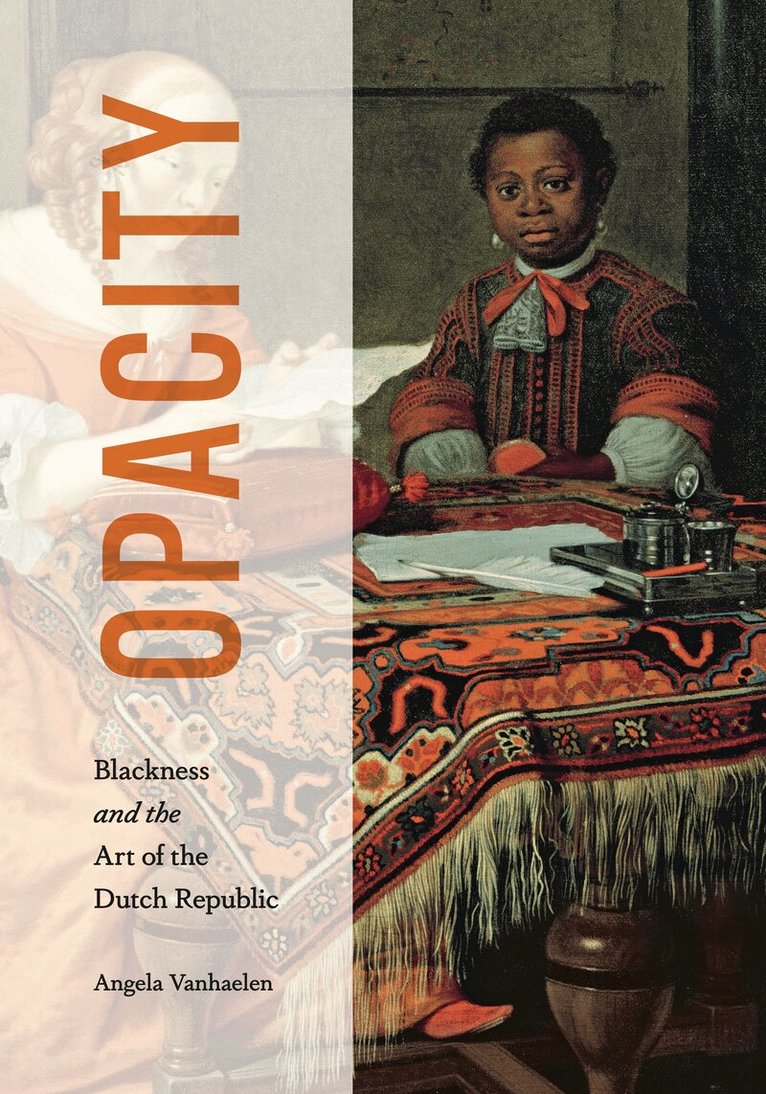
As Dutch merchants became drivers of the transatlantic slavery business in the seventeenth century, Dutch art increasingly used Blackness to signal slavery and servitude. In this brilliant and pathbreaking work, Angela Vanhaelen proposes new ways of looking at Dutch paintings that do not equate Blackness with enslavement. Vanhaelen reframes the conversation on Netherlandish art by placing seventeenth-century domestic scenes and portraits in dialogue with images of trading forts, markets, and plantations in West Africa and Brazil. She argues that Dutch paintings depicting enslaved Black Africans—for example, Frans Hals’s Family Group in a Landscape—not only obscure information about the institution of slavery but fail to capture the resistance and dissent of people who did not conform to the anti-Black world created by Dutch art. Opacity leads readers to grapple with difficult and complex questions: How do we reconcile images of peace and prosperity with the horror of the slave trade? How do we teach imagery of Black people as enslaved without reinforcing anti-Black racism? Can we interpret dehumanizing imagery in ways that consider the complexities of enslavement?Refusing to view Dutch pictures on their own terms, Opacity recognizes the historical persistence of non-sovereign positions, anticolonial settlements, non-patriarchal homeplaces, open-ended forms of religion and culture, as well as the possibilities of oppositional modes of world-making. This important, thought-provoking book will be essential reading for students and scholars of Black studies and early modern European art history as well as general readers looking for a fresh approach to Dutch art of the period.
728 kr
Skickas inom 10-15 vardagar
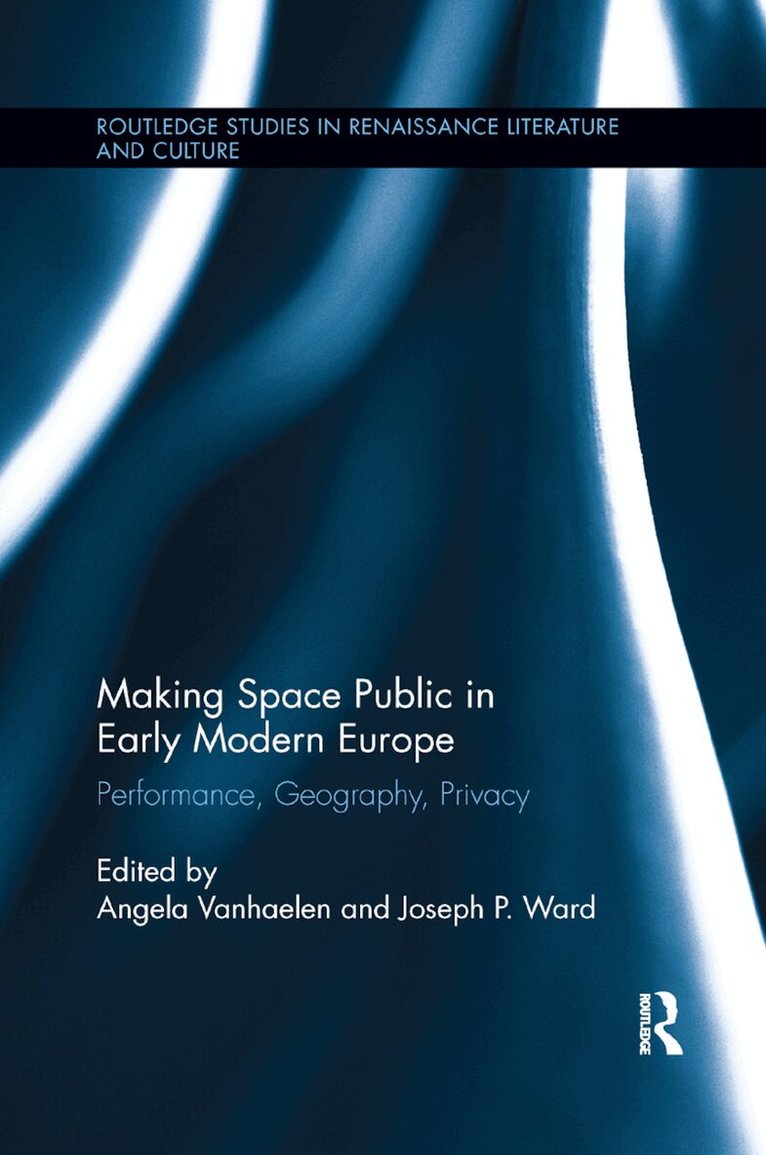
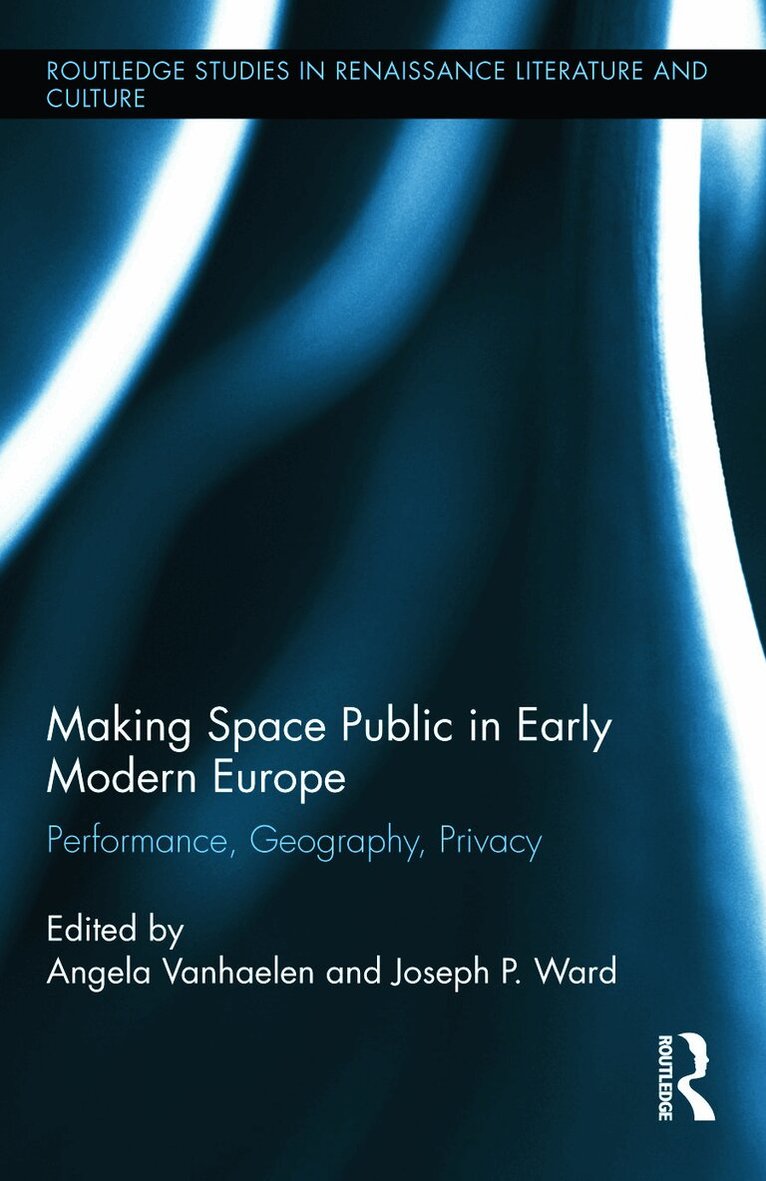
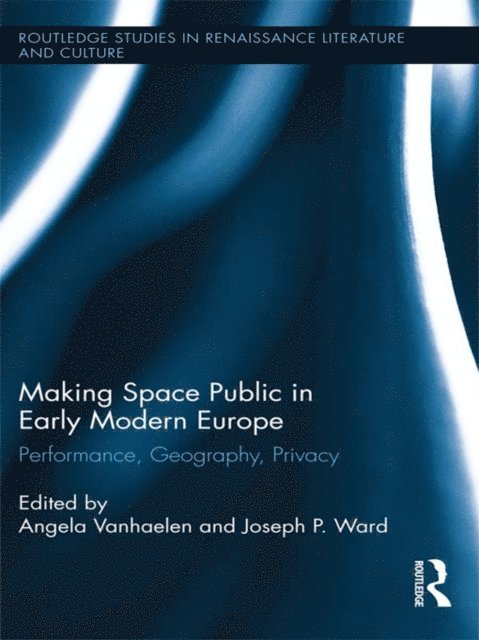
Broadening the conversation begun in Making Publics in Early Modern Europe (2009), this book examines how the spatial dynamics of public making changed the shape of early modern society. The publics visited in this volume are voluntary groupings of diverse individuals that could coalesce through the performative uptake of shared cultural forms and practices. The contributors argue that such forms of association were social productions of space as well as collective identities. Chapters explore a range of cultural activities such as theatre performances; travel and migration; practices of persuasion; the embodied experiences of lived space; and the central importance of media and material things in the creation of publics and the production of spaces. They assess a multiplicity of publics that produced and occupied a multiplicity of social spaces where collective identity and voice could be created, discovered, asserted, and exercised. Cultural producers and consumers thus challenged dominant ideas about just who could enter the public arena, greatly expanding both the real and imaginary spaces of public life to include hitherto excluded groups of private people. The consequences of this historical reconfiguration of public space remain relevant, especially for contemporary efforts to meaningfully include the views of ordinary people in public life.
2 490 kr
Skickas inom 10-15 vardagar
Broadening the conversation begun in Making Publics in Early Modern Europe (2009), this book examines how the spatial dynamics of public making changed the shape of early modern society. The publics visited in this volume are voluntary groupings of diverse individuals that could coalesce through the performative uptake of shared cultural forms and practices. The contributors argue that such forms of association were social productions of space as well as collective identities. Chapters explore a range of cultural activities such as theatre performances; travel and migration; practices of persuasion; the embodied experiences of lived space; and the central importance of media and material things in the creation of publics and the production of spaces. They assess a multiplicity of publics that produced and occupied a multiplicity of social spaces where collective identity and voice could be created, discovered, asserted, and exercised. Cultural producers and consumers thus challenged dominant ideas about just who could enter the public arena, greatly expanding both the real and imaginary spaces of public life to include hitherto excluded groups of private people. The consequences of this historical reconfiguration of public space remain relevant, especially for contemporary efforts to meaningfully include the views of ordinary people in public life.
334 kr
Skickas inom 7-10 vardagar
The Erotics of Looking: Early Modern Netherlandish Art presents a collection of provocative essays that explore the material qualities of early Dutch art to reveal ways new forms of visual imagery solicit a beholder’s involvement. Explores how descriptive pictures during the early modern Dutch art period operated as social things and were designed to pleasurably engage the eye and prompt discussion and debateShows how these works potentially raised ethical and political questions about the interconnectedness of engaging with pictures and the material worldRepresents a major contribution to the field of early modern Netherlandish art and to general debates about the status and functions of descriptive artFeatures essays addressing a variety of aspects of the field, from the historiography of Dutch art to closely attentive readings of particular worksCrafts an original theoretical framework by applying recent insights about the making of early modern publics and the study of material things to the analysis of Netherlandish art
904 kr
Skickas inom 7-10 vardagar
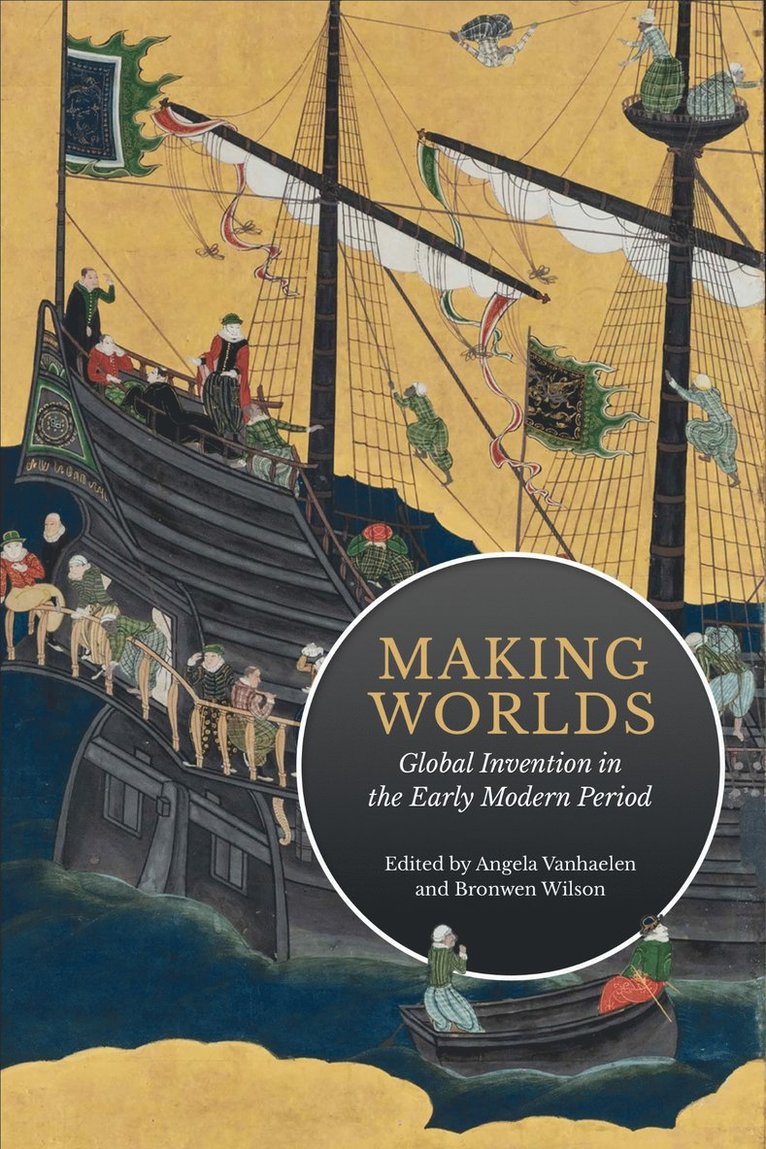
Taking into account the destructive powers of globalization, Making Worlds considers the interconnectedness of the world in the early modern period.This collection examines the interdisciplinary phenomenon of making worlds, with essays from scholars of history, literary studies, theatre and performance, art history, and anthropology. The volume advances questions about the history of globalization by focusing on how the expansion of global transit offered possibilities for interactions that included the testing of local identities through inventive experimentation with new and various forms of culture. Case studies show how the imposition of European economic, religious, political, and military models on other parts of the world unleashed unprecedented forces of invention as institutionalized powers came up against the creativity of peoples, cultural practices, materials, and techniques of making. In doing so, Making Worlds offers an important rethinking of how early globalization inconsistently generated ongoing dynamics of making, unmaking, and remaking worlds.