Angeliki-Nektaria Roumpou - Böcker
Visar alla böcker från författaren Angeliki-Nektaria Roumpou. Handla med fri frakt och snabb leverans.
4 produkter
4 produkter
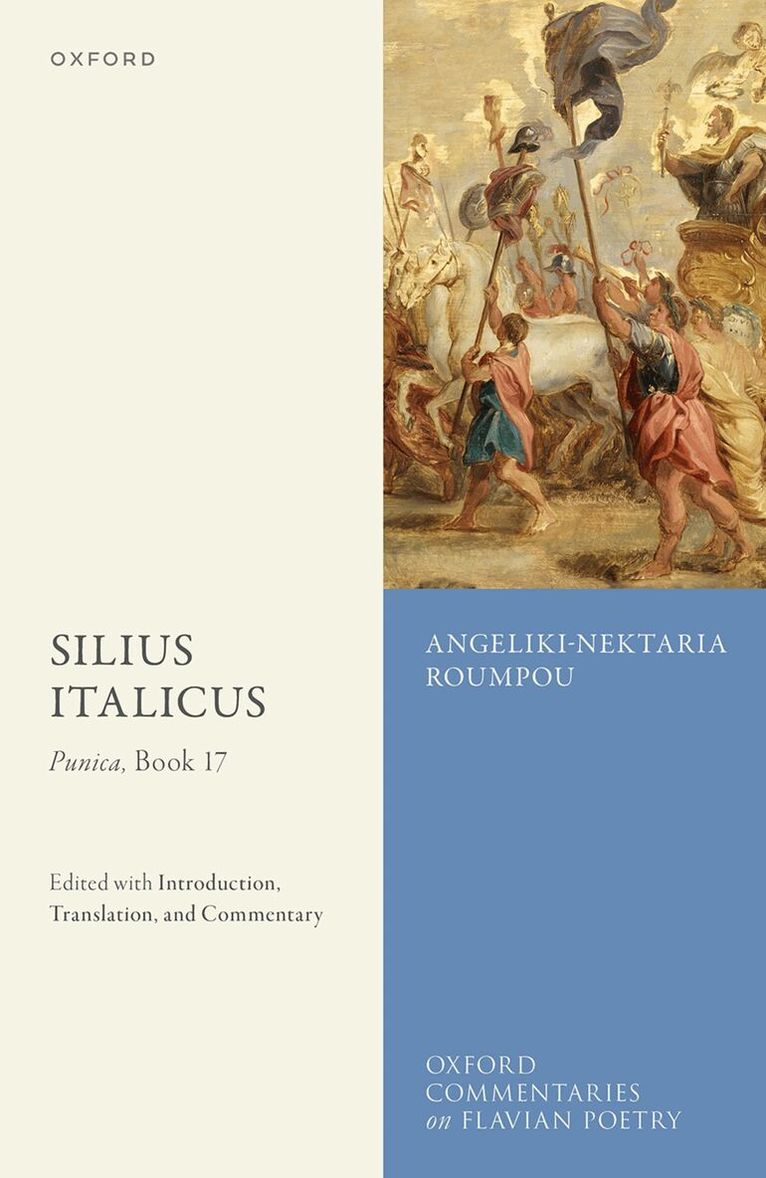
Silius Italicus: Punica, Book 17
Edited with Introduction, Translation, and Commentary
Inbunden, Engelska, 2025
2 555 kr
Skickas inom 5-8 vardagar
Book 17 of Silius Italicus' Punica serves as the powerful conclusion of the epic, detailing the final stages of the Second Punic War, culminating in the Battle of Zama, where Roman dominance is secured. The narrative intertwines divine intervention with human conflict. Silius narrates Carthage's submission to Rome and Rome's victory, bringing the Second Punic War to a close and solidifying the epic's significance within the literary tradition. At the same time, the narrative reflects concerns of Flavian Rome, offering a nuanced interpretation of the political and cultural issues of the poet's own era. Through elevated language, intricate metre, and vivid imagery, Silius amplifies the grandeur of the final battle, highlighting themes of divine influence, heroic struggle, and political power. By revisiting earlier narrative motifs, Book 17 masterfully unifies the epic's central themes, offering a resolution that is both conclusive and thought-provoking. This volume presents a new edition and translation into English of Book 17, along with an introduction and line-by-line commentary shedding light on the poet's dialogue with the epic tradition and the unique methods employed to bring the poem's narrative to a resonant close. Angeliki Nektaria Roumpou's General Introduction explores the poem's literary and historical context, offering an analysis and interpretation of the book's central themes. The commentary explores Silius' framing of the epic, and illuminates key historiographical, textual, linguistic, and literary issues embedded in the narrative, providing essential insights into Silius Italicus' artistry and the enduring legacy of his Punica.
1 772 kr
Skickas inom 5-8 vardagar
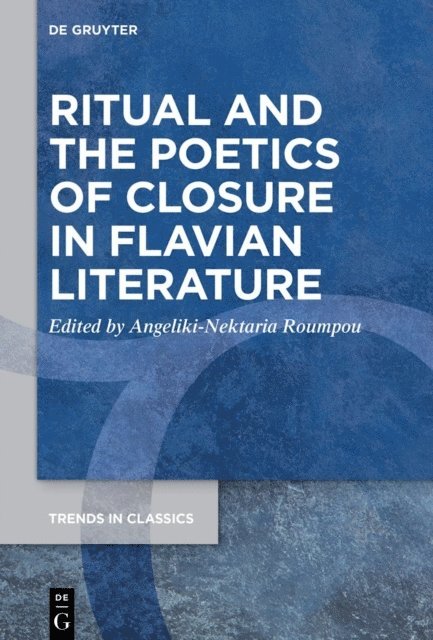
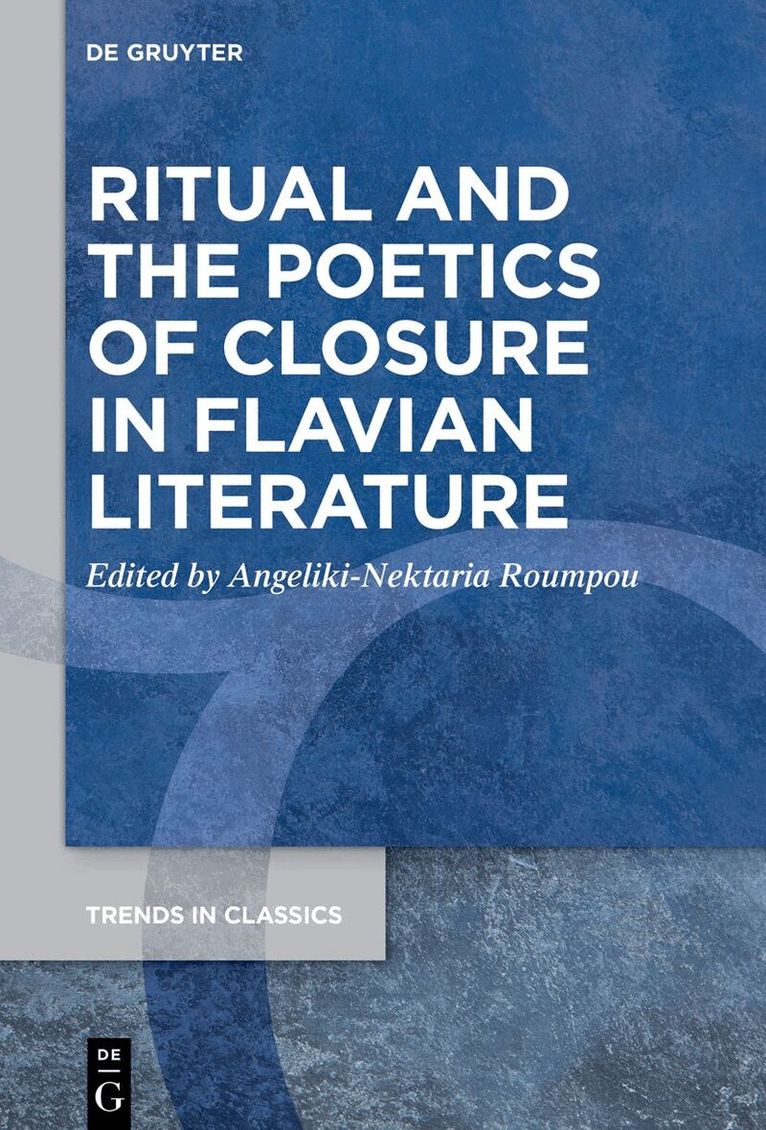
This collection of papers responds to the question of whether a ritual at the end of a text can offer resolution and order or rather a complicated kind of closure. It reveals that ritual can bring but also can thwart closure by alluding to new beginnings. A ritual could be a perfect kind of ending but it hardly ever seems to be. In Flavian literature this is even more apparent because of the complicated political background under which these texts were produced. Ancient religious practices in the closing sections of Flavian texts help us create connections between endings and (new) beginnings, order and disorder, binding and loosening, structure and dissolution which reflects the structure of the Empire in Flavian Rome. Overall, this volume offers a new tool for studying literary endings through ritual, which promotes our understanding of Flavian culture and politics as well as creating a new perception of the use of religion and ritual in Flavian literature: instead of giving a sense of closure, this volume argues that ritual is a medium to increase complexity, to expose ritual actors and to project a generic riskiness of ritual actors also onto the epic actors who are acting before and mostly after a ritual scene.
292 kr
Skickas inom 3-6 vardagar
This collection of papers responds to the question of whether a ritual at the end of a text can offer resolution and order or rather a complicated kind of closure. It reveals that ritual can bring but also can thwart closure by alluding to new beginnings. A ritual could be a perfect kind of ending but it hardly ever seems to be. In Flavian literature this is even more apparent because of the complicated political background under which these texts were produced. Ancient religious practices in the closing sections of Flavian texts help us create connections between endings and (new) beginnings, order and disorder, binding and loosening, structure and dissolution which reflects the structure of the Empire in Flavian Rome. Overall, this volume offers a new tool for studying literary endings through ritual, which promotes our understanding of Flavian culture and politics as well as creating a new perception of the use of religion and ritual in Flavian literature: instead of giving a sense of closure, this volume argues that ritual is a medium to increase complexity, to expose ritual actors and to project a generic riskiness of ritual actors also onto the epic actors who are acting before and mostly after a ritual scene.
2 001 kr
Kommande
The current volume examines the intricate relationship between Flavian epic and Greek and Roman tragedy, highlighting how Flavian poets integrate tragic themes to explore moral, political, and ideological tensions in early imperial Rome. Through intertextual analysis, the volume investigates the adaptation of tragic figures, motifs, and rhetorical strategies, revealing how epic poets engage with tragedy to shape narrative and character psychology. The papers explore the epic treatment of familiar tragic themes such as inherited guilt, fatal misunderstandings and the destructive nature of furor, while also addressing the performative aspects of epic narrative. By incorporating perspectives from historiography, rhetoric, and Senecan tragedy, this volume demonstrates how Flavian epic actively repurposes tragedy to mediate cultural anxieties and engage with contemporary philosophical debates. Offering a fresh approach to genre interaction, this volume is essential for scholars of Flavian epic, tragedy, and Roman literary culture.