
Angelo Shaun Franklin – författare
Visar alla böcker från författaren Angelo Shaun Franklin. Handla med fri frakt och snabb leverans.
3 produkter
3 produkter
1 142 kr
Skickas inom 10-15 vardagar
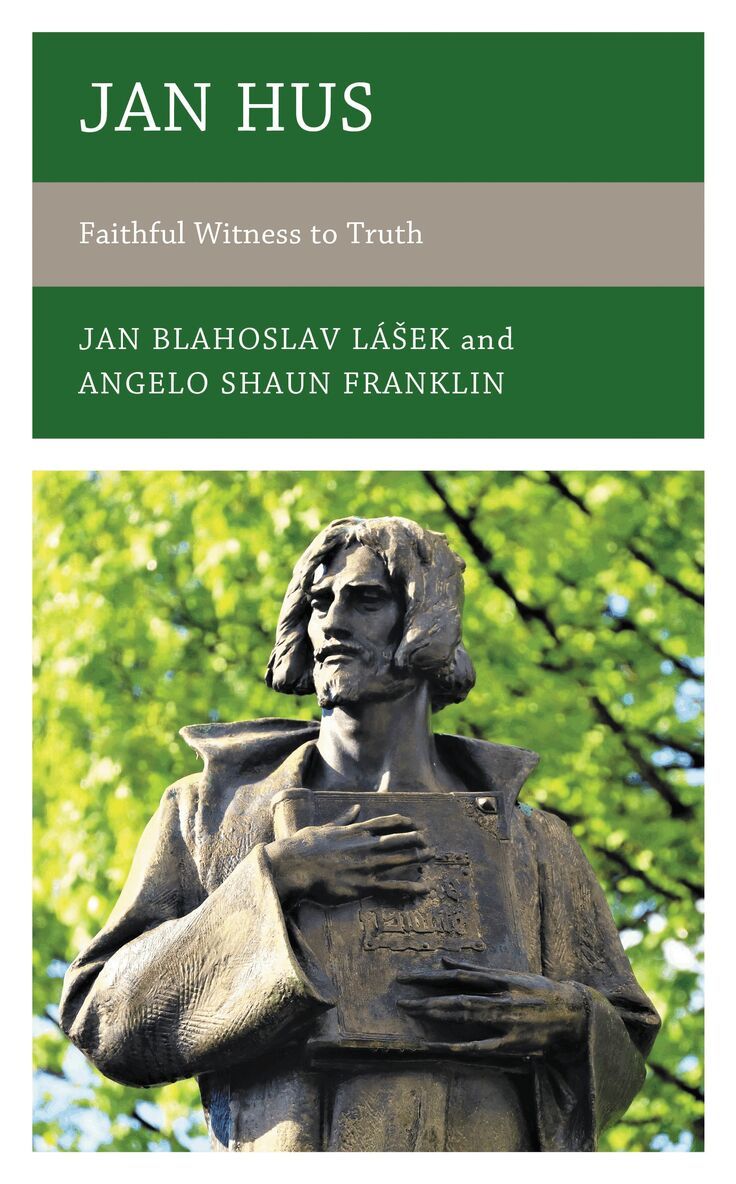
The Bohemian reformer Jan Hus made a substantial and critical contribution to the development of the medieval church, owing especially to his views and teachings on Scripture, the church, faith, conscience, and spirituality. This book offers a presentation of Hus’s theological commitment centered on his understanding of truth. Lášek and Franklin explore Hus's preaching ministry and his long-drawn-out legal struggle against charges of heresy as ethical outworkings of this approach to truth. Central to this exploration is a new annotated translation of Hus’s Appeal to Jesus Christ as the Supreme Judge against the pope and canon law. This document was not only a protest against papal power, but expressed a fundamentally new legal situation: in bypassing canon law, it essentially represented a personal claim to freedom of conscience. This unheard-of principle from within the medieval legal framework preceded other related ecclesiastical and legal developments by several centuries. The authors argue that Hus’s appeal thus represents a momentous event in church history and European history as a whole. Due to the historical significance of his martyrdom and commemoration by many churches throughout Europe, this book demonstrates that Hus remains an important figure not only for the study of European history, but also for understanding contemporary values of Western civilization.
434 kr
Skickas inom 10-15 vardagar
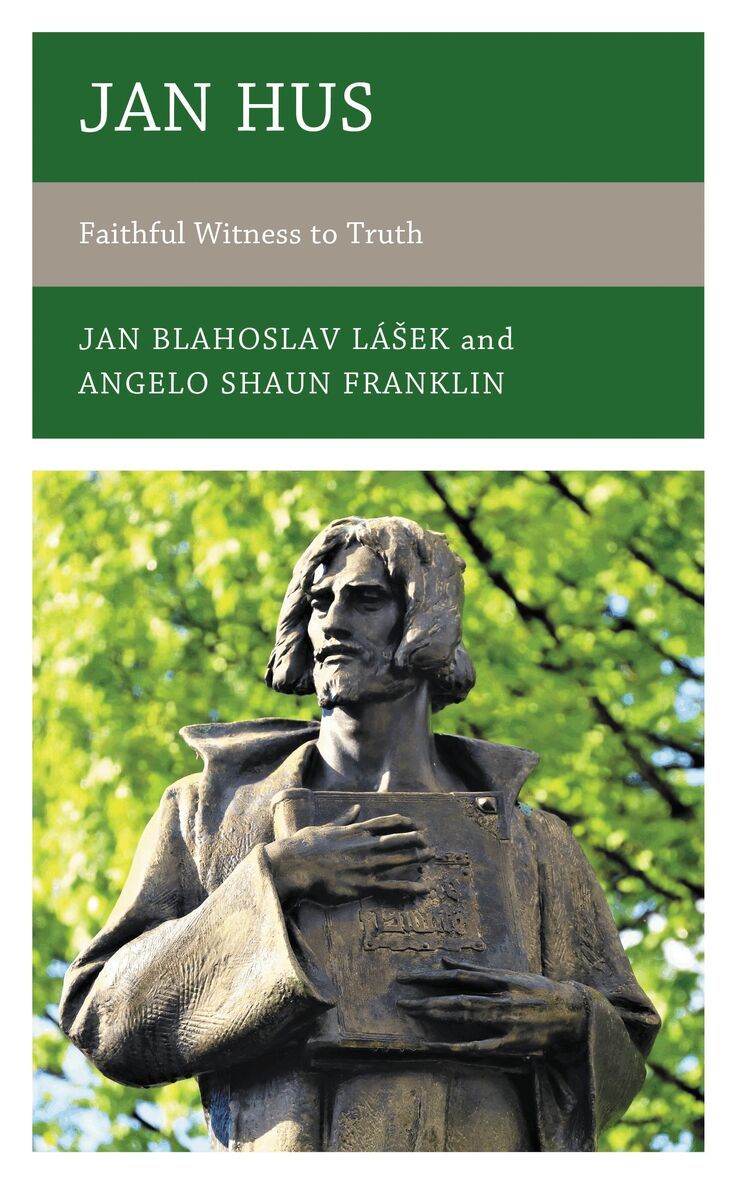
The Bohemian reformer Jan Hus made a substantial and critical contribution to the development of the medieval church, owing especially to his views and teachings on Scripture, the church, faith, conscience, and spirituality. This book offers a presentation of Hus’s theological commitment centered on his understanding of truth. Lášek and Franklin explore Hus's preaching ministry and his long-drawn-out legal struggle against charges of heresy as ethical outworkings of this approach to truth. Central to this exploration is a new annotated translation of Hus’s Appeal to Jesus Christ as the Supreme Judge against the pope and canon law. This document was not only a protest against papal power, but expressed a fundamentally new legal situation: in bypassing canon law, it essentially represented a personal claim to freedom of conscience. This unheard-of principle from within the medieval legal framework preceded other related ecclesiastical and legal developments by several centuries. The authors argue that Hus’s appeal thus represents a momentous event in church history and European history as a whole. Due to the historical significance of his martyrdom and commemoration by many churches throughout Europe, this book demonstrates that Hus remains an important figure not only for the study of European history, but also for understanding contemporary values of Western civilization.
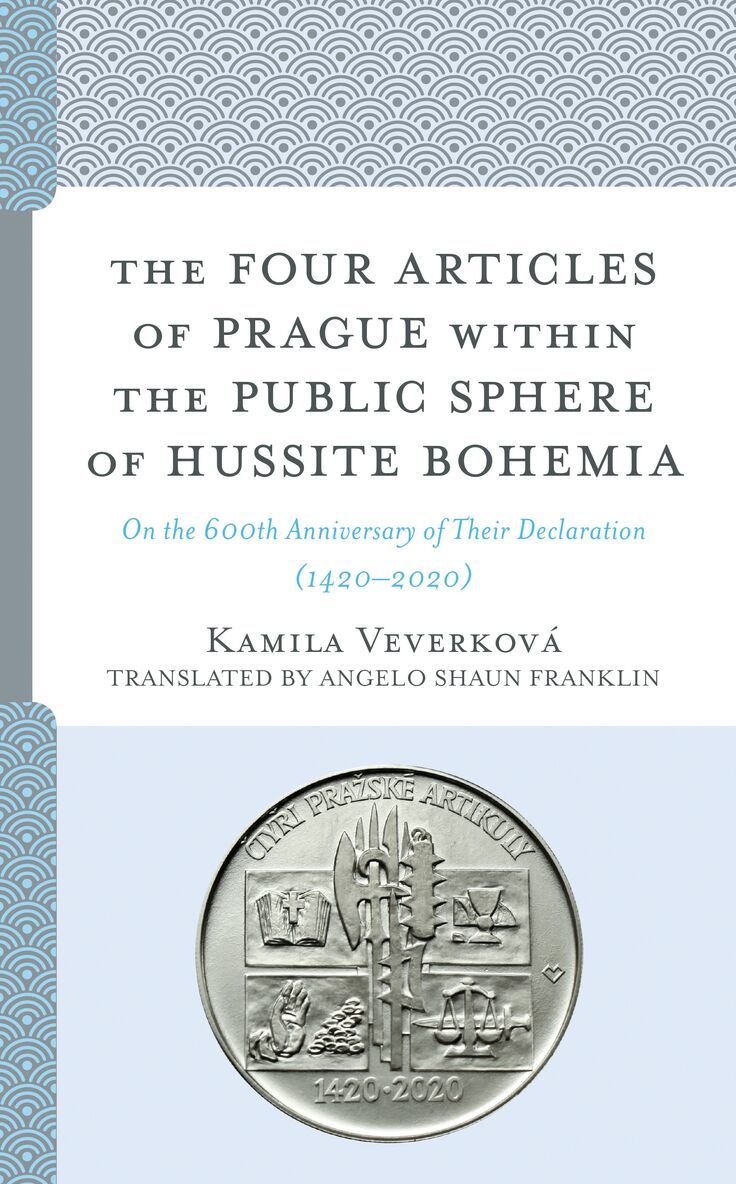
Four Articles of Prague within the Public Sphere of Hussite Bohemia
On the 600th Anniversary of Their Declaration (1420–2020)
Inbunden, Engelska, 2021
1 076 kr
Skickas inom 10-15 vardagar
The Hussites’ contribution to the transformation of the Czech state and its influence upon constitutional development were substantial. Various Hussite factions united over a program known as the Four Articles of Prague. InThe Four Articles of Prague within the Public Sphere of Hussite Bohemia, Kamila Veverková situates the Four Articles—presented here in a new translation by Angelo Franklin—in their political and economic context, emphasizing the societal reforms stimulated by the Hussite theological program.The Hussites demanded free proclamation of God's word, advocated public punishment of sins for all estates, rejected the secular rule of the church, and proclaimed the need to receive communion under both kinds. With no royal government in the country, the Czech Land Diet and its appointed administrators exercised practical power. The Czechs’ arduous negotiations at the Council of Basel ultimately succeeded; the Council adopted the Four Articles of Prague in the form of the Compactata, which later became part of Czech law (1436). The Religious Peace of Kutná Hora (1485) expressed the new constitutional situation, allowing religious freedom. This unheard-of principle preceded other related legal developments by several centuries. Hussites permanently changed the form of the state and law, becoming a model for Europe in the transition from feudalism to a bourgeois society.