Angioletta Sperti - Böcker
Visar alla böcker från författaren Angioletta Sperti. Handla med fri frakt och snabb leverans.
4 produkter
4 produkter
523 kr
Skickas inom 10-15 vardagar
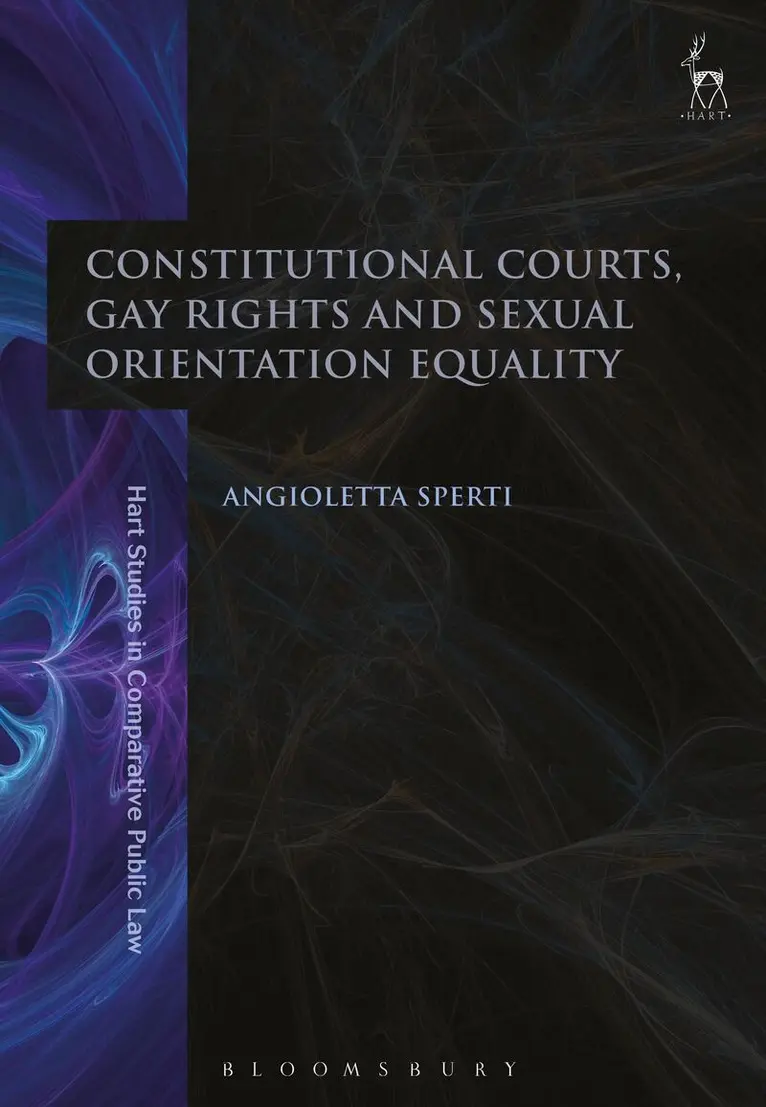
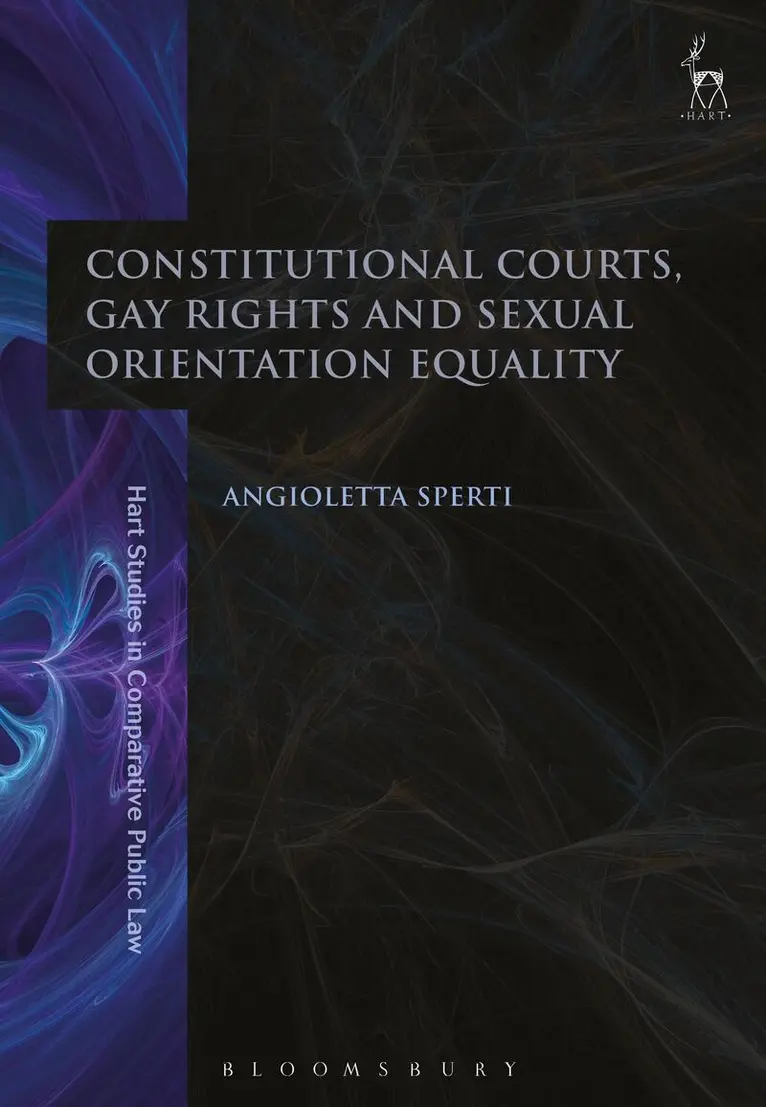
In the last fifteen years constitutional issues regarding the rights of gays, lesbians and same-sex couples have emerged on a global scale. The pace of recognition of their fundamental rights, both at judicial and legislative level, has dramatically increased across different jurisdictions, reflecting a growing consensus toward sexual orientation equality.This book considers a wide-range of decisions by constitutional and international courts, from the decriminalization of sexual acts to the recognition of same-sex marriage and parental rights for same-sex couples. It discusses analogies and differences in judicial arguments and rationales in such cases, focusing in particular on human dignity, privacy, liberty, equality and non-discrimination.It argues that courts operate as major exporters of models and principles and that judicial cross-fertilization also helps courts in increasing the acceptability of gays’ and lesbians’ rights in public opinions and politics. Courts discuss changes in the social perception of marriage and family at national and international levels and at the same time confirm and reinforce them, forging the legal debate over sexual orientation equality. Furthermore, by promoting the political reception of the achievements of foreign gay movements in their own jurisdictions, courts play an essential role in breaking the political stalemate.
1 235 kr
Skickas inom 10-15 vardagar
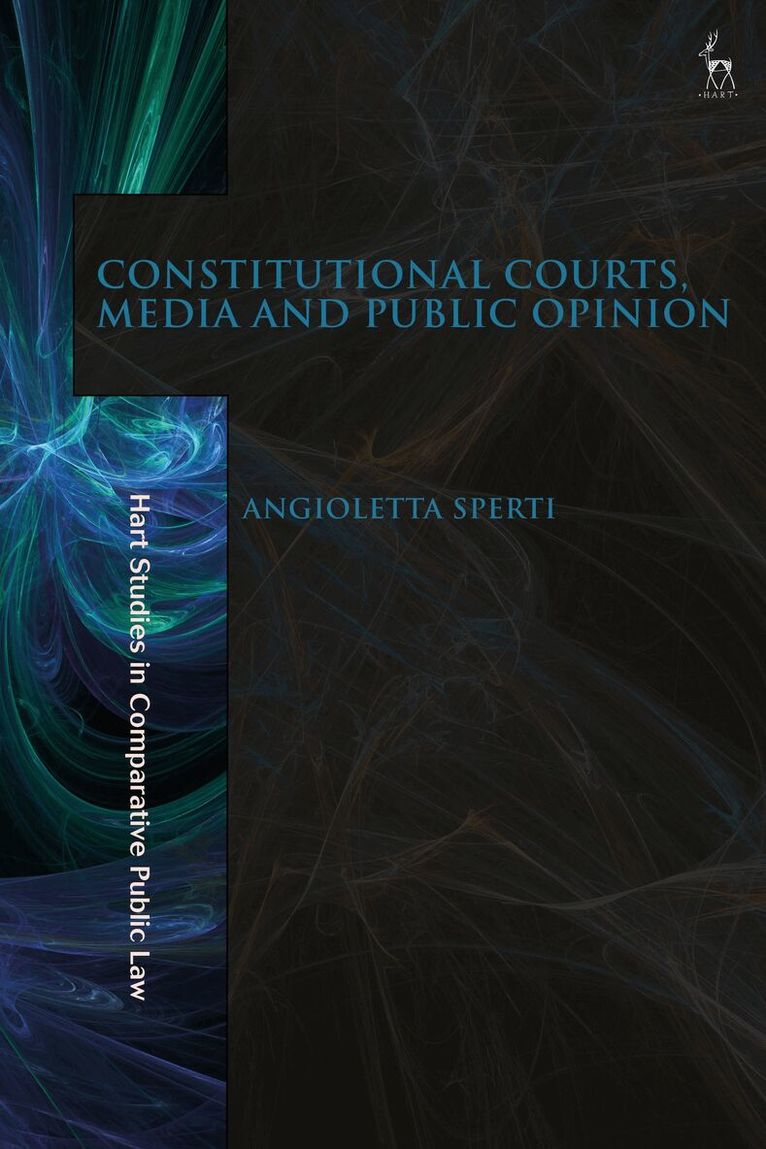
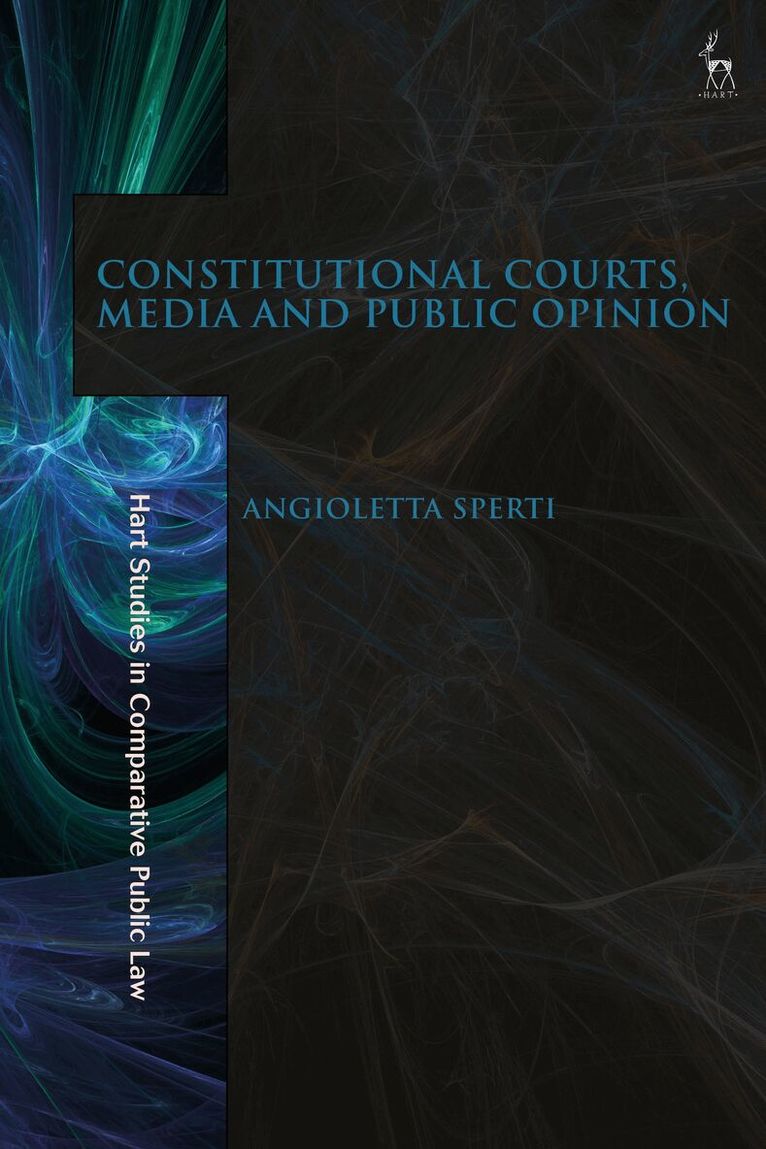
This book explores how constitutional courts have transformed communication and overcome their reluctance to engage in direct dialogue with citizens.How has the information revolution affected the relationship of constitutional courts with the public and the media? The book looks in detail at the communication strategies of the US Supreme Court, the Supreme Court of Canada, and in Europe the German Federal Constitutional Tribunal, the French Conseil Constitutionnel and the Italian Constitutional Court, arguing that when it comes to the relationship between courts and the media, different jurisdictions share many similarities. It focuses on the consequences of the communication revolution of courts both in terms of their relationship with public opinion and of the legitimacy of judicial review of legislation.Some constitutional courts have attracted criticism by engaging in proactive communication and, therefore, arguably yielding to the temptation of public support. The book argues that objections to the developing institutional communications employed by courts come from a preconceived notion of public opinion. It considers the burden the communication revolution has placed on constitutional courts to achieve a balance between transparency and seclusion, proximity and distance from public opinion. It puts forward important arguments for how this balance can be achieved.The book will interest scholars in constitutional law and public comparative law, sociologists, historians, political scientists, and scholars of media law and communication studies.
559 kr
Skickas inom 10-15 vardagar
This book explores how constitutional courts have transformed communication and overcome their reluctance to engage in direct dialogue with citizens.How has the information revolution affected the relationship of constitutional courts with the public and the media? The book looks in detail at the communication strategies of the US Supreme Court, the Supreme Court of Canada, and in Europe the German Federal Constitutional Tribunal, the French Conseil Constitutionnel and the Italian Constitutional Court, arguing that when it comes to the relationship between courts and the media, different jurisdictions share many similarities. It focuses on the consequences of the communication revolution of courts both in terms of their relationship with public opinion and of the legitimacy of judicial review of legislation.Some constitutional courts have attracted criticism by engaging in proactive communication and, therefore, arguably yielding to the temptation of public support. The book argues that objections to the developing institutional communications employed by courts come from a preconceived notion of public opinion. It considers the burden the communication revolution has placed on constitutional courts to achieve a balance between transparency and seclusion, proximity and distance from public opinion. It puts forward important arguments for how this balance can be achieved.The book will interest scholars in constitutional law and public comparative law, sociologists, historians, political scientists, and scholars of media law and communication studies.
1 235 kr
Skickas inom 10-15 vardagar
In the last fifteen years constitutional issues regarding the rights of gays, lesbians and same-sex couples have emerged on a global scale. The pace of recognition of their fundamental rights, both at judicial and legislative level, has dramatically increased across different jurisdictions, reflecting a growing consensus toward sexual orientation equality.This book considers a wide-range of decisions by constitutional and international courts, from the decriminalization of sexual acts to the recognition of same-sex marriage and parental rights for same-sex couples. It discusses analogies and differences in judicial arguments and rationales in such cases, focusing in particular on human dignity, privacy, liberty, equality and non-discrimination.It argues that courts operate as major exporters of models and principles and that judicial cross-fertilization also helps courts in increasing the acceptability of gays’ and lesbians’ rights in public opinions and politics. Courts discuss changes in the social perception of marriage and family at national and international levels and at the same time confirm and reinforce them, forging the legal debate over sexual orientation equality. Furthermore, by promoting the political reception of the achievements of foreign gay movements in their own jurisdictions, courts play an essential role in breaking the political stalemate.