Angus Hawkins - Böcker
Visar alla böcker från författaren Angus Hawkins. Handla med fri frakt och snabb leverans.
12 produkter
12 produkter
1 146 kr
Skickas
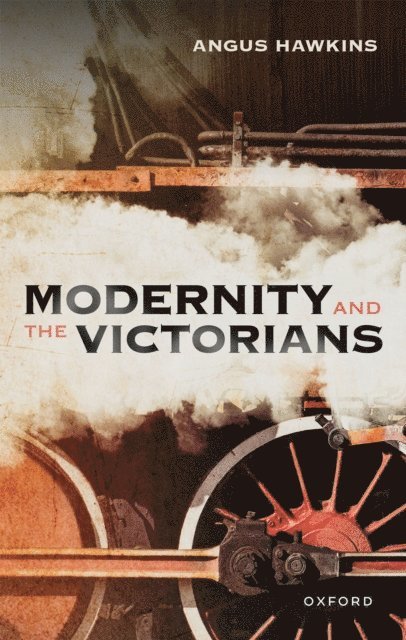
Modernity and the Victorians diagnoses a disorder in the scholarship on Victorian Britain, and proposes an interpretative remedy. It argues that the 'modernization theory' beloved of twentieth-century social scientists cannot be made to fit the facts of nineteenth-century British history. In its place, the book lays out in sweeping terms an alternative conception of the political and social dynamics of the period, centred on the past, morality, and community. Intended in part as a companion volume to Angus Hawkins' previous synthetic study Victorian Political Culture: "Habits of Heart and Mind" (2015), the book offers a deliberately bracing challenge to a swathe of received wisdoms which, it asserts, have misled students of modern Britain. Modernity and the Victorians is at once a piece of twentieth-century intellectual history, a contribution to the history of scholarship, a commentary on more recent historiography, and an attempt to intervene in current debates about the practice and future of political history. It is a mature and humane essay by a historian who devoted the whole of his career to making sense of the Victorians. A preface by Alex Middleton sets the book in context with Hawkins' earlier scholarship, and reflects on his wider contribution to the historiography of modern Britain. The volume will be of interest not only to students of nineteenth-century Britain, but also to intellectual historians, historiographers, historically-minded social scientists, and anyone interested in how present preoccupations can distort readings of the past.
2 213 kr
Skickas inom 5-8 vardagar
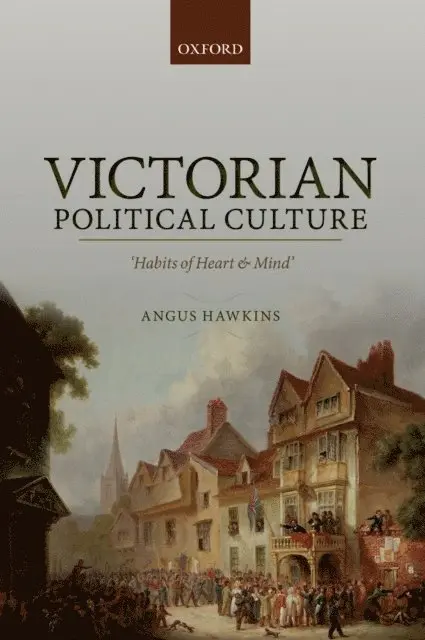
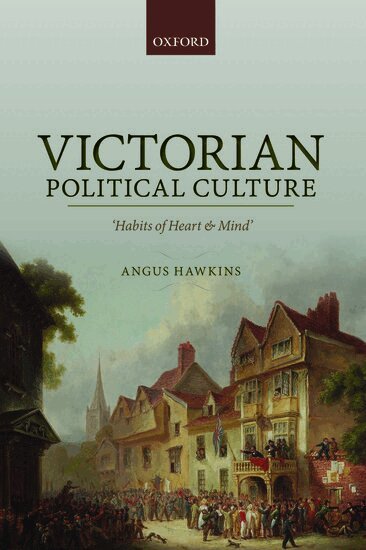
Victorian Britain is often described as an age of dawning democracy and as an exemplar of the modern Liberal state; yet a hereditary monarchy, a hereditary House of Lords, and an established Anglican Church survived as influential aspects of national public life with traditional elites assuming redefined roles.After 1832, constitutional notions of 'mixed government' gradually gave way to the orthodoxy of 'parliamentary government', shaping the function and nature of political parties in Westminster and the constituencies, as well as the relations between them. Following the 1867-8 Reform Acts, national political parties began to replace the premises of 'parliamentary government'. The subsequent emergence of a mass male electorate in the 1880s and 1890s prompted politicians to adopt new language and methods by which to appeal to voters, while enduring public values associated with morality, community and evocations of the past continued to shape Britain's distinctive political culture. This gave a particularly conservative trajectory to the nation's entry into the twentieth century.This study of British political culture from the late eighteenth to the early twentieth century examines the public values that informed perceptions of the constitution, electoral activity, party partisanship, and political organization. Its exploration of Victorian views of status, power, and authority as revealed in political language, speeches, and writing, as well as theology, literature, and science, shows how the development of moral communities rooted in readings of the past enabled politicians to manage far-reaching change. This presents a new over-arching perspective on the constitutional and political transformations of the Victorian age.
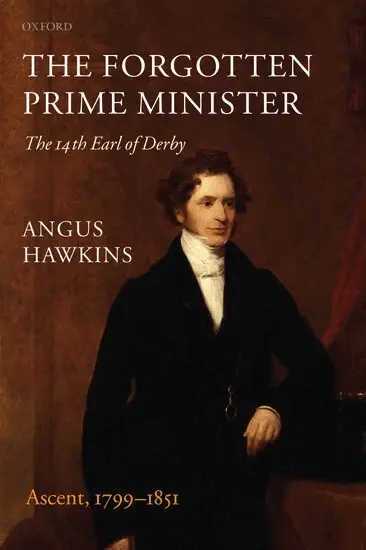
The Forgotten Prime Minister: The 14th Earl of Derby
Volume I: Ascent, 1799-1851
Inbunden, Engelska, 2007
1 379 kr
Skickas inom 5-8 vardagar
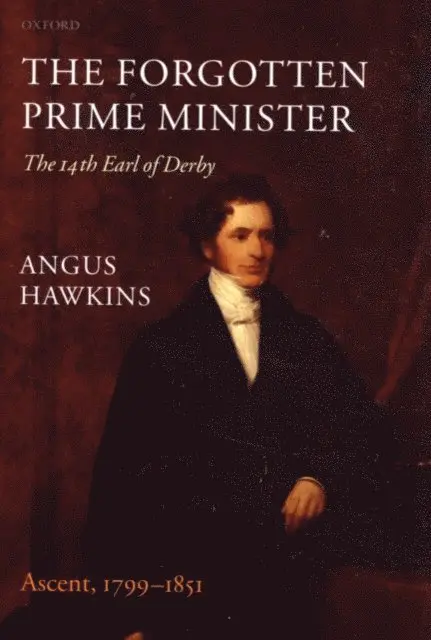
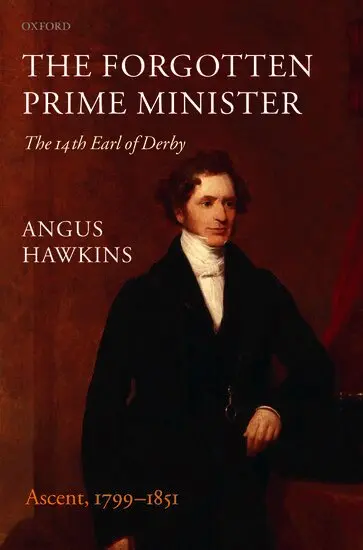
Lord Derby was the first British statesman to become prime minister three times. He remains the longest serving party leader in modern British politics, heading the Conservative party for twenty-two years from 1846 to 1868. He abolished slavery in the British Empire, established a national system of education in Ireland, was a prominent advocate for the 1832 Reform Act and, as prime minister, oversaw the introduction of the Second Reform Act in 1867. Yet no biography of Derby, based upon his papers and correspondence, has previously been published. Alone of all Britain's premiers, Derby has never received a full scholarly study examining his policies, personality, and beliefs. Largely airbrushed out of our received view of Victorian politics, Derby has become the forgotten prime minister. This ground-breaking biography, based upon Derby's own papers and extensive archive, as well as recently discovered sources, fills this striking gap. It completely revises the conventional portrait of Derby as a dull and apathetic politician, revealing him as a complex, astute, influential, and significant figure, who had a profound effect on the politics and society of his time. As Hawkins shows, far from being an uninterested dilettante, Derby played an instrumental role in directing Britain's path through the historic opportunities and challenges confronting the nation at a time of increasing political participation, industrial pre-eminence, urban growth, colonial expansion, religious controversy, and Irish tragedy. This book is likely not only to change our view of Derby himself but also fundamentally to affect our understanding of nineteenth century British party politics, the history of the Conservative party, and the nature of public life in the Victorian age in general, including some of its foremost figures, such as Robert Peel, Lord John Russell, Lord Palmerston, William Gladstone, and Benjamin Disraeli.Volume I takes the reader through Derby's early years, including his role in the 1832 Reform Act, the abolition of slavery, and the troubled years of the 1840s, through to the eve of his appointment as prime minister in the early 1850s.
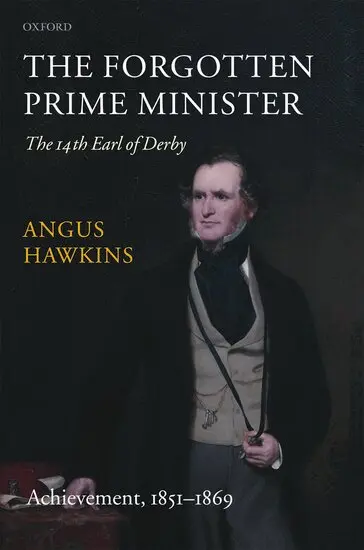
The Forgotten Prime Minister: The 14th Earl of Derby
Volume II: Achievement, 1851-1869
Inbunden, Engelska, 2008
1 944 kr
Skickas inom 5-8 vardagar
Lord Derby was the first British statesman to become prime minister three times. He remains the longest serving party leader in modern British politics, heading the Conservative party for twenty-two years from 1846 to 1868. He abolished slavery in the British Empire, established a national system of education in Ireland, was a prominent advocate for the 1832 Reform Act and, as prime minister, oversaw the introduction of the Second Reform Act in 1867. Yet no biography of Derby, based upon his papers and correspondence, has previously been published. Alone of all Britain's premiers, Derby has never received a full scholarly study examining his policies, personality, and beliefs. Largely airbrushed out of our received view of Victorian politics, Derby has become the forgotten prime minister. This ground-breaking biography, based upon Derby's own papers and extensive archive, as well as recently discovered sources, fills this striking gap. It completely revises the conventional portrait of Derby as a dull and apathetic politician, revealing him as a complex, astute, influential, and significant figure, who had a profound effect on the politics and society of his time. As Hawkins shows, far from being an uninterested dilettante, Derby played an instrumental role in directing Britain's path through the historic opportunities and challenges confronting the nation at a time of increasing political participation, industrial pre-eminence, urban growth, colonial expansion, religious controversy, and Irish tragedy.This book is likely not only to change our view of Derby himself but also fundamentally to affect our understanding of nineteenth century British party politics, the history of the Conservative party, and the nature of public life in the Victorian age in general, including some of its foremost figures, such as Robert Peel, Lord John Russell, Lord Palmerston, William Gladstone, and Benjamin Disraeli. Volume II opens with Derby's first period as prime minister in 1852 and takes us through to his death in 1869.
The Forgotten Prime Minister: The 14th Earl of Derby
Volume I: Ascent, 1799-1851
Häftad, Engelska, 2009
705 kr
Skickas inom 7-10 vardagar
Lord Derby was the first British statesman to become prime minister three times. He remains the longest serving party leader in modern British politics, heading the Conservative party for twenty-two years from 1846 to 1868. He abolished slavery in the British Empire, established a national system of education in Ireland, was a prominent advocate for the 1832 Reform Act and, as prime minister, oversaw the introduction of the Second Reform Act in 1867. Yet no biography of Derby, based upon his papers and correspondence, has previously been published. Alone of all Britain's premiers, Derby has never received a full scholarly study examining his policies, personality, and beliefs. Largely airbrushed out of our received view of Victorian politics, Derby has become the forgotten prime minister. This ground-breaking biography, based upon Derby's own papers and extensive archive, as well as recently discovered sources, fills this striking gap. It completely revises the conventional portrait of Derby as a dull and apathetic politician, revealing him as a complex, astute, influential, and significant figure, who had a profound effect on the politics and society of his time. As Hawkins shows, far from being an uninterested dilettante, Derby played an instrumental role in directing Britain's path through the historic opportunities and challenges confronting the nation at a time of increasing political participation, industrial pre-eminence, urban growth, colonial expansion, religious controversy, and Irish tragedy. This book is likely not only to change our view of Derby himself but also fundamentally to affect our understanding of nineteenth century British party politics, the history of the Conservative party, and the nature of public life in the Victorian age in general, including some of its foremost figures, such as Robert Peel, Lord John Russell, Lord Palmerston, William Gladstone, and Benjamin Disraeli. Volume I takes the reader through Derby's early years, including his role in the 1832 Reform Act, the abolition of slavery, and the troubled years of the 1840s, through to the eve of his appointment as prime minister in the early 1850s.
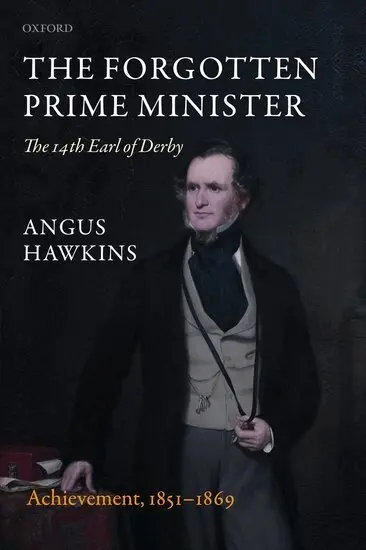
The Forgotten Prime Minister: The 14th Earl of Derby
Volume II: Achievement, 1851-1869
Häftad, Engelska, 2010
812 kr
Skickas inom 7-10 vardagar
Lord Derby was the first British statesman to become prime minister three times. He remains the longest serving party leader in modern British politics, heading the Conservative party for twenty-two years from 1846 to 1868. He abolished slavery in the British Empire, established a national system of education in Ireland, was a prominent advocate for the 1832 Reform Act and, as prime minister, oversaw the introduction of the Second Reform Act in 1867. Yet no biography of Derby, based upon his papers and correspondence, has previously been published. Alone of all Britain's premiers, Derby has never received a full scholarly study examining his policies, personality, and beliefs. Largely airbrushed out of our received view of Victorian politics, Derby has become the forgotten prime minister. This ground-breaking biography, based upon Derby's own papers and extensive archive, as well as recently discovered sources, fills this striking gap. It completely revises the conventional portrait of Derby as a dull and apathetic politician, revealing him as a complex, astute, influential, and significant figure, who had a profound effect on the politics and society of his time. As Hawkins shows, far from being an uninterested dilettante, Derby played an instrumental role in directing Britain's path through the historic opportunities and challenges confronting the nation at a time of increasing political participation, industrial pre-eminence, urban growth, colonial expansion, religious controversy, and Irish tragedy. This book is likely not only to change our view of Derby himself but also fundamentally to affect our understanding of nineteenth century British party politics, the history of the Conservative party, and the nature of public life in the Victorian age in general, including some of its foremost figures, such as Robert Peel, Lord John Russell, Lord Palmerston, William Gladstone, and Benjamin Disraeli. Volume II opens with Derby's first period as prime minister in 1852 and takes us through to his death in 1869.
2 427 kr
Kommande
695 kr
Skickas inom 10-15 vardagar
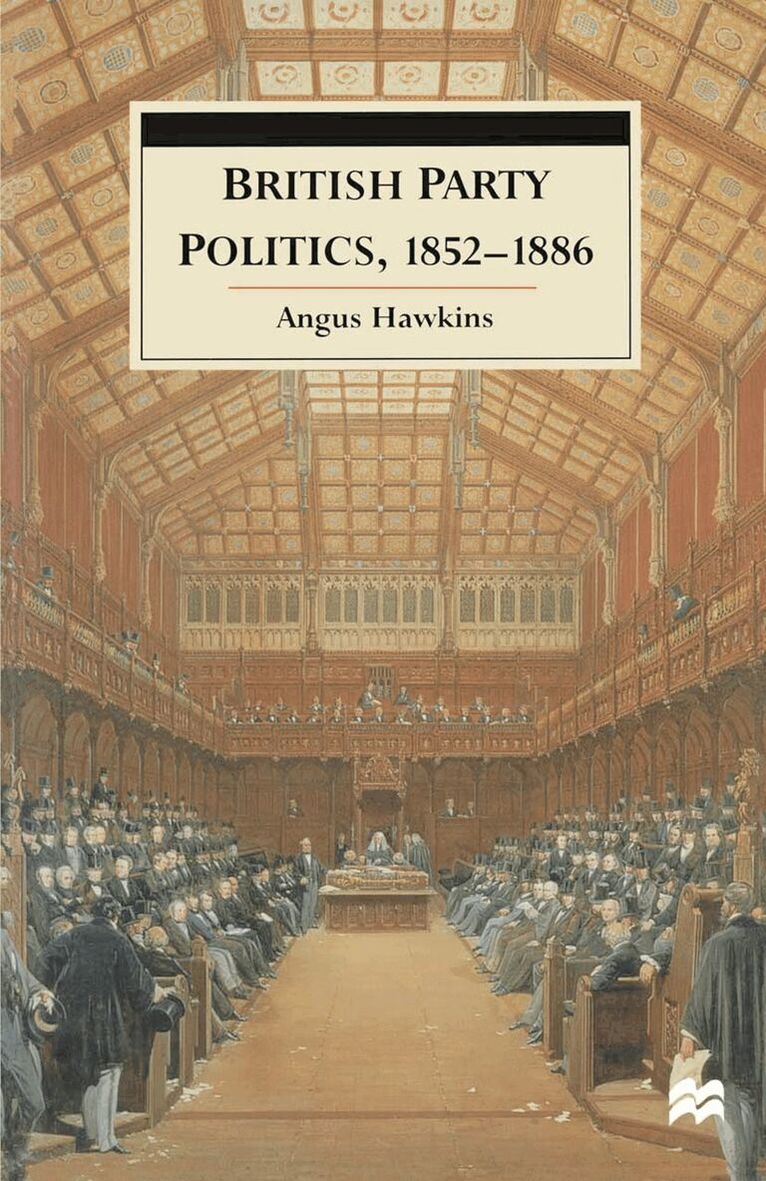
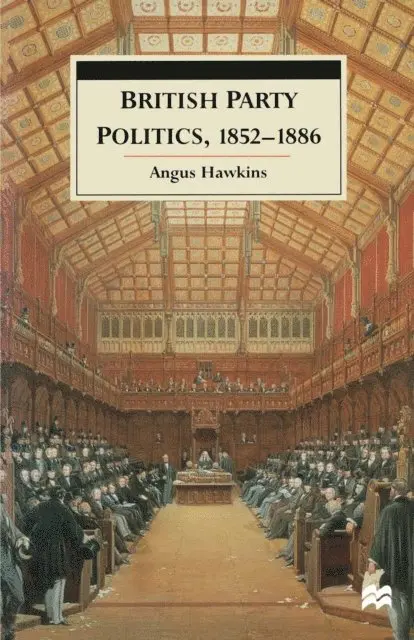
Between 1852 and 1886 British politics moved from a system of 'parliamentary government' towards a two party system. This book looks at why and how this change happened and analyses the long-term implications it had for British politics.
1 943 kr
Skickas inom 10-15 vardagar
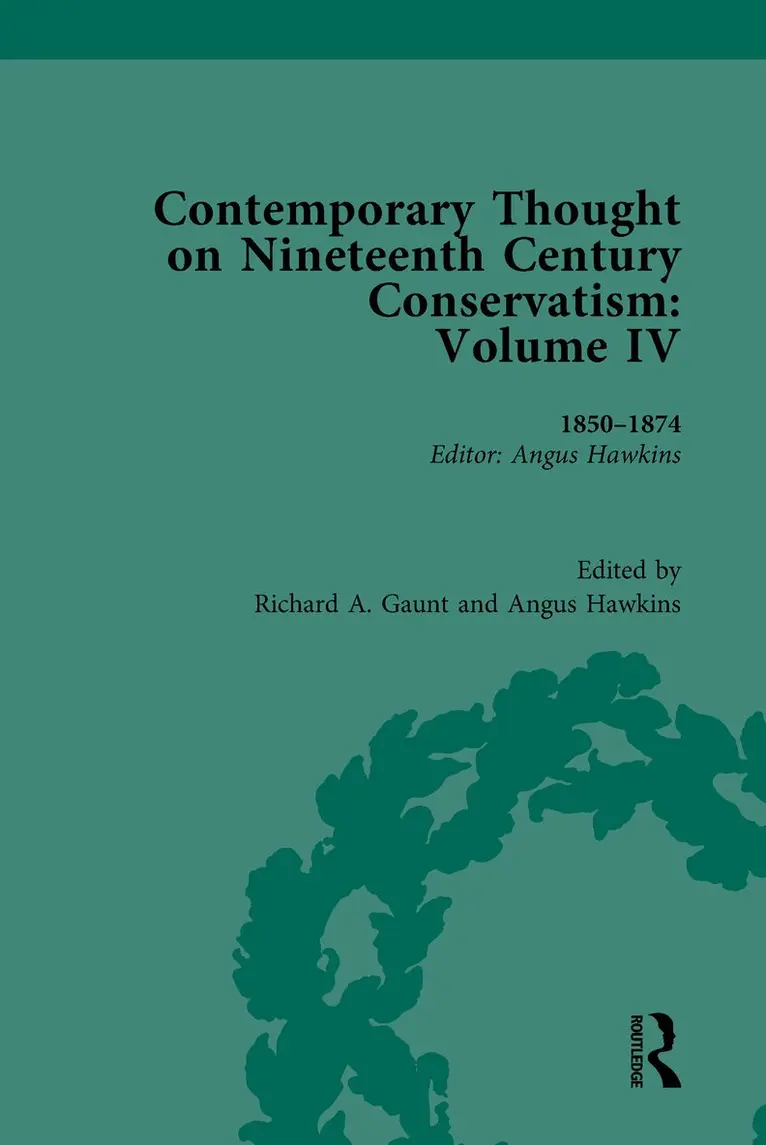
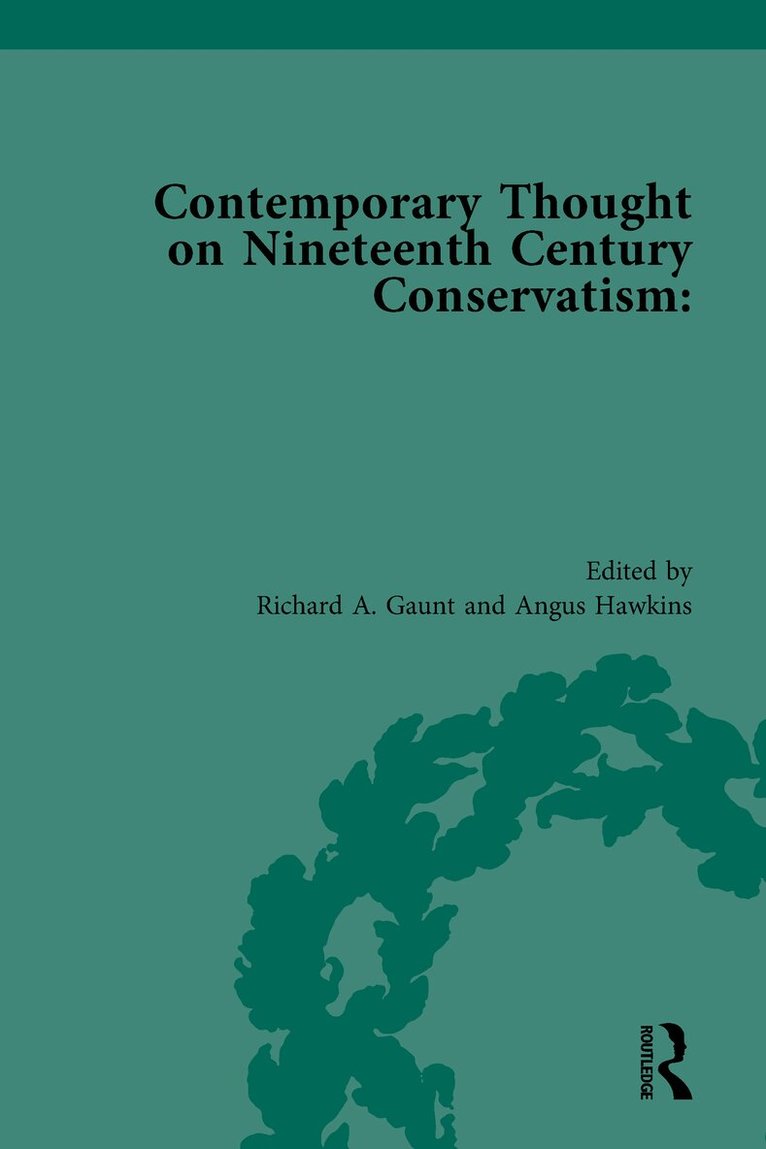
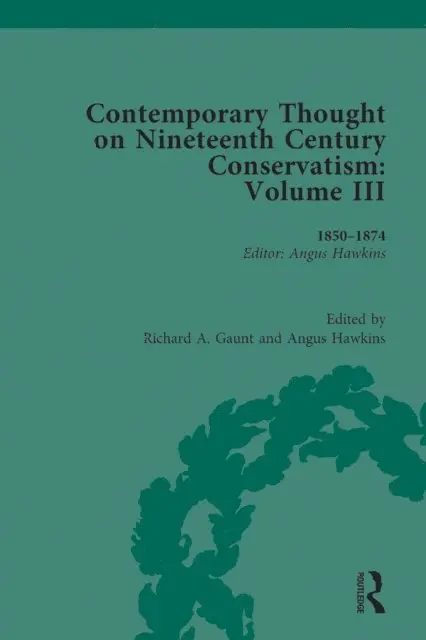
The Conservative party remains the longest-established major political party in modern British history. This collection makes available 19th century documents illuminating aspects of Conservatism through a critical period in the party’s history, from 1830 to 1874. It throws light on Conservative ideas, changing policies, party organisation and popular partisan support, showing how Conservatism evolved and responded to domestic and global change. It explores how certain clusters of ideas and beliefs comprised a Conservative view of political action and purposes, often reinforcing the importance of historic institutions such as the Anglican Church, the monarchy and the constitution. It also looks at the ways in which a broadening electorate required the marshalling of Conservative supporters through greater party organisation, and how the Conservative party became the embodiment and expression of durable popular political sentiment. The collection examines how the Conservative party became a body seeking to deliver progress combined with stability. The documents brought together in this collection give direct voice to how Conservatives of the period perceived and extolled their aspirations, aims, and the values of Conservatism. Introductory essays highlight the main themes and nature of Conservatism in a dynamic age of change and how the Conservative axiom, in an imperfect world of successful adaptation, being essential to effective preservation informed and defined the Conservative party, the views of its leaders, the beliefs of its supporters, and the political outlook they espoused. This fourth volume continues exploring the period 1850-1874.
Del 9 - Camden Fifth Series
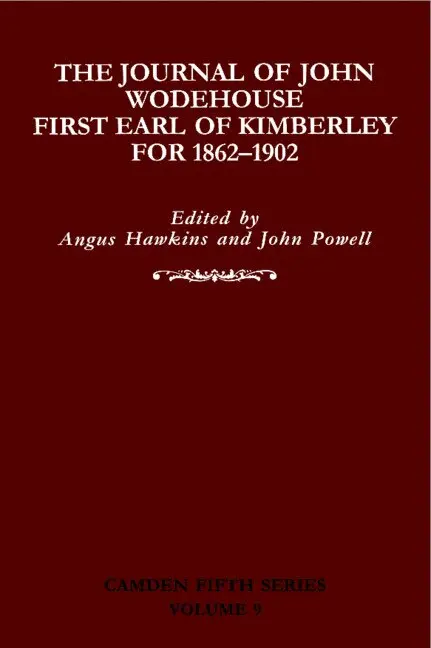
The Journal of John Wodehouse First Earl of Kimberley, 1862-1902
Inbunden, Engelska, 1998
888 kr
Skickas inom 7-10 vardagar
The political journal of John Wodehouse, first Earl of Kimberley (1862-1902) is one of the finest political diaries of the last half of the nineteenth century. Born into an old Tory family, Kimberley followed his forebears in attending Eton and Christ Church, Oxford, but shocked his neighbours by adopting Liberal principles. As Lord Clarendon's protege, he was appointed minister plenipotentiary to Russia following the Crimean War, and under-secretary at the Foreign Office after his return (1859-61). With Lord John Russell's elevation to the peerage in 1861, Kimberley resigned, and shortly after began the journal that he regularly kept until his death in 1902. Uniquely placed as an observer, Kimberley was the only Liberal to serve in every Cabinet of the Gladstone/Rosebery era. The Kimberley Journal is replete with humorous anecdotes, information regarding policy development, and acute observations about politicians and political situations.
9 049 kr
Skickas inom 10-15 vardagar
The Conservative party remains the longest-established major political party in modern British history. This collection makes available 19th century documents illuminating aspects of Conservatism through a critical period in the party’s history, from 1830 to 1874. It throws light on Conservative ideas, changing policies, party organisation and popular partisan support, showing how Conservatism evolved and responded to domestic and global change. It explores how certain clusters of ideas and beliefs comprised a Conservative view of political action and purposes, often reinforcing the importance of historic institutions such as the Anglican Church, the monarchy and the constitution. It also looks at the ways in which a broadening electorate required the marshalling of Conservative supporters through greater party organisation, and how the Conservative party became the embodiment and expression of durable popular political sentiment. The collection examines how the Conservative party became a body seeking to deliver progress combined with stability.The documents brought together in this collection give direct voice to how Conservatives of the period perceived and extolled their aspirations, aims, and the values of Conservatism. Introductory essays highlight the main themes and nature of Conservatism in a dynamic age of change and how the Conservative axiom, in an imperfect world of successful adaptation, being essential to effective preservation informed and defined the Conservative party, the views of its leaders, the beliefs of its supporters, and the political outlook they espoused.
1 943 kr
Skickas inom 10-15 vardagar
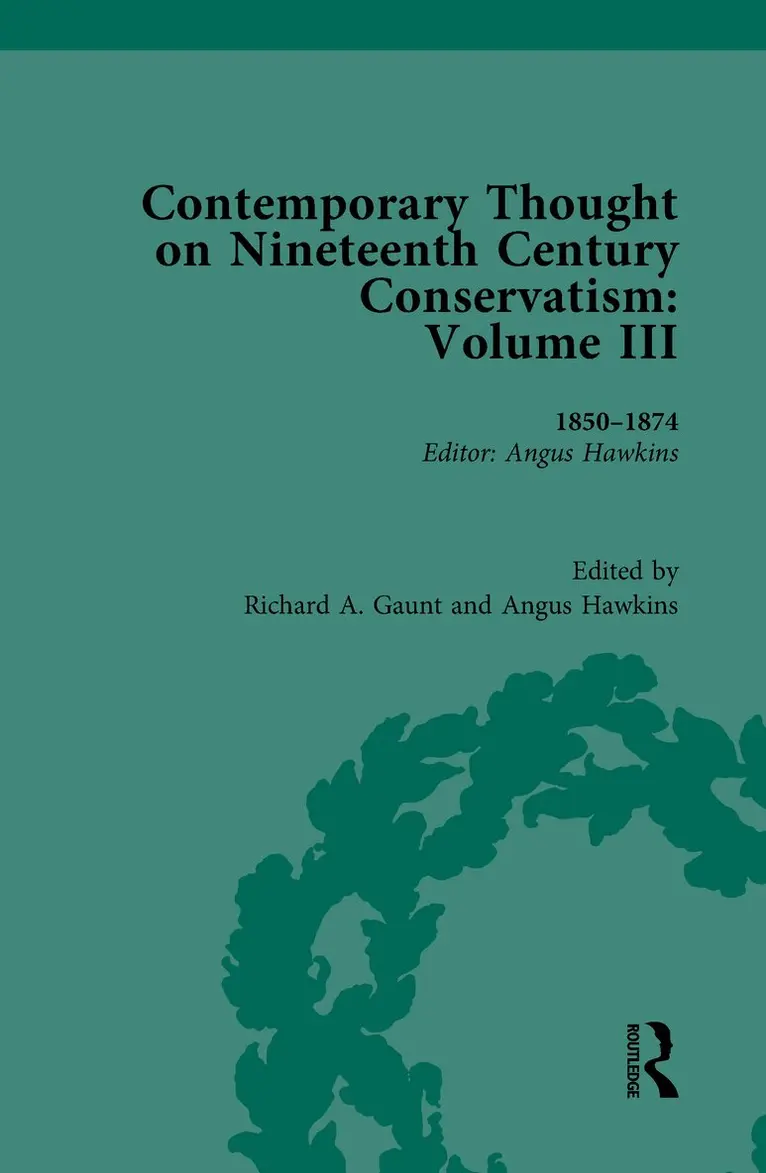
The Conservative party remains the longest-established major political party in modern British history. This collection makes available 19th century documents illuminating aspects of Conservatism through a critical period in the party’s history, from 1830 to 1874. It throws light on Conservative ideas, changing policies, party organisation and popular partisan support, showing how Conservatism evolved and responded to domestic and global change. It explores how certain clusters of ideas and beliefs comprised a Conservative view of political action and purposes, often reinforcing the importance of historic institutions such as the Anglican Church, the monarchy and the constitution. It also looks at the ways in which a broadening electorate required the marshalling of Conservative supporters through greater party organisation, and how the Conservative party became the embodiment and expression of durable popular political sentiment. The collection examines how the Conservative party became a body seeking to deliver progress combined with stability. The documents brought together in this collection give direct voice to how Conservatives of the period perceived and extolled their aspirations, aims, and the values of Conservatism. Introductory essays highlight the main themes and nature of Conservatism in a dynamic age of change and how the Conservative axiom, in an imperfect world of successful adaptation, being essential to effective preservation informed and defined the Conservative party, the views of its leaders, the beliefs of its supporters, and the political outlook they espoused. This volume explores the period 1850-1874.