Angus Vine – författare
Visar alla böcker från författaren Angus Vine. Handla med fri frakt och snabb leverans.
10 produkter
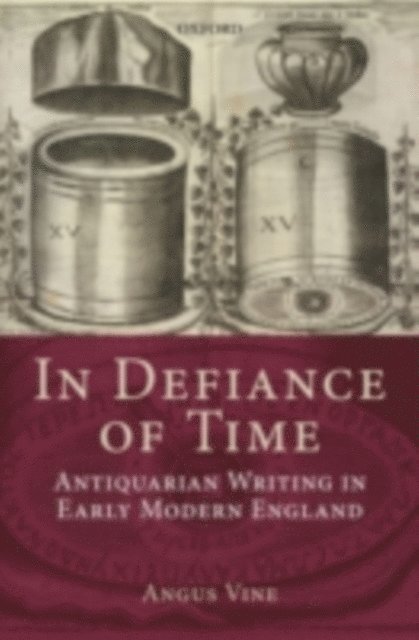
In Defiance of Time
Antiquarian Writing in Early Modern England
Av Angus Vine
E-bok, 2010
1774 kr
Lägg i varukorg
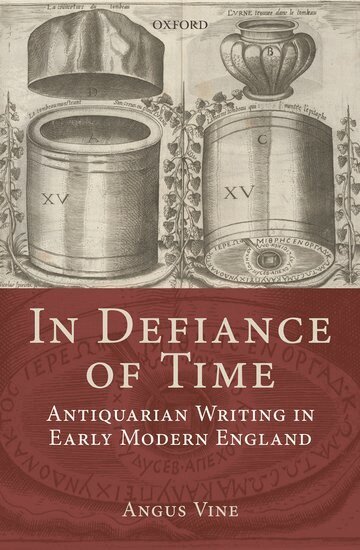
In Defiance of Time explores the emergence of antiquarianism in early modern England, from its first flourishing in the mid-Tudor period through to its seventeenth-century heyday. A vibrant antiquarian culture emerged, which reached beyond scholarly and historical circles, and had a profound …
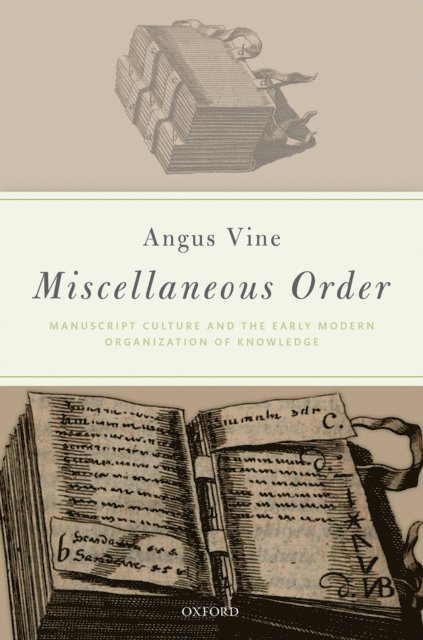
Miscellaneous Order
Manuscript Culture and the Early Modern Organization of Knowledge
Av Angus Vine
E-bok, 2018
1518 kr
Lägg i varukorg
This book examines one of the most pervasive, but also perplexing, textual phenomena of the early modern world: the manuscript miscellany. Faced with multiple problems of definition, categorization, and (often conflicting) terminology, modern scholars have tended to dismiss the miscellany as …
Miscellaneous Order
Manuscript Culture and the Early Modern Organization of Knowledge
Av Angus Vine
E-bok, 2018
1518 kr
Lägg i varukorg
This book examines one of the most pervasive, but also perplexing, textual phenomena of the early modern world: the manuscript miscellany. Faced with multiple problems of definition, categorization, and (often conflicting) terminology, modern scholars have tended to dismiss the miscellany as …
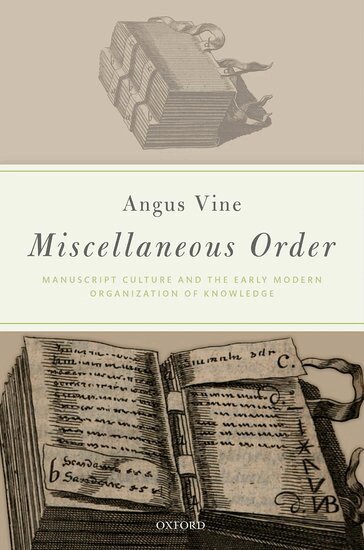
Miscellaneous Order
Manuscript Culture and the Early Modern Organization of Knowledge
Av Angus Vine
Inbunden, 2019
1689 kr
Lägg i varukorg
This book examines one of the most pervasive, but also perplexing, textual phenomena of the early modern world: the manuscript miscellany. Faced with multiple problems of definition, categorization, and (often conflicting) terminology, modern scholars have tended to dismiss the miscellany as …
Early Modern Merchants and their Books
Av Angus Vine
Inbunden, 2025
1861 kr
Lägg i varukorg
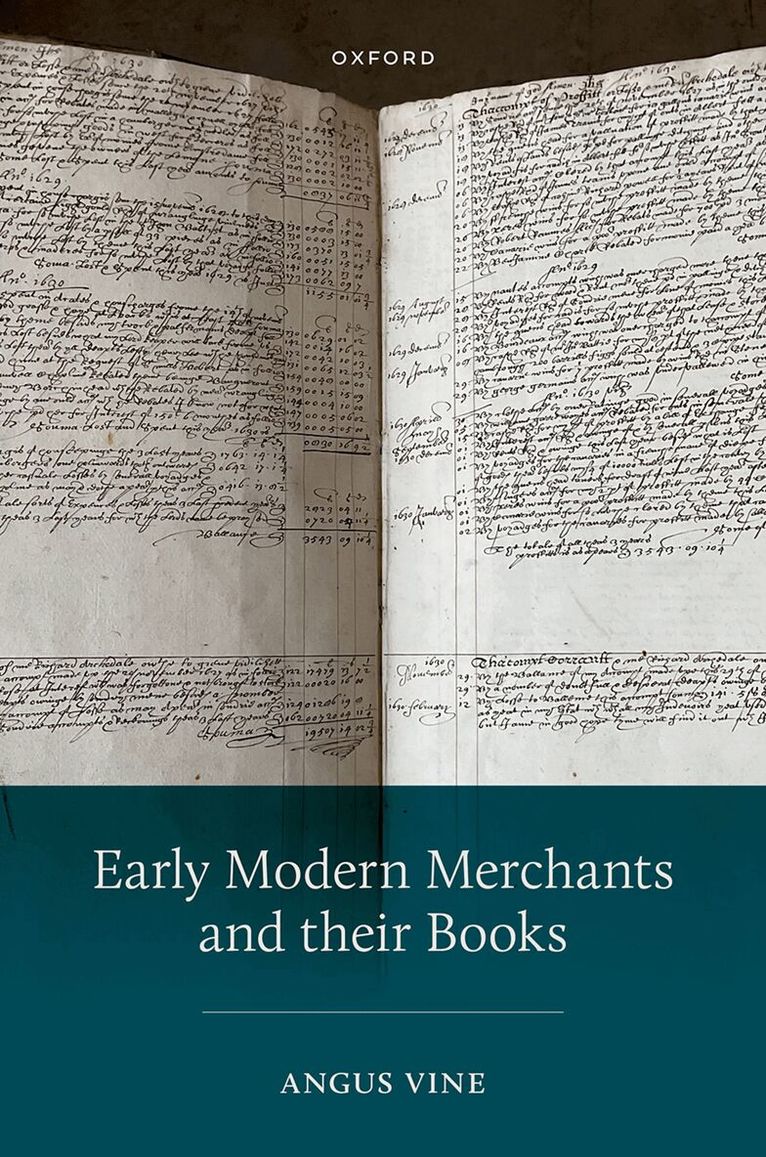
Early Modern Merchants and their Books offers the first dedicated study of the literary and intellectual lives of the merchants of seventeenth-century Britain. Drawing primarily on unpublished manuscript material, but also on a range of rarely discussed printed texts, the book reveals for the first …
Early Modern Merchants and their Books
Av Angus Vine
E-bok, 2025
1666 kr
Lägg i varukorg
Early Modern Merchants and their Books offers the first dedicated study of the literary and intellectual lives of the merchants of seventeenth-century Britain. Drawing primarily on unpublished manuscript material, but also on a range of rarely discussed printed texts, the book reveals for the first …
Early Modern Merchants and their Books
Av Angus Vine
E-bok, 2025
1666 kr
Lägg i varukorg
Early Modern Merchants and their Books offers the first dedicated study of the literary and intellectual lives of the merchants of seventeenth-century Britain. Drawing primarily on unpublished manuscript material, but also on a range of rarely discussed printed texts, the book reveals for the first …
In Defiance of Time
Antiquarian Writing in Early Modern England
Av Angus Vine
Inbunden, 2010
3232 kr
Lägg i varukorg
In Defiance of Time explores the emergence of antiquarianism in early modern England, from its first flourishing in the mid-Tudor period through to its seventeenth-century heyday. A vibrant antiquarian culture emerged, which reached beyond scholarly and historical circles, and had a profound …
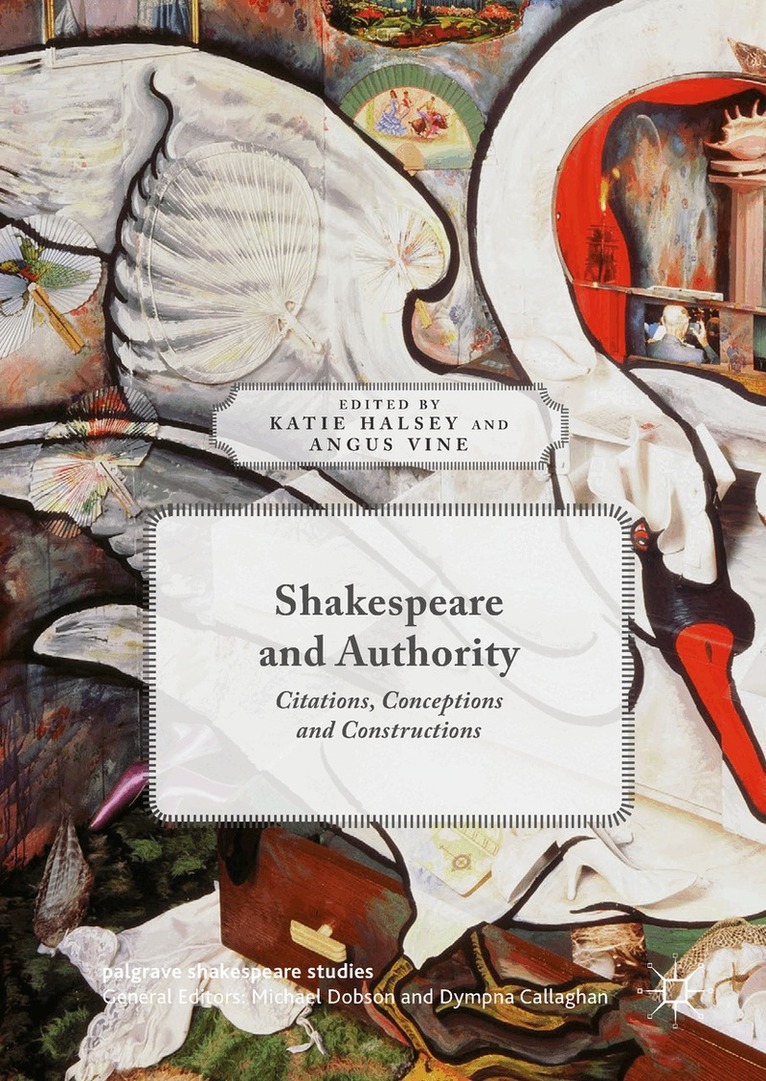
Shakespeare and Authority
Citations, Conceptions and Constructions
Inbunden, 2018
1639 kr
Lägg i varukorg
This book examines conceptions of authority for and in Shakespeare, and the construction of Shakespeare as literary and cultural authority. The first section, Defining and Redefining Authority, begins by re-defining the concept of Shakespeare’s sources, suggesting that ‘authorities’ and ‘resources’ …
Shakespeare and Authority
Citations, Conceptions and Constructions
E-bok, 2018
2181 kr
Lägg i varukorg
This book examines conceptions of authority for and in Shakespeare, and the construction of Shakespeare as literary and cultural authority. The first section, Defining and Redefining Authority, begins by re-defining the concept of Shakespeare’s sources, suggesting that ‘authorities’ and ‘resources’ …