Anita G. Cook – författare
Visar alla böcker från författaren Anita G. Cook. Handla med fri frakt och snabb leverans.
4 produkter
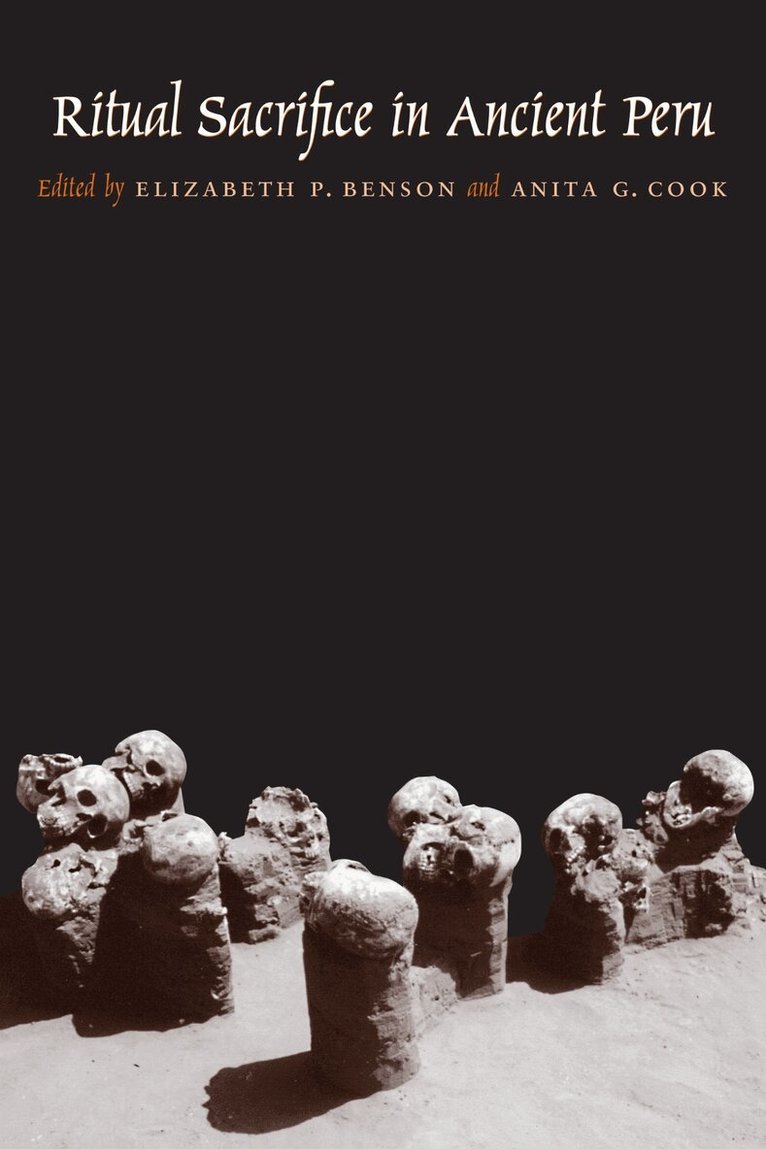
Ritual Sacrifice in Ancient Peru
Av Elizabeth P. Benson, Anita G. Cook
Häftad, 2001
226 kr
Lägg i varukorg
Propitiating the supernatural forces that could grant bountiful crops or wipe out whole villages through natural disasters was a sacred duty in ancient Peruvian societies, as in many premodern cultures. Ritual sacrifices were considered necessary for this propitiation and for maintaining a proper …
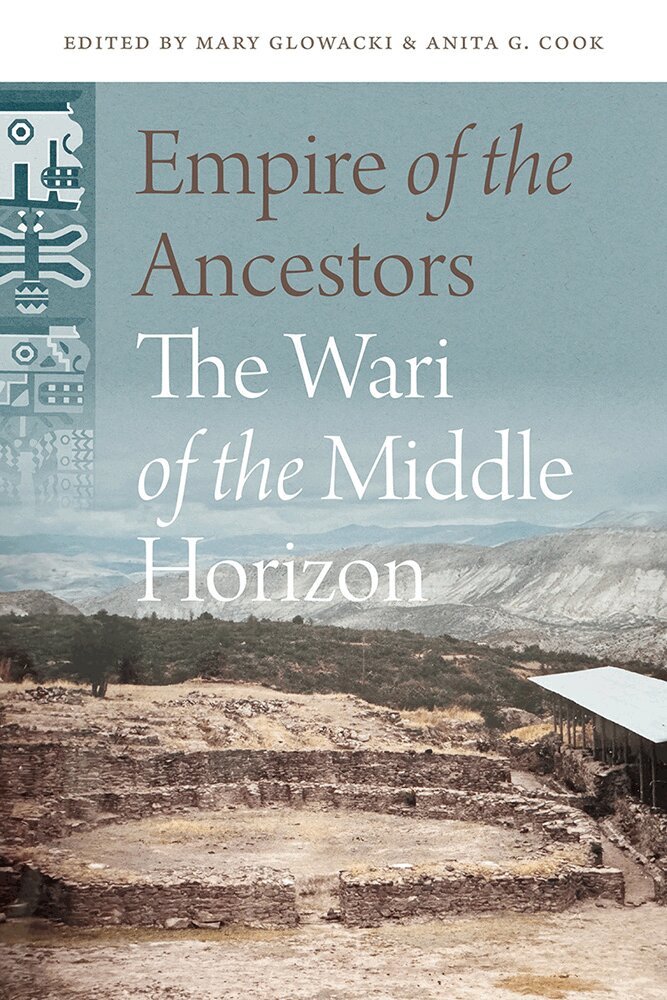
Empire of the Ancestors
The Wari of the Middle Horizon
Av Anita G. Cook, Mary Glowacki
E-bok, 2026
1306 kr
Lägg i varukorg
Uncovering evidence that ancestor veneration was deeply rooted in Wari society, shaping Wari expansion, rituals, and statecraftThis volume examines the central role of ancestors in Andean society during the Wari Empire of the Middle Horizon period (6001000 CE), centuries before the rise of the …
Empire of the Ancestors
The Wari of the Middle Horizon
Av Anita G. Cook, Mary Glowacki
E-bok, 2026
1731 kr
Lägg i varukorg
Uncovering evidence that ancestor veneration was deeply rooted in Wari society, shaping Wari expansion, rituals, and statecraftThis volume examines the central role of ancestors in Andean society during the Wari Empire of the Middle Horizon period (6001000 CE), centuries before the rise of the …
Empire of the Ancestors
The Wari of the Middle Horizon
Av Mary Glowacki, Anita G. Cook
Inbunden, 2026
1279 kr
Lägg i varukorg
Uncovering evidence that ancestor veneration was deeply rooted in Wari society, shaping Wari expansion, rituals, and statecraftThis volume examines the central role of ancestors in Andean society during the Wari Empire of the Middle Horizon period (600–1000 CE), centuries before the rise of the …