Anita Prazmowska – författare
Visar alla böcker från författaren Anita Prazmowska. Handla med fri frakt och snabb leverans.
7 produkter
History of Poland
Häftad, 2011
399 kr
Lägg i varukorg
Anita Prazmowska provides a wide-ranging survey of Poland's history; from early settlements, through the establishment of the Kingdom of Poland, to the present day modern state. This expanded second edition has been revised throughout in the light of the latest research, and brings the story right …
History of Poland
E-bok, 2017
434 kr
Lägg i varukorg
Anita Prazmowska provides a wide-ranging survey of Poland''s history; from early settlements, through the establishment of the Kingdom of Poland, to the present day modern state. This expanded second edition has been revised throughout in the light of the latest research, and brings the story right …
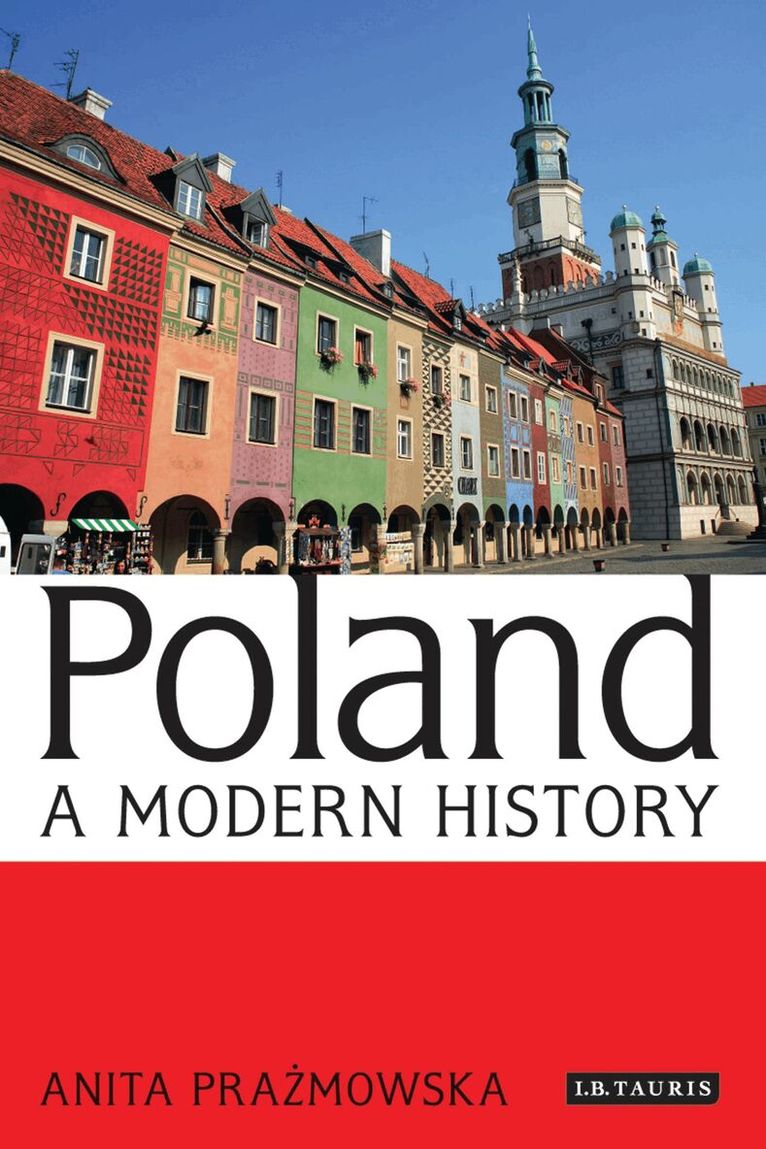
Poland
A Modern History
E-bok, 2010
420 kr
Lägg i varukorg
Polish independence following the end of World War I marked a new era for a nation that had endured centuries of foreign partition. But the spirit of Polish nationalism - forged during this long period of external domination - has frequently been at odds with the modernising drives of democracy and …
Poland
A Modern History
E-bok, 2010
420 kr
Lägg i varukorg
Polish independence following the end of World War I marked a new era for a nation which had endured centuries of foreign partition. But the spirit of Polish nationalism - forged during this long period of external domination - has been frequently at odds with the modernising drives of democracy …
Poland
A Modern History
Häftad, 2012
399 kr
Lägg i varukorg
Polish independence following the end of World War I marked a new era for a nation that had endured centuries of foreign partition. But the spirit of Polish nationalism - forged during this long period of external domination - has frequently been at odds with the modernising drives of democracy and …
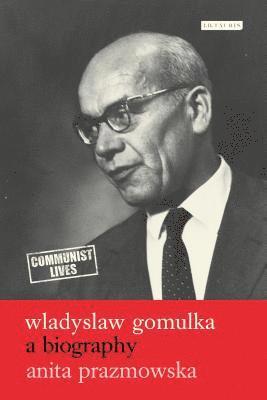
Wladyslaw Gomulka
A Biography
Inbunden, 2015
2100 kr
Lägg i varukorg
Wladyslaw Gomulka was a key player within Polish politics for over four decades and one of the most influential of the East European Communist Party leaders. As the architect of the 'Polish road to socialism', he claimed for Poland the right to define its own model of economic and political …
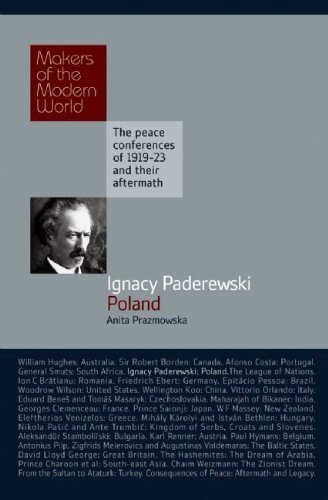
Ignacy Paderewski: Poland
The Peace Conferences of 1919-23 and Their Aftermath
Inbunden, 2009, 15+ år
149 kr
Lägg i varukorg
The thirteenth of President Wilson’s Fourteen Points of 1918 read: An independent Polish state should be erected which should include the territories inhabited by indisputably Polish populations, which should be assured a free and secure access to the sea, and whose political and economic …