
Anke Pinkert – författare
Visar alla böcker från författaren Anke Pinkert. Handla med fri frakt och snabb leverans.
3 produkter
3 produkter
Inbunden, Engelska, 2024
1 080 kr
Skickas inom 5-8 vardagar
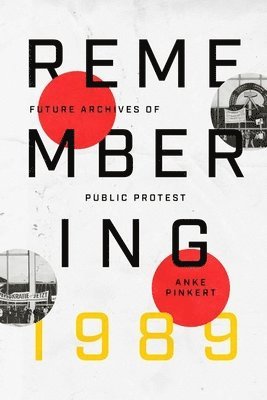
This account of the “laboratory of radical democracy” in the months before East Germany’s absorption in the West challenges memories of Germany’s reunification.For many, 1989 is an iconic date, one we associate with the fall of the Berlin Wall and the end of the Cold War. The year prompts some to rue the defeat of socialism in the East, while others celebrate a victory for democracy and capitalism in the reunified Germany. Remembering 1989 focuses on a largely forgotten interregnum: the months between the outbreak of protests in the German Democratic Republic in 1989 and its absorption by the West in 1990. Anke Pinkert, who herself participated in those protests, recalls these months as a volatile but joyous “laboratory of radical democracy,” and tells the story of how and why this “time out of joint” has been erased from Germany’s national memory.Remembering 1989 argues that in order to truly understand Germany’s historic transformation, we must revisit protesters’ actions across a wide range of minor, vernacular, and often transient sources. Drawing on rich archives including videotapes of untelevised protests, illegally printed petitions by Church leaders, audio recordings of dissident meetings, and interview footage with military troops, Pinkert opens the discarded history of East European social uprisings to new interpretations and imagines alternatives to Germany’s neoliberal status quo. The result is a vivid, unexpected contribution to memory studies and European history.
Häftad, Engelska, 2024
334 kr
Skickas inom 5-8 vardagar
This account of the “laboratory of radical democracy” in the months before East Germany’s absorption in the West challenges memories of Germany’s reunification.For many, 1989 is an iconic date, one we associate with the fall of the Berlin Wall and the end of the Cold War. The year prompts some to rue the defeat of socialism in the East, while others celebrate a victory for democracy and capitalism in the reunified Germany. Remembering 1989 focuses on a largely forgotten interregnum: the months between the outbreak of protests in the German Democratic Republic in 1989 and its absorption by the West in 1990. Anke Pinkert, who herself participated in those protests, recalls these months as a volatile but joyous “laboratory of radical democracy,” and tells the story of how and why this “time out of joint” has been erased from Germany’s national memory.Remembering 1989 argues that in order to truly understand Germany’s historic transformation, we must revisit protesters’ actions across a wide range of minor, vernacular, and often transient sources. Drawing on rich archives including videotapes of untelevised protests, illegally printed petitions by Church leaders, audio recordings of dissident meetings, and interview footage with military troops, Pinkert opens the discarded history of East European social uprisings to new interpretations and imagines alternatives to Germany’s neoliberal status quo. The result is a vivid, unexpected contribution to memory studies and European history.
Häftad, Engelska, 2008
292 kr
Skickas inom 5-8 vardagar
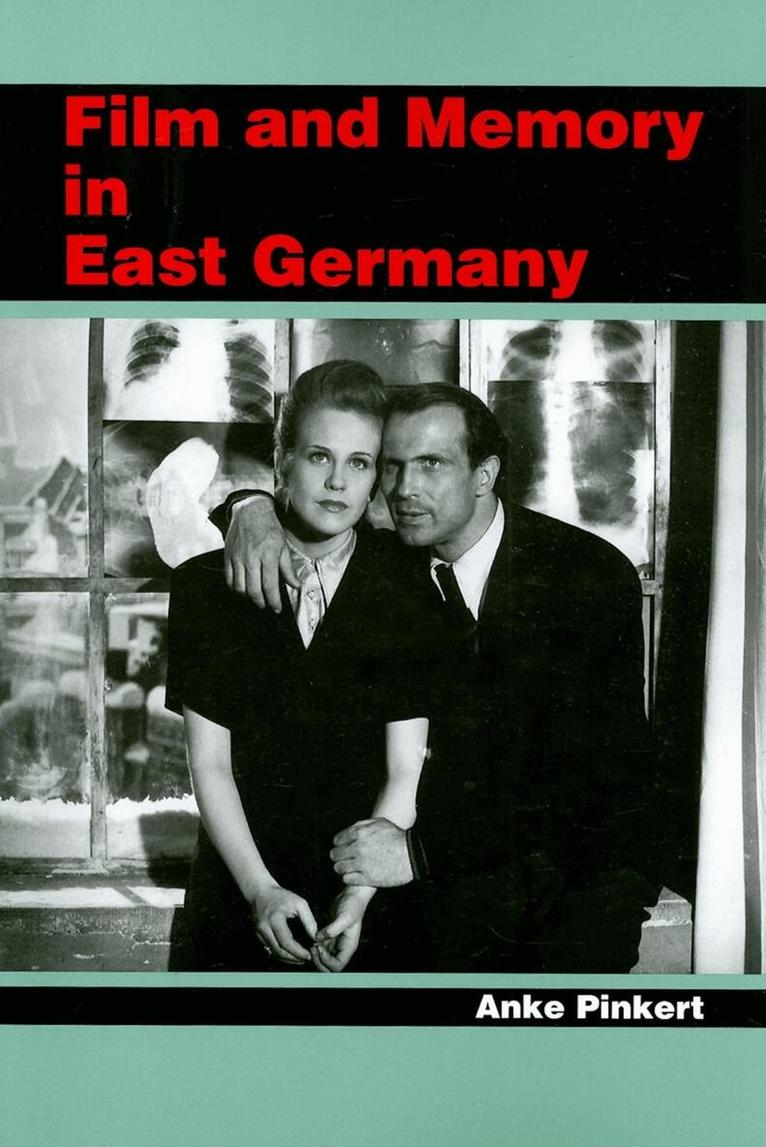
Anke Pinkert explores films produced in the Soviet Occupation Zone and East Germany from the end of World War II through the early 1960s, offering new insights into how Germans dealt with the aftermath of the war. In her cultural analysis of the relationship between modern historical violence, cultural memory, and cinematic representation, Pinkert argues that the cinematic productions of East Germany offer a corrective to misperceptions about German responses to the legacy of the war.Film and Memory in East Germany considers antifascist films of the immediate postwar period, which depict the reintegration of former soldiers into society and the crisis of masculinity that accompanied the aftermath of the war; the socialist films of the late 1940s and 1950s, which attempt to shape a new national imaginary through stories of exemplary socialist womanhood; and, finally, the cinematic return to 1945 in socialist modernist films of the 1960s.