Anke Reitz - Böcker
Visar alla böcker från författaren Anke Reitz. Handla med fri frakt och snabb leverans.
4 produkter
4 produkter
2 160 kr
Skickas inom 10-15 vardagar
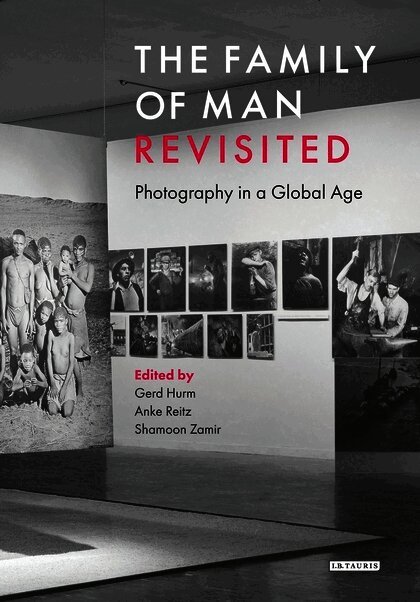
The Family of Man is the most widely seen exhibition in the history of photography. The book of the exhibition, still in print, is also the most commercially successful photobook ever published. First shown at the Museum of Modern Art in New York in 1955, the exhibition travelled throughout the United States and to forty-six countries, and was seen by over nine million people. Edward Steichen conceived, curated and designed the exhibition. He explained its subject as `the everydayness of life' and `the essential oneness of mankind throughout the world'. The exhibition was a statement against war and the conflicts and divisions that threatened a common future for humanity after 1945. The popular international response was overwhelmingly enthusiastic. Many critics, however, have dismissed the exhibition as a form of sentimental humanism unable to address the challenges of history, politics and cultural difference.This book revises the critical debate about The Family of Man, challenging in particular the legacy of Roland Barthes's influential account of the exhibition. The expert contributors explore new contexts for understanding Steichen's work and they undertake radically new analyses of the formal dynamics of the exhibition. Also presented are documents about the exhibition never before available in English. Commentaries by critical theorist Max Horkheimer and novelist Wolfgang Koeppen, letters from photographer August Sander, and a poetic sequence on the images by Polish poet Witold Wirpsza enable and encourage new critical reflections. A detailed survey of audience responses in Munich from 1955 allows a rare glimpse of what visitors thought about the exhibition. Today, when armed conflict, environmental catastrophe and economic inequality continue to threaten our future, it seems timely to revisit The Family of Man.
1 628 kr
Tillfälligt slut
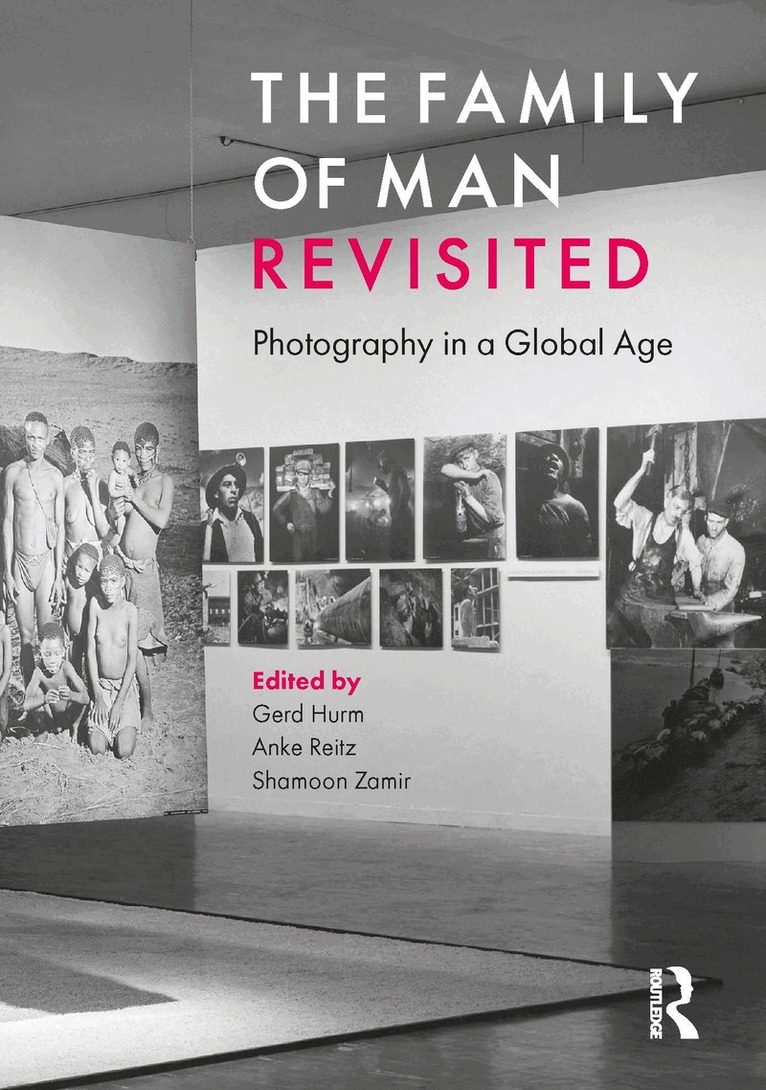
The Family of Man is the most widely seen exhibition in the history of photography. The book of the exhibition, still in print, is also the most commercially successful photobook ever published. First shown at the Museum of Modern Art in New York in 1955, the exhibition travelled throughout the United States and to forty-six countries, and was seen by over nine million people. Edward Steichen conceived, curated and designed the exhibition. He explained its subject as `the everydayness of life' and `the essential oneness of mankind throughout the world'. The exhibition was a statement against war and the conflicts and divisions that threatened a common future for humanity after 1945. The popular international response was overwhelmingly enthusiastic. Many critics, however, have dismissed the exhibition as a form of sentimental humanism unable to address the challenges of history, politics and cultural difference.This book revises the critical debate about The Family of Man, challenging in particular the legacy of Roland Barthes’s influential account of the exhibition. The expert contributors explore new contexts for understanding Steichen’s work and they undertake radically new analyses of the formal dynamics of the exhibition. Also presented are documents about the exhibition never before available in English. Commentaries by critical theorist Max Horkheimer and novelist Wolfgang Koeppen, letters from photographer August Sander, and a poetic sequence on the images by Polish poet Witold Wirpsza enable and encourage new critical reflections. A detailed survey of audience responses in Munich from 1955 allows a rare glimpse of what visitors thought about the exhibition. Today, when armed conflict, environmental catastrophe and economic inequality continue to threaten our future, it seems timely to revisit The Family of Man.
386 kr
Skickas inom 10-15 vardagar
The Family of Man is the most widely seen exhibition in the history of photography. The book of the exhibition, still in print, is also the most commercially successful photobook ever published. First shown at the Museum of Modern Art in New York in 1955, the exhibition travelled throughout the United States and to forty-six countries, and was seen by over nine million people. Edward Steichen conceived, curated and designed the exhibition. He explained its subject as `the everydayness of life' and `the essential oneness of mankind throughout the world'. The exhibition was a statement against war and the conflicts and divisions that threatened a common future for humanity after 1945. The popular international response was overwhelmingly enthusiastic. Many critics, however, have dismissed the exhibition as a form of sentimental humanism unable to address the challenges of history, politics and cultural difference.This book revises the critical debate about The Family of Man, challenging in particular the legacy of Roland Barthes's influential account of the exhibition. The expert contributors explore new contexts for understanding Steichen's work and they undertake radically new analyses of the formal dynamics of the exhibition. Also presented are documents about the exhibition never before available in English. Commentaries by critical theorist Max Horkheimer and novelist Wolfgang Koeppen, letters from photographer August Sander, and a poetic sequence on the images by Polish poet Witold Wirpsza enable and encourage new critical reflections. A detailed survey of audience responses in Munich from 1955 allows a rare glimpse of what visitors thought about the exhibition. Today, when armed conflict, environmental catastrophe and economic inequality continue to threaten our future, it seems timely to revisit The Family of Man.
570 kr
Skickas inom 7-10 vardagar
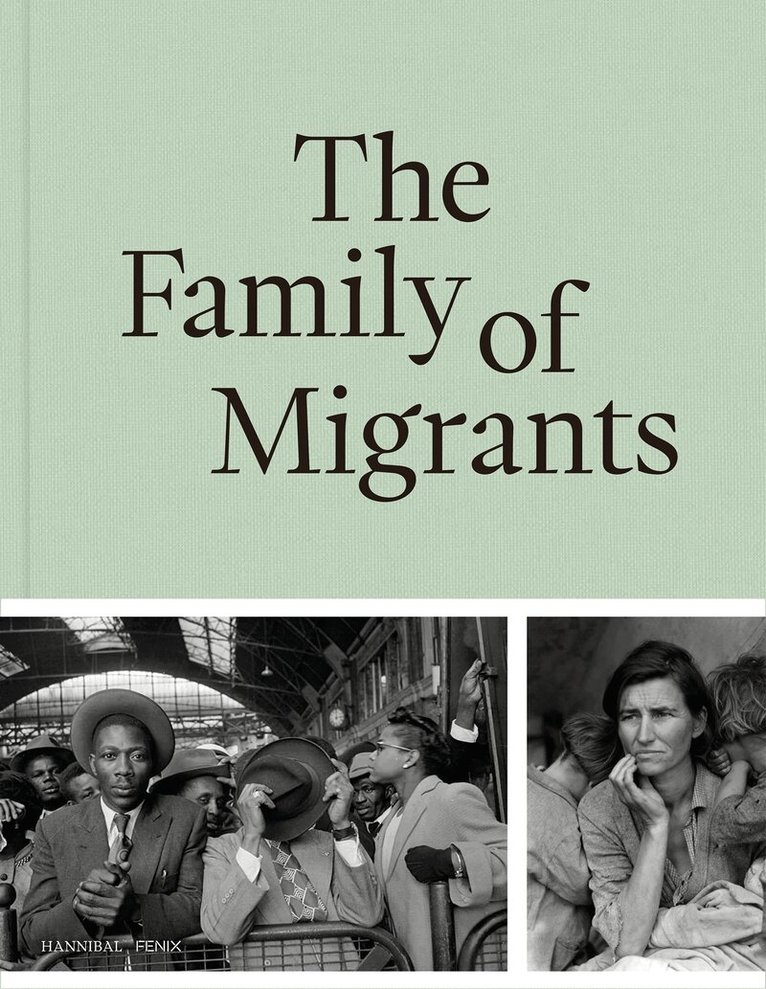
The Family of Migrants is inspired by the legendary exhibition The Family of Man, an ode to humanity created by photographer and curator Edward Steichen, that opened at the Museum of Modern Art in New York in 1955. This book features around 200 photographs and will show the most striking photography that tells universal, timeless stories of human existence, such as departure, journey and arrival, and themes like family, loss and love.Among the hundreds of images are iconic as well as unknown photos by, among many others, Lewis Hine, Chien-Chi Chang, Abbas Attar, Robert de Hartogh, Wang Fuchun, Dorothea Lange, Stephan Vanfleteren, Ara Güler, Leonard Freed, Ata Kandó and Ishiuchi Miyako.