Ann Bradshaw - Böcker
Visar alla böcker från författaren Ann Bradshaw. Handla med fri frakt och snabb leverans.
3 produkter
3 produkter
2 150 kr
Skickas inom 10-15 vardagar
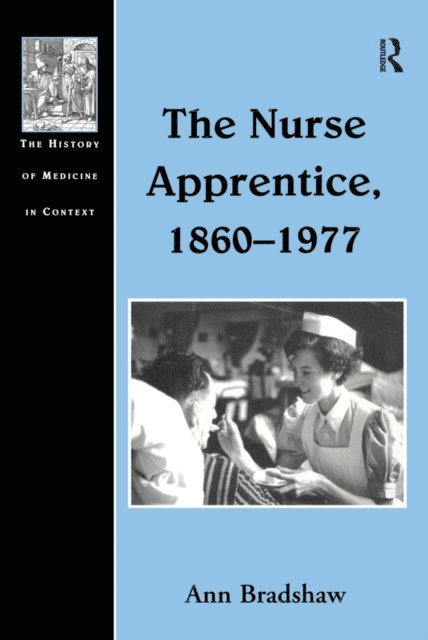
The British apprenticeship model of nurse training, developed under Florence Nightingale’s influence from 1860 at St Thomas’s Hospital, gained national and world-wide recognition. Its end was heralded with the publication of the last national syllabus from the General Nursing Council for England and Wales in 1977. This apprenticeship model, a crucial part of the history of British health care for over a century, is the subject of this book. Primary evidence, much of it original, is gained from Parliamentary debates and reports, syllabuses, long neglected nursing textbooks, major governmental and professional reports, and the voices of nurses themselves expressed through their professional journals. Primary sources are systematically re-examined and contextually interpreted in the light of new evidence. The study in particular interprets the contemporary attitudes and moral values underpinning the apprenticeship system, especially the place of vocation. The reasons for the ending of this system, arising in part from the cultural shifts of the 1960s, are explained in relation to this historical moral context. The reader sees how the self-understanding of the profession shifts, with much tension and disagreement, as mores change. The book fills a major gap in the history of nurse training, by giving a sustained account of the apprenticeship model of nursing in context, and charting changing values away from the historic vocational tradition. Its copious use of primary sources will make this a key text for nurses, historians and policy makers.
705 kr
Skickas inom 10-15 vardagar
The British apprenticeship model of nurse training, developed under Florence Nightingale’s influence from 1860 at St Thomas’s Hospital, gained national and world-wide recognition. Its end was heralded with the publication of the last national syllabus from the General Nursing Council for England and Wales in 1977. This apprenticeship model, a crucial part of the history of British health care for over a century, is the subject of this book. Primary evidence, much of it original, is gained from Parliamentary debates and reports, syllabuses, long neglected nursing textbooks, major governmental and professional reports, and the voices of nurses themselves expressed through their professional journals. Primary sources are systematically re-examined and contextually interpreted in the light of new evidence. The study in particular interprets the contemporary attitudes and moral values underpinning the apprenticeship system, especially the place of vocation. The reasons for the ending of this system, arising in part from the cultural shifts of the 1960s, are explained in relation to this historical moral context. The reader sees how the self-understanding of the profession shifts, with much tension and disagreement, as mores change. The book fills a major gap in the history of nurse training, by giving a sustained account of the apprenticeship model of nursing in context, and charting changing values away from the historic vocational tradition. Its copious use of primary sources will make this a key text for nurses, historians and policy makers.
859 kr
Skickas inom 7-10 vardagar
By 1999 intense debates on British nursing and nurse education were occurring at both governmental and professional levels. A new model of nurse education was to commence in September 2000, a new nurses Council was to be in place by 2001, and a major revision of the nursing role and its possible replacement was being suggested by academic thinkers. At the same time, serious concerns were being voiced about the quality of some nursing care. As the year 2000 arrived, there were many unanswered questions about the shape, ethos and future direction of the British nursing profession. This book sets the historical, ethical, cultural and political contexts for the debate and develops a coherent analysis of the period of fundamental change in the nursing profession between 1980 and 2000. Parliamentary debates, professional and governmental reports, documents and studies, as well as opinions expressed in nursing and medical journals, illuminate this period of nursing.The review sets out to be both comprehensive and systematic, and there are no intentional omissions. Comment is kept to a minimum in order to allow the evidence to speak for itself and so enable the reader make his or her own judgement on the evidence presented.