Ann Kjellberg – författare
Visar alla böcker från författaren Ann Kjellberg. Handla med fri frakt och snabb leverans.
3 produkter
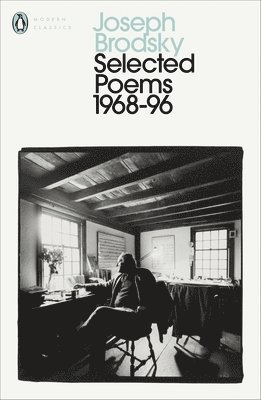
Selected Poems
1968-1996
Av Joseph Brodsky, Ann Kjellberg
Häftad, 2020
152 kr
Lägg i varukorg
'Brodsky charged at the world . . . there is no voice, no vision, remotely like it' The New York Times Book ReviewSelf-educated, intense, impulsive and unmoored, Joseph Brodsky emerged in mid-century Russia as a poetic virtuoso, recognized by such greats as Anna Akhmatova as their worthy heir. He …
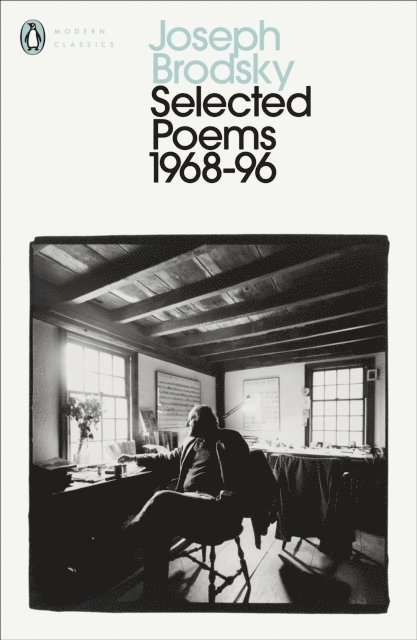
Selected Poems
1968-1996
Av Joseph Brodsky, Ann Kjellberg
E-bok, 2020
108 kr
Lägg i varukorg
'Brodsky charged at the world . . . there is no voice, no vision, remotely like it' The New York Times Book ReviewSelf-educated, intense, impulsive and unmoored, Joseph Brodsky emerged in mid-century Russia as a poetic virtuoso, recognized by such greats as Anna Akhmatova as their worthy heir. He …
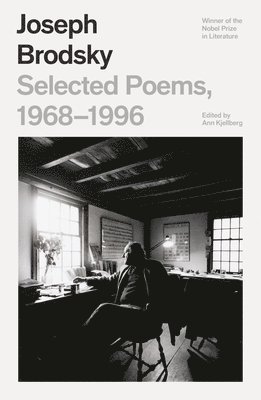
Selected Poems, 1968-1996
Av Joseph Brodsky, Ann Kjellberg
Häftad, 2020
277 kr
Lägg i varukorg
Joseph Brodsky spent his life advocating for the place of the poet in society. As Derek Walcott said of him, "Joseph was somebody who lived poetry . . . He saw being a poet as being a sacred calling." The poems in this volume span Brodsky's career, which was marked by his expulsion from the Soviet …