Ann Marie Rasmussen - Böcker
Visar alla böcker från författaren Ann Marie Rasmussen. Handla med fri frakt och snabb leverans.
9 produkter
9 produkter
544 kr
Skickas inom 10-15 vardagar
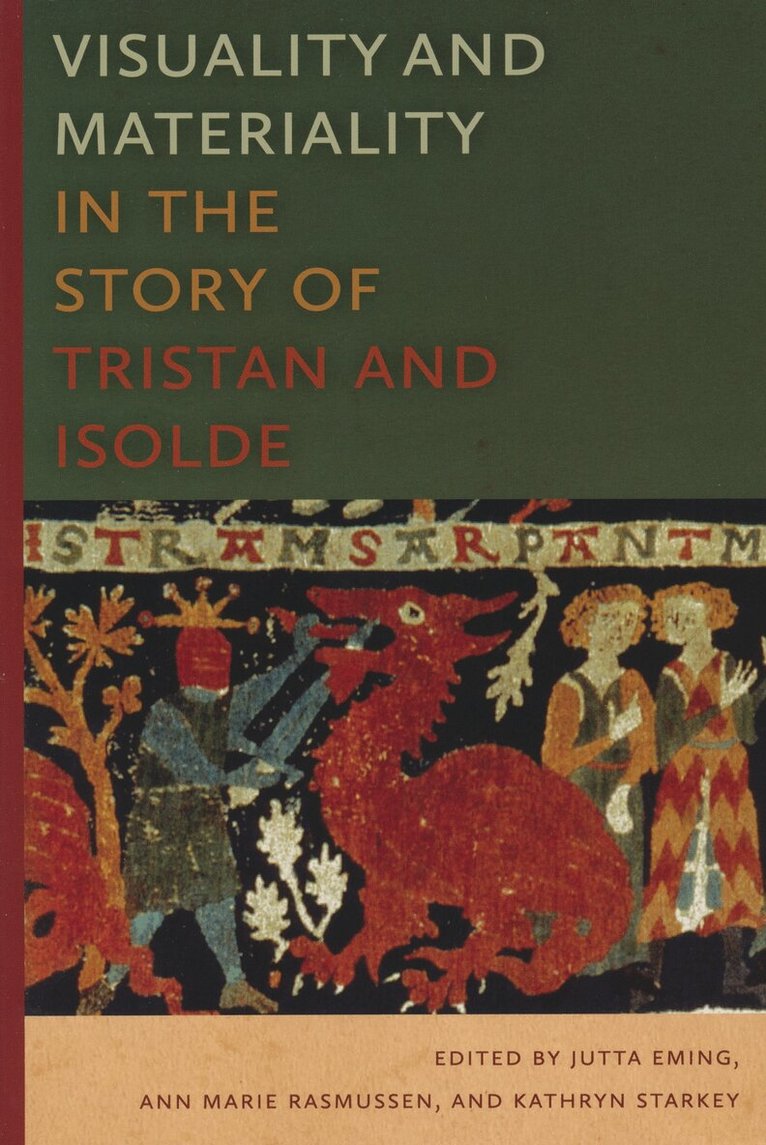
More than any other secular story of the Middle Ages, the tale of Tristan and Isolde fascinated its audience. Adaptations in poetry, prose, and drama were widespread in western European vernacular languages. Visual portrayals of the story appear not only in manuscripts and printed books but in individual pictures and pictorial narratives, and on an amazing array of objects including stained glass, wall paintings, tiles, tapestries, ivory boxes, combs, mirrors, shoes, and misericords. The pan-European and cross-media nature of the surviving medieval evidence is not adequately reflected in current Tristan scholarship, which largely follows disciplinary and linguistic lines. The contributors to Visuality and Materiality in the Story of Tristan and Isolde seek to address this problem by opening a cross-disciplinary dialogue and by proposing a new set of intellectual coordinates—the concepts of materiality and visuality—without losing sight of the historical specificity or the aesthetic character of individual works of art and literature. Their theoretical paradigm allows them to survey the richness of the surviving evidence from a variety of disciplinary approaches, while offering new perspectives on the nature of representation in medieval culture. Enriched by numerous illustrations, this volume is an important examination of the story of Tristan and Isolde in the European context of its visual and textual transmission.
743 kr
Skickas inom 10-15 vardagar
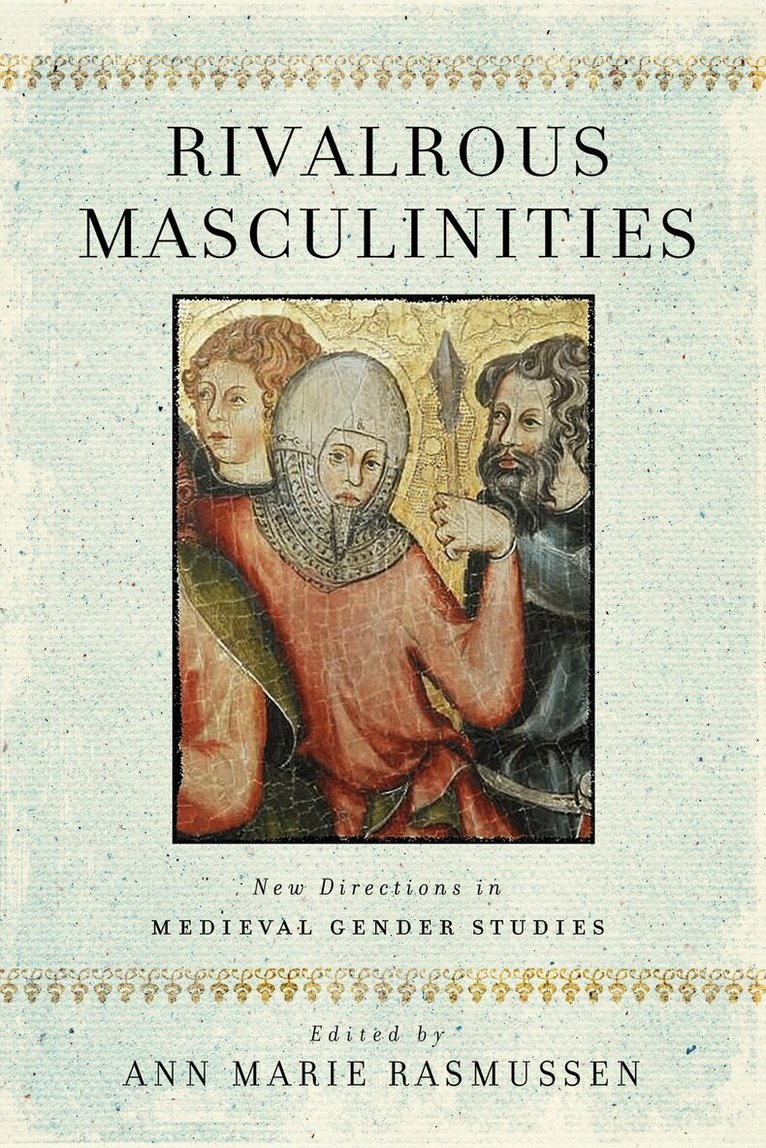
Bringing together the work of both leading and emerging scholars in the field of medieval gender studies, the essays in Rivalrous Masculinities advance our understanding of medieval masculinity as a pluralized category and as an intersectional category of gender. The essays in this volume are distinguished by a conceptual focus that goes beyo nd heteronormativity and by their attention to constructions of medieval masculinity in the context of femininity, class, religion, and place. Some widen the field of medieval gender studies inquiry to include explorations of medieval friendship as a framework or culture of arousal and deep emotionality that produced multiple, complex ways of living intensely with respect to gender and sexuality, without reducing all forms of intimacy to implicit sexuality. Some examine intersections of identity, explicating change and difference in conventional modes of gender with regards to regional culture, religion, race, or class. In order to ground this intersectional and interdisciplinary approach with the appropriate disciplinary expertise, the essays in this volume represent a broad cross-section of disciplines: art history, religious studies, history, and French, Italian, German, Yiddish, Middle English, and Old English literature. Together, they open up new intellectual vistas for future research in the field of medieval gender studies.Contributors include: Ann Marie Rasmussen, Clare A. Lees, Gillian R. Overing, J. Christian Straubhaar-Jones, Astrid Lembke, Darrin Cox, F. Regina Psaki, Corinne Wieben, Ruth Mazo Karras, Diane Wolfthal, Karma Lochrie, and Andreas Krass.
1 538 kr
Skickas inom 10-15 vardagar
More than any other secular story of the Middle Ages, the tale of Tristan and Isolde fascinated its audience. Adaptations in poetry, prose, and drama were widespread in western European vernacular languages. Visual portrayals of the story appear not only in manuscripts and printed books but in individual pictures and pictorial narratives, and on an amazing array of objects including stained glass, wall paintings, tiles, tapestries, ivory boxes, combs, mirrors, shoes, and misericords. The pan-European and cross-media nature of the surviving medieval evidence is not adequately reflected in current Tristan scholarship, which largely follows disciplinary and linguistic lines. The contributors to Visuality and Materiality in the Story of Tristan and Isolde seek to address this problem by opening a cross-disciplinary dialogue and by proposing a new set of intellectual coordinates—the concepts of materiality and visuality—without losing sight of the historical specificity or the aesthetic character of individual works of art and literature. Their theoretical paradigm allows them to survey the richness of the surviving evidence from a variety of disciplinary approaches, while offering new perspectives on the nature of representation in medieval culture. Enriched by numerous illustrations, this volume is an important examination of the story of Tristan and Isolde in the European context of its visual and textual transmission.
865 kr
Skickas inom 10-15 vardagar
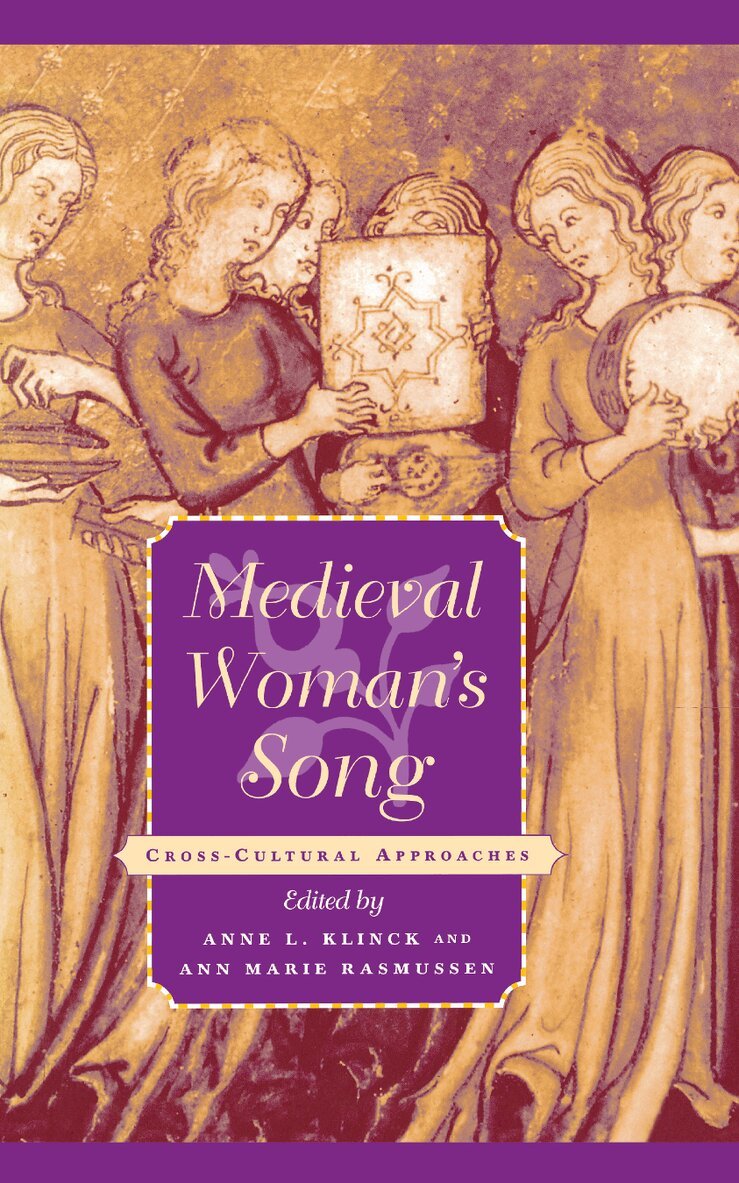
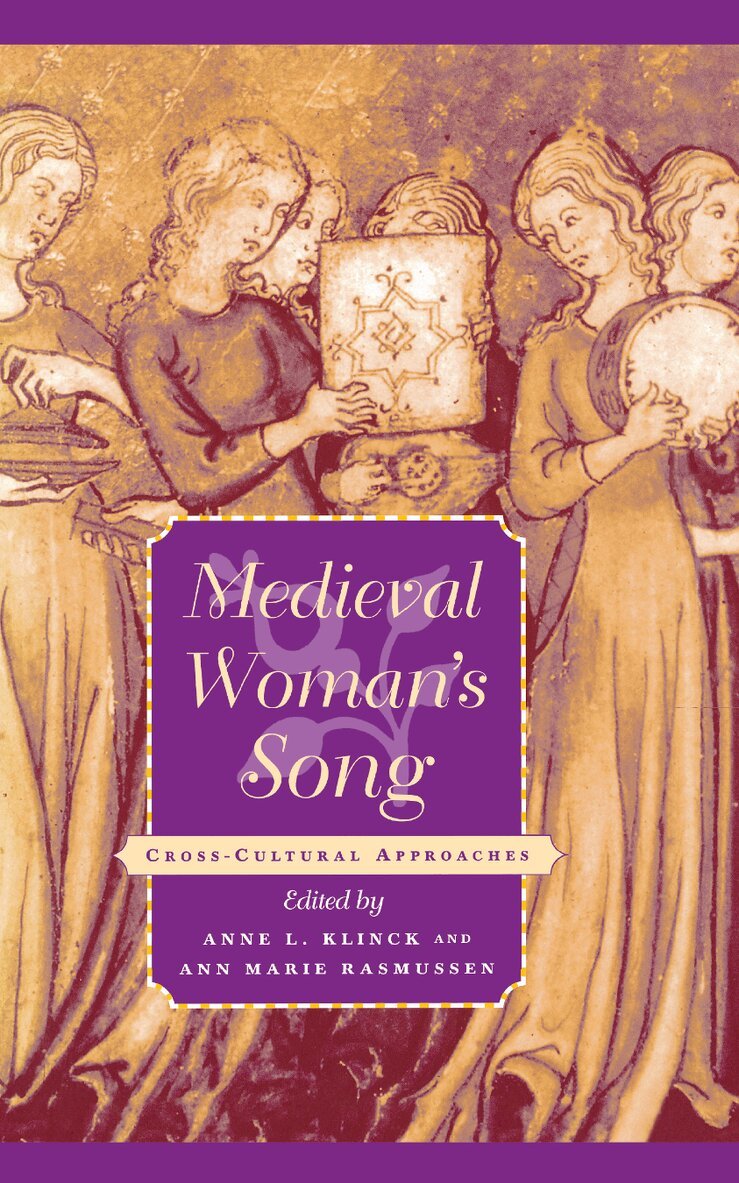
The number of surviving medieval secular poems attributed to named female authors is small, some of the best known being those of the trobairitz the female troubadours of southern France. However, there is a large body of poetry that constructs a particular textual femininity through the use of the female voice. Some of these poems are by men and a few by women (including the trobairitz); many are anonymous, and often the gender of the poet is unresolvable. A "woman's song" in this sense can be defined as a female-voice poem on the subject of love, typically characterized by simple language, sexual candor, and apparent artlessness.The chapters in Medieval Woman's Song bring together scholars in a range of disciplines to examine how both men and women contributed to this art form. Without eschewing consideration of authorship, the collection deliberately overturns the long-standing scholarly practice of treating as separate and distinct entities female-voice lyrics composed by men and those composed by women. What is at stake here is less the voice of women themselves than its cultural and generic construction.
689 kr
Skickas inom 7-10 vardagar
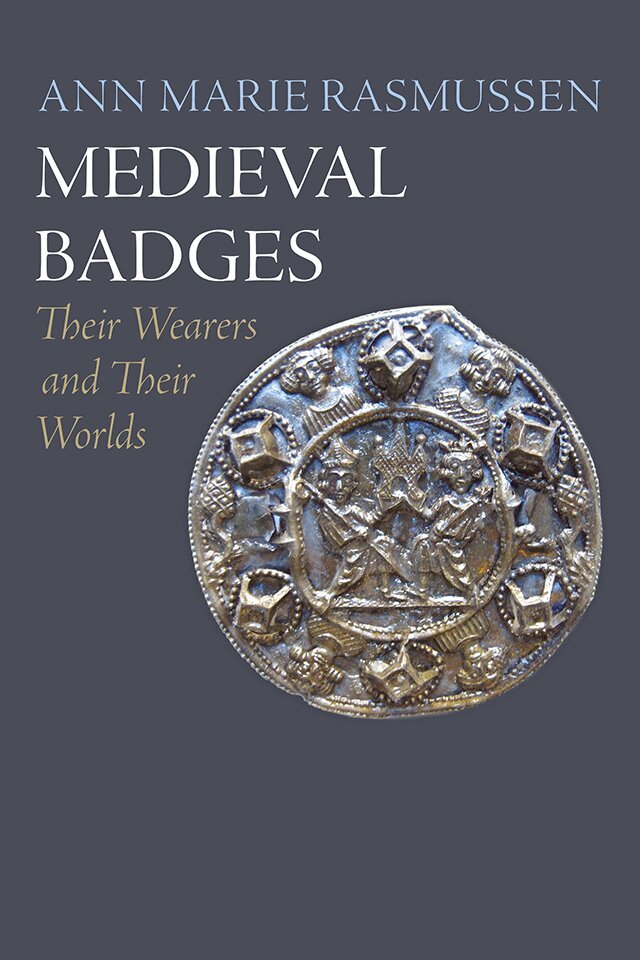
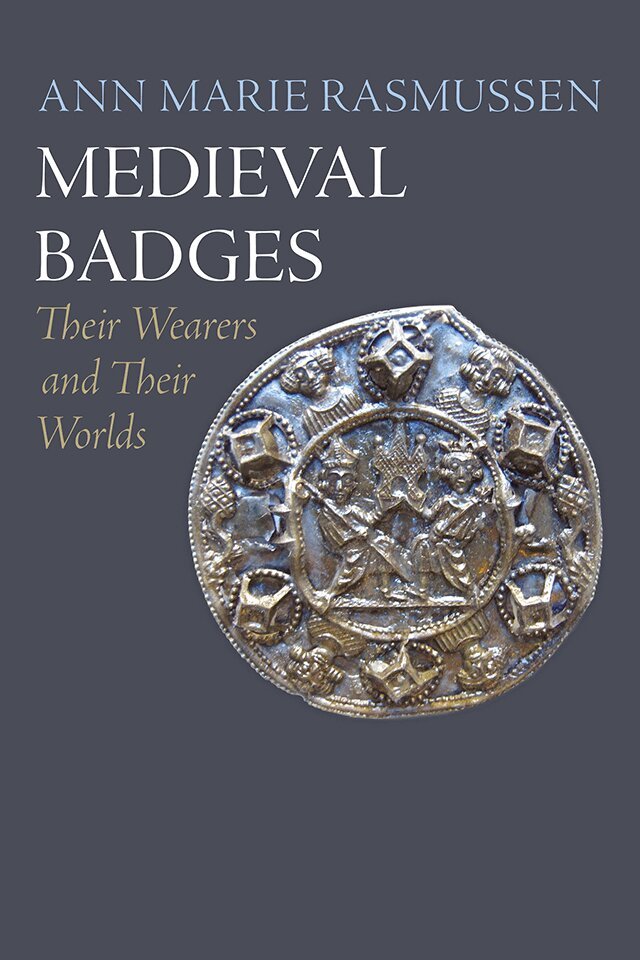
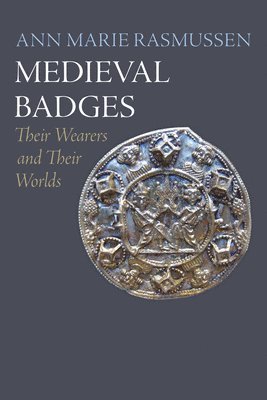
Mass-produced of tin-lead alloys and cheap to make and purchase, medieval badges were brooch-like objects displaying familiar images. Circulating widely throughout Europe in the High and late Middle Ages, badges were usually small, around four-by-four centimeters, though examples as tiny as two centimeters and a few as large as ten centimeters have been found. About 75 percent of surviving badges are closely associated with specific charismatic or holy sites, and when sewn or pinned onto clothing or a hat, they would have marked their wearers as having successfully completed a pilgrimage. Many others, however, were artifacts of secular life; some were political devices-a swan, a stag, a rose-that would have denoted membership in a civic organization or an elite family, and others-a garland, a pair of clasped hands, a crowned heart-that would have been tokens of love or friendship. A good number are enigmatic and even obscene. The popularity of badges seems to have grown steadily from the last decades of the twelfth century before waning at the very end of the fifteenth century. Some 20,000 badges survive today, though historians estimate that as many as two million were produced in the fourteenth and fifteenth centuries alone. Archaeologists and hobbyists alike continue to make new finds, often along muddy riverbanks in northern Europe.Interdisciplinary in approach, and sumptuously illustrated with more than 115 color and black-and-white images, Medieval Badges introduces badges in all their variety and uses. Ann Marie Rasmussen considers all medieval badges, whether they originated in religious or secular contexts, and highlights the different ways badges could confer meaning and identity on their wearers. Drawing on evidence from England, France, the Low Countries, Germany, and Scandinavia, this book provides information about the manufacture, preservation, and scholarly study of these artifacts. From chapters exploring badges and pilgrimage, to the complexities of the political use of badges, to the ways the visual meaning-making strategies of badges were especially well-suited to the unique features of medieval cities, this book offers an expansive introduction of these medieval objects for a wide readership.
2 419 kr
Skickas inom 10-15 vardagar
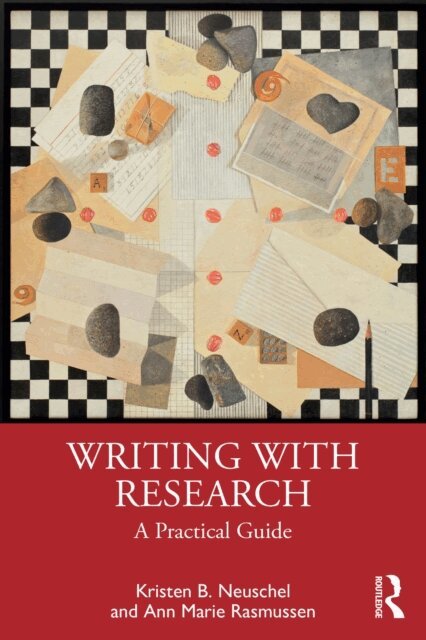
Writing with Research offers readers practical guidance for managing writing and research as combined tasks. Kristen B. Neuschel and Ann Marie Rasmussen bring expert advice from their extensive experience as writers, researchers, and teachers, making this an indispensable, user-friendly guide to research-based writing.This book describes how to launch writing and researching together and how to continue the work as an iterative, not linear, process. It explores the challenges of finding time for writing and research, and offers tips on how to make progress, even in short writing and researching sessions. It describes the steps necessary for responsible research in the contemporary digital environment, including the role Artificial Intelligence might play and how to map arguments as they emerge through writing. This book offers readers the tools to confront stumbling blocks like procrastination. It shows the benefits of building writing communities and how to make use of feedback at various stages of a project.The short and easily digestible chapters make this a go-to resource for a wide audience, from students, professors, and scientists to professionals. Writing with Research helps all researchers find the resources they need to be successful and encourages them to think of themselves as writers, now and into the future.
661 kr
Skickas inom 10-15 vardagar
Writing with Research offers readers practical guidance for managing writing and research as combined tasks. Kristen B. Neuschel and Ann Marie Rasmussen bring expert advice from their extensive experience as writers, researchers, and teachers, making this an indispensable, user-friendly guide to research-based writing.This book describes how to launch writing and researching together and how to continue the work as an iterative, not linear, process. It explores the challenges of finding time for writing and research, and offers tips on how to make progress, even in short writing and researching sessions. It describes the steps necessary for responsible research in the contemporary digital environment, including the role Artificial Intelligence might play and how to map arguments as they emerge through writing. This book offers readers the tools to confront stumbling blocks like procrastination. It shows the benefits of building writing communities and how to make use of feedback at various stages of a project.The short and easily digestible chapters make this a go-to resource for a wide audience, from students, professors, and scientists to professionals. Writing with Research helps all researchers find the resources they need to be successful and encourages them to think of themselves as writers, now and into the future.
361 kr
Skickas inom 7-10 vardagar
Sumptuously illustrated, Medieval Badges offers an expansive introduction of these medieval objects for a wide readershipMass-produced of tin-lead alloys and cheap to make and purchase, medieval badges were brooch-like objects displaying familiar images. Circulating widely throughout Europe in the High and late Middle Ages, badges were usually small, around four-by-four centimeters, though examples as tiny as two centimeters and a few as large as ten centimeters have been found. About 75 percent of surviving badges are closely associated with specific charismatic or holy sites, and when sewn or pinned onto clothing or a hat, they would have marked their wearers as having successfully completed a pilgrimage. Many others, however, were artifacts of secular life; some were political devices—a swan, a stag, a rose—that would have denoted membership in a civic organization or an elite family, and others—a garland, a pair of clasped hands, a crowned heart—that would have been tokens of love or friendship. A good number are enigmatic and even obscene. The popularity of badges seems to have grown steadily from the last decades of the twelfth century before waning at the very end of the fifteenth century. Some 20,000 badges survive today, though historians estimate that as many as two million were produced in the fourteenth and fifteenth centuries alone. Archaeologists and hobbyists alike continue to make new finds, often along muddy riverbanks in northern Europe.Interdisciplinary in approach, and sumptuously illustrated with more than 115 color and black-and-white images, Medieval Badges introduces badges in all their variety and uses. Ann Marie Rasmussen considers all medieval badges, whether they originated in religious or secular contexts, and highlights the different ways badges could confer meaning and identity on their wearers. Drawing on evidence from England, France, the Low Countries, Germany, and Scandinavia, this book provides information about the manufacture, preservation, and scholarly study of these artifacts. From chapters exploring badges and pilgrimage, to the complexities of the political use of badges, to the ways the visual meaning-making strategies of badges were especially well-suited to the unique features of medieval cities, this book offers an expansive introduction of these medieval objects for a wide readership.
Del 5 - TEAMS Medieval German Texts in Bilingual Editions
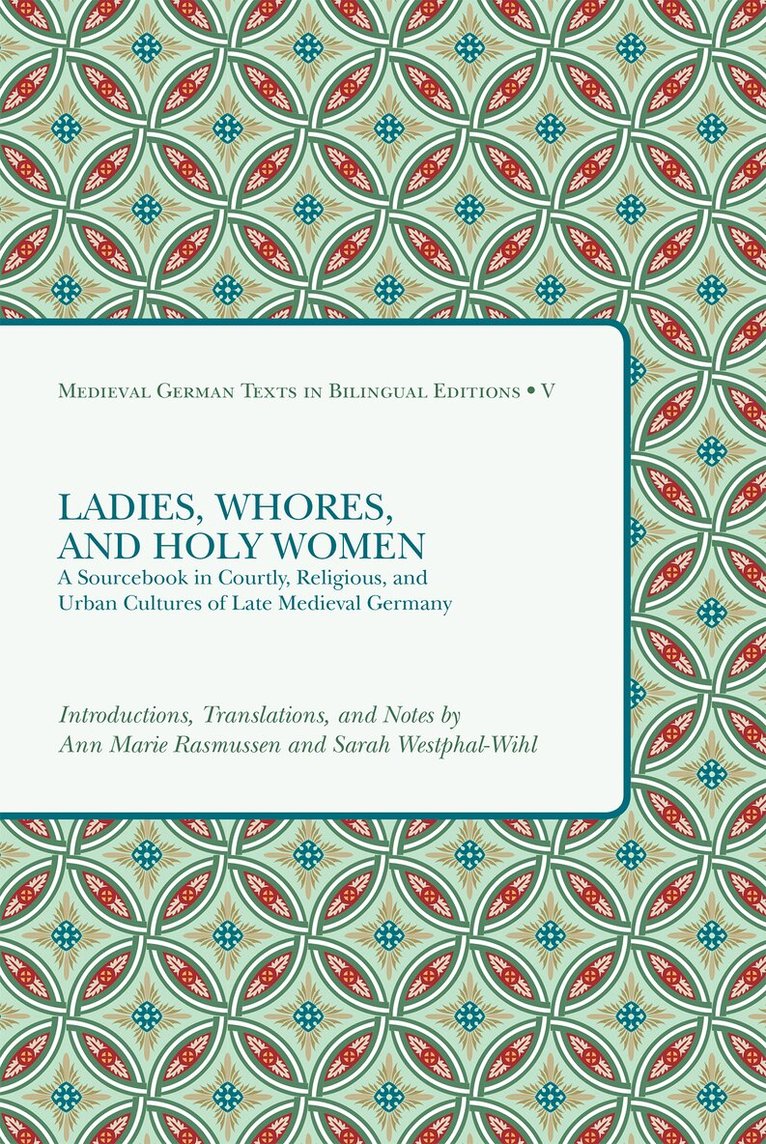
Ladies, Whores, and Holy Women
A Sourcebook in Courtly, Religious, and Urban Cultures of Late Medieval Germany
Häftad, Engelska, 2010
261 kr
Skickas inom 11-20 vardagar
This sourcebook presents editions and translations of seven fourteenth- and fifteenth-century texts that advance our understanding of gender, sexuality, and class in the late medieval German-speaking world. Three of the translated texts are fiction. Additionally, there is a religious treatise, a religious legend, an inventory of books, and a legal document. While each of these texts is instructive in and of itself, they gain in complexity when brought into dialogue with one another.